We are not big on waterfalls, but big waterfalls are something to put on your travel bucket list. Our favorite (so far) is probably Iguazu (must see it from both Argentina and Brazil). We do have great memories of seeing Victoria Falls with our three girls on our big camping safari across Southern Africa long ago and now bringing grandkids back makes them even more special.
It paid off to take a gamble and fly on FastJet directly from Kruger Mpumalanga International Airport to Victoria Falls in Zimbabwe. It saved us a day and a transfer in Johannesburg, but we were nervous until we were actually in the air as they had only one direct flight a day and if that didn’t work out we would have been in trouble.
All the worries melted away as we were greeted with a big smile by our local guide Prisca. I mentioned to Izrael, our local agent on our Whatsapp planing exchanges that we try to hire women guides wherever we can and he remembered and delivered. The connection and life information I get from a woman guide is closer and more interesting than what I can get from a man. We also love supporting women who value education and independence. It does often come with a price, though. In high season Prisca only sees her daughter who stays with her grandma in a village far away one weekend every 6 weeks. And that is after an 8-hour bus ride.
While not as cozy and personal as Yvonne’s African Affair we did have lovely accommodations at the Courtney Lodge in a quiet neighborhood of Victoria Falls town.
The lush garden with large trees was enchanting. The kids enjoyed a small pool in the evenings and I relished an hour of peace early mornings with a cup of coffee in the living room…
The two women who created this rare book are very famous for capturing the African spirit before the encroachment of modernity.
indulging in the collection of many classic books about Africa.
So many talented artists and photographers!
Knowing we will spend very little time in our bedrooms we opted for two triple rooms with boys having their own and girls our own. That was fun! (At least for us girls.)
Naturally, Victoria Falls was (or is it were?) the star of the show and we saw them from both sides, Zimbabwean and Zambian. Alas, we didn’t get a chance to see the falls from the sky by repeating the thrilling microflight experience we had on our first visit as the winds were too strong every day of our stay.
A painting of the falls by a renowned artist Larry Norton
In local languages, the falls are called Mosi-oa-Tunya (= the smoke that thunders) and the white smoky mist is indeed mysteriously smoking up the atmosphere even in the low water season. The visit in the high water season gives you more water not only from the falls but unfortunately also from the sky.
Upon our guide’s recommendation we suppressed our curiosity and quickly walk on the side path all the way to the end of the gorge on Zimbabwean side as to avoid the influx of tourists. That proved to be a really smart strategy as we didn’t have to jostle for the views and photos at the best vistas.
Zambezi River at the Victoria Falls discharges a staggering eight million (+-) liters of water into the gorge every second. Victoria Falls is the world’s largest curtain of falling water, spanning 5,604 ft (1,708 m). Because of the low rain, our curtain is not continuous but we don’t mind and think the intermittent bare rock nicely emphasizes the gushing single strands or groups of falls.
One can get much closer to the water on the Zambian side which is also less visited.
It entails crossing the Victoria Bridge that has border posts on the approaches to both ends, and paying separate entry fees at combined $80 a pop. (Multiply that by 6!) And that is not a day ticket, just a single entry! Should you want to come again for sunset views you will be charged again. Highway robbery, indeed!
To quell the disappointment of not flying over the falls the two guys get a special tour of Victoria Bridge, which for Mirek, a bridge engineer his whole life, is a very special treat.
Safely tethered they walk the catwalk and listen to interesting stories of the bridge building
Then they meet us for dinner at the grand dame of hotels: Victoria Hotel.
Bygone colonial times with lush lawns and oil paintings of Queen Victoria
Special sundowners, great food, impeccable service.
Can you spot the Victoria Bridge beyond the trees?
We have a surprise waiting for us in Zambia. When Izrael hears my son-in-law is missing a rhino to reach his Big 5 quota he arranges a “walking with rhinos” tour.
It is more like disembarking and letting the rhinos walk around you.
We are thrilled to be so close to these very rare and very endangered animals. We are even more thrilled to see two babies and hear of more pregnancies. In all of Zambia there are 11 white rhinos and 9 of those are here. They are heavily protected by armed guards day and night.
We have one more safari on the books, this time across the other border in Botswana.
For something different in the morning we board a small boat and explore the vast Chobe River. We quietly motor close to pods of hippos wallowing in mud, large crocodiles stealthily slithering from the banks into the water, buffalos drinking and Fish Eagles patiently observing from top braches of tall trees. They look very much like American Bald Eagles because they are indeed related, both of the same species of seas eagles.
Grandkids are becoming safari pros
and in the afternoon we have a last open vehicle safari to see the river from the banks.
Chobe National Park is best know for the extraordinary large population of elephants. There are an estimated 50,000 Kalahari elephants roaming the park and we never tire of seeing them.
There are also a supposed to be lots of lions in the park and our guide knows that the kids would really love to see them. On the way out she whips the vehicle around a bush (and illegally off the main path) and finaly we get to see one. As is the rule, he sleeps, but then rolls over and looks at us for a second before continuing his nap.
We will have to save leopards and cheetahs for another trip. But hopefully, the safari appetite has been whetted well.
We have been asking everyone to hold back on their shopping as we wanted to take everyone to the fantastic Zimbabwe craft market where we bought some of the Shona sculptures on our first visit.
Grandkids are impressed
It is quite overwhelming as there are literary thousands of sculptures of all sizes with vendors/carvers vying for our attention.
I am so impressed with Lilly. She has enough English under her belt that she has conversations with the guys and they adore her. An older gentleman insists on gifting her a necklace to remember Africa.
Her Dad is on the hunt for garden sculpture. Luckily we have an empty duffel bag from donations that we brought.
After much deliberation this one is chosen and carefully packed. It gets cushioned additionally by plenty of dirty laundry. And at the airport I do get called back before boarding by the security and dragged to the loading dock. Luckily I can show them the photo so I don’t have to unpack the sculpture. They load it bitterly complaining about how heavy the bag is.
My son in law with the sculptor
The boys are exhausted and go home to pack, but we girls ask our guide Prisca to take us away from the tourist shops to the local market
where we buy beautiful handwoven baskets of different shapes and sizes from smiling ladies.
Can’t wait to hang them in their house as a lasting memento of our great African family adventure.
The advice for travel with grandchildren was to have as little expectations as possible so as not to be disappointed. Easy to say, hard to counteract the: “It took a lot of effort and money, so you kids are gonna have a good time, damn it!”
So can you really not have expectations and dreams of if not a perfect, at least a great and memorable trip with your grandkids? Much is riding on this mutual experience, beyond monetary sacrifice. You want to build life long memories of grandpa and grandma outside of baking cookies or playing cards together.
You want to ignite in your grandchildren the love of travel and adventure. The appreciation of Nature and importance of the conservation of said Nature. The understanding of human diversity, yet interconnectedness. The recognition and gratitude for the immense privileges you were born with and the responsibility to make at least a small contribution to improving the lives of those less fortunate. Haha, talk about lowering your expectation, eh?!
Did we achieve all of that on our trip to Southern Africa? Time will tell, but we sure tried. For now we are thankful that the grandkids were open, cooperative, engaged and all-around easier than we worried.
Lilly and her mom admiring a sausage from a sausage tree. Yes, it can be eaten cooked or fermented, though we never had a chance to try it (yet).
At 9 and 13 Leopold and Lilly seemed old enough to enjoy and remember their first African safari. We were in the middle of an ordinary lazy summer, sleeping late, swimming, kicking the ball around, and they too often clicking on their tablets, when without any warning we dropped a bomb: “We would like to take the kids to Africa. What do you think?”
The kids agreed without batting an eye. Their dad quickly chimed in, “Wait, I want to go, too!” Their often overprotective mom, who doesn’t much like to travel and absolutely hates to fly was left speechless. We knew we would need her permission, but were totally flabbergasted when the next day the news came that not only she would let them go, but she would join us as well.
Truth be told this wasn’t entirely a spur-of-a-moment invitation. Secretly, this idea brewed for a while, especially since special friends of ours, Yvonne and Helmo, who were already twice our fantastic guides in Africa, have just opened a small family lodge close to Kruger National Park. These two first took us and our three girls on a long camping safari across Africa nearly 20 years ago. Then together we celebrated Mirek’s 60th birthday with a fun road trip from South Africa to Mozambique.
Now Yvonne was helping us put an exciting itinerary together, while alas, Helmo was away leading a birding safari in Angola.
For this virgin Africa trip I gathered a comfortable and simple itinerary would be best. We would spend 5 days in South Africa at Affrican Affair Bush Lodge with daily activities suggested by Yvonne and then fly to Victoria Falls in Zimbabwe. Of course, it would be quite unlike Grandma to not immediately start embellishing and expanding the itinerary. Oh, y’all thought you were going on on a holiday?
Our guide had it right!
There is practically no time difference, why would we need a rest day? We came to see the wild animals, so you better get up at 4:30 am for a safari not just once, but twice. We have a free morning, why not visit a local non profit organization? It has been arranged, great! Now kids, go through your toys, games and clothes and pack up a duffle bag of donations.
And since Vic Falls are also on the other side of the border in Zambia let’s get a KAZA (multiple entry visa) and cross over to Zambia, too. Would you like more stamps in your passport? It’s only an hour drive in the other direction to Botswana border so let’s organize a safari to Chobe National Park there. Luckily Yvonne recommended Israel, her fabulous agent in Zimbabwe, who was happy to arrange anything and everything.
It has been my tradition lately to print coffee table photo books of our trips so I announced this to the family and asked for contributions: the kids were to keep a short journal every night and move three of the best shots they took to a special folder on their iPhones. Surprisingly without much complaining or much reminding they delivered.
Translation: The best were rhinos, waterfalls, and the boat. The monkey that rummaged in the garbage bin and drank from a hose.
The small lodge was the most perfect place we could have stayed at. The four bedrooms
Bathtub with a view
were arranged around the central courtyard with the outdoor dining table, bbq
area and a small plunge pool. Despite middle of the winter the temperatures unexpectedly soared towards 40C so the swimming suits did come in handy.
As did the puffy jackets and warm clothes for the early morning safari rides.
The main house had a large kitchen, living and dining room and Yvonne spoiled us with wonderful meals. She made sure there were always french fries available for the kids, in addition to some more exotic fare.
The big glass backdoor opening to the wilderness was the very best feature of our little lodge. As veggie and fruit scraps as well as bird seed was placed outside there was a constant parade of all sorts of animals up close and personal.
A big warthog looking enviously at our breakfastDuiker and a band of banded mongooses (not mongeese!) by the back door
One afternoon we even had a surprising visit of three friendly giraffes who came to nibble on our trees.
As giraffes are my favorite animals this was really a very special treat for me.
The vivid magic of African bush sunset
The very first evening we happily introduced our family to an old African tradition of sundowners (a sunset accompanied by a drink, preferably alcoholic) by a small pond on the wilderness estate where we were treated to the comical sight of giraffes drinking. Because of their very long legs and necks they have to crouch down knock- kneed. To see wild life on foot is an extremely exciting privilege.
We delayed our first real Kruger NP safari by first taking a boat trip on nearby Blyde River Canyon on the first full day of our stay.
It is one of the largest canyons in the world and one of the greenest because of the subtropical vegetation. A little less green because of the lack of rains this winter.
It was especially fun because we could ride on top of the roof.
A roof platform– a great vantage point
Here the kids were introduced to crocodiles and hippos for the first time. Those firsts were very gratifying to the seasoned safari grandparents. Though personally I still get excited anew on every safari drive.
From tiny to large crocodiles they pretended to be wooden logs
After a delicious lunch and an informative chat with the owner of the mango plantation
Mango flowers are deceptively abundant. Less than 1% produce fruit!
we headed to nearby Moholoholo Rehabilitation Center, where we all learned much about the rescue and protection of animals on an extensive close up and personal tour. It was especially thrilling to observe all the cats as those are difficult to see in nature.
Feeding time
The excitement of the first real safari
was well, real.
Getting up at 4:30 am and driving like maniacs in the dark we were the first to enter Kruger National park that morning and were rewarded by the magical sunrise. Our guide stopped at the side of the road so we could marvel at the blood-red ball bouncing up from the horizon.
Right away we encountered elephants with their young which elicited many oh and ahs.
Elephants drinking from a small waterhole
Zebras and antelopes were plentiful
but due to heat and no rain, the cats were elusive. We saw a leopard’s kill hanging up on a high tree branch but were told by other visitors that the mama leopard and her cub were hiding in the bushes by the river with their bellies full.
The second time in Kruger we were lucky to see one rather tired old lion that not very royalty limped into the shade and plopped down for a nap. After all, lions spend on average of 20 hours a day sleeping.
We spent an hour just sitting above a dam observing with and without binoculars the many animals coming for a drink while crocodiles and hippos lazed about. Throngs of kudu, waterbuck and zebras took turns to drink. The best show was put on by a herd of elephant matriarchs, daughters, and babies who marched from the bushes to the waterfront while all the other animals in their path respectfully gave defference.
We tried to overcome the limitations of the iPhone camera by shooting through the binoculars
On another ocassion on an evening safari with more sundowners
Gin&tonic is always a good choice or possibly a Savanna cider
at a nearby private reserve, we had a close encounter with a small group of bachelor elephants having their evening snacks, not entirely happy with our presence. One of them even decided to flap his ears and charge at us.
The shadow of the safari vehicle and people on the approaching elephant
But of course our very experienced guide was careful to hightail it out of his way. Elephants are strong and fast and smart and can easily overturn a vehicle. The destruction of uprooted and trampled trees they leave in their wake is devastatingly extensive.
All in a day’s work our guide clearing our path.
We made another visit to the Blyde River Canyon this time from the rim. It was stupendous from the top as well. Mirek and I reminisced how at our first visit 15 years ago with Helmo and Yvonne the fog was so dense we barely knew the canyon was there.
Now we had dazzling panoramic vistas.
“Look, there is the launching pad where we started out boat voyage the other day.”
So many new things to enthrall: unknown Protea trees with strange flowers,
Rock formations at the nearby Bourke’s luck Potholes
and tantalizing colorful handicrafts.
One morning we left the boys to sleep in and relax while the girls took the duffel bag full of donations and drove to the non-profit Nourish where we promised to support their chili growing project.
A great upcycling of shipping containers at the site
We were warmly greeted by the young director and shown the many different initiatives helping the local community.
We left donations with the staff to distribute as and when they see fit and were first taken to visit their community preschool.
More colorful recycling at the playground.
The little munchkins showed off with loud singing. We thought our eardrums would burst. The director told us an interesting insight: it is quite common that tots and preschoolers in the villages are pretty much ignored and they oftentimes barely speak when they first join the preschool. Hence the encouragement to be loud and expressive so as to give them a voice.
In true exuberant African spirit everyone was excited to meet us.
Young seamstress and fashion designerThe sweet Nourish cook
We were even invited to the open kitchen.
Cooking pap, a staple African diet, a soft porridge from maize or cassava for kids’ lunch
They foolishly let us try our hand at mixing it. You wouldn’t believe what strength it takes to move the large quantity of sticky porridge!
Struggling and thinking what strong arms the cook must have
What was extraordinarily special was that Yvonne and I were reunited with an old friend Tembi, who drove two hours each way to meet us at Nourish.
Tembi looking not a day older, though she is a grandma now like me.
For Mirek’s 60th birthday gift, Yvonne and Helmo arranged the building of a playground at a preschool for children with Hiv parents. Tembi was the director there. When asked what we could bring the children she suggested shoes. We brought a duffel bag of donated shoes from a preschool in our community. The memory of little tots patiently waiting their turn to choose a favorite pair will forever be seared in my heart.
What a memorable and insightful morning this was for all of us!
In only 5 short days we packed in so many sights and experiences. And still managed a few vacation mode relaxing moments. Now let’s hop on the plane to Zimbabwe!
You can plan your travel around interesting natural, historical, and artistic sites, but at the end of the day it is the local people that make or break your stay.
The most beautiful and impressive place can be significantly marred by unfriendly people (I am pointing at you Paris and Barcelona!) yet even a rather average locale can be elevated by welcoming and kind folk.
Mirek with our Algerian Tuareg car mates Youssef and his brother Abass
Luckily Algeria has nothing to fear. The local people we encountered were exceptionally friendly, welcoming and downright thrilled to see us. The few other travelers we met all mentioned in the very first exchanges how warm their reception was everywhere they went.
Our unfettered exposure to the local people was a bit curtailed as we were nearly always accompanied by Youssef, which cut a fine and tall figure in various colorful outfits that brought us extra attention in the coastal cities of the North.
Yet repeatedly people went out of their way to express their surprise and delight that we were visiting their homeland. Only Iranians could beat Algerians at the welcome game. There we felt like real celebrities every single day.
Big smilesAnd handshakesAnd flowers for the lady
While random encounters and exchange of a few friendly sentences are so very pleasant, the advantage of having a local guide with an excellent command of English and willingness to engage in real cultural exchange, sharing opinions, and answering exceedingly more personal questions is very important. Only thus can one get a true insight and at least some level of deeper understanding?
Spending many hours in the car chatting together but also watching the interaction of our desert team taught us a lot about the Tuareg culture. While we were served our own meals, the team always ate from a communal bowl starting their meal with a thick soup.
We were even so lucky as to be invited to Youssef’s home to break the Ramadan feast with the family.
Ladies and gents eat separately in different rooms. Despite the limited language skills ladies always have more fun!
Pictures of children and grandchildren are shared. And designs on hennaed hands admired.
Interesting to note that children are not allowed to eat with adults but are relegated to dining in the kitchen. But a gaggle of giggly granddaughters was encouraged to show their school books and practice counting in English while finishing touches were put on the dinner dishes.
My translator for this occasion was Youssef’s cousin Zahra. Recently graduated from university with a law degree she surprised her cousin upon pick up when she showed up covered from head to toe. He was far from pleased as it is not a Tuareg tradition at all, but a new influence of strong conservative Islamic trends. As a matter of fact in Tuareg culture it is the men that veil their face and women don’t.
Beneath the serious garb was a funny laughing personality
She was very excited to be out and about when we went to see an old ksar in her home city. Seems like she has never been there before.
She was also excited to introduce me to her grandmother living across the street. It was sweet to see the close, loving relationship. The elders are still very respected in Tuareg culture, and they will always be taken care of in old age. Youssef also took us to visit his other grandma living in a compound of his uncle.
He was proud to tell us that she knows tifinagh, an old consonantal alphabet. We saw an older precursor to tifinagh carved on the walls of some desert rocks and were surprised that nobody could read it or decipher the inscriptions.
Grandma writing my name
Who are the Tuareg? On a grand scale the Tuareg are semi-nomadic herders and traders living in Northern Mali, Niger, Burkina Faso, Libya, and Algeria.
A Tuareg craftsman from Mali at the Djanet market
They are descended from Berbers (=Amazigh), the indigenous population of North Africa and speak different dialects of a Berber language: Tamasheq.
The close cousins of Algerian Tuareg are Morrocan Berbers.
Ksenija with a Morrocan Amazigh April 2016Mirek and a Berber friend in Morroco April 2016
Though most Algerians are descendants of ancient Amazigh groups who mixed with various invading peoples, of whom Arabs had the most influence, only some one-fifth of the Algerians now consider themselves Amazigh.
There are 4 Amazigh subgroups in Algeria: Kabyle, Shawia, Mʾzabites and lastly the Tuaregs from the southern desert.
Incidentally the little hotel we stayed in (and gratefully showered in) in between our two forays into the desert was owned by a Kabyle family from the North of Algeria. The lovely daughter Celia (another young woman with a law degree) who often manned the reception was particularly helpful answering some of my more feminine cultural questions. Her English (and French and Arabic) was perfect and she did not shy away from any topic.
Celia’s dream is to start her own high quality travel agency
The Tuareg are also called the “blue men of the sahara” for their traditional blue tagelmust (veil and turban in one). The long and loose gown worn by the Tuareg and the tagelmust were once died blue with indigo and while swetting under the hot desert sun the blue color rubbed off the clothes and into the skin- hence blue men.
We spotted men in gowns and tagelmusts of different colors but alas most younger people now opt for jeans and T-shirts. More convenient and cheaper. Definitely not as charming and attractive.
How about the ladies Tuareg fashion? Well, you are in luck as I was treated to a special preview when we visited a remote Tuareg community in Tasili n’Ajjer area.
The ladies of the house, or I should rather say very very poor compound had a lot of fun dressing me up in a traditional costume. The kids were practically dumbstruck to see such sport (… and the dish ran away with the tea spoon).
Yes, cell phones are everywhere even in the poorest places of the world. No one will invest in water or electricity but someone will always put up cell phone towers to make money.
I took advantage of the spectacle and had a few girls join me up on the center stage so we could get some lovely photos.
This very shy girl visiting the settlement from a nomadic family reminded me of the famous Nat Geo photo of the Afgani girl.
The children from this very poor community of former nomads were going to a nice newly built school.
Selfies are the best way to break the ice
But in the desert winter they were very cold so we fundraised (through http://www.lanternprojects.org) to bring them heaters for all the classrooms.
A number of local officials were present
That night we camped in the rock outcrops outside of the village and in the morning one of the local men took us on a most rewarding hunt for secret rock art.
Prehistoric communal grinding flour pits
But first he introduced us to his family who was the only one still living in a traditional Tuareg tent. Two to be precise.
They were making a living as goat herders. With encouragement from the government, the rest of the families gave up their semi-nomadic life and struggle very much with no source of income.
We were treated to an enthusiastic explanation and demonstration of different natural implements.
Knowing that most Tuaregs have long given up their nomadic ways this chance encounter with a few camelteers was very special.
Greeting the camel train
Of course, Youssef knew them and had a little chat. They were bringing fodder back home for the animals.
Happy meeting
Soon after we were engulfed in a sea of goats. If not for the sunglasses we would be apt to believe we were teleported back a few thousand years.
Turned out the goats were being taken to market to Lybia for a good price was rumored to be had there.
But they lost their way.
Straight from the Bible. Except for his oil field overalls.
After giving him directions
We pressed upon him some supplies and wished him luck.
We would be remiss to not mention music as a big part of Tuareg culture. The original ancient tradition of music, poetry and dance continues and is celebrated in a ten day festival of Sebeiba in the little town of Djanet where we were based. The festival is held in the month of July, so we will have to return.
There is an everyday tradition of music being played after dinner and around the campfire. Many a young man picks up a guitar and learns to riff the Sahara blues or desert rock (also called tishoumaren or assouf) that first became popular in the 1970s. Every evening on our camping trip our cook Bubba would pick up his guitar and the rest of the crew would sing and clap along.
One evening at a goat barbeque in town we were even treated to a performance of a local Tuareg rock group.
Traditional drum and acoustic guitarA perfect night on the edge of the Sahara
It must be the privilege and ailment of old age to keep dredging up memories from times long gone and here I go again:
When I was just a slip of a girl at 16 I stepped off the cross country bus for a quick break and stood at the edge of a precipice. I could not fathom it was portending my future but I was acutely aware I was forever spellbound to live my life seeking moments of awe such as that: gazing upon the Grand Canyon, the Mother of all canyons, the grandest chasm of the world. In my wildest dreams, I couldn’t imagine that one day for a time I would live in Arizona with my young family and forevermore travel the world in search of natural and man-made treasures.
Nowhere else has the interplay of nature and human creation formed a more perfect union than in the Algerian Sahara.
I have painted a rich and adoring picture of the impressive prehistoric art in a previous blog and sang praises to stupendous sand dunes, too. Now permit me to chisel out an image of rock and stone forming sensational geological formations.
Woefully lacking any working knowledge of geology I can but playfully share some impressions of ergs, regs, and wadis.
And what can be more playful than naming rock formations.
Some are well-known and easily recognizable such as
The ElephantThe Hedgehog
and for soccer fans
The World Cup Throphy
Soon, to the amusement of our Tuareg companions, we were seeing (and naming), rock shapes everywhere.
A number of E.T.s, unknown extraterrestrials to our Algerian friends, greeted us throughout our journey.
Peek-A-BooDental work?
More animals popped up their shapely heads.
Camel headPrincess and the Dragon
When I see a pyramid I of course can’t help but think of Egyptian pyramids.
The Pyramid with Elephant Etchings
So just for a little numbers fun the Egyptian pyramids were built between about roughly 2700 B.C. and 1500 B.C. This makes the earliest pyramids about the same age as Stonehenge, which was initially built between 4,000 to 5,000 years ago. But the large animal engravings on this nature-made pyramid block of rock are much older than that. These may date back to 12,000 years or more.
The little people that created the big art. Some look like dancing and some worshiping.
But how old is the rock and Sahara itself? New research looking into dust (paleosols made of very fine-grained minerals rich in quartz and mica) that the Sahara blew over to the Canary Islands is providing the first direct evidence that the age of the desert matches that found in deep-sea sediments: at least 4.6 million years old.
Scientists are amazing! They also study fosilized flora by taking samples of plants from the rocks to better understand the Greening of Sahara. Around 8,000 years ago, the Sahara wasn’t desert, but instead was a vibrant ecosystem that supported hunter-gatherers and fisherfolk. The ‘Green Sahara’ – the colloquial term for the African Humid Period – was the period in which North Africa became much wetter so animals (and even fish) and people thrived.
Fosilized flora in a desert rock
Alas, it didn’t last forever. Around 5,500 years ago, the ecosystem in the Sahara went into a terminal decline towards the desert we have today.
Erosion is a mighty power and has formed a large number of impressive tall arches.
The CathedralMirek under the Big ArchKsenija under a Little ArchYoussef on top of a Bridge Arch
Throughout our camping trip various arches provided marvelous shelter for us. Undoubtedly they must be a an integral lifesaver in the hotter months of the year. Our lunch breaks and overnight camps were always set up in the protective proximity of rocks.
Cosy fit under the arch
The most attractive and exciting was the rock formation that surprisingly had no name. So we named it The Eye of Bouhadienne for the geographic area.
We only peeked into a few canyons, but gaping at tall walls and walking on the dry beds of long-gone rivers was pretty darn cool.
Prayer
We were surprised to find out that there is quite a lot of water in the desert. Researchers from the British Geological Survey and University College London have been able to carry out a continent-wide analysis of the plentiful ancient water reserves hidden under the surface in aquifers.
“Our” trusty “researchers” led us to water above ground, too. Like a mirage water appeared in a narrow canyon. One can clearly see the long process of powerful water patiently carving down down through the rocks.
Gultae of Agzel (=Kidney Lake)
This was but a small guelta, a pocket of water that forms in drainage canals or wadis (river valleys) of Sahara.
A much bigger supply of water was found around the little tumble down town of Iherir in a wadi named Oued Iherir near the center of the Tassili n’Ajjer mountain range. Big date plantations grew along the river. We could replenish our dwindling date supplies, an important staple as our guys broke the Ramadan fast every night with a handful of dried dates and milk.
Me and my shadow
We followed the river into the rocky hills of the plateau just for a little while. It gave us a taste of the week-long hike that is achieved with the help of donkeys up to another area rich with prehistoric art. I am already planning the next trip!
Dear Youssef played an extra role, besides a well-informed guide, he was also a willing photo model.
The Prince of Dunes gazing upon his Martian kingdom
In the ever-changing landscape, so many of the places indeed gave off a totally otherworldly vibe.
We drove into the areas of stone forests as far as the eye could see,
and then on to stone cities where curious toppled temples dreamt of old, long-forgotten (imaginary) civilizations.
When we emerged again into the warm sunny desert
A lone camel looking for nourishment
we reveled in the interplay of rocks and sand dunes and long shadows.
As we pressed, on like Fata Morgana, a caravan appeared before our eyes.
More on that in the next installment: The Tuareg: The Sons and Daughters of Sahara.
Since the time we first met some forty years ago on the edge of the desert of Ancient Mesopotamia, we traveled and even lived in diverse deserts around the world. In a car without AC, we crisscrossed the desert in Iraq searching for the ancient cities of Ur, Uruk, Ninive, Babylon.
My first camel ride in Iraq, 1983. Yeah, I haven’t changed a bit. 😉
We started our family in the Arizona desert studded with white saguaro cacti blooms. We drank tea in the desert of Jordan on the way to Petra, got sore riding camels in Morroco, climbed the dunes of Namib, and drove in arid Australia. More driving in the Atacama and Patagonia deserts. We stepped on land in Antarctica; did you know it is considered desert, in fact the largest in the world?
To tell the truth I am not and never was particularly fond of deserts. (Now desserts, those I am very much fond of! That’s how I remember how to spell them correctly, with double “s” as I always want seconds.)
Algerian desserts
So, really, I was not expecting that much from our Algerian Sahara desert encounter. We were here for the prehistoric rock art after all. And then right at the start to paraphrase Nat King Cole’s famous song:
🎶…
We were driving along, minding our business, (drinking in sunshine) When out of an orange, (well blue), colored sky FLASH, BAM, ALAKAZAM Wonderful desert flew by,
… 🎶
And Sahara love hit us in the eye and like any person madly in love we are now shouting it from the rooftops and writing it on walls (of social media).
The Algerian Sahara is the most beautiful desert in the world! It is incredible, otherworldly, ever-changing, multi-faceted, dramatic yet tranquil, fascinating, colorful, and overseen by a deep black velvet sky studded with a myriad of stars. There is nothing like stumbling out of your tent in the middle of the night to pee and looking up straight into the vortex of Milky Way.
Ladies to the right, gents to the left…don’t forget the toilet paper roll!
You can’t see the stars in the camp in the evening because there is always a fire burning long into the night
with your Tuareg companions drinking countless tiny cups of strong sweet tea strumming a guitar or chatting. And chatting. Man, those guys can talk. I would love, love to know what about.
What is so extraordinary about the Algerian Sahara is the constant surprises, new vistas, color hues, and changing rock formations. Do not nod off even for a moment in the car or you will miss something magnificent.
The rocks delineate the place of worship with direction to Mecca where our guys enter to pray
Alas, my poor little iPhone is not capable of capturing the vibrant true colors of this desert. And my editing skills don’t suffice. If anything, they make it look worse. Especially this unique yellow and black desert area called Adjalati just past the entrance to the renowned Tardart Rouge=Red Mountain.
A thin layer of fine black volcanic sand creates a fantastic effect and brings out the yellow.
Digging in. Can you glimpse the tiny conical shapes of old 🌋 on the horizon?
For the first and certainly not the last time we are numbstruck by the immensity of this place, the grandeur, and the extraordinary privilege of having it all to ourselves. Somehow, far from making us feel small and insignificant, or scared and alone, it makes us feel welcome. Like these vistas were waiting just for us to be admired and extolled, like we are a perfectly fitting piece of Nature’s puzzle.
Can you detect a tiny figure of Mirek?
Not to be outdone the red desert warmly embraces us, too.
And when I say warmly I also mean with perfect temperatures. Sahara might be mighty hot in the summer months but right now the temperatures are perfect. In a place known for extremes on both ends, we rarely break a sweat during the day, and only a few middle of the nights could be considered nippy.
Morning walk1st sandstorm of the season
We only have one day when the weather is not optimal as Sahara wind brings the first inkling of the sand storms.
Makes it a bit more difficult to lunch and a new understanding of the desert men’s very practical head and face coverings
The details are worthy of attention, too. The patterns on the sand are poetry written with a calligraphic brush of the wind.
Another task for you: can you trace the bird tracks?
There is plenty of life in the desert still. While the megafauna has long ago moved out with desertification, the last lions were only shot in the 1920s. We still encountered half wild camels and one totally wild ass loudly protesting our presence. Coyotes are hanging around hoping for some tasty scraps. One night there was a commotion: our valiant cook Bubba sleeping out in the open single handedly managed to defend his supplies (especially dried goat) from two stealthy thiefs. We find plenty of fresh tracks in between our tents in the morning.
Birds are luckier, the baguettes that are getting staler by the minute and the day are generously shared.
Small acacia trees,
donkey melons, and tiny flowers of all kinds, many medicinal, somehow flourish, too.
Flower of the torha tree that goats enjoy
The “regular” dunes, too, simply spectacular.
They go on forever and ever. And when I say forever I mean it. All the way to the horizon and over the border to Lybia and Niger.
So far only car tracks, how long before the annoying quad bike excursions show up?
The view from the top would take your breath away if you were not already all out of breath making your way up the steep slippery slope.
Before taking the grave risk of going down the slippery slope some people take a little rest
And some take a little fly
and others opt for a little hug
The power of wind is evident in the sand dunes driven high up the sturdy rocks.
The yin and yang of such sand and rock interactions is the unique attraction of the Algerian Sahara.
But more on that in the next installment on The Stone Forrests of Sahara.
Before “Bucket List” was a thing I put Algerian Tassili on my travel bucket list. I remember it well. I was still a teen when I cracked open my first thick Art History Book and immediately felt a visceral connection to prehistoric art. The effortless calligraphic arc of a wild animal’s back carved or painted on a cave wall was drawing me in with a strange force.
Some years later I fell in love with a man who also loved art and prehistoric art, to boot. And travel. How extraordinarily coincidental and auspicious for our future of sharing life and exploring the globe for forty years and counting.
We have chased prehistoric art in many places from well known caves in France and Spain to obscure places in Norway,
Reindeer etchings in Alta, Norway 2022
Namibia, and Indonesia.
The oldest rock paintings in the world: over 38.000 years old on Sulawesi, Indonesia 2015
But one site remained elusive: Tassili n’Ajjer National park in Algeria.
Desert dunes and rocks hiding prehistoric art treasures
Algerian Civil war and threat of terrorism kept the doors firmly closed. Until it suddenly opened a crack in the spring of 2024 and we slipped in. With some trepidation and much gleeful anticipation… After such a long wait it was better and more than we had ever dreamed and hoped for.
It was also quite effortless for the extremely lucky introduction to the tourist guide and organizer extraordinaire Youssef, a Touareg man of exceptional charm, education, and ability.
Youssef is a young mechanical engineering professor with a PhD who speaks five languages fluently. Every question, every email and WhatsApp was answered with immediate precision and welcoming grace and soon a detailed plan was in place for a 15-day visit. The majority was spent in his beloved Sahara surrounding his hometown of Djanet, the rest up North on the antiquity-studded coast.
Taking into account the weather, his teaching schedule, and our family obligations we had to settle on March, not the perfect timing due to the start of Ramadan and the arrival of the first desert storms. We were determined to make it work worried that the door might slam shut again at a moment’s notice.
At the very last moment, we were faced with a Lufthansa worker’s strike and scrambled to rearrange overnight flights so we could make an early morning connection from the capital of Algiers to Djanet. Only when we spied the towering figure of Youssef in his striking blue traditional Tuareg clothes we truly believed it was happening, breathing a huge sigh of relief. From that moment on everything was smooth sailing and what a fantastic ride, indeed!
Muhammad and Youssef in front of the sand elephant carved by the desert winds
And how could it not be with a fabulous team making it happen.
Little Abbas, Muhammed, pick up driver, Bubba, the cook, Abbas, SUV driver, Youssef and us two
It was pretty much a family affair with our driver Abbas, Youssef’s older brother, and Muhamad, his cousin. Their regular cook was spending holidays with his family so Bubba stepped in. In his regular life he was a rock guitarist and every evening he brought out his guitar and jammed around the campfire.
Our first of two desert camping trips was livened up by Muhhamad’s 4-year-old son Abbas.
If I had any misgivings about such a little boy coming along they quickly turned into a unique opportunity to observe intriguing cultural aspects of Tuareg parenting. The little boy had not a single toy with him yet he played and explored on his own all day long. He never whined or cried once.
We made it clear that our main interest was seeing as many prehistoric art sites as possible and Yousef delivered. Right from the start he made our jaws drop
Our first encounter: La Vache Qui Pleure – Crying Cows engravings
and to our credit we never tired of scrambling over rocks or squeezing into canyons to see the treasures he led us to.
Can you see the tiny painted cows and even tinier people?
You see in prehistoric times Sahara used to be a lovely savanna with many animals cavorting in green fields. It is officially named the “greening” of the Sahara. It is thought to have been driven by changes in Earth’s orbital conditions, specifically Earth’s orbital precession. (yeah, I have no clue what does it mean, I just copied it from Google.)
Probably looked just like Masai Mara in Kenya on our trip in 2021
Some paintings are very well preserved, but others can be faded or layered over older paintings and images all jumbled up. The longer one looks the more details one discovers. Though at some point every red smudge on a rock’s face starts to look like a possible animal depiction.
Smiling giraffe paintingRhino etchingCarving of lion’s footprint. Do you think there is a skinny elephant bellow?
Bands of men hunted wild animals through the ages and depicted themselves in tricolor of reds, whites, and ochers on the walls of their natural surroundings. Some pictures were very schematic but graceful nonetheless
and some incredibly realistic and detailed
Hunters clad in animal skins stalk giraffes. Can you see the boomerangs they are holding? Can you spot a little dog and three hares?
And some even humoristic.
Elephant stepping on a leg of a hunter with a club in his hand.
Knowing our interest in all things historic we were taken to any local (often very dusty) museum. Despite Ramadan, they magically opened their door just for us. We were treated as VIP guests and to our shock and delight invited to handle 10,000+ years old stone implements.
Couldn’t hide the thrill when the director passed the stone spear tip onto me
That is also the probable age of domestication of cattle in Africa, again beautifully depicted on the stone walls.
Delicate, very artistic painting of a herd of whimsically decorated cows
People turn from hunter gatherers to nomadic pastoralists with movable camps.
A simple, but sweet depiction of a woman reclining in front of her hut. The rich red color is called carmine, paint is made from crushed stone mixed with cow’s blood.This intricately carved bovine is part of a large stone platform in Dider Valley with numerous etchings of animals and people. Possibly a site of Neolithic worship for the many magical spirals?
The long horn piebald (= multicolor) cattle are reminiscent of the cattle in Kenya or South Sudan with typical big curved horns. Some were possibly shaped by their owners like the remote Dinka tribes do till today in South Sudan.
Two herders with long sticks and water gourds. One is painted white and decorated with red dots.
Looking at the painting of these two herders I can’t help but think of the Mbororo or Wodaabe nomads gathering at the Gerowol courtship festival in Chad. They have the same white feathers on top of their heads and highly decorated faces and bodies.
We were lucky to visit Omo River tribes in South Ethiopia
Dasanech tribe, Omo Valley, Ethiopia 2013
and they still live the three dimensional colorful reality of the prehistoric life depicted in Algerian Sahara art sites.
Animals skins and beads clad Karo tribe people in Omo Valley Ethiopia 2013
It is interesting to see the appearance of goats, sheep, as well as domesticated dogs.
Herd of white goats. Can you see the little white dog on the left and a red person holding an arrow?
Goats are still a staple diet of the contemporary Tuareg people, the descendants of the original population of Sahara. And our main diet on this trip, too.
Carving of the large crispy goat
Later on, horses emerge and even later with the trans-Saharan trade camels make an introduction though theirs are far cruder renderings.
All in all, there have been 15,000 engravings and paintings identified to date (and more are still being discovered). Despite our best efforts, we were able to see only a teeny-tiny fraction. French archeologist Henri Lhote is credited with describing and popularizing the sites with the help of artists who copied the art onto large canvases in-situ. The exhibitions made quite a stir in France in late 1950s.
While famous European prehistoric paintings at Lascaux and Altamira caves are now closed to the public and one can only see some reproductions nearby, here you have the unique privilege of standing face to face with small and large masterpieces alike.
A short scramble up into a cavefull of small and oversized human figures. Love the lady with the bun!
No lines, no timed ticket sales no nothing but Saharan sand, sun, and wind for company. Of course none of that would be at all possible without the local people’s intimate knowledge of each site and ways to get to them without a map, GPS, or road.
While “hunting” for art was an important and fun activity we often forgot all about it whilst ever-changing phantasmagoric landscapes appeared out of nowhere.
Rocks or all shapes and colors amongst the vast desert sands were the big unexpected surprise
for Old Farts, Wimps, and Road Trippers–in short us.
Google Patagonia and your main hits will be of mountains and more mountains with a tiny colorfully clad hiker or two looking to the horizon.
Mirek worshiping mountains from afar
So what is a couple of wimpy old farts to do? Plan a road trip and pick up any and all hitchhiking hikers on the way.
Chile Chico
If there was ever a proof that 3rd time is the charm just look at our Patagonia trip. After we had to run from the initial Covid outbreak that caught with us in Argentina en route to Patagonia we had to cancel plans again when Ksenija contracted a mild Covid case in Benin, West Africa a year later and her tests kept showing positive long after.
But as another saying goes, after having had a door slammed in our face twice, we were able to find not only a silver, but gold lining to our Patagonia cloud.
Golden sunset at Puerto Cisnes
In January and February of 2023 we were able to allocate a whooping 8 travel weeks to Patagonia both in Chile and Argentina and add on additional fascinating destinations, we never thought we will get to in our wildest dreams.
The first half of our Patagonia and Beyond adventures was spent on the road trip on Carretera Austral (= Southern Way) also known as Ruta 7 – an ultimate driving route in Chilean Patagonia.
It has everything an ideal road trip should have: Scenic winding roads, expansive vistas, small towns, tall mountains, deep lakes, icy glaciers and adventures calling. We drove it nice and slow all the way from Puerto Montt to Villa O’Higgins and then back with plenty of detours on the way. All in all instead of a straightforward 2500 km (1550 miles) we clocked 4000 km (2500 miles) on our rental car. Most all of it on unpaved surfaces. With only one tire busted. On the way we met interesting locals and fun hitchhikers, both enriching our Chilean experience tremendously.
Peat collector by the side of a long stretch of empty road
The official start of the Carretera is in Puerto Montt and that is where we picked up our rental car. Here was our first stroke of luck or good travel karma. Ask and you shall receive, ask nicely and you shall receive an incredible upgrade. Picking up our reserved compact rental in a small, empty car rental office we noticed a new 4 wheel drive parked out front. With the help of Google translate we asked the friendly lady at the counter if she could upgrade us to that car. A quick phone call to her boss later she beamed a happy yes. And we sure needed that high clearance vehicle for all the dirt roads we bumped along.
Our second travel karma was even more incredible and highly appreciated. The Travel gods conspired with the Weather gods and gave us sun and more sun and minimal rain and winds. Winds are a huge challenge in Patagonia, people on hiking trails and vehicles on roads are easily overturned by gusts of up to 120 km/h (74 mph).
Right off the bat we started making detours and even backtracked a little to enjoy the gorgeous landscape of the Chile Lake District.
Jumping for joy in front of Volcano Osorno
Then it was to the first of the many ferries. January is of course South America’s summer, but after our freezing Norwegian summer trip the year before we knew to come prepared.
I am not sure which toad trip saw us on more ferries, Norwegian or Patagonian. The Patagonian ferries were definitely much much cheaper, but also much more nerve-wracking as they were fewer in operation and it was either difficult or impossible to make reservations ahead of time.
Big chunks of the Carretera were connected by ferries, many quite small, affording a nice opportunity to chat with the few travelers making their way on foot, bycicke, motorbike or car in those backwaters.
As a matter of fact the Carretera road trip made us really nostalgic for the traveling years of our youth. Patagonia is probably the last place on earth where hitchhiking is a safe and accepted mode of transport. What is more people still talk to each other, comparing travel notes instead of hiding behind their smart phone screens.
Waiting for the morning ferry and sharing our breakfast supplies with one of the many hitchhikers we picked up on the way
With lots of space in our comfortable car we made it a rule to always pick up hitchhikers, though at some (very smelly) point Mirek amended the rule that we only pick up girls or couples. The idea being that showers are more frequent when girls are present. We even picked up some couples multiple times and took them to places they couldn’t get to other ways. Or drove them around different campgrounds to settle in a decent one with warm showers. There were fun conversations to be had with young Israelis just out of their mandatory army stint, and less fruitful hand and foot communications with local youth who by and large did not speak much English.
A Slovakian hitchhiking couple
The best times were with seasoned travelers who travelled for a long time and long distances. We also always offered a free coffe break, a drink or a dinner. It didn’t make a huge dent in our budget, but made a difference to the camping hikers living on trail mix rations. We were once those hikers ourselves.
We introduced this lovely Dutch couple to pisco soursAnd they paid us back by washing our car. It really needed it, eh?
While some other Patagonia destinations are becoming very popular (and expensive) Carretera Austral was just perfect for our taste. Remote and difficult enough for a limited amount of visitors, yet civilized enough that a gas station, a decent bed and warm food could be found without too much trouble, and without breaking the bank.
A romantic view from our little cabin window at the very end of the road
So don’t believe the over-exaggerated internet posts or pay for hyper-inflated travel agencies. You most certainly can drive it yourself. And you also don’t need to take a crash course in Spanish. As everywhere in the world the locals appreciate an effort to string along a few Spanish words and they will reciprocate with a valiant effort to string along some English words or call over someone that can. Smiles and fingers are still a recognized international language.
With a spiffy traditional dancer at a local festival
Seeing that indeed we are old farts and wimps with bad backs and knees we didn’t do much hiking and lived vicariously through the hiking adventures of hitchhikers we drove long distances.
The one hiking exception was the tortuous unexpectedly long search for Cueva de los Manos (cave with ancient hand prints). The cave itself might not have been worth the climb but the otherworldly landscape and views with the addition of some flying saucers certainly was.
Aptly called Valley of the Moon
We would have probably given up if it wasn’t for our Dutch hitchhiking couple that kept their pace slow and encouraged us all the way up a and down.
Even without hiking we did get quite close to the tall mountain peaks and admire many a spectacular mountain view.
San Lorenzo Mountains near Cochrane
A few times Ksenija managed to find a horse to take her up the mountain trails.
Lago Espolón viewpoint above Futaleufú
That is always so much fun. Even more so when one gets to visit the local homesteads.
Lasso demo at the sheep and horse ranch in the mountains of FutaleufúTraining for the local horse competition in Aysen
The wonderful combination of lakes and snow-clad mountains we are well familiar with from the Alpine regions is on steroids in Patagonia. The blues and greens of the lakes in combination with the high snow clad mountain peaks is just breathtaking.
Lago Jeinimeni Parque National Patagonia
What is more we absolutely feel under the spell of glaciers. They are massive and not marred by the gray film of dirty pollution so often found in other places.
The milky green of glacier water is quite a unique color.
Can you spot the blue blue of the Ventisquero glacier?
The clean rivers of Patagonia are also fascinating with their fantastic colors in powerful currents.
Rio Baker
If the river happens to be less colorful and hence called White River the swaths of purple lupines give it the necessary punch.
Rio Blanco
Too old for serious class V rafting on the famed Futuleufú River we instead tried our hand at flyfishing for trout with a private guide.
Mirek listening carefully to the instructions on a tiny island in the middle of the river.
Despite seeing plenty but not catching any, we had a wonderful day.
We might have not caught fish ourselves but we ate plenty, especially salmon.
Caught by this chapShared by his friendly and generous family, our neighbors at a cabin site.
We would be remiss to not mention that many of these dazzling sights were part of a chain of national parks established by an extraordinary individual Douglas Tompkin. American businessman, conservationist and founder of outdoor equipment and clothing company North Face.
In the 1990s Tompkins and his second wife, Kris bought and conserved more than 2 million acres (810,000 ha) of wilderness in Chile and Argentina. Subsequently it became the largest gift of private land to Chilean and Argentine people and biggest philanthropic land conservation project in the world. This donation became the core of National Parks in Patagonia. The last phase sadly was completed by his widow after the accidental death of Douglas from hypothermia in a kayaking accident on Lago General Carrera close to his home.
His grave in Patagonia National Park
We tried to visit as many of their parks as possible even if we just drove a short distance from the entrance.
Pumalin Park
For old farts like us short educational trails were god sent to get a taste of diverse nature from giant ferns to giant burdocks
to giant trees.
Ancient alerce trees, relatives of giant sequoias
Even for non-bird-watching people without binoculars the frequent encounters with woodpeckers were fun. Sadly we did not manage to see any pumas, but guanacos were often loitering close to the road.
As impressed and inspired as we were by the work of the Thompkinses, we were also disappointed and worried about the future for lack of upkeep and continued government involvement. An interesting new documentary Wild Life is just out that sheds more light on the inspiring couple, and the long difficult fight to reach the goal.
Cuevas de Mármol Lago General Carerra
For a very different and a bit more touristy experience we stopped at the Marble caves, swarming with young crowds, beer joints and restaurants. A little taste of what we could expect when we fly out to the second part of our Patagonia adventure.
Initially we were not planning to push all the way down to the last outpost on the Careterra Austral. But we were glad we did. It is a tiny little town with very few visitors, but those that come are young adventurers share fascinating stories of crossing by land and boat from Argentina.
Time to turn around and retrace our steps with different detours and a 20 hour ferry ride to Chiloé Island.
Canal Refugio
Did we sometimes wish we had a magic broom instead of a car? No, we really are ultimate road-trippers and enjoyed every bumpy mile.
As pages of my “Journals and Notes” are finally getting dry and readable again, I am ready to give you an honest report on our ‘summer’ trip to the Arctic Circle and beyond.
If you show anyone with a trace of travel DNA in her/his blood a photo like this – maybe even without clouds if you can dig one up – the most probable answer sounds like this:
“Oh, Norway, so beautiful! I need to put it on my Bucket List.”
The next question naturally is “HOW?”
The majority of our American friends would likely be coming to this country on a cruise ship. Encountering on three different occasions these behemoths landing on Norwegian shores and disgorging thousands of people I can confirm the American accent definitely prevailed. Following the cruise ship travel format indeed simplifies the planning and logistics of travel to a remote country such as Norway.
But the photo of a multi-story cruise ship moored in a village of Geiranger with barely 250 inhabitants illustrates well certain limits on privacy and quality of life this travel style may impose on both residents and passengers alike.
150+ cruise ships carrying about 300,000 visitors in 4 months season combined with tens of buses waiting in the ports to take passengers on the narrow two-lane winding roads to 2-3 popular view spots for a selfie may make interactions with locals quite uneasy.
Dancing between buses and big camper vans you realize with a certain level of guilt that no matter what your mode of transportation is your very presence also contributes to the overcrowding and you really should as quickly as possible hightail it out of there.
Having established our summer base in Prague where we have a car, just one-day drive away from the southern shore of Norway, it was logical for us to opt for a road trip.
Between mountains and fjords and lakes; the enchanting empty road on Senja Island
This offered a more independent alternative providing freedom to select the places we wanted to see, when we wanted to see them, and flexible length of our stay in Scandinavia. In addition we hoped to get some relief from blazing hot summers Central Europe has suffered lately. We would simply move north through the marked places on the coast of the Norwegian Sea
and occasionally veer inward to the fjords all during what would be an average pleasantly warm Norwegian summer. When we finally reached a place beyond the Arctic Circle called Narvik (the ring marked with the letter H) located sufficiently Further North than we’ve ever been, and only then
we would turn south through Sweden and, with peace of mind that “mission was accomplished” we would come back to our Prague base.
“Mission accomplished” meaning that we finally set foot in the last two European countries we had not visited so far.
Ha-ha-ha-ha-ha.
Beware of simple plans. Or as an old Yiddish adage says, “Mann Tracht, Und Gott Lacht.”meaning, “Man Plans, and God Laughs.” Or in our heathen version: Mother Nature pisses on your plans, literally with rain and more rain.
Even the start date of our trip didn’t go according to our plan. A 3-week delay was caused by an unfortunate (but luckily injury free) slow head on collision with a Slovenian Mail truck driver, sidetracked by reading an engrossing text message. After our car was finally repaired we were able to stuff it with all necessities for our trip and…
announce our departure on Instagram, (where else?) with a celebratory jump on our Czech family’s farm. Such important travel influencers we are! 😜
Opening of our travel to Norway could not have been more spectacular! After a day of driving through Germany, we spent the night in Denmark and then boarded one of those humongous ferries plying the waters between continental Europe and Scandinavia. It was a misleadingly sunny day when the blue color of the sky competed with the blue color of, no, NOT the waters of
the warm Mediterranean, but the unexpectedly turquoise water of cold Skagerrak, the strait between two relatively cold Seas, Baltic and North.
Despite doing our homework, browsing the websites, reading guide books, and talking to friends, we kept stumbling. Norway is a whole different breed of travel animal.
Meeting some Italian travelers with favorite Lonely Planet guides
Norway has some peculiarity in the community of European countries. It is a member of NATO but not a member of EU but to make it more complicated, does belong to the group of the countries which fully adopted Schengen Agreement. Norway also has their own national currency, called a crown like other Scandinavian countries we visited, Denmark and Sweden which are now part of both EU, and NATO.
Nevertheless, despite these somewhat confusing differences and the many borders we crossed in our 5-week trip, nobody asked us to present our passports, national or international driver’s license (with exception of international ferries), and car registration papers. As we are apt to do anywhere in a new country we withdrew some cash upon entering, but didn’t really get a chance to use it. Cards are queens, cash is not king! We were well aware that Norway was not a budget-friendly travel destination and it would be difficult to keep our expenses at least under some control. But at some point during our trip we just had to forget about any budgetary constraints and hope our credit cards will be accepted and take the load. (Automatic gas stations for example only take debit cards.)
Even though everyone speaks fluent English, the Norwegian language could pose a challenge, especially on websites buying ferry tickets and such. Norwegian, originating from Old Norse being a North Germanic language is related to English and German, but only inasmuch that one feels one can recognize a word or two here or there. (Can you guess “rød eple”? = red apple).
The Norwegian affinity for simplicity is well reflected in the names of local places.
The absolute winner is a small town, or rather a village, on the westernmost tip of Lofoten Islands. First mentioned in the historical sources as “Aa” in 1567, it had lived happily ever after till 1917, when the Norwegian language reform changed the letter “aa” to “å”. Since then the village name on maps and road signs is simply:
75 km, not people, there are actually exactly twice as many: 150
Is it not something? And for the next place on the record list you do not have to go too far. On the neighboring island of Andøya is the place with the name 100% longer and it is “Bø”!
Bø with a Dancing Barn for Vikings? No, it says: Children playing. Drive carefully.
I hope there are no Lofoten tourists visiting Wales on the other side of the North Sea. They do have a village with a name:
“Llanfairpwllgwyngyllgogerychwyrndrobwllllantysiliogogogoch”. Yup, it is ONE word. Look it up, it’s fun!
Norwegians are what you typically visualize as “tough cookies”. Very much into outdoors, no matter how bad the weather. “There is no bad weather, just bad clothes”, must have been invented by Norwegians. It is not just the descendants of sturdy Viking Men but Viking Women and Children running around freely in all weather conditions.
You can not imagine how many bicyclists, how many SINGLE FEMALE BICYCLISTS, completely soaked through leaning into the wind we would see on the narrow roads of Norway. I am sorry for not having any photos, but we were embarrassed taking their photos from the comfort of our car in pouring rain. Those ladies do have my admiration! Their toughness projects into their way of communication. Kind, straightforward without wasting time talking too much. If they talk, they do not complain. Probably there is not much to complain about? Happy with the government and taxes? Husbands? Annoying Americans? Who knows. They didn’t say.
It is a pity Norwegians don’t deal with their high cost of living in the similar streamlining manner. Norway is a rather expensive country, probably the most expensive one we have ever visited. Most surprising is the high price of gasoline, in spite of Norway sitting on an ocean of oil
Oil Museum in Stavenger
under the North Sea from which they keep pumping for the last 50+ years. With prices of gas reaching US$10+(NOK100) per gallon /$2,5 per liter at the pump, we definitely did not feel like we were visiting some sort of European Emirates. You would think their salaries must be much higher then, but after all the taxes they pay (uncomplainingly) they really aren’t. They are not grumbling about taxes because they value the quality of their education and healthcare. Being a teacher is a respected and well paid profession, we heard. How refreshing is that?
And then there is the cost of transportation. Thanks to the remarkable diversity of Norwegian landscape with sky-reaching mountains, deep and steep valleys, river crossings, and a myriad of fjords (there are over 1,000!) building and maintaining a well-functioning highway network must be wildly expensive. To pay for such a system, certain portions of highways, many of the large beautiful bridges
taking you directly from one super
long tunnel to another super-super long tunnel, are tolled. There are over 1,200
tunnels in a country with slightly more than 1% of the US population. Some are small and even unpaved but some are really really long, and they must have cost a fortune to drill through typically granite mountain ranges. The longest one of all is the 24.5km (almost 15.5miles) long Lærdals tunnel which was built in just a bit more than than 4 years. It was opened in the year 2000. Building a tunnel of this length, technical expertise, and price tag can be undertaken by very few countries in the world.
There are no toll gates, just a traffic sign reminder of how much you are being charged. Since you pay, you get some entertaining bang for your buck with a lot of innovation in lighting keeping drivers attentive throughout their long drive.
The further innovation in limited space in fjord country are multi-arm underground tunnels connected via round-about interchanges, thus pushing the engineering limits even higher!!!
All Norwegian registered cars are recorded in the countrywide digital collection system which scans each vehicle license plate on highways and invoices the vehicle owner monthly. Foreign registered car owners are encouraged to pre-register their car’s
license plate online before intended trip to Norway and to pair it with preferable method of toll payment like a credit card. Strangely this electronic system is so slow that we only started receiving credit card charges after our return. If you don’t register your car online, the process is similar to collection of speeding fines in EU countries. In case you get a speeding ticket in another country they will find you in European data base through the license plate or rental car agreement and send the bill to your home address with extra processing fee added. Don’t ask how we know!
The toll charges through the EPASS24 app are used on selected ferries as well. Unfortunately, some private ferries do not participate, making the boarding process on them a little bit longer, but still efficient.
Ferry rides, while frequent, comfortable, and often very scenic, are not very cheap. There must have been certain political pressure to do something about their rising cost as the government made a few ferries transporting less than 100,000 passengers a year free of charge starting this July 1. Since we often travelled off the beaten path we happily benefited from this service.
One of our major geographical accomplishments on this trip, crossing the Arctic Circle, happened on a longer ferry journey connecting two small coastal places
Kilboghamn and Jektvik on the beautiful National Highway 17. The captain of our ferry made an announcement and took
us a little bit closer to the shore so everybody on board could take a photo of the marker of this geographical curiosity.
Driving in Norway is remarkably safe (we have not seen a single traffic accident), but also exceedingly SLOW. While roads are of good quality and well maintained there are only a few 4-lane median divided highways in the whole country. We mostly drove on 2-lane undivided roads with legal speed limits of 80km(50 miles) per hour when out of towns and villages, and 50km(30miles) per hour whenever you can see a house on the roadside. It does not sound too bad, if these limits were not frequently lowered down by another 10 or even 20km(12miles) per hour whenever Norwegian Agency for Traffic Safety, or whoever is in charge of setting speed limits, decided there is additional danger to public such as a mild curve ahead, or a roadside restaurant (no matter if permanently closed). After including short stops for driver change behind the wheel, filling the tank, refreshment stops, etc. your average speed is barely hovering above 60km (less than 40 miles) per hour reminding you more of a snail race.
Slowly but always a changing view
Those speed limits are strongly enforced. But do not think that there is Highway Patrol or similar law enforcement agency doing it. As a mater of fact throughout our whole trip we have not seen a single man in uniform (with exception of US Air Force staff in northern Norway participating in some sort of military exercise). How is it enforced then? There are many cameras installed alongside the roads working 24/7 and we heard scary stories of hefty fines imposed for speeding ($3,000 for reckless driving!). Driving over the limits is not tolerated even by an insignificant margin. No wonder that smart phone apps warning of cameras are very popular. But even if you do not have a smart phone, all cameras are openly advertised few hundred meters (yards) ahead by a visible warning traffic sign. It results in driving public’s respectful compliance with speed limits and if you are still caught on camera, you can hardly use excuses like “But I did not know!”
Not surprisingly free street parking in towns is very rare and not paying your parking fee carries fines almost as harsh as speeding.
There are still a few cool railroads operating in Norway and we planned to ride the most famous:
This rail line is on the list of the most beautiful train journeys in the world and is one of the leading tourist attractions of Norway. The train runs from the sea level at the end of one of the arms of more than 200km (125miles) long Sognefjord, all the way up to the high mountains ending at Myrdal station. Unfortunately the early morning we reached Flåm Station the weather forecast was for a colosal rain storm so we opted to visit just the station and take a few pictures of Mila for our granddaughter.
But you may be more interested in how we spent our nights on this trip.
The sleeping arrangement was not very easy considering our style of travel. Even with mutual agreement about the direction of our drive, we were not quite sure WHEN and WHERE we will be by nightfall. And night falls late here. During the first half of our trip we drove through the Fjord Land at the peak of the summer tourist season. When and where to find a roof over our head was quite difficult because everything but the most expensive hotels was booked up. We were glad to have borrowed camping gear for this trip to have a place to sleep when other options couldn’t be found.
Tent camping can be a pleasant experience
when the tent is dry and reasonably warm. Thanks to this summer’s extreme (wet and cold) weather we did have many opportunities for hard testing this travel model and our conviction to camp, which I thought, and frequently proclaimed, I love. If, after all of our chalenges, the Norwegian camping experience did not break our spirit, the credit goes to my wife’s ability to sleep through anything on an inflatable 2” mattress floating in the pool of water with 72km(45miles) per hour gusts of wind bending the tent poles.
This certainly confirmed that the borrowed tent which proved to be an excellent sleeping device in deserts of Namibia for our friends does not have to necessarily provide for uneventful nights in summer days of Norway. On the positive side we learned to improvise a lot. After the first rain we bought a waterproof tarp at the nearest IKEA to prevent water seeping in from the bottom. As a result any water coming into the tent from the top had no way of leaking out.
Recognize the Ikea bag in the trunk?
Similarly when night temperature started dropping towards 0 degree Celsius (32F), you knew how smart you were taking your fur coat and a fast gas cooker with you. It helps boiling your hot drink or favorite soup within a MINUTE!
After our sleeping bags proved to be no more
than our grandkids’ theater prop, we acquired in another IKEA store (it looks like this company makes tons of money having their stores strategically placed all over the country for the benefit of camping travelers) a large goose-down comforter. The warm cover kept our feet toasty enough to feel in the dark of the night how high the water level in our tent was creeping.
We also learned how to pack up all of our camping gear super fast no matter how much water was inside the tent, how to be able to move quickly in the dark from the tent to our car seats and to adjust the same seats beforehand to a comfortable sleeping position in case such necessity arises.
We also became quite innovative in finding places where to dry our camping gear.
We discovered early on how to read carefully weather forecasts by the hour for the nearest possible location using the Norwegian app called YR. Alas it proved it was not always reliable and we paid dearly for 2-3 catastrophic prediction failures. After all of this, it is a miracle we still like camping and we might even want to try it again on our planned Patagonia trip next year!
The simple Norwegian camping cabins are quite a good alternative.
You just have to plan ahead and know when and where you wanna be at any given time six months ahead when all cabins in Norway are usually fully booked. Since it was not our case, we managed to snag one only twice.
How pleasant it is to listen to the pouring rain outside even if your luxury is only a bunk bed with no ensuite bathroom. Add a sound of a hot soup bubbling “mijotée” in the cabin’s kitchen (just an electric plate) and your life is suddenly nearly perfect.
Hotels and AirBnBs were a big step up to recharge our batteries and dry all our stuff . There were not as many as we hoped to find, specially in the Far North. Their ridiculous prices reminded us of the Japanese hotels during Sakura season. But we will never forget our stormy 3-nights in a Bergen Marriot,
A stormy night in Marriot Moxy
one amazing life saving recuperation night in the beautifully restored farm house
facing a very soggy golf course after the worst rain-wind storm near Trondheim,
or a wonderful week spent in an elegant AirBnB on Lofoten. They all provided a dry asylum when we needed it the most!
Eating and cooking on the way was also a new and different experience. I do like cooking both indoors and outdoors. Since my youthful mountain trekking years I cooked on a portable gas cooker. An easy foldable table I bought just before we left upgraded my moving ability as my years of cooking while sitting on the ground with my legs crisscrossed are long gone.
Notice fresh blueberries picked at this marina campsite and our blue tarp drying
Smoked salmon or trout were our favorite but we were less enthused by dried cod.
Though on few occasions we splurged on a nice restaurant meal and tried excelent bacalao and other cod dishes.
BacalaoCod
We met a friendly young chef who inducted us into the marvels of Norwegian sea weed with a special tasting.
We could discuss with him the finer points of Norwegian cuisine and express our surprise how few mushroom dishes were offered with great abundance of mushrooms popping up in the rain.
Homemade (and handpicked) chanterrels and eggs made at a well equipped common camp kitchen.
The importance of having tools for making our food and drinks has become apparent even more in sparsely populated northern Scandinavia. The idea that we could always find at least a small coffee shop with decent cappuccino and fresh croissant north of Arctic Circle has never really materialized.
The true mark of civilisation
Even those rare ones we could find were closed after the season ended on August 15 or they rarely stayed open past 3pm.
We only felt truly back to ‘civilization’ as we know it when we reached the cute, old, sun lit town of Lund in southern Sweden on our way back!
At the end our estimated trip length nearly tripled. Instead of 4,000km we were shocked to find our final tally was 11,500km (over 7000 miles).
We felt very lucky to have had a comfortable car as a vehicle and a shelter this rainy summer in Norway. Truth be told ideally one should have a small van with two beds or a small camper (the big ones are too tough to drive on narrow roads). Not only are the Norwegian camps catering mostly to campers, but there are many free parking areas dedicated to campers with basic amenity such as toilets. Often they prohibit tents.
Sleep with a view
Lastly it is legal to park your van or camper most places by the side of the road and spend the night and you will see lots of travelers do that on any pull-outs by beaches or fjords.
As we walked up the steps to our homestay in the village of Arslanbob, we heard a baby cry.
A black clad grandma was holding a baby swaddled in layers of pink. Her face showed concern and frustration. “May I?” I asked with a smile. To my surprise, she handed me the baby and I put her on my shoulder and started the baby dance that I have practiced to perfection with many babies, my own and others. (Long time ago for many years I worked with new mothers, helping them breastfeed and master other mothering skills).
Soon the little bundle burped and instantly calmed down. The baby’s mother walked out of the house, startled to find her daughter in the arms of a stranger. Her mother-in-law said something to her, presumably about the baby calming down in my arms and the mother looked at me with friendlier eyes. Our guide came up and translated. “It is our first grandchild,” explained the granny. “It is a miracle. We have waited for her for 15 years!”
As we stowed our bags in our guest room, I noticed that the women were getting ready to leave. “Where are they going?” I asked our guide. “To the baqshï – traditional healer. The baby doesn’t eat well and cries too much.”
“Would it be acceptable if I tagged along?”
The women had no objections and we all piled into a beat-up car with a cracked windshield. I sat in the back with grandma, holding the baby, while the mother was in the front. It seemed to me that the baby didn’t quite belong to the mother, but to the family as a whole. Soon the narrow road through the village came to an end.
We had to cross a stream by foot on a rickety footbridge
and then walk up to a house. We were welcomed and ushered into a spacious room with floor seating. Immediately an assortment of food was piled up in front of us. The mother passed the baby to the healer.
I gestured to my phone and was so pleased when I got permission to take photos. You see, if I could do my life over I would have wanted to be an anthropologist. I just love learning about people’s traditions, beliefs, and cultures.
Truth be told it is a bit hard to learn about a culture when you don’t understand the language. Not that many words were spoken during the ritual that was part medical examination. After a quick Muslim prayer
I watched intently the healer’s strong, steady, skilled hands probing the baby (checking fontanel for dehydration, tummy for obstructions) and then bringing out various powders and ointments to put on the baby.
Blessing with an ancient turtle shell – certainly a pre-Islamic shamanic tradition
But it was her face that mesmerized me. She had an open face with the kindest smile. I would have gladly put my body and soul into her hands.
But then she asked the mother for a sterile razor blade and while pinching the skin started making tiny little cuts on the baby’s back. That was not something I was quite ready to see, though different ways of “letting blood” to take out impurities is a method used in many cultures.
Luckily the baby barely whimpered and quickly calmed down when put to her mother’s breast where she fell asleep.
There was no payment from our side but in the end we all received a different scarf as a parting gift from the lovely baqshï.
With my new scarf carefully tied by the grandma
I really wished I could have asked her some questions or offer some breastfeeding advice and if I had had a woman guide I would have been able to. Still, I was very grateful to have had been afforded a thrilling glimpse through the small window into the local culture.
On the other side of life’s journey we had many opportunities to encounter not funerals per se, but burial traditions. Again one could see some remnants of pre Islamic traditions. In the near total absence of historical architectural monuments and only very simple village architecture we were fascinated by attractive graveyards scattered throughout the countryside.
They always had a nice view but were rarely connected to a human settlement. But then Kyrgyzis were true nomads for much longer than sedentary people.
In the olden, nomadic times people were buried on the way, wherever death overtook them. Some more important people would perhaps get a tomb, possibly in the shape of a yurt, that would in time become holy shrines – mazars.
These days skeletal ironwork yurt graves offer rest to family members in their favorite traditional dwelling.
Many tombs were adorned by a crescent moon. The crescent is not only Islamic but also a symbol from earlier times, of light at night.
Sunrise at a village gravesite
Some others displayed the five-pointed star, a distinctly Soviet symbol.
As most were constructed from adobe (mud and straw) bricks
they were in all stages of deterioration, looking like sand castles eroded by Mother Nature and Father Time.
Some had handcrafted pictures and names, but the newest ones followed an uncanny Russian tradition of exact likeness etched in polished marble.
The exact likeness could not be attributed to the traditional bal bals, anthropomorphic sculptures made from limestone and granite.
Bal bal looking towards Burana Tower
From 6-12th century they were probably carved memorials to the honoured dead. Their production and reverence ceased with prevalence of Islam which prohibits figural depiction of people.
The majority of population in Kyrgyzstan declares itself Muslim, but except for the South close to Uzbekistan border we felt the country was more secular than its neighbors. There were no grand mosques and we heard no muezzin calls.
A small mosque in Kyzyl-Oy
The only woman we saw in a real hijab was this stunning fishmonger.
Dry lake fish
Lucky for us she had no problem posing for pictures.
The other item for sale: kurut –dried yogurt balls
Speak about stunning. This beautiful girl Zarina was the niece of our guide and she gave us a private concert on komuz, a traditional string instrument, while her mom cooked us a delicious lunch.
Visiting Begaly’s family was such a treat. Mom and dad were lovely as well.
Dad in traditional hat – kalpak
And we even got invited to his sister-in-law’s birthday party.
While many women wore loosely tied scarves, some men wore traditional kalpaks. As it used to be with all traditional clothing clothes or hats were not just for protection from elements but also immediately explained someone’s status in society: noble or serf, married or unmarried, etc.
For example in the past when a Kyrgyz boy was 12 years old he would wear a kalpak with green embroidery, this would change to a blue kalpak at the age of 24, a brown one at 36, beige at 48 and black at 60. If a young man was looking to get married he would wear a kalpak with red decorations.
Our guide Begaly with his kalpak on a throne in Skazka (Fairytale) canyon
In case you were curious kalpaks are made with a traditional material – felt, made from wool, plentiful around sheep.
A visit to a felt making home workshop
Even we recognized this man we met in the village of Arslanbob as an Uzbeki because of his square hat.
Not sure this gentleman has any symbolism in his clothes. He was impeccably dressed, eating lunch alone in a roadside restaurant and before he left I asked him for a portrait. I wish I had a chance to ask him some questions, but he seemed in a hurry.
This cool guy was one of a team of four salt miners, we met on a quick detour to an old salt mine. He insisted on gifting me this piece of salt rock.
Sometimes the encounters are fleeting
A gorgeous girl holding a platter of freshly baked goodies.
Sometimes we get a chance to have real conversations as with this Dungan lady, the owner of the best coffee shop and a little hotel we stayed at in Karakol. Dungan are Muslim people of Hui origin that left China. They are especially known for their delicious cuisine. Because of her fluent English we had over the course of a few days some lovely conversations about food, traditions, family, and life in general.
It is a bonus when one can have a free flow of ideas that enrich an encounter.
But sometimes words are not needed, generosity and kindness speak directly from one heart to another.
Great grandma and her great granddaughter at our first homestay. Sweet memories!
We might say goodbye to Kyrgyzstan, but we will always remember the wonderful people we met.
Indeed, and with a renewed hope for the planet. Following the news one is apt to believe the Earth is on the brink of collapse. The glaciers are melting, the oceans are choked with plastic, rivers dead and forests infected. No wonder young people are depresed and without hope for the future.
They should come for a week to Kyrgyzstan, trek in the pristine nature of the mountains, wade through mountain streams and eat fresh fish from the lakes. Yes, there is an occasional eye sore of plastic refuse on high mountain passes left by the many truck drivers and there are traffic jams in the capital but all in all this country is Nature’s Paradise.
Worshiping at Jeti Oguz
And people live in harmony with nature and animals. Seems like the nomadic blood of their ancestors still flows through their veins unabated and calls them to the summer jailoos in the mountains.
While grazing sheep and cows are the main contributors to the economy it is the horses that are the love and pride of every Kyrgyz male. It is true that horses occasionally complement the menu of this carnivore nation at the family table or restaurants. This is a habit more common here than in the West but it is still relatively rare among the line after line of beef and lamb culinary marvels you can usually select from the menu.
Horses are everywhere and everyone has them. And rides them. It is a hobby. It is a right of passage. They naturally learn riding like crawling and walking.
Born in the saddle
It is something they are born with in their DNA. They ride them as they manage their sheep, goats and cows. Those people are for me like Central Asian version of American cowboys. Watching them makes me feel like being back in the American Wild West. How could it not with a backdrop like this?
One afternoon we followed the river to a small village to our homestay. We stopped by a footbridge that leads over the fast flowing river.
It is late afternoon, time to bring herds home.
My Kyrgyz cowboys are doing their job with grace. They do what I see my wife doing whenever she is around horses. Touching them gently on their heads above their nostrils, hoping to mount them and ride them away into the wild. Is it not funny to think about your wife in those terms?
Cowboy Volod: “See you at the local joint later tonight?”
My wife: “Or maybe at the animal market in the morning?”
Horse area at the Karakol market
When planing our trip to Kyrgyzstan we had hoped to be in Karakol on a Sunday to be able to experience their weekly animal market. And wouldn’t you know it, we arrived to this pleasant town on the shores of Issyk Kul on a weekend.
We love markets anywhere in the world. People are busy doing what they do at a market – buying, selling, meeting their friends and don’t pay much attention to foreign visitors soaking it all in.
Sheep corner
It is essential to get to the market early and we had a good warning from a traveller we met who missed most of the action. So we got up at the crack of dawn and found that the market was indeed already in full swing when we arrived. Many people have brought their animals from afar and some spent the night at the site.
It was a cold morning after a rainy night. The surrounding mountains were sprinkled with fresh snow. What a setting! With two crazy travelers gleefully lost in the see of animals and people.
Tradition and modernity – smartphones are common
There was a lot of action.
Frisky stallionsNursing coltsWhen in Rome… Mirek checking the fat content of the “tail”
It was, by and large, a men’s affair
but occasionally women were involved as well.
There was a considerable quantity of animals gathered, but surprisingly we saw very few sold.
Fast money counting skill we did not manage to acquire
We would have stayed till the last animal was loaded up again, but our stomachs reminded us we didn’t have breakfast so as a bonus for getting up so early we loaded up with freshly baked bread on the way back to our hotel.
It was to be expected that spring weather in Kyrgyz mountains will be changeable and rain possible. We were actually pretty lucky with the weather and never got wet or hindered in our activities.
The one day we decided to go on a hike to Atlyn Arashin valley it was sunny, but weather didn’t prove to be the issue.
There are certain bitter elements in our travels which had been and still are an integral part of our life together. We never traveled in groups, relying mostly on each other, if I disregard traveling with our kids when they were growing up. Our children now travel on their own to the mutual relief of both generations involved.
For many years, we have managed to find a a good balance between our interests and abilities in physically demanding disciplines. I preferred mountain trekking and scuba diving and my wife horse back riding. Rafting was fun for the whole family. As the years went by the balance was exposed to the test of time. After my back surgery which led inevitably to my retirement I suddenly had to face the fact that my lovely wife could still be jumping like a foal around me over the mountain streams and easily dealing with rough rides in the 4×4 vehicles, some of them old enough to match my age.
It all came crashing down around my ears as we boarded one of those former Red Army vehicles to get us on the unpaved valley road above the tree line for a hike amongst the peaks. The road reminded me more of a training site for old T-72 tanks than a road.
Terrain full of boulders, with remnants of last winter’s avalanches, and potholes the size of our house’s living room.
Avalanche blocking the road
My best intentions got a forceful reminder that my dreams may have survived those 50 years since I first tried to come here, but my back and surgically stiffened spine are way too fragile for this adventure and think otherwise.
It was a bitter moment of recognition that my time of hiking with sixty pounds heavy backpack (half filled with essential bottles of beer) is long gone and finally over and I had to let it go.
We sent the driver back with half his fee and started walking slowly
by the fast-flowing mountain river enjoying flowers and green meadows and chirping birds.
We walked over a bridge to the first human dwelling,
while our guide flew his drone.
On the other side the verdant spring has reached the high summer pastures where a few cows were contentedly nibbling on fresh grass.
The majestic peaks with snow still plentiful on their steep slopes were watching quietly over the herders taking care of their animals and summer gardens.
To my big disappointment, I realized I could get no closer to the mountains. I could not make it any further and we had to turn around and walk back down to the first village to call a taxi for the rescue.


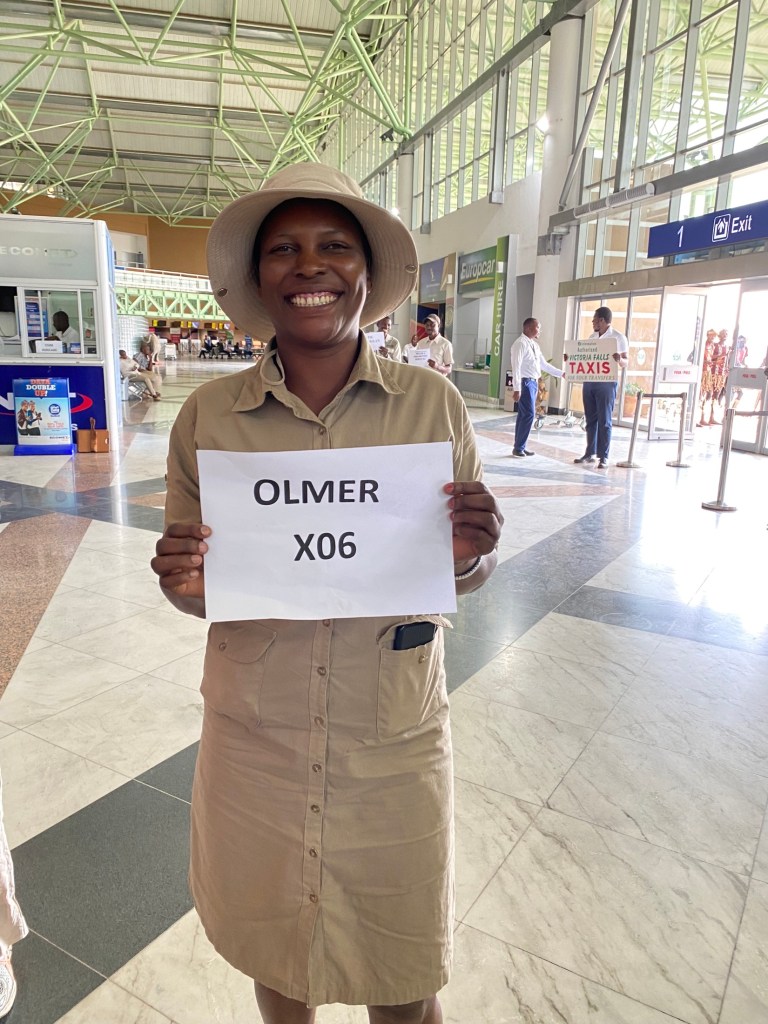


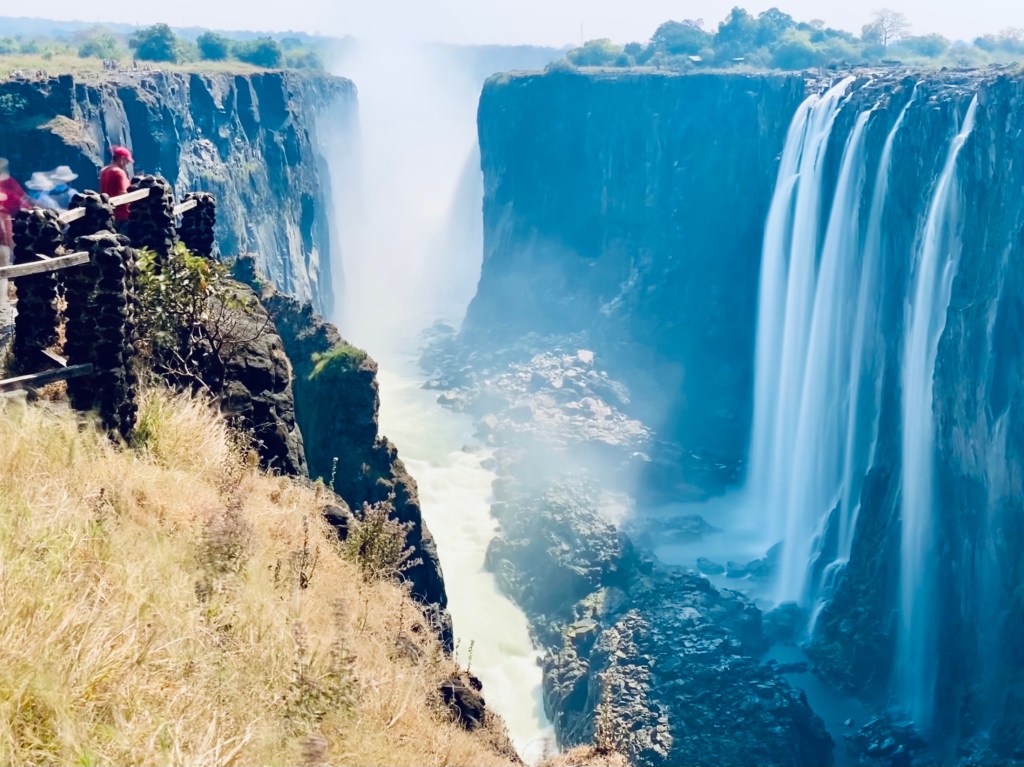
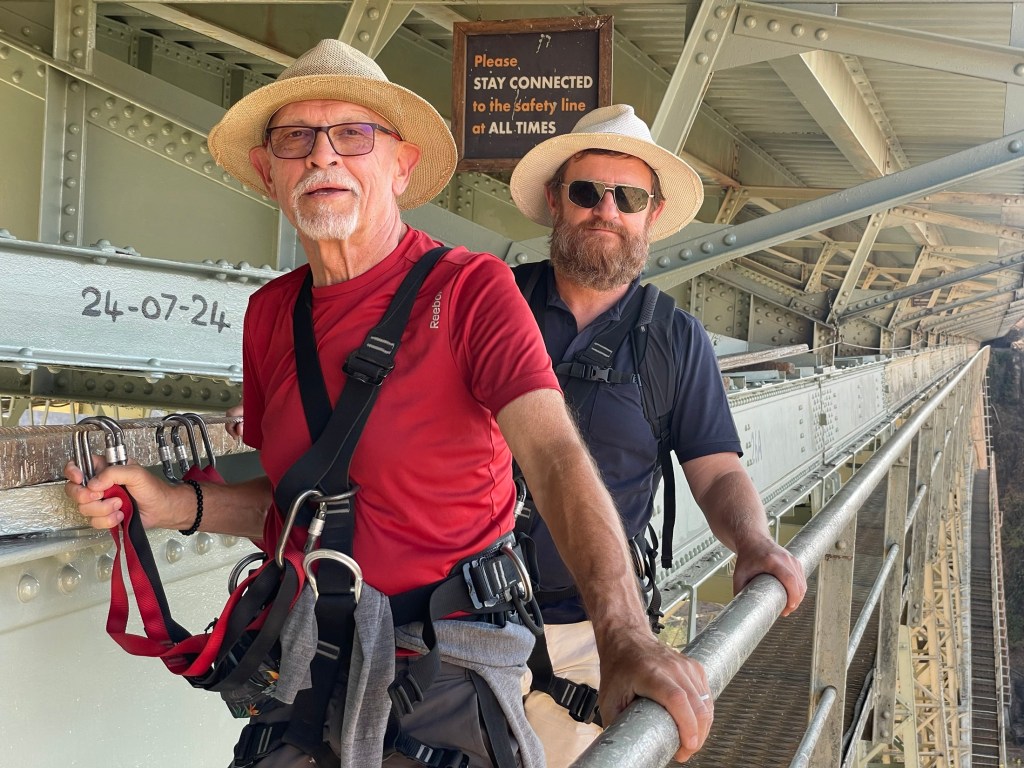
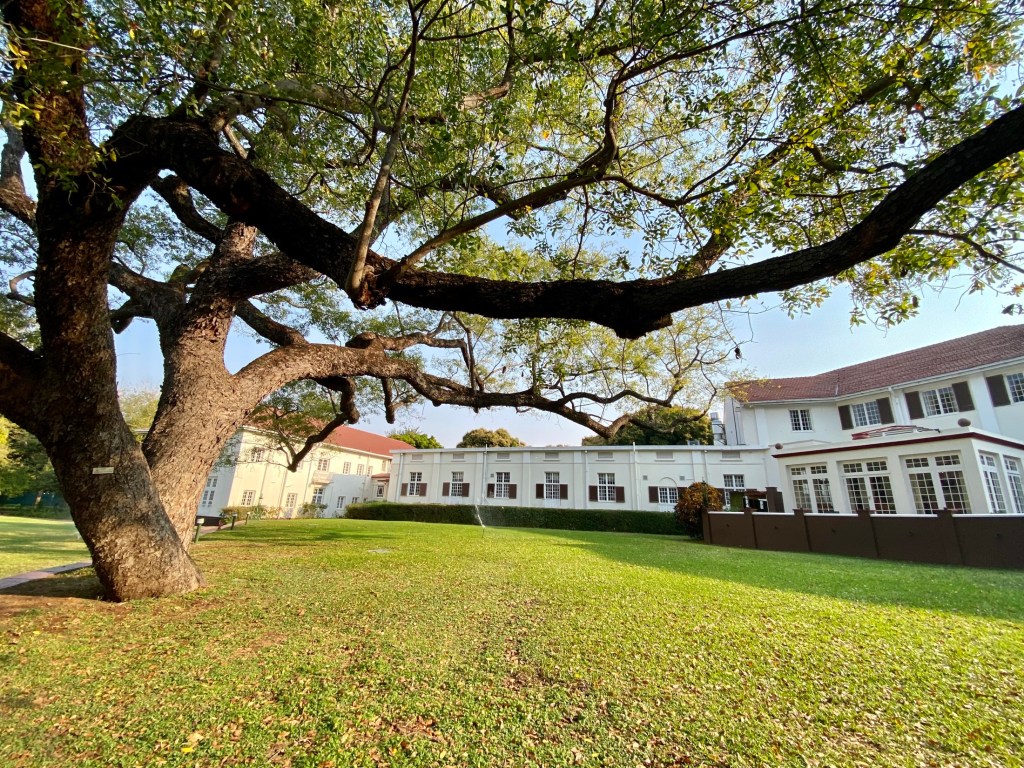
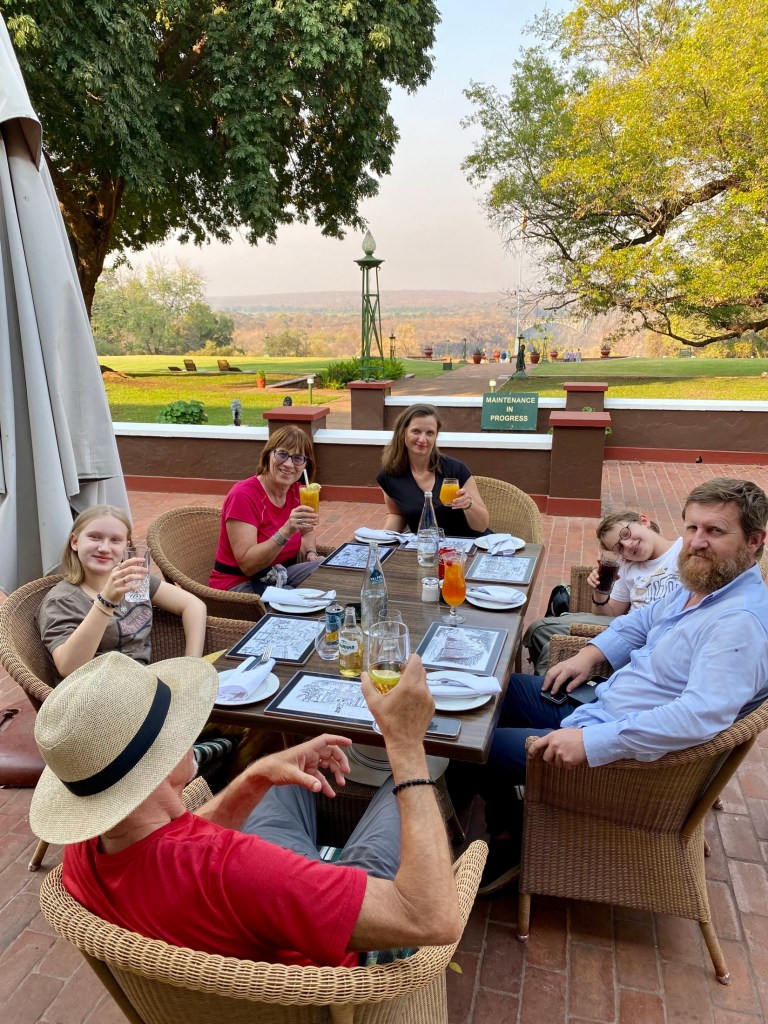


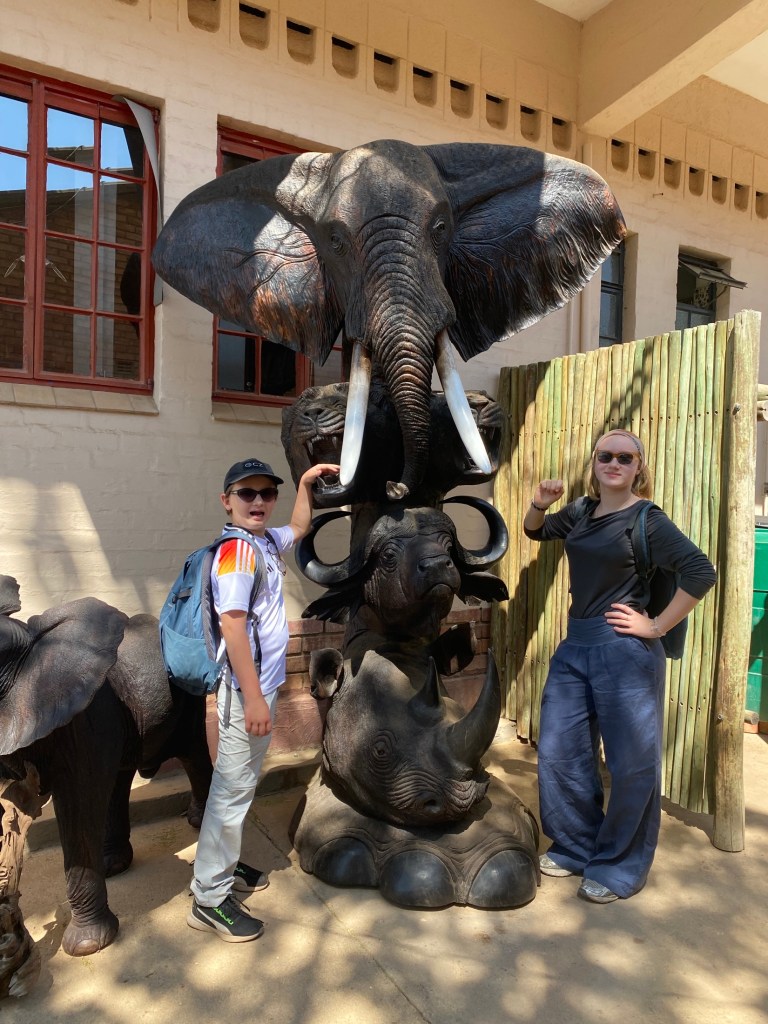
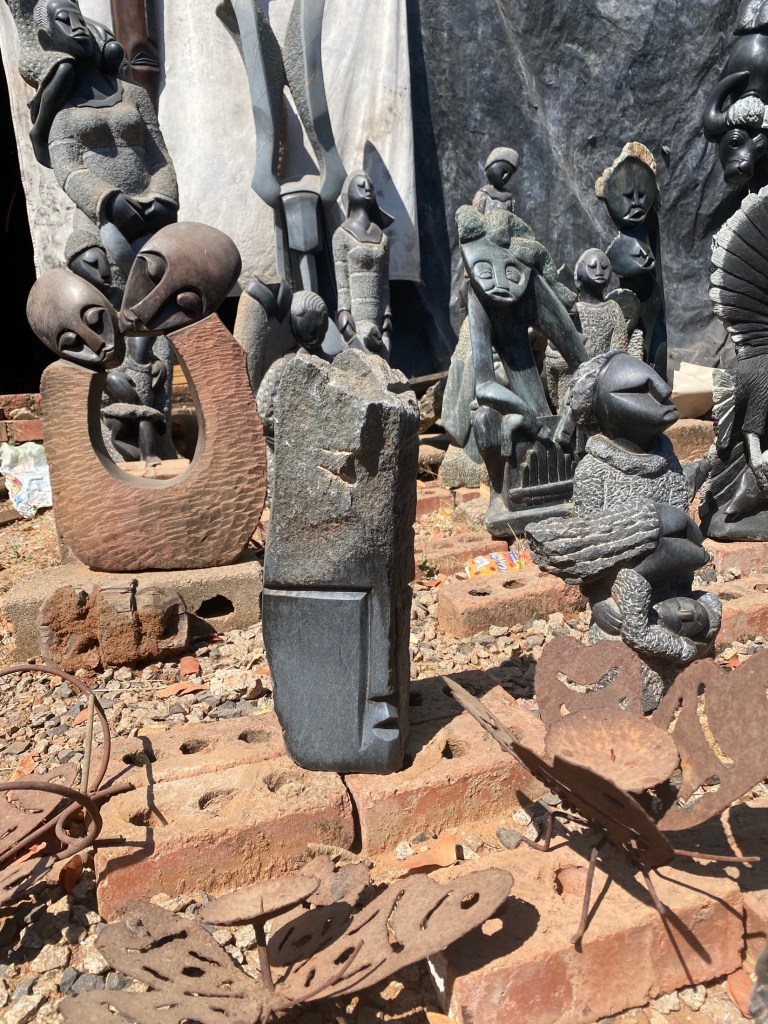
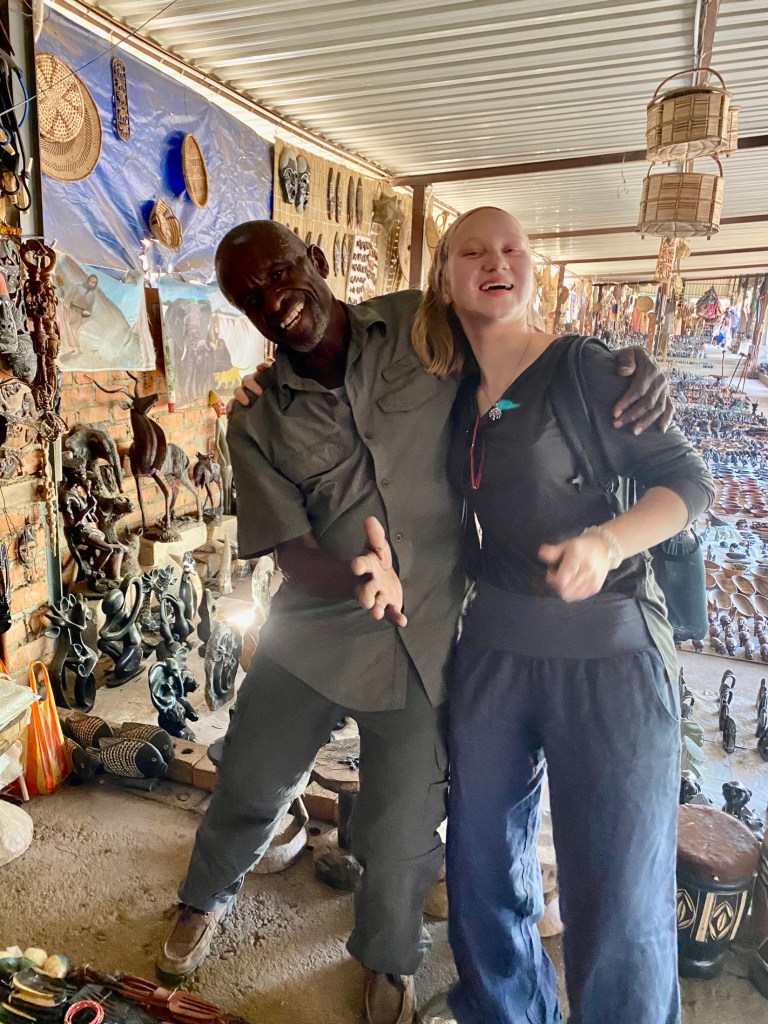
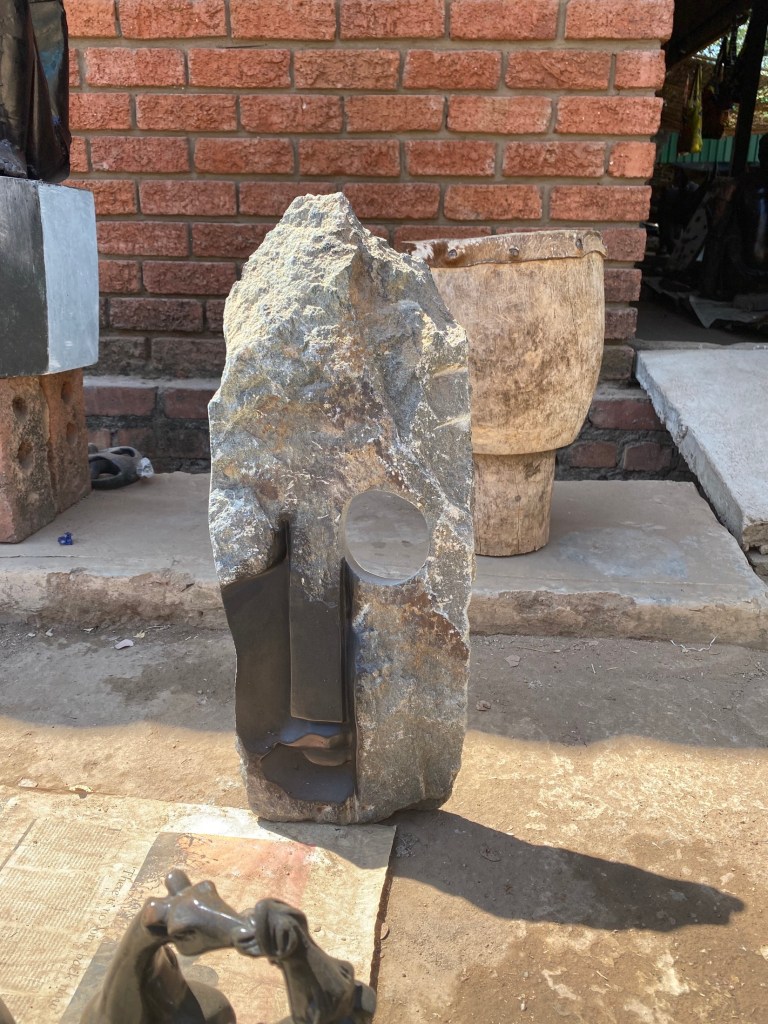
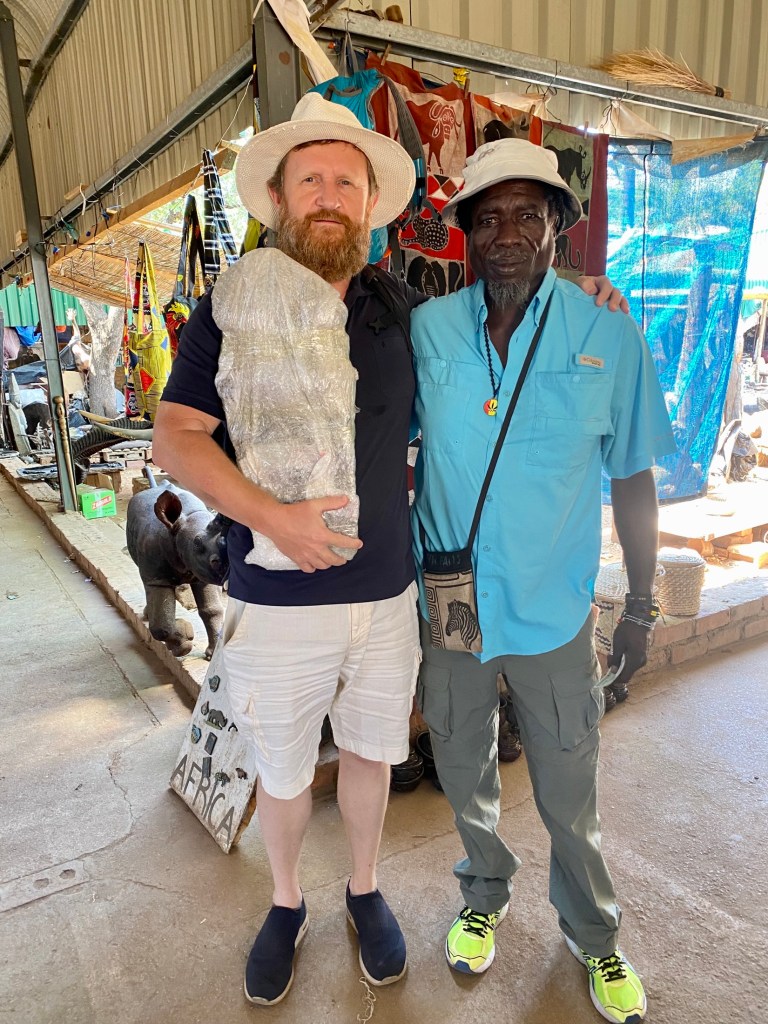

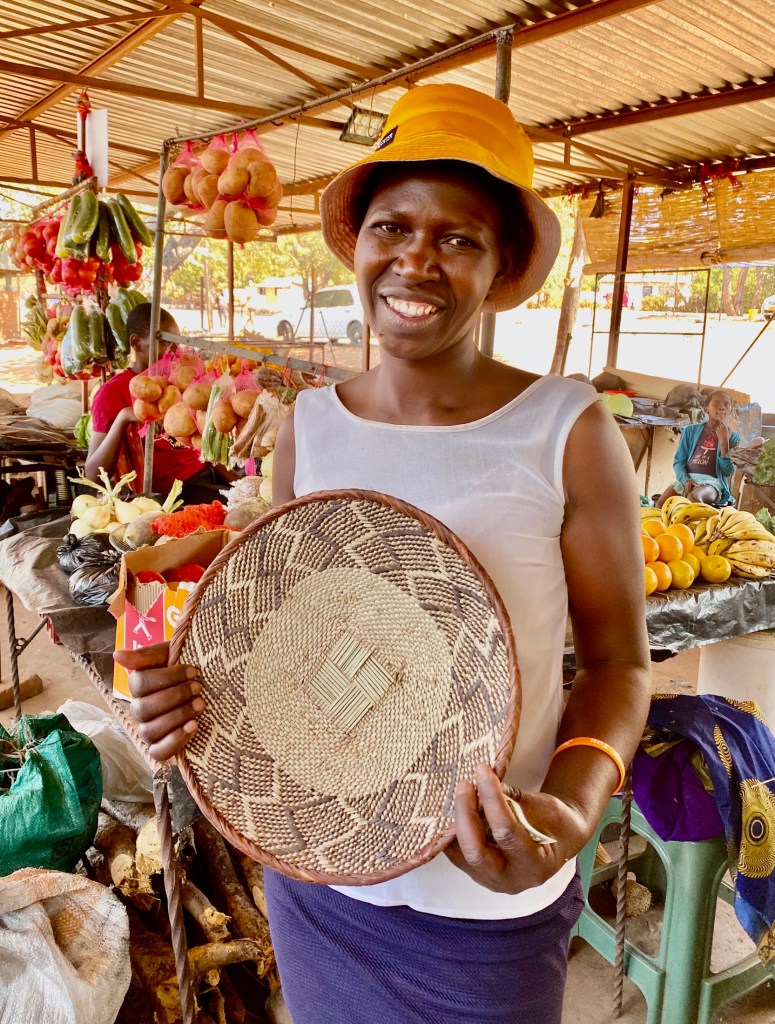


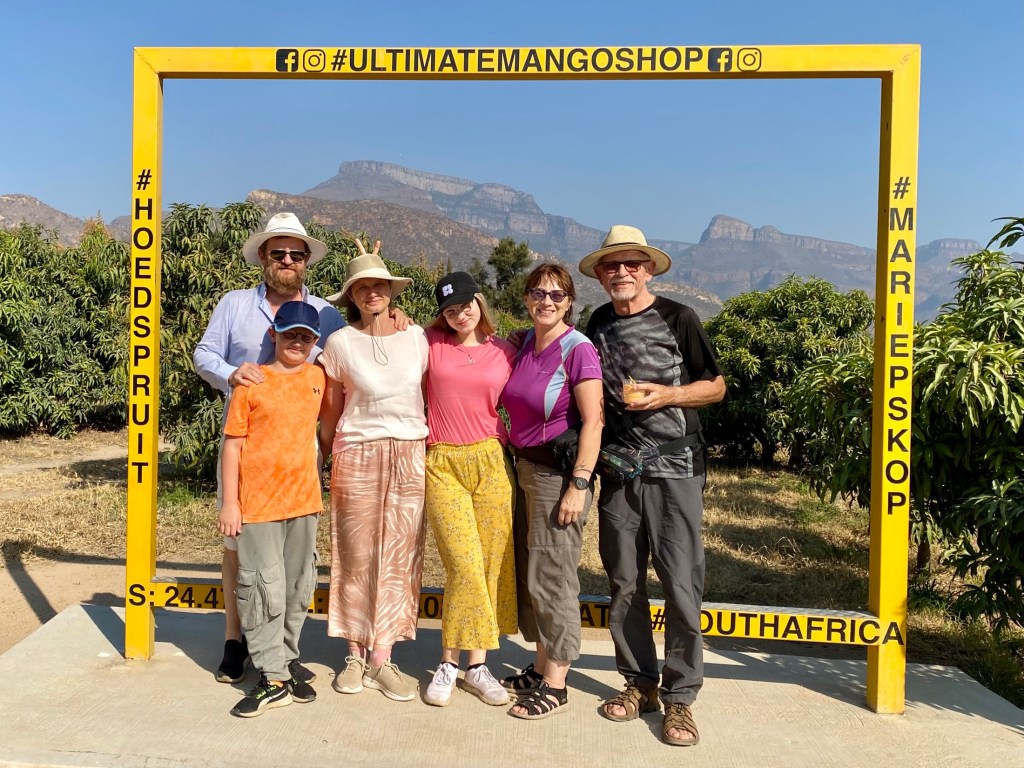

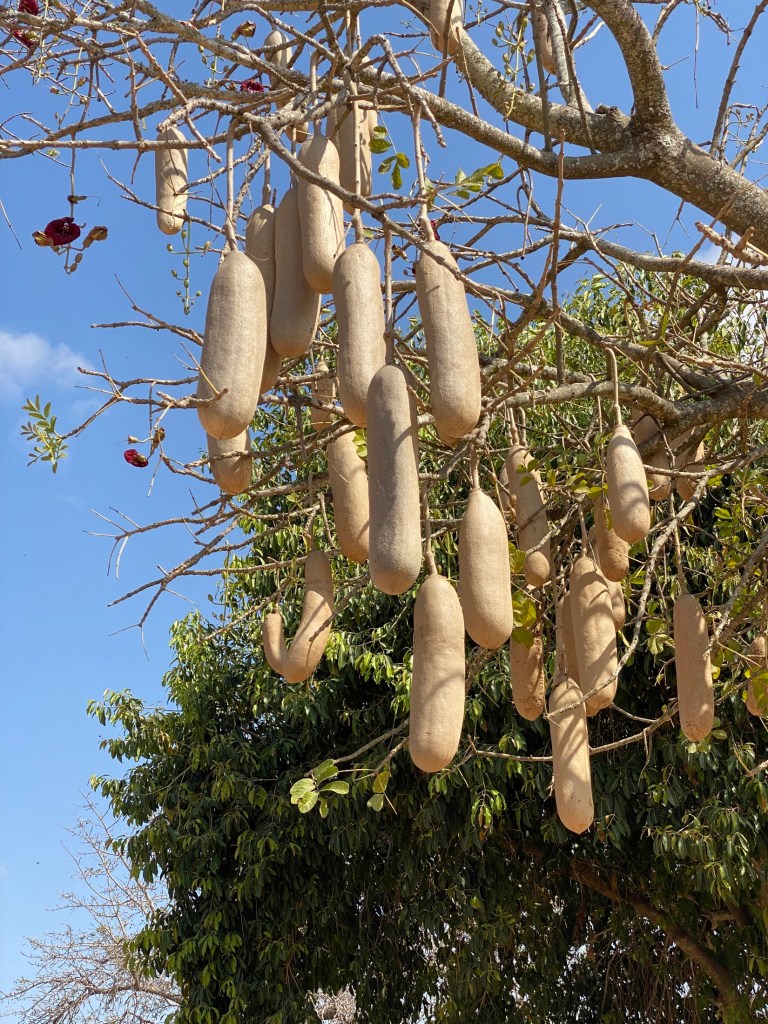

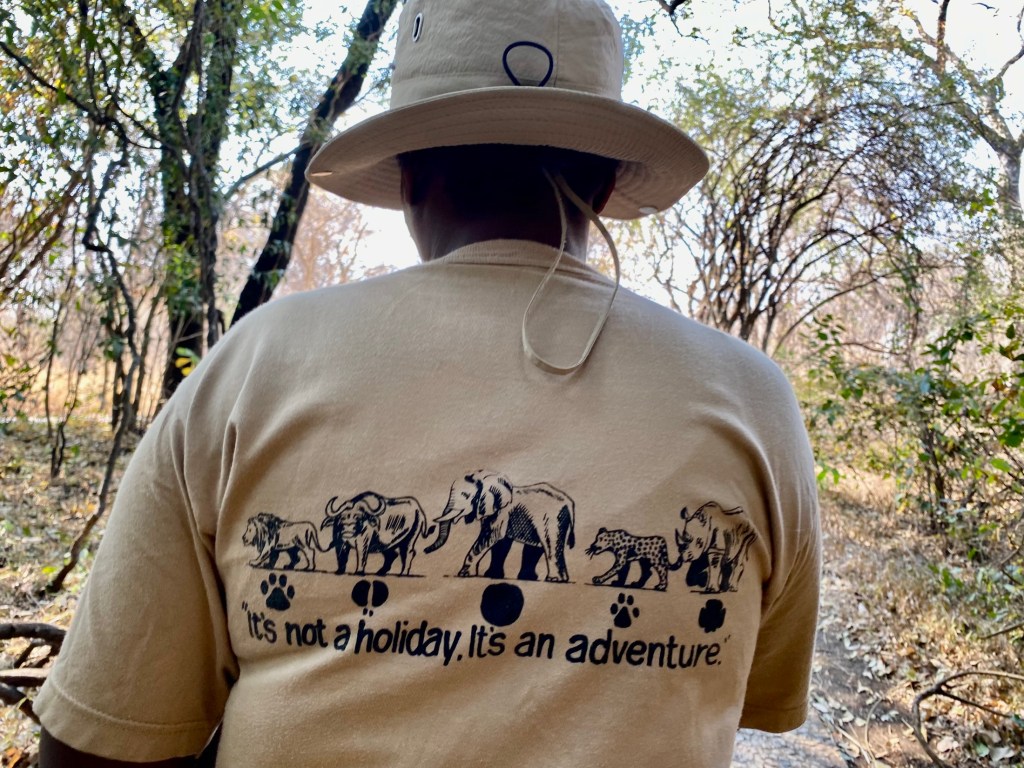


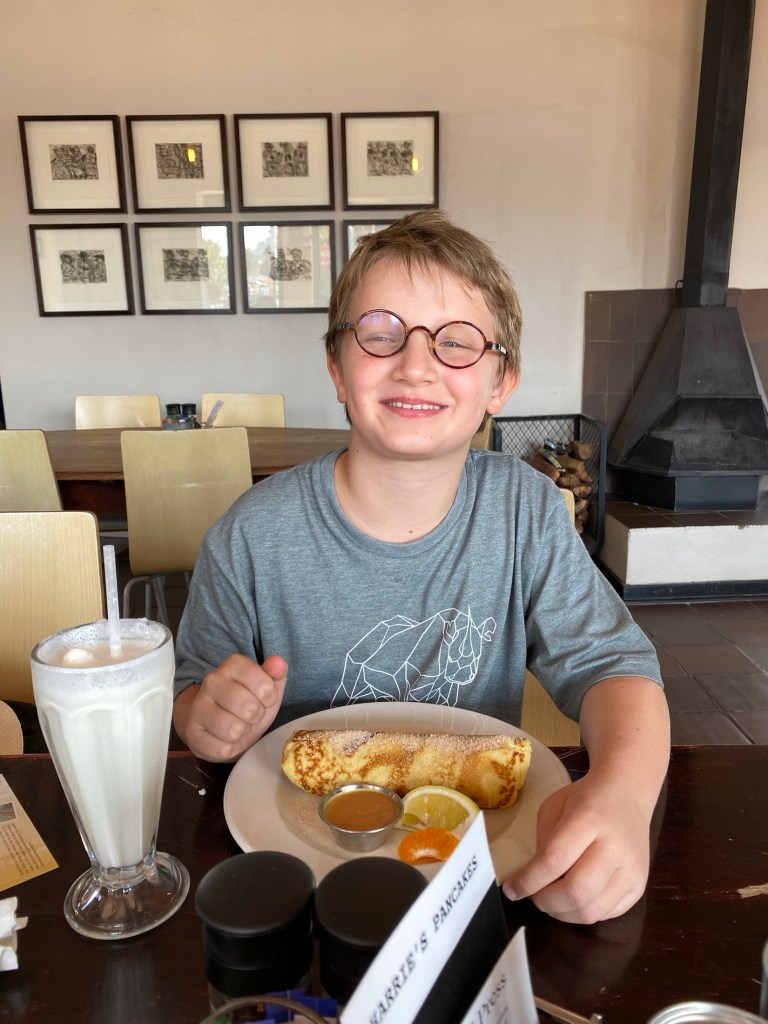
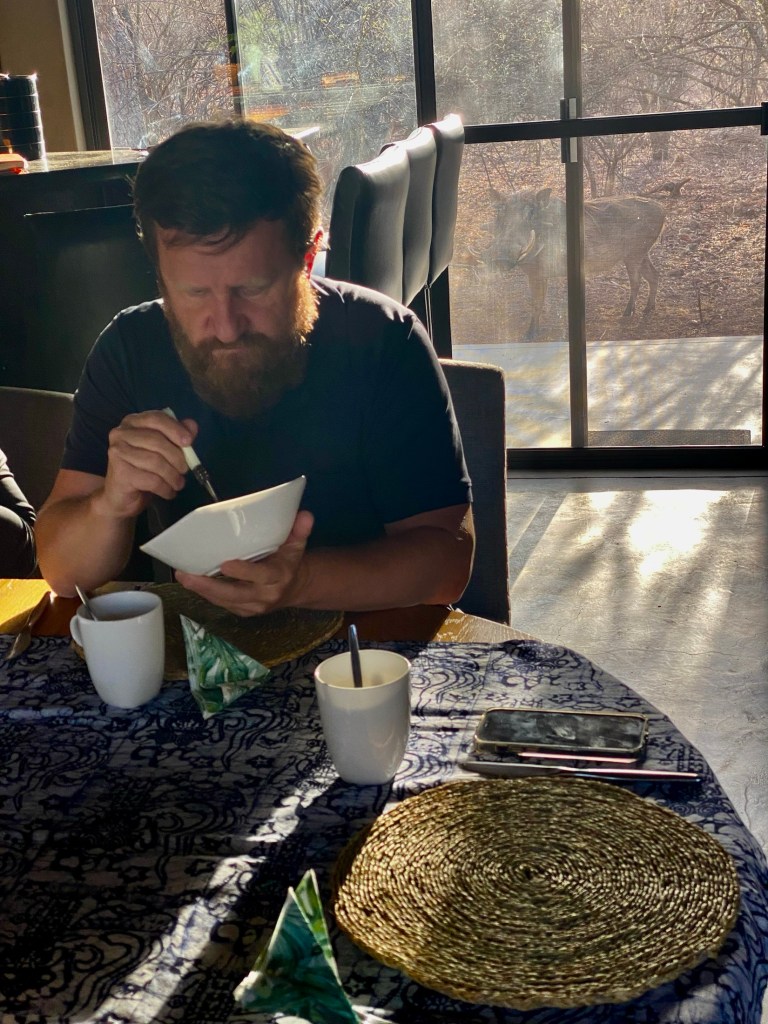

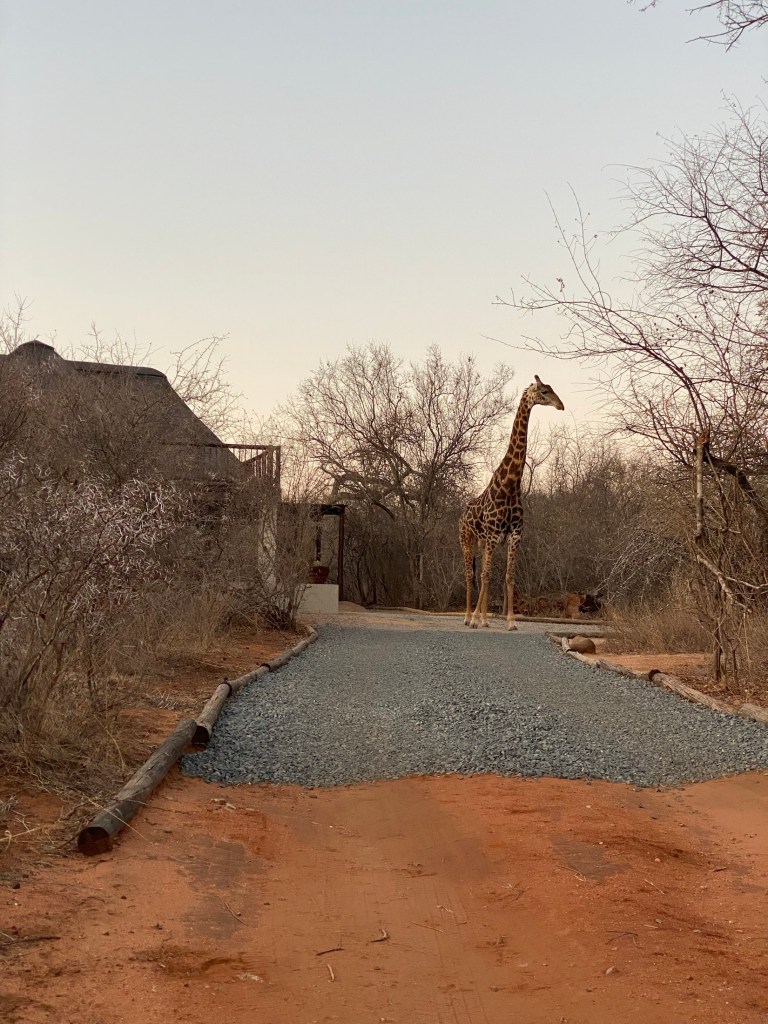
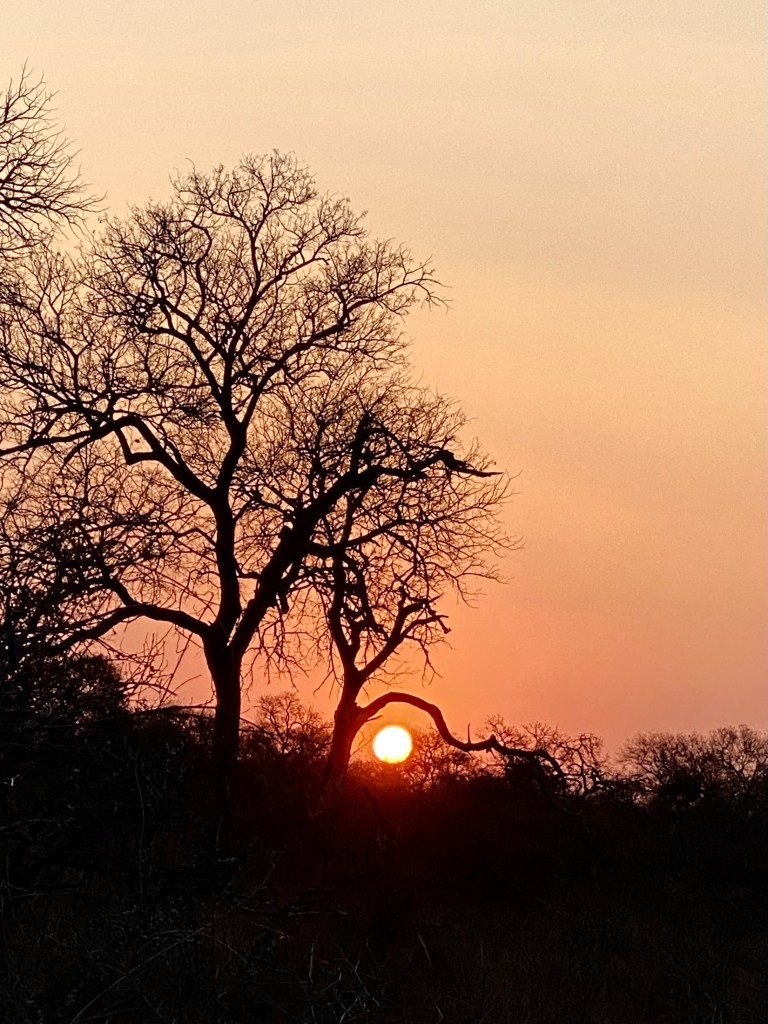

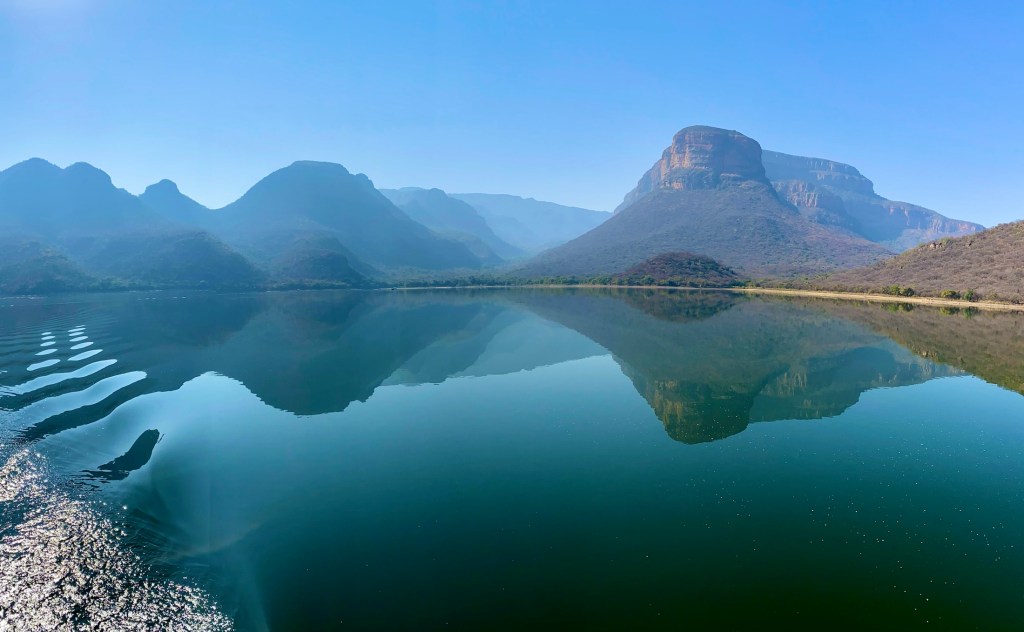
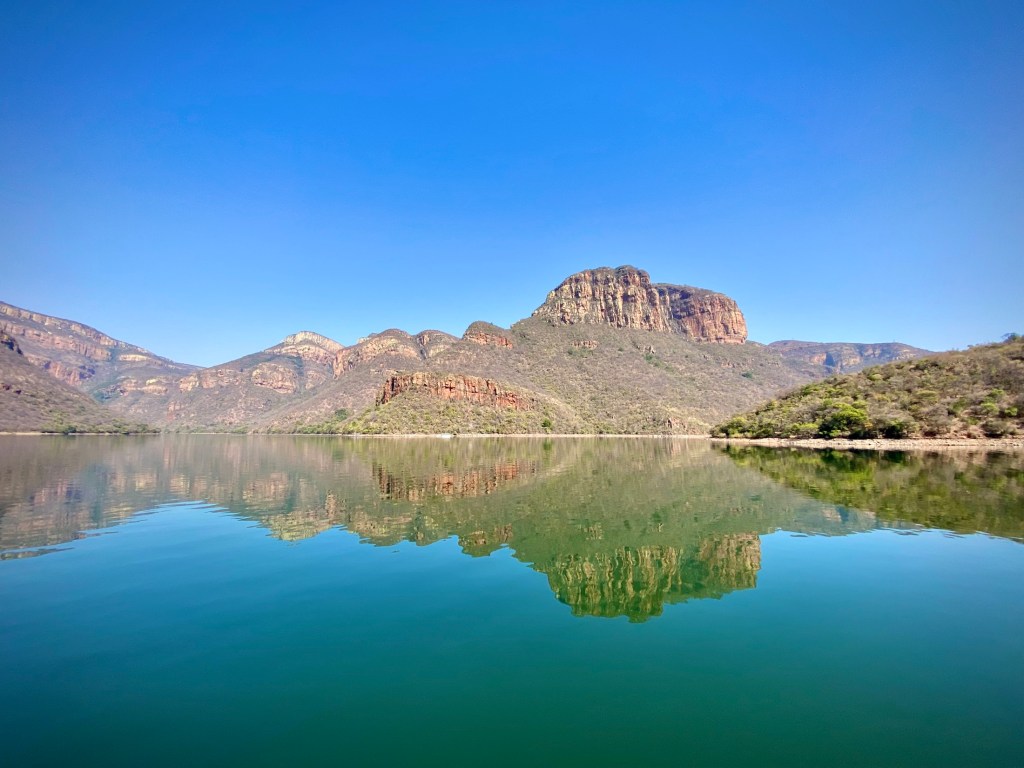


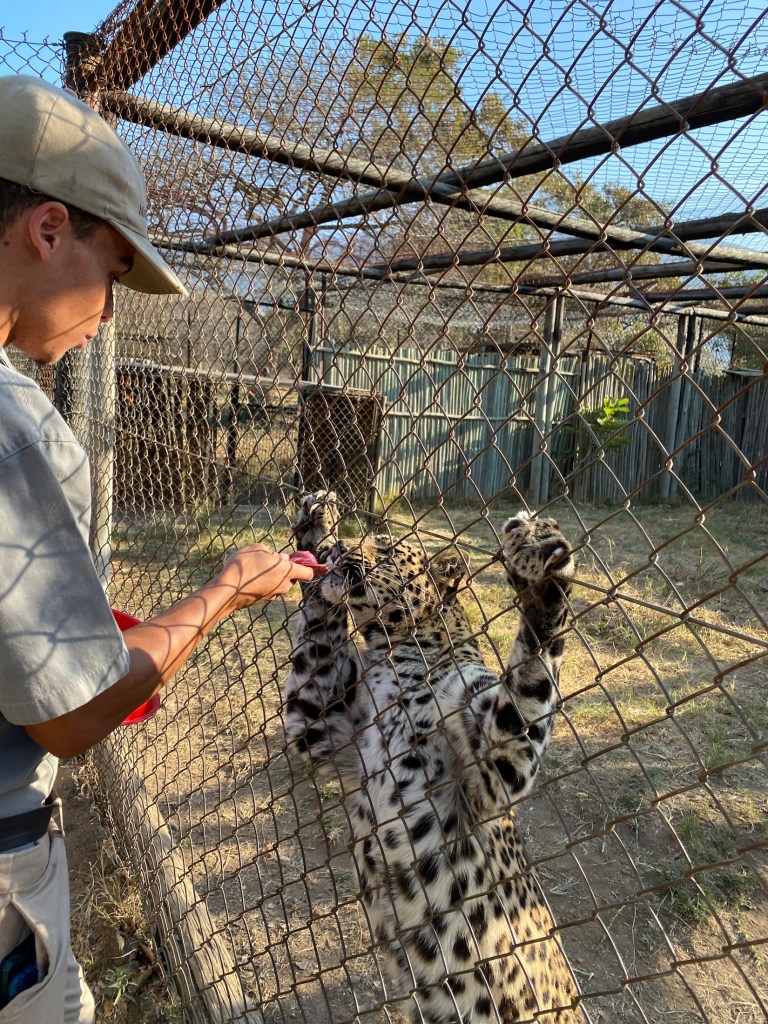
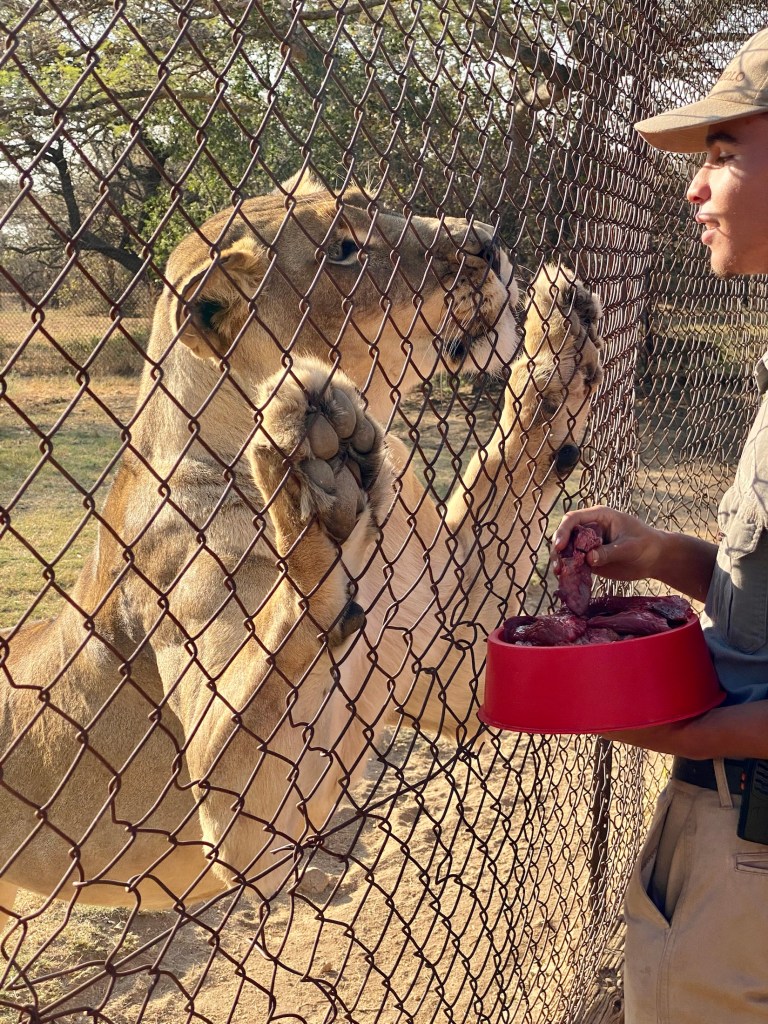


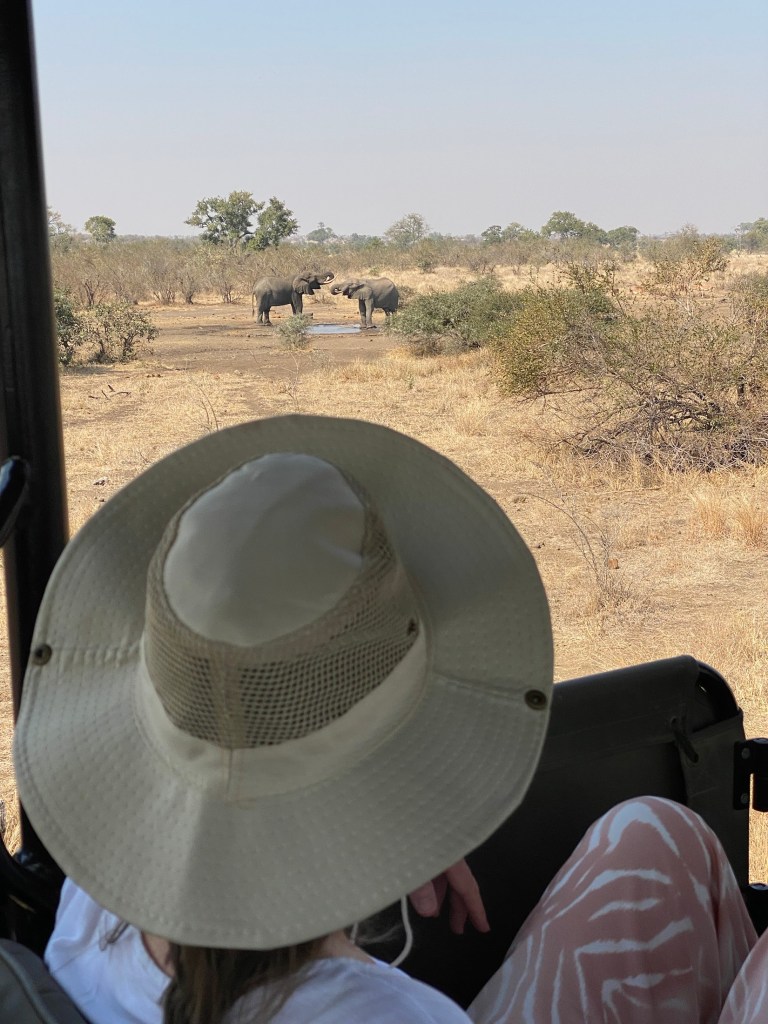
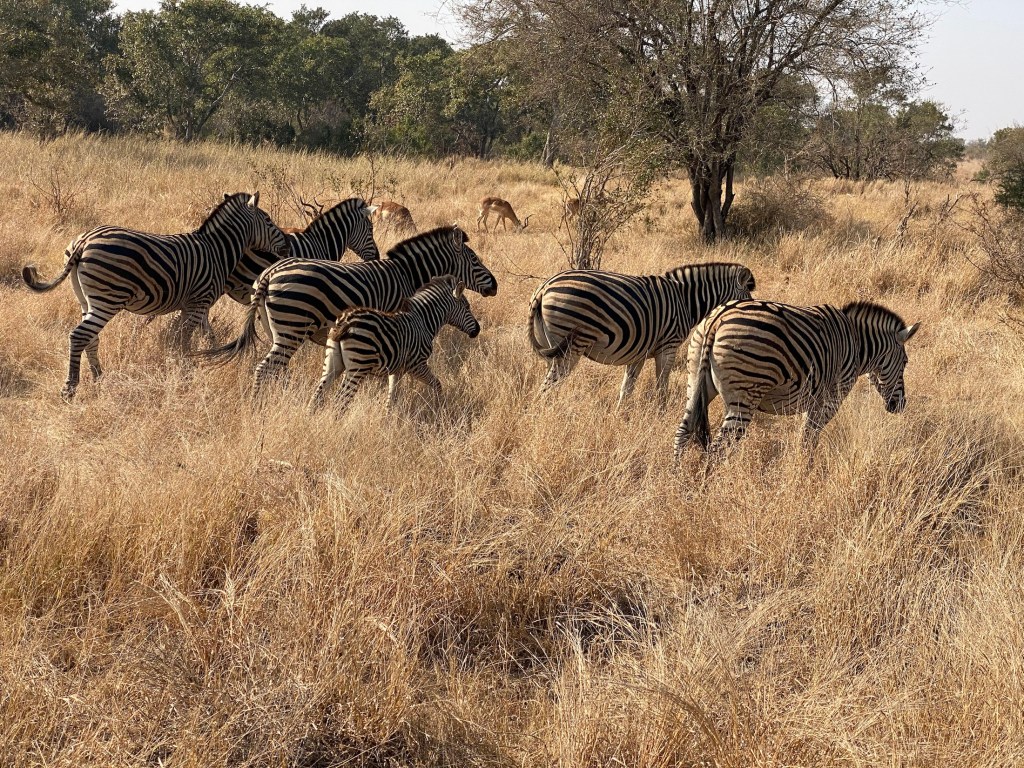
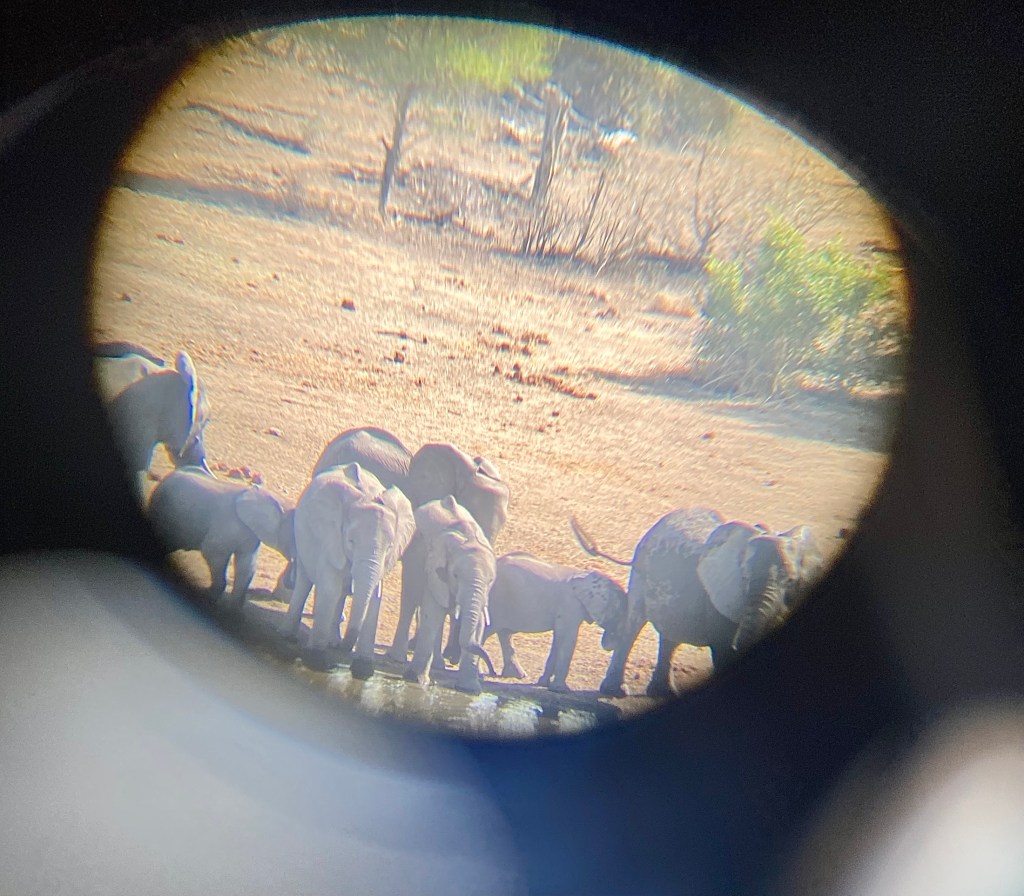


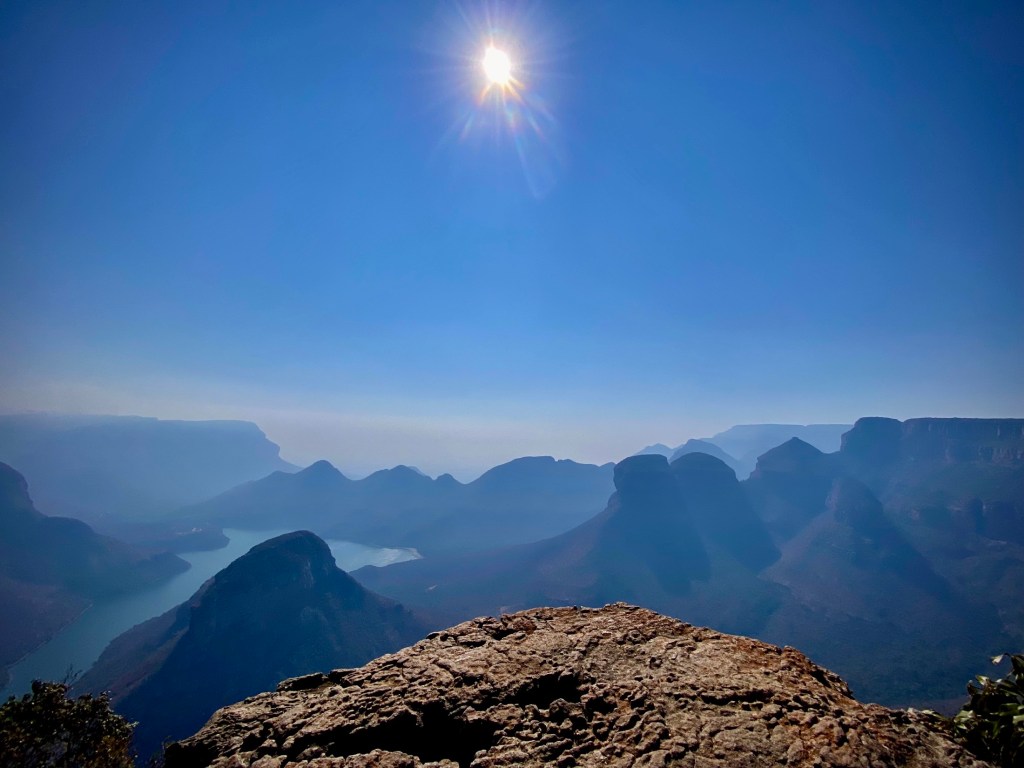
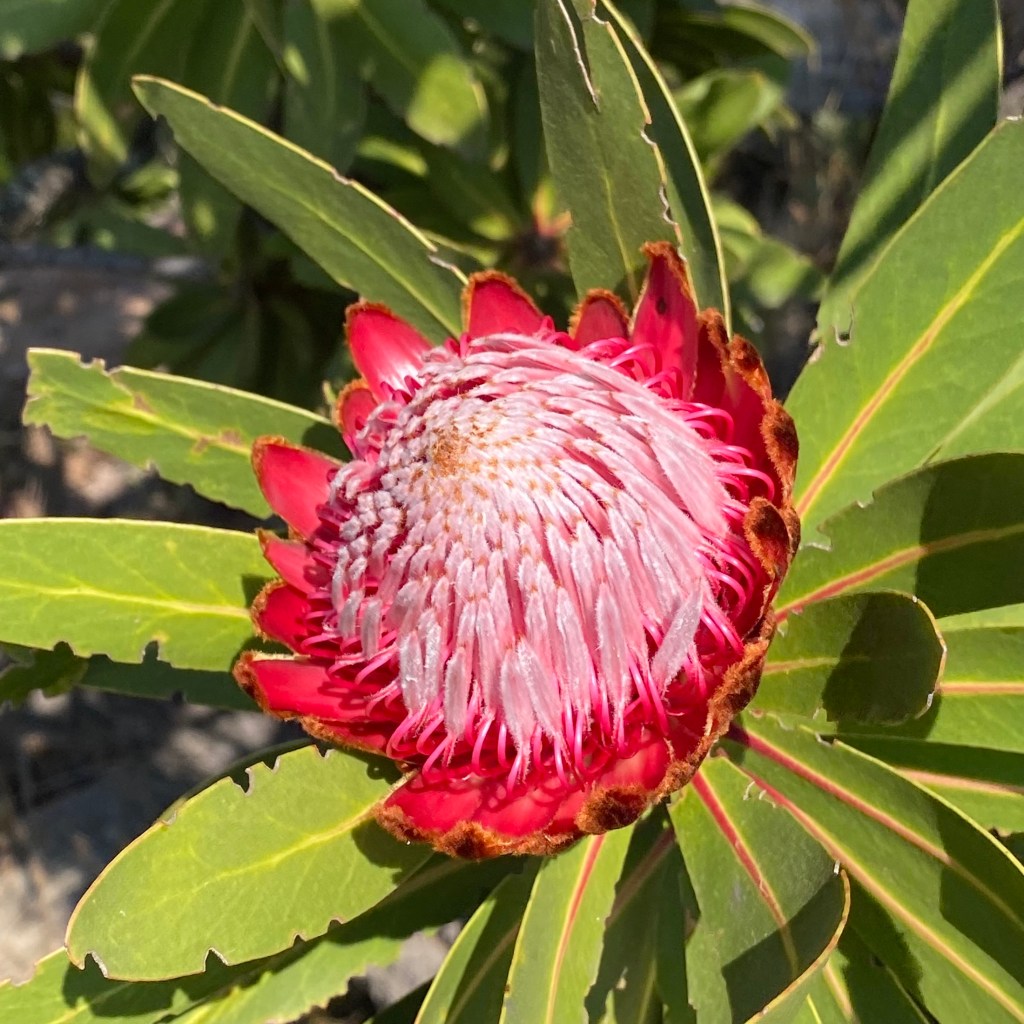
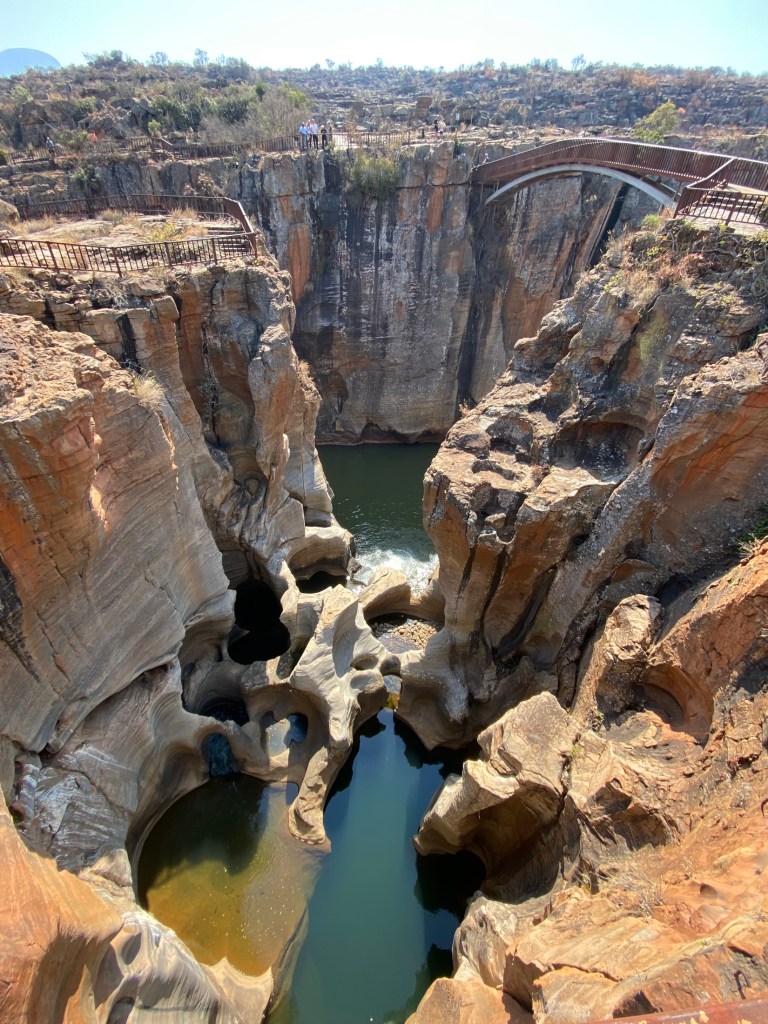

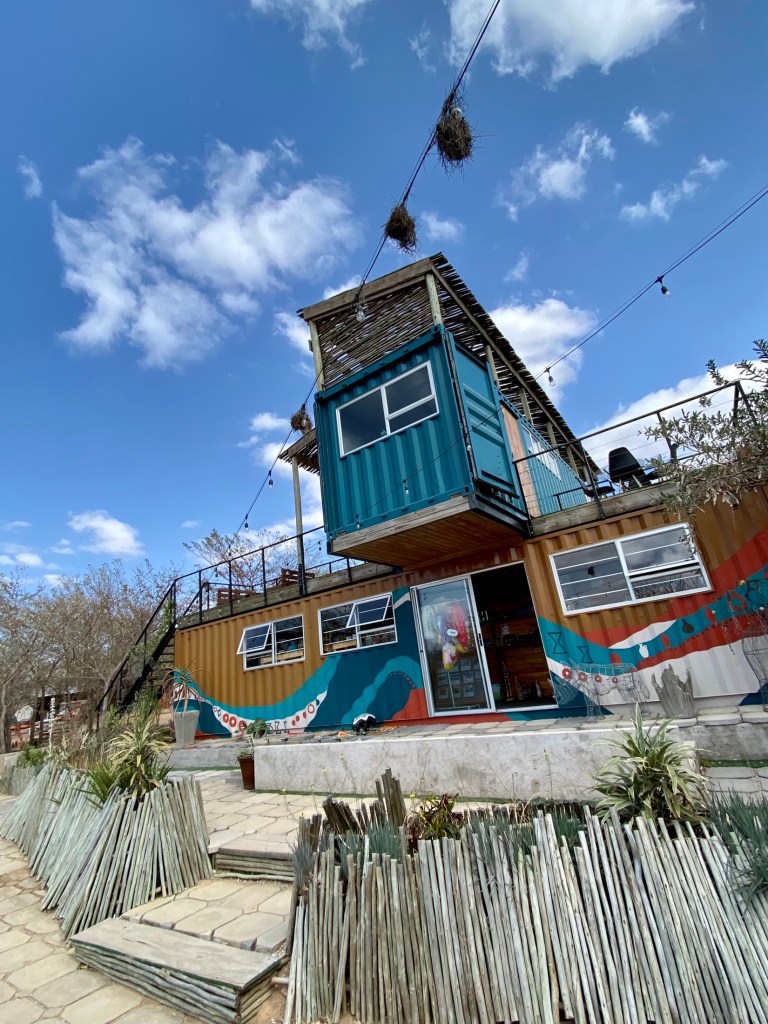
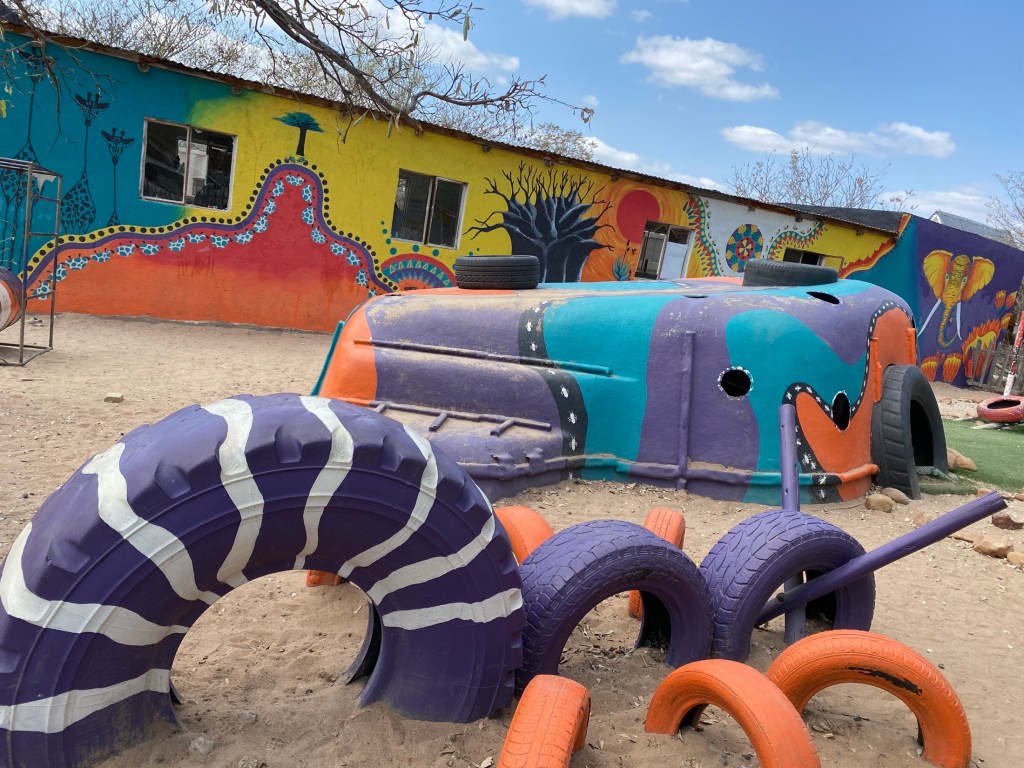


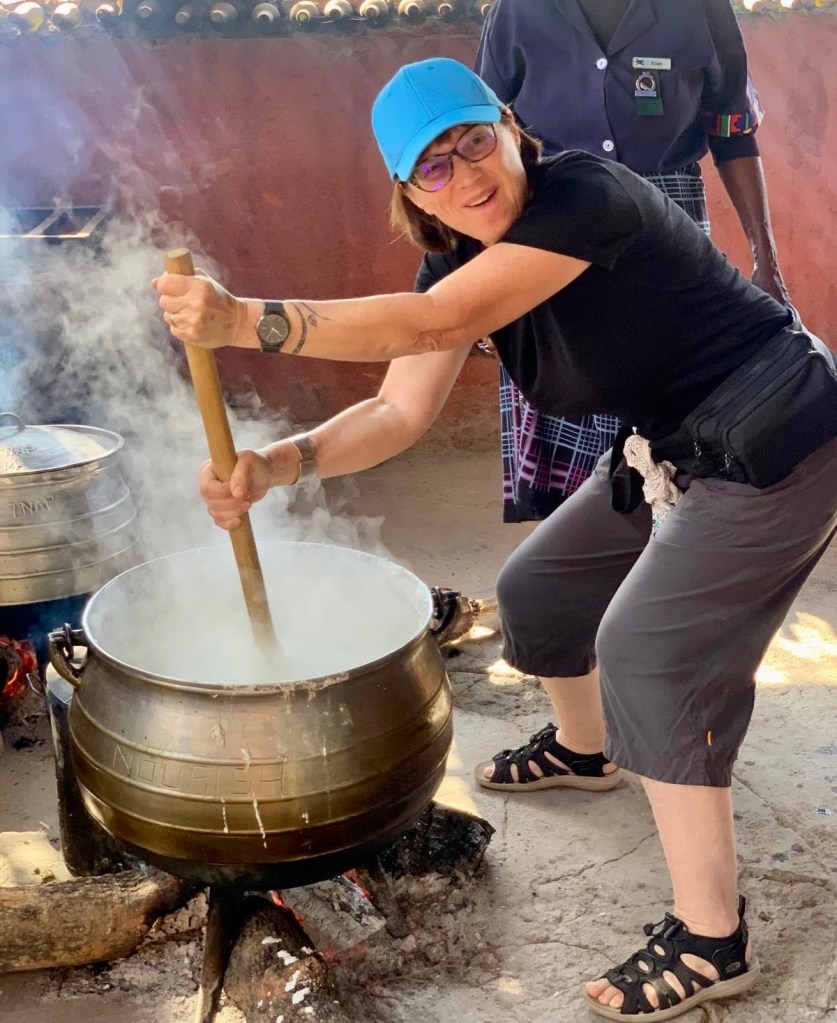

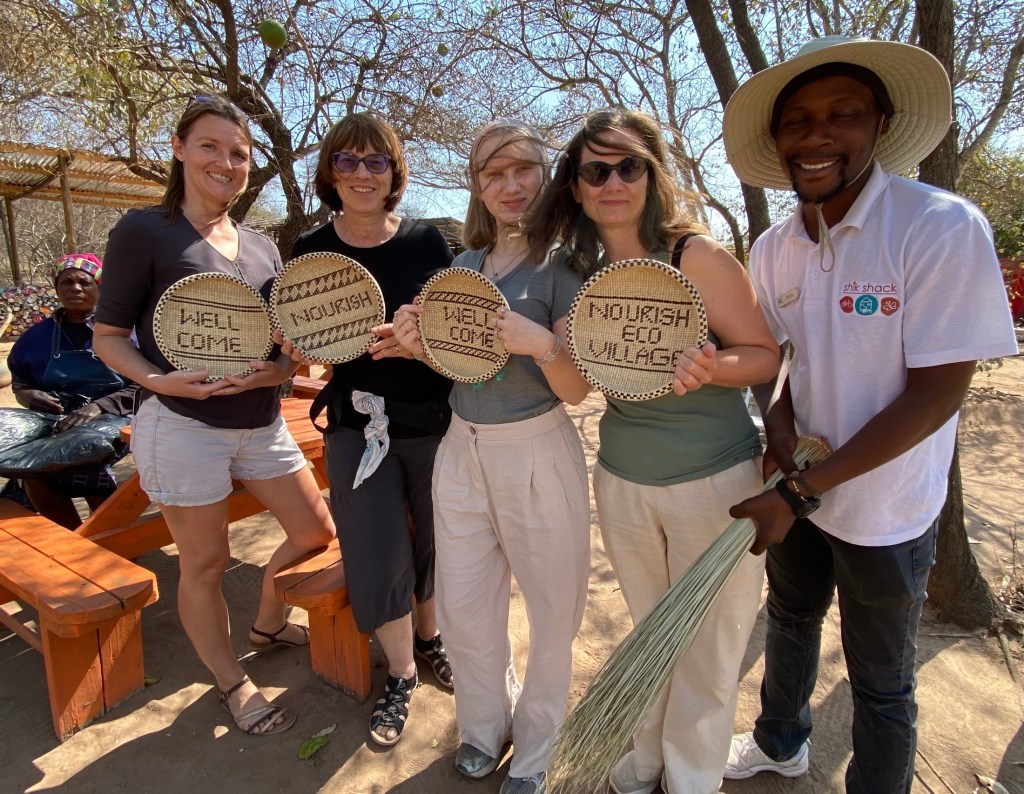
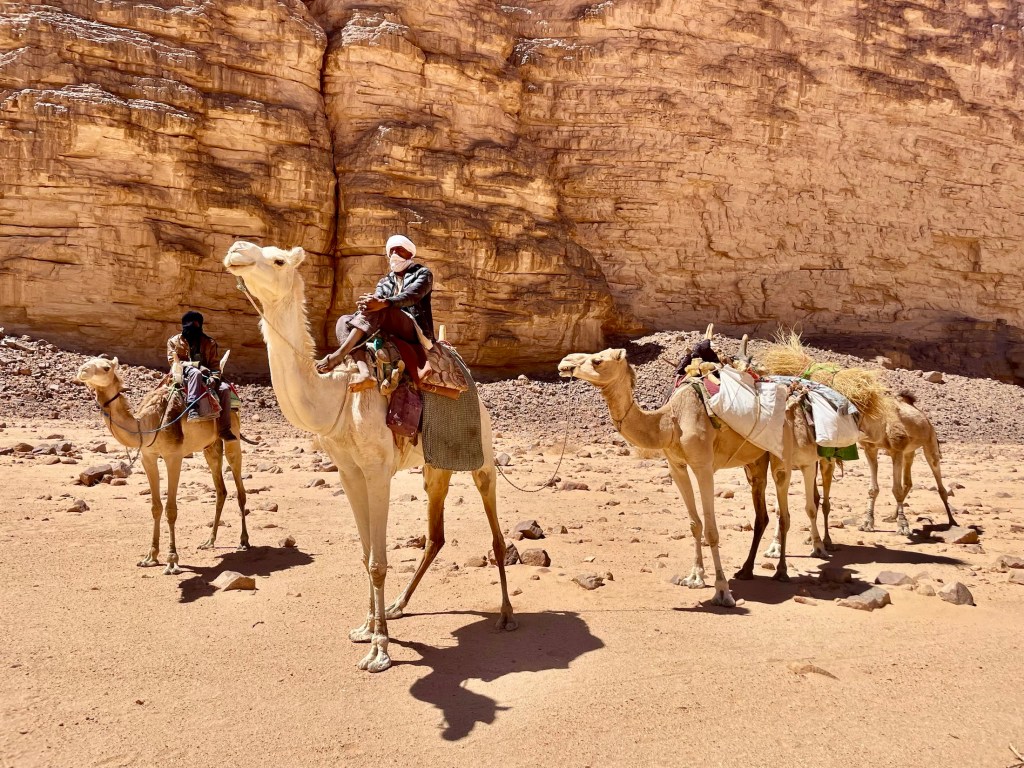


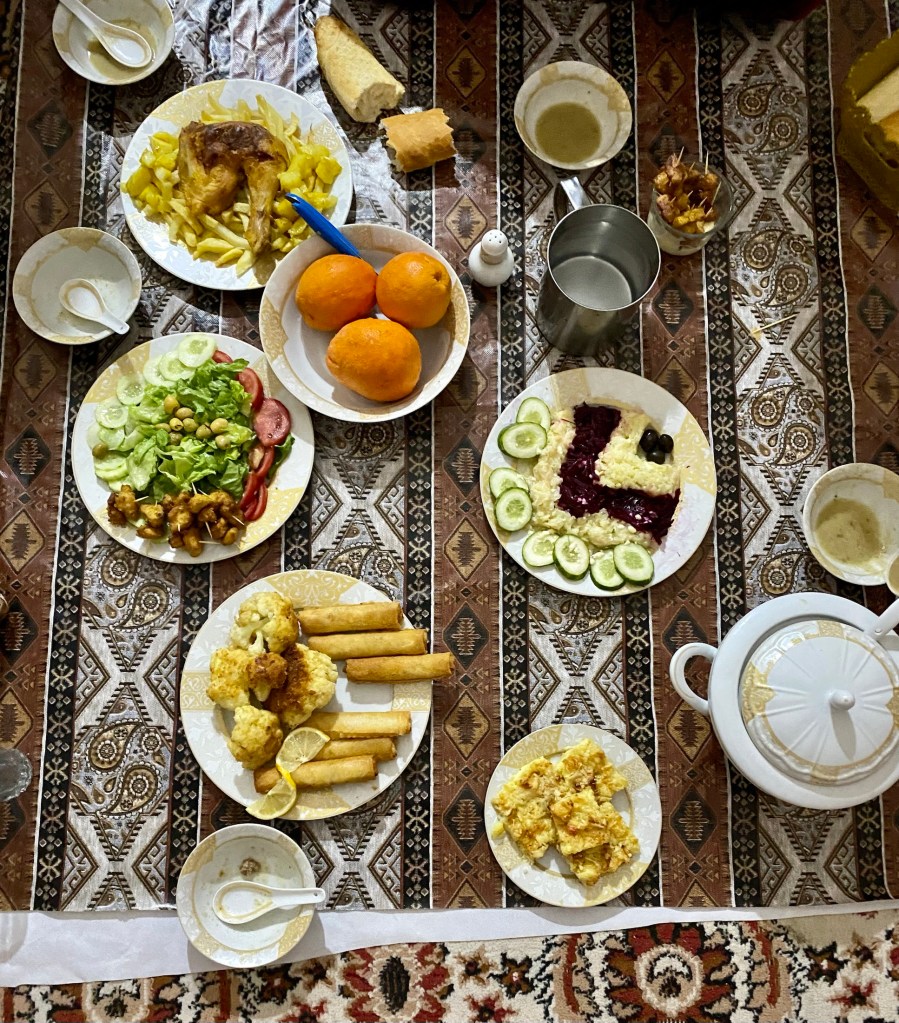


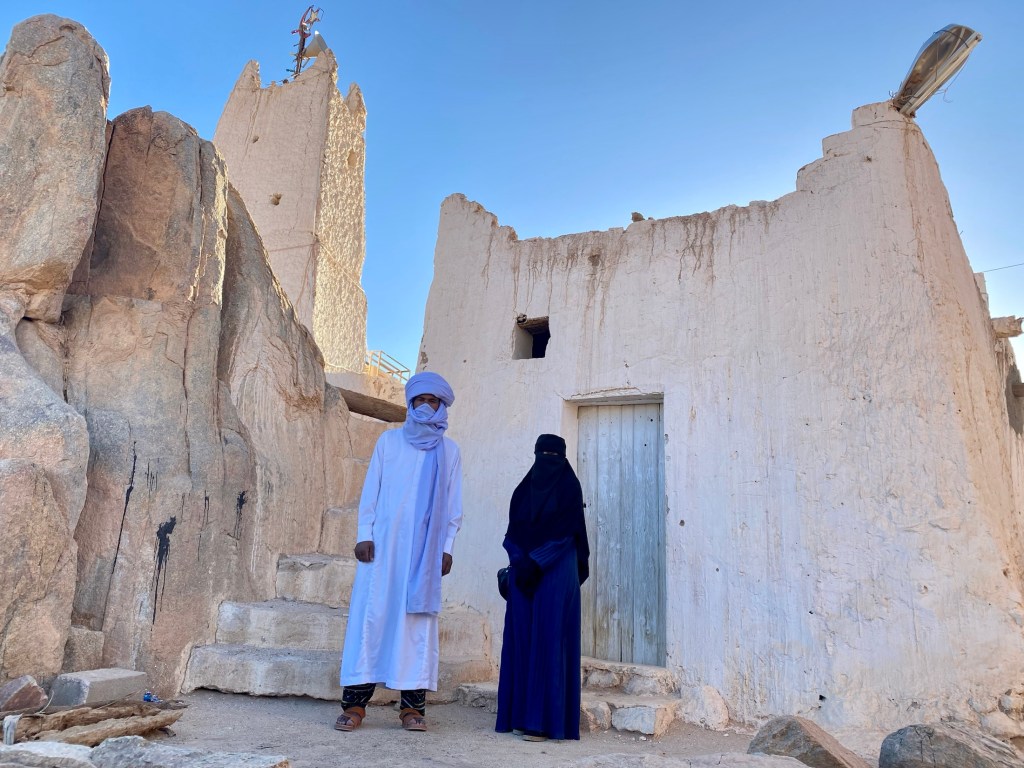
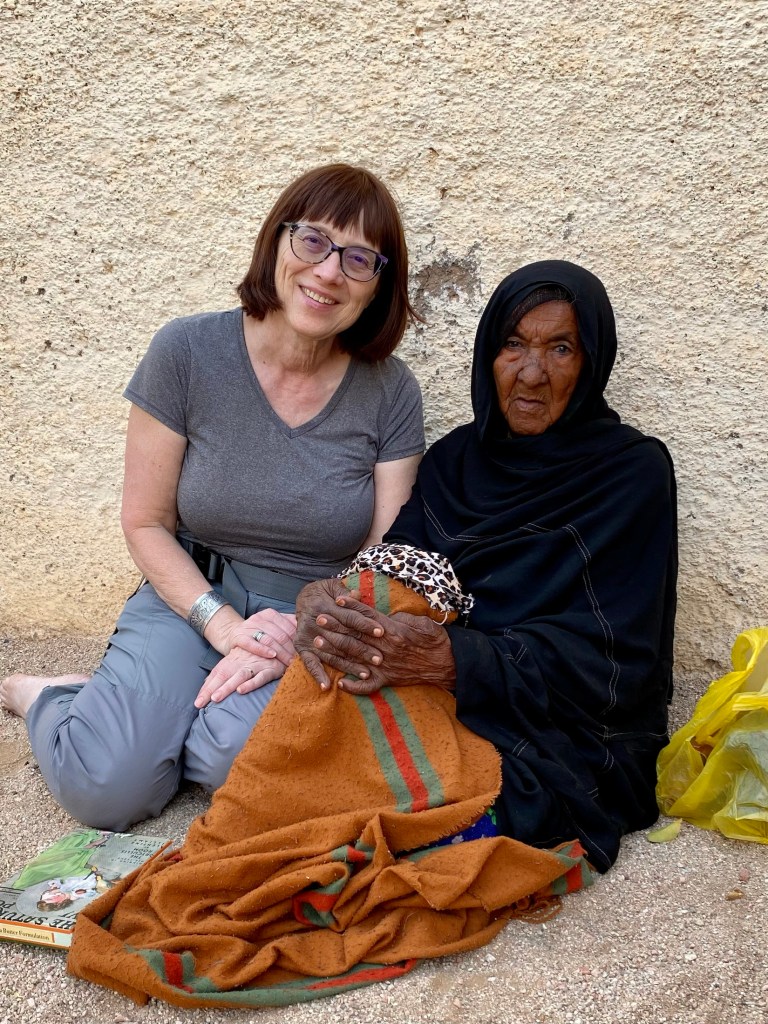
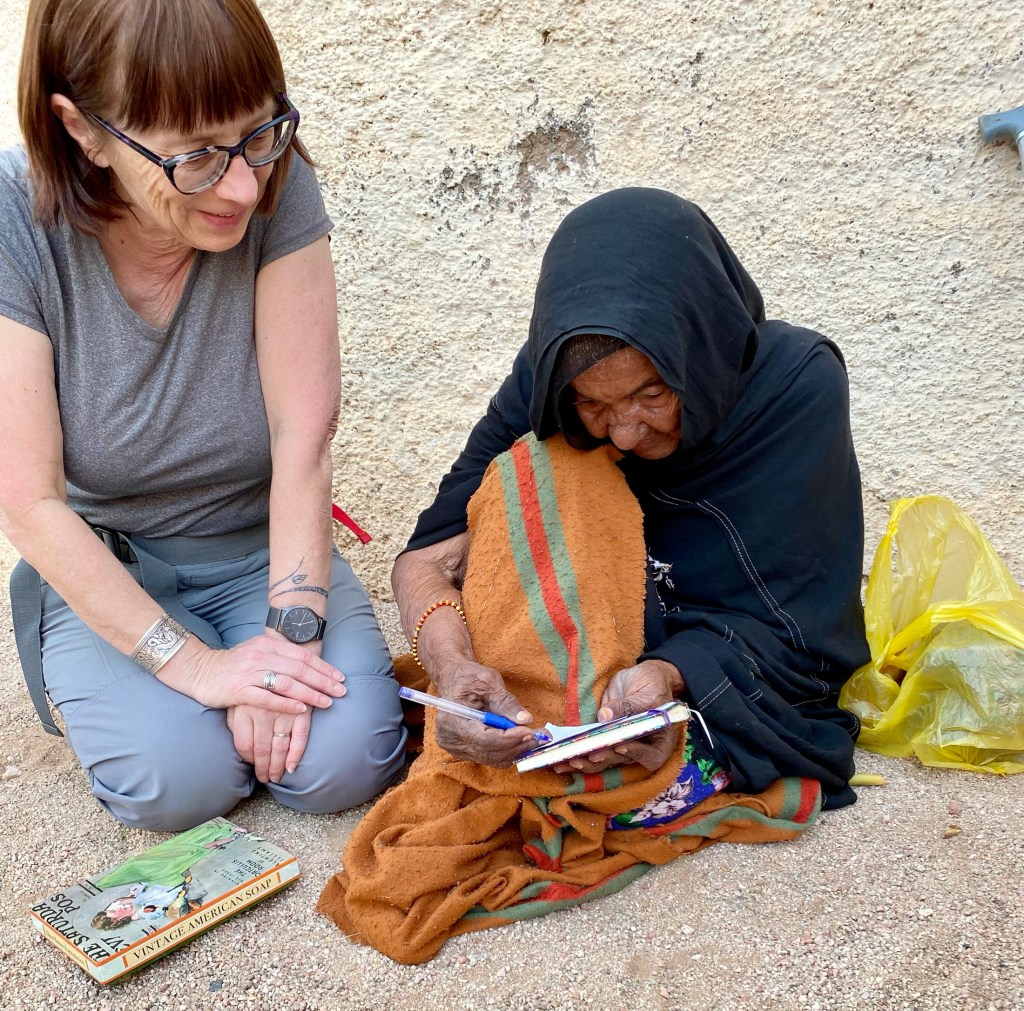

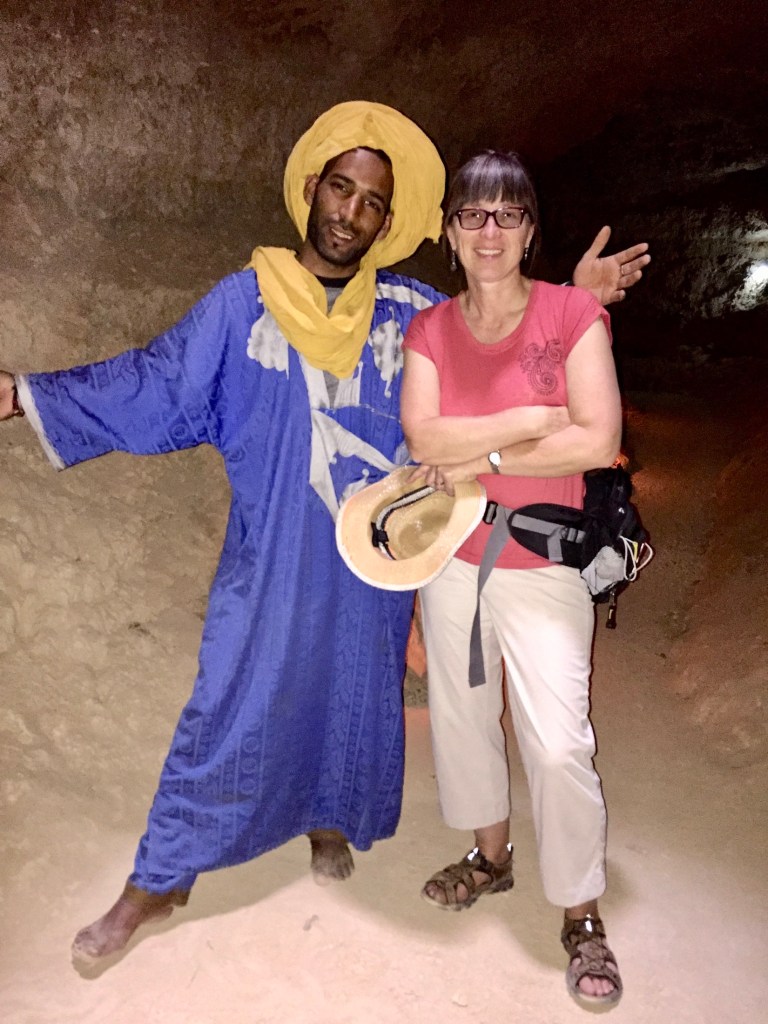
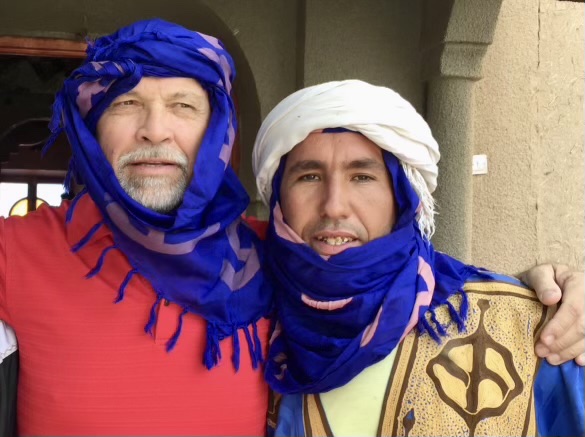
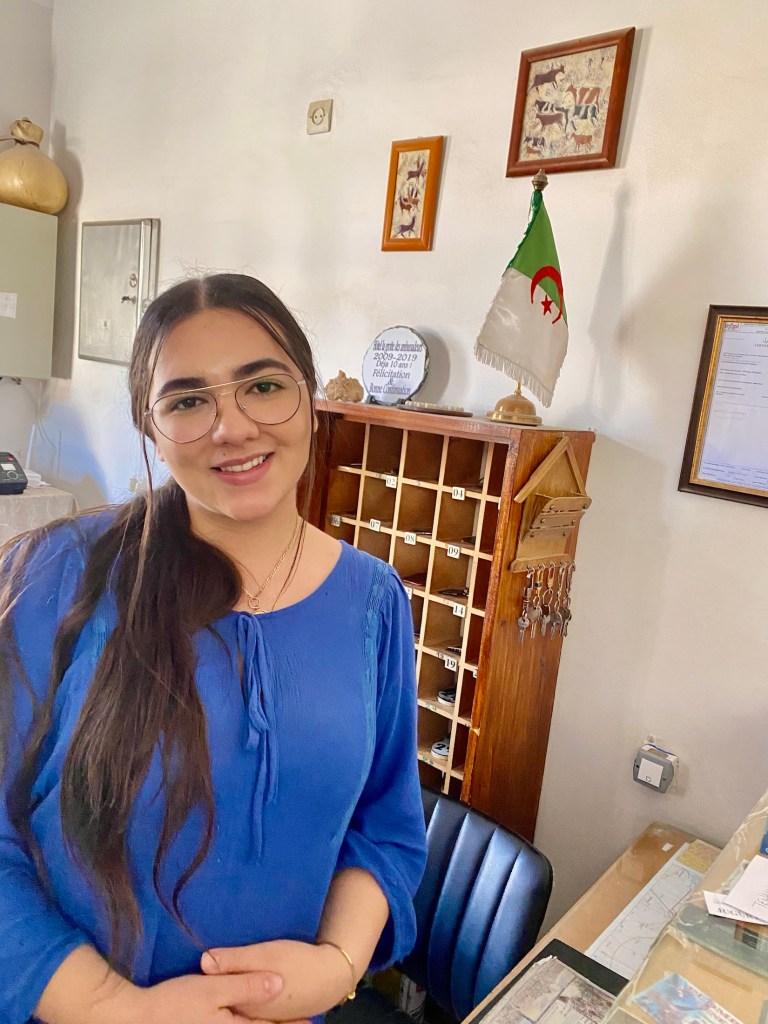


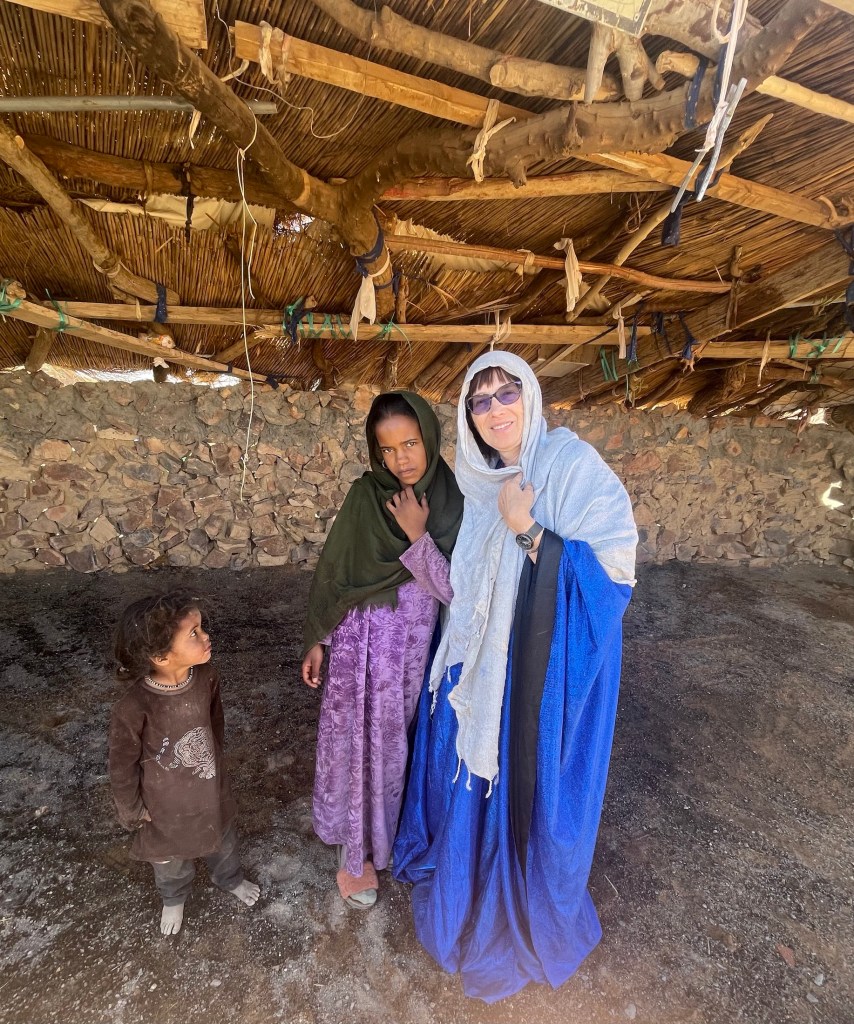


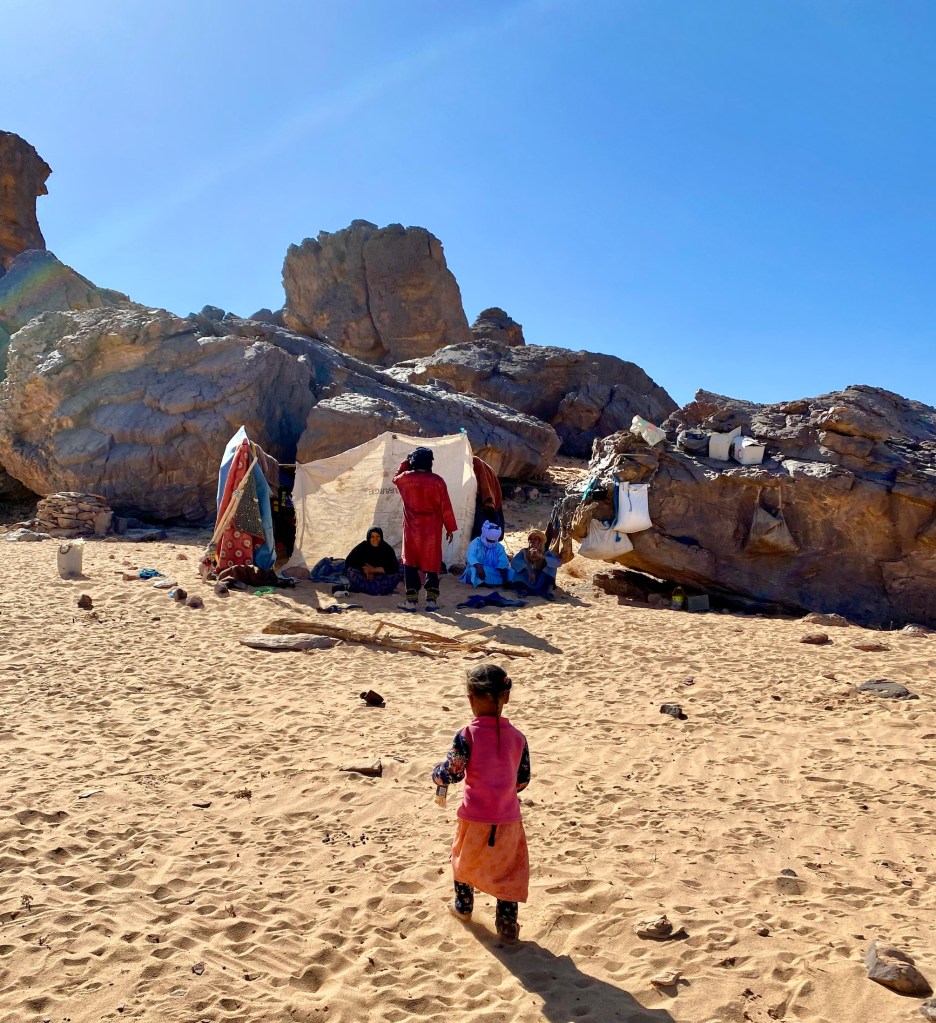

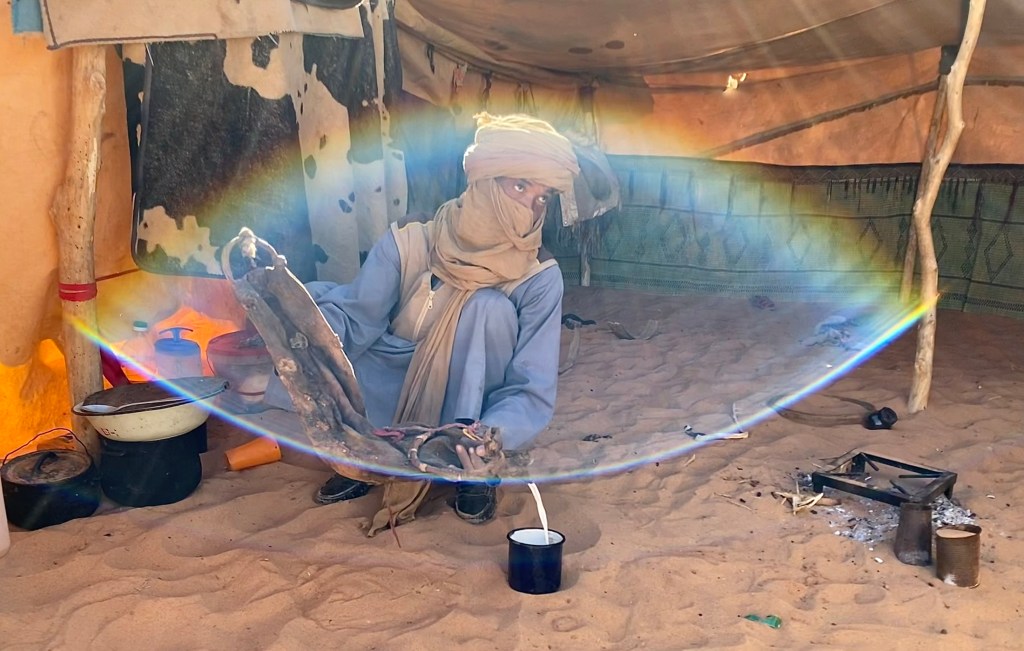


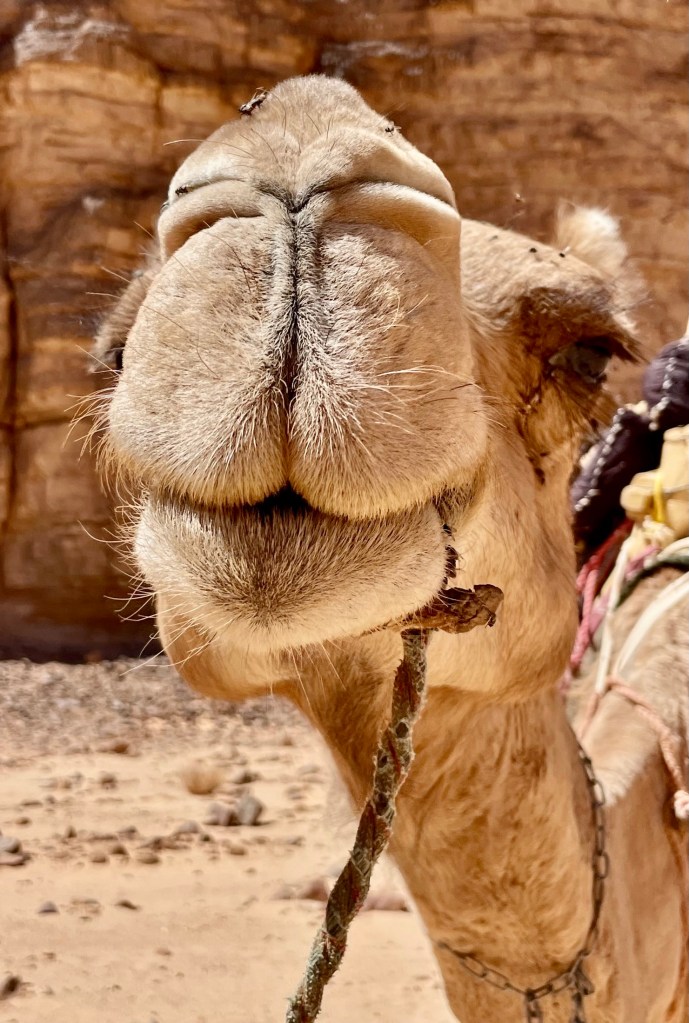


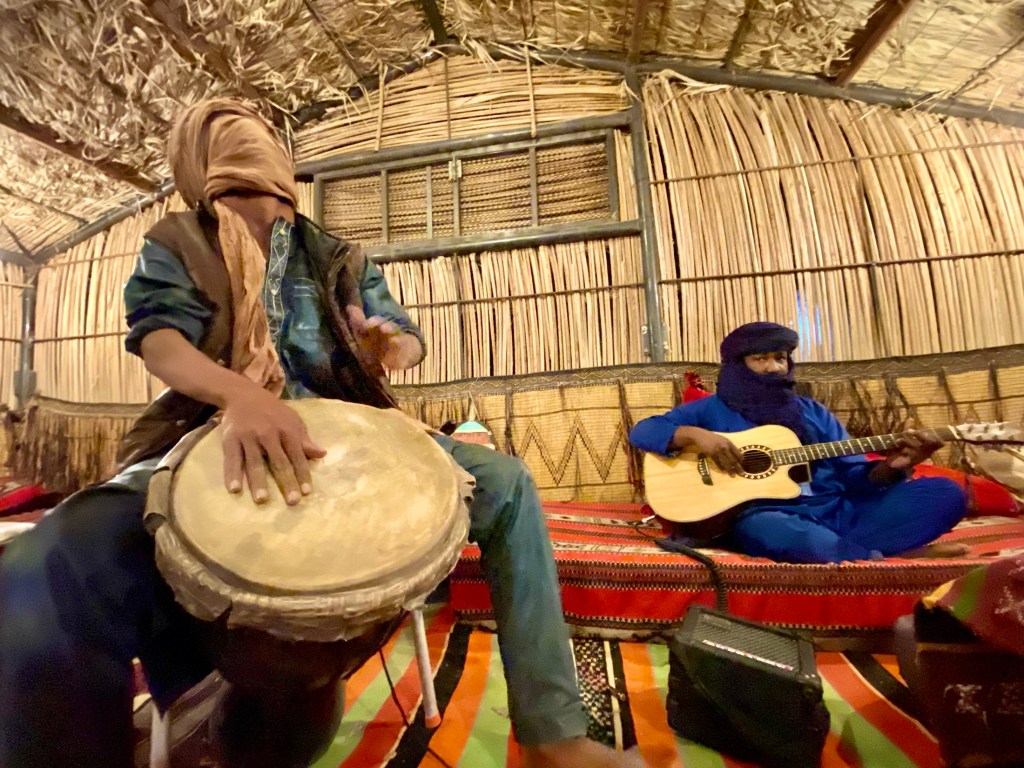


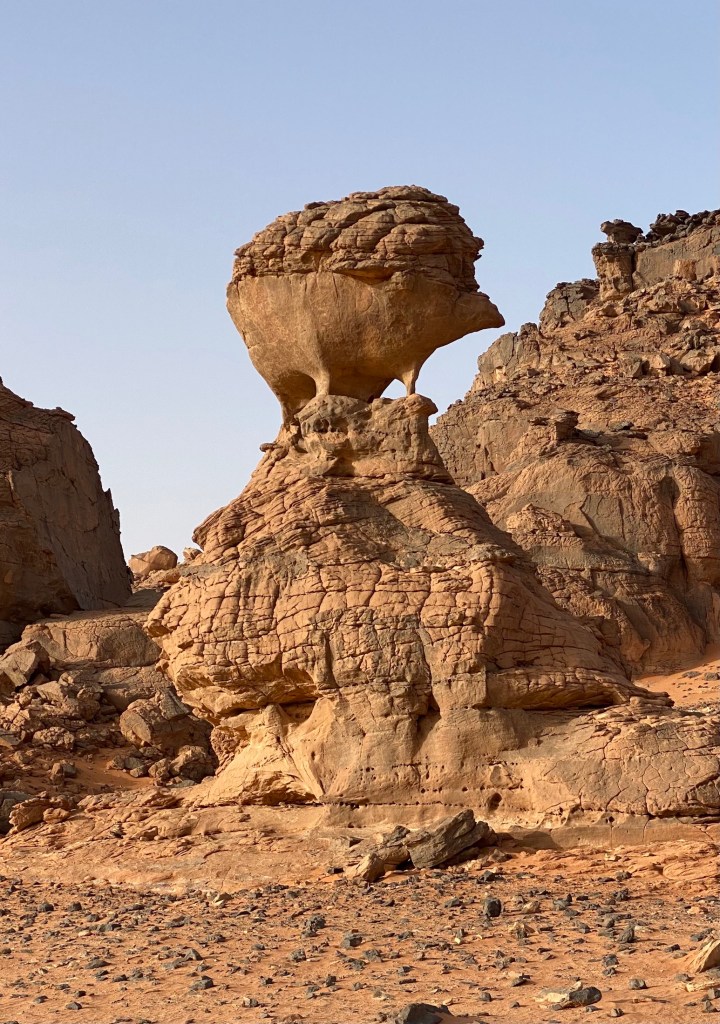


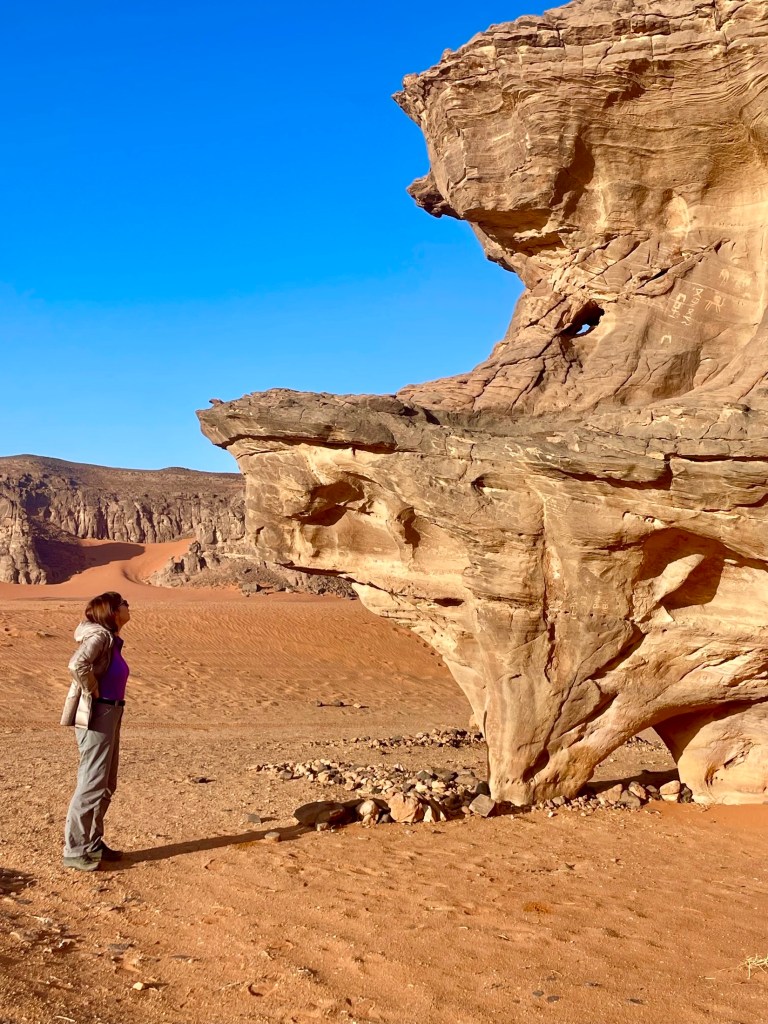


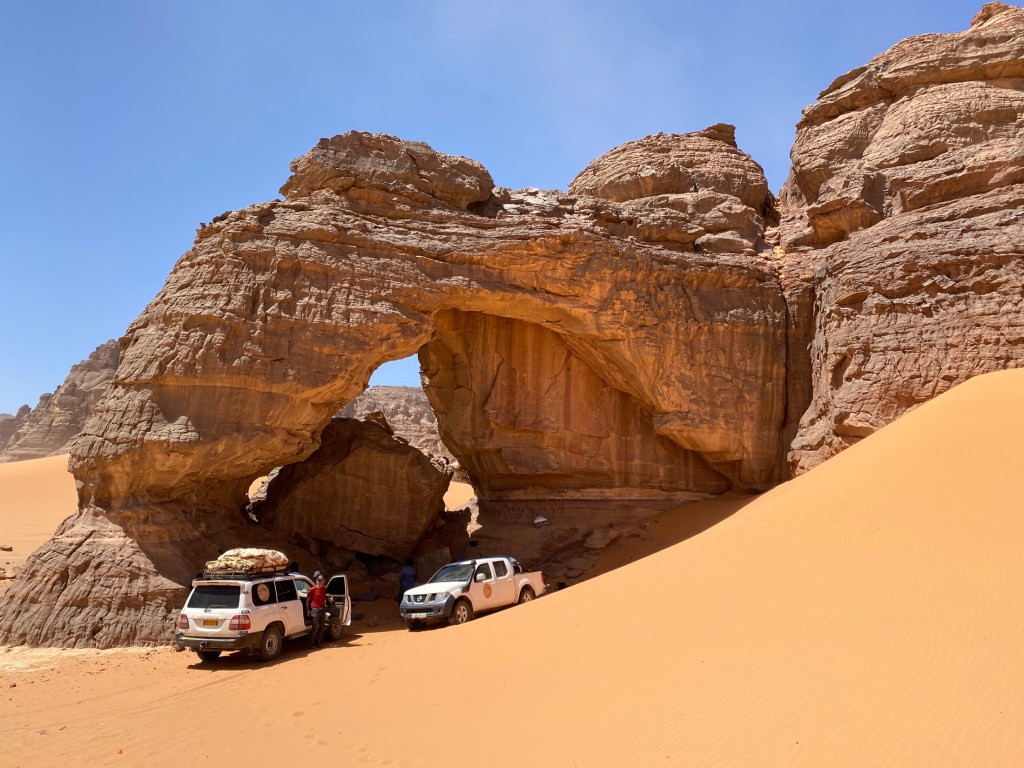

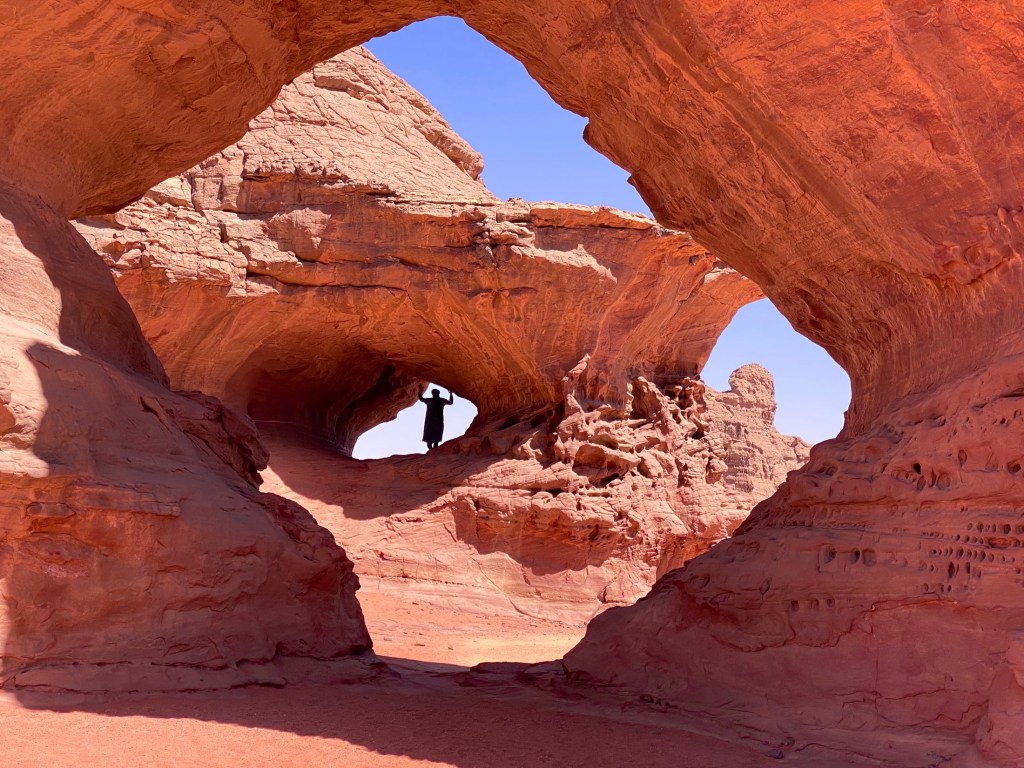
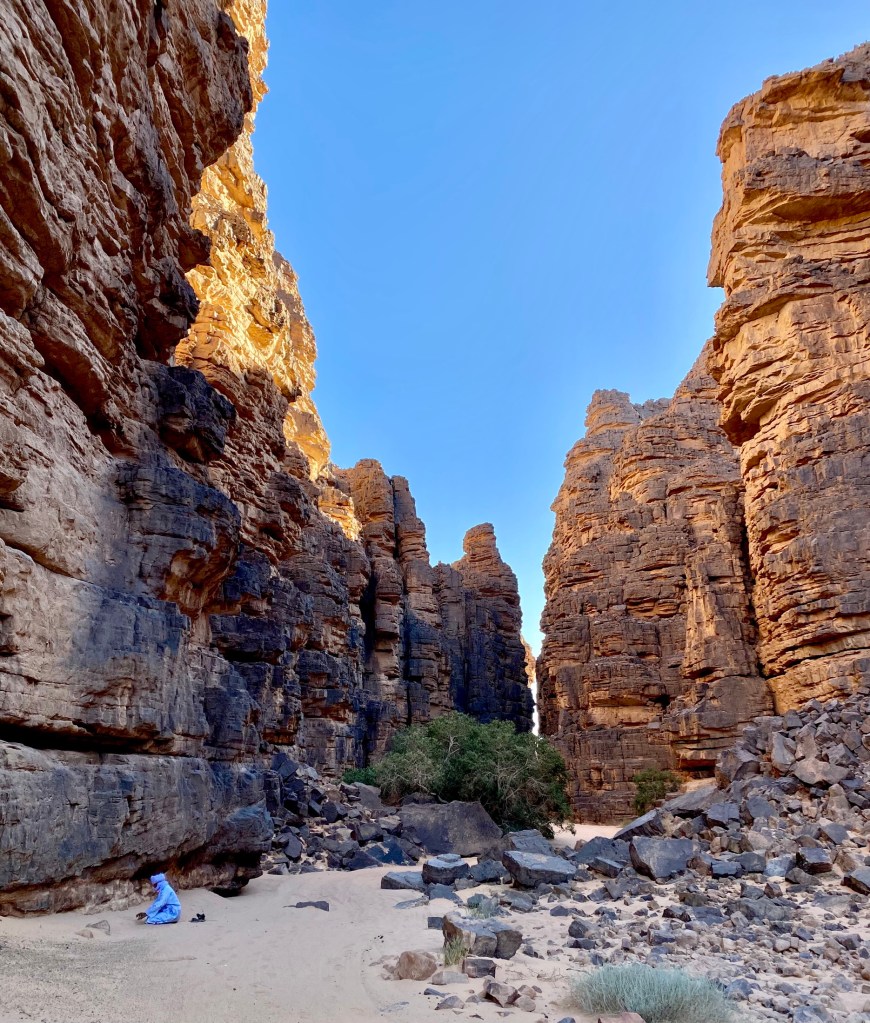


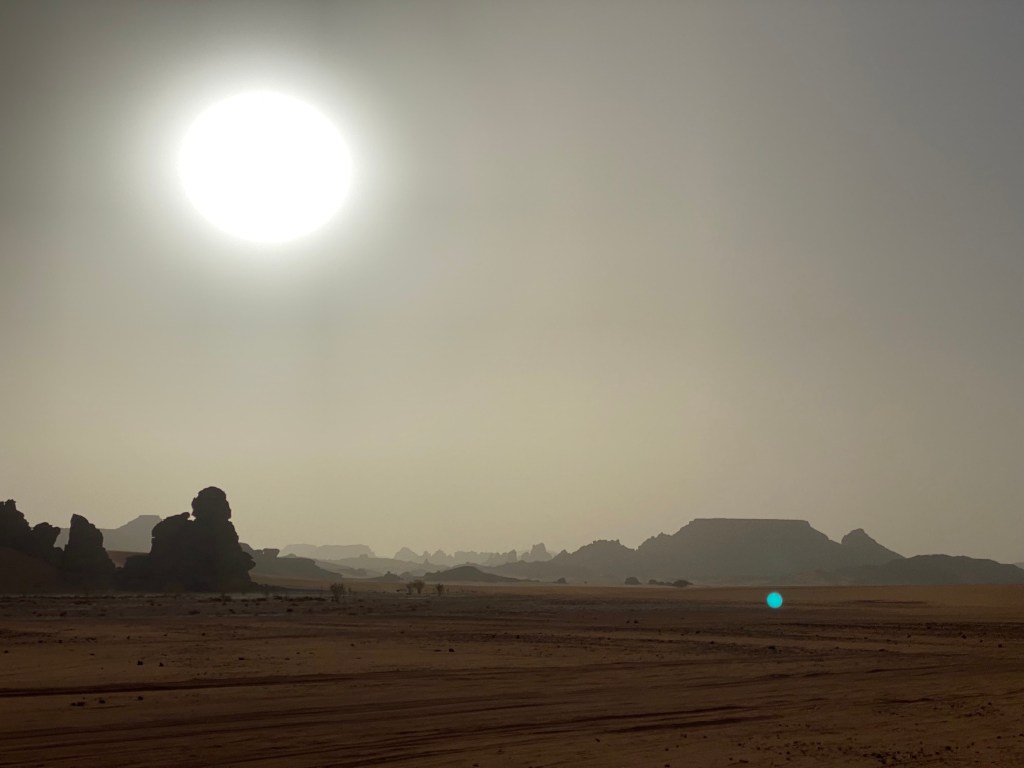

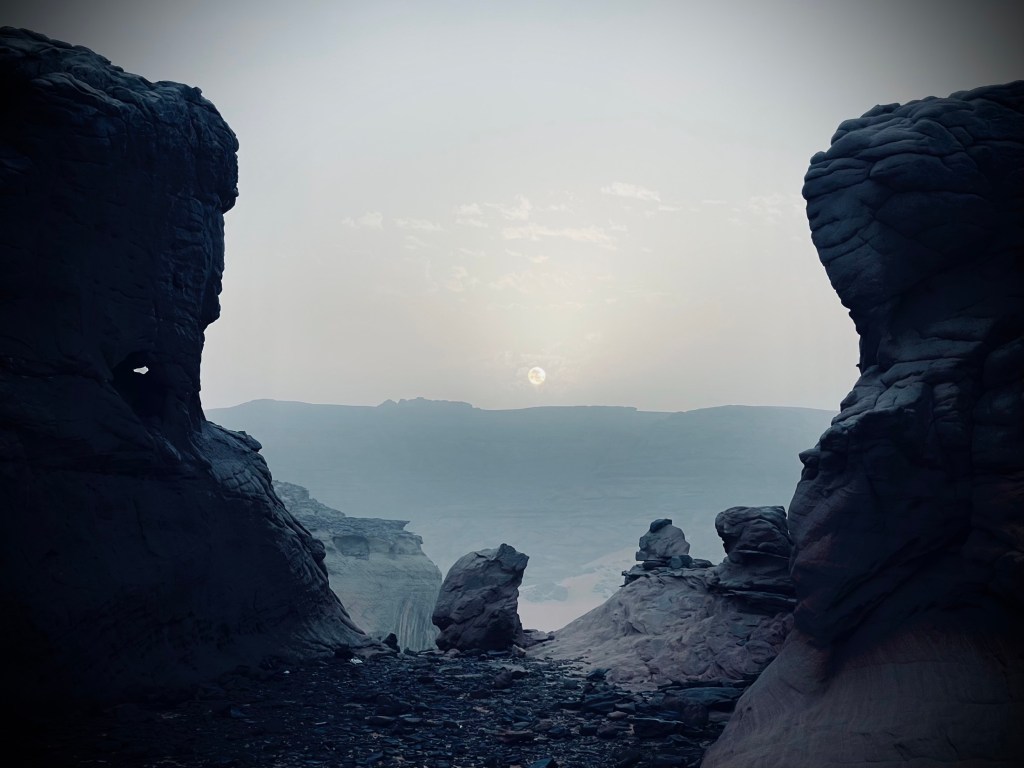
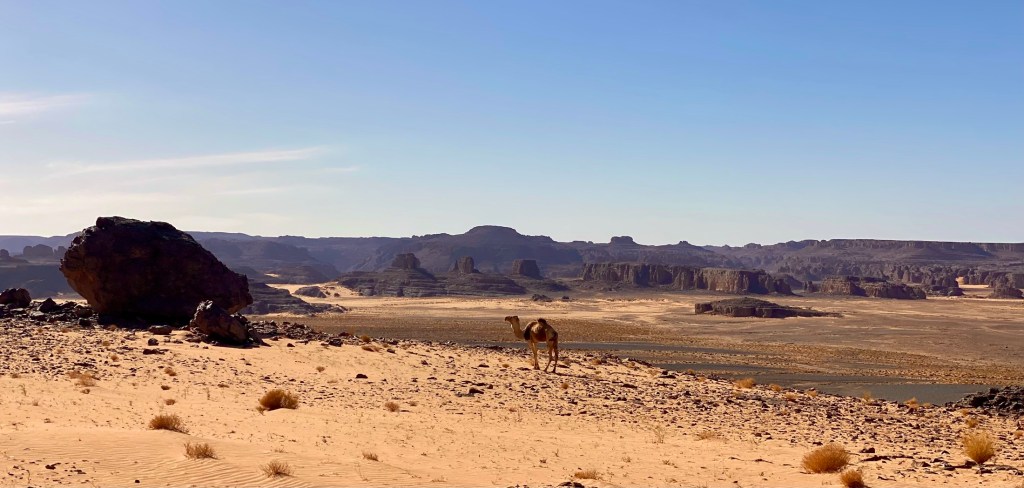
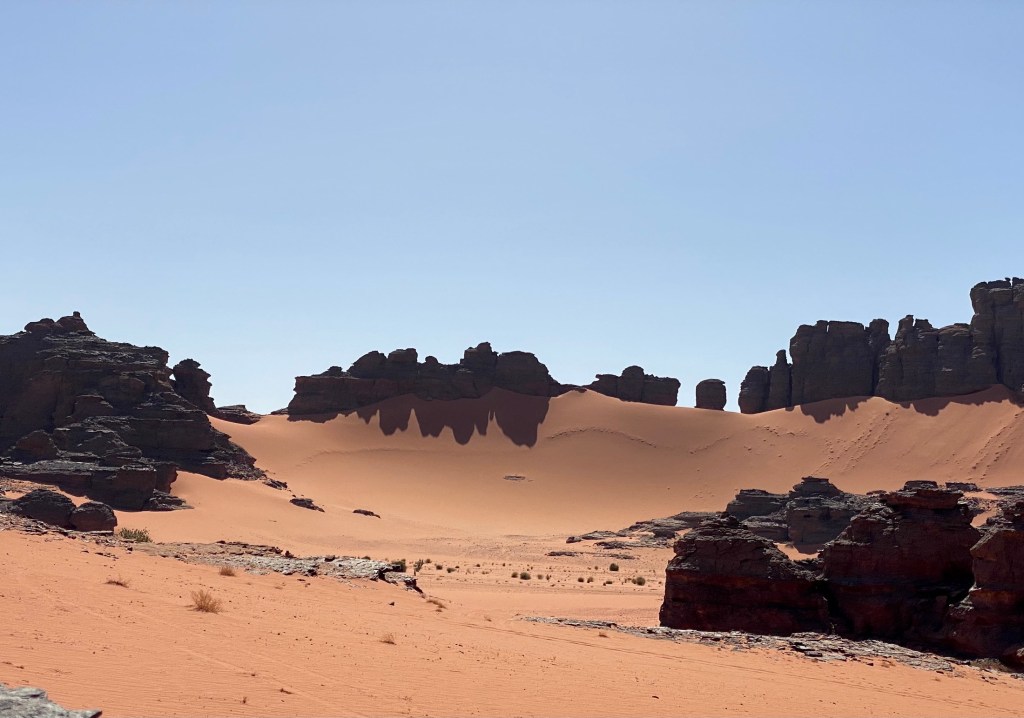


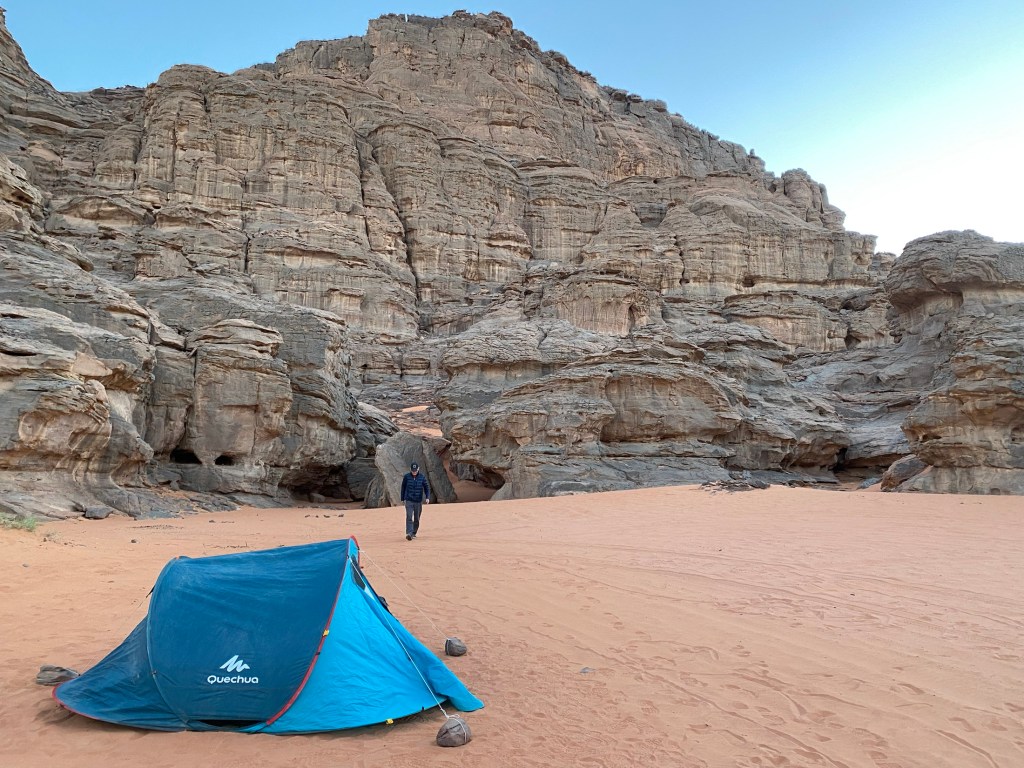
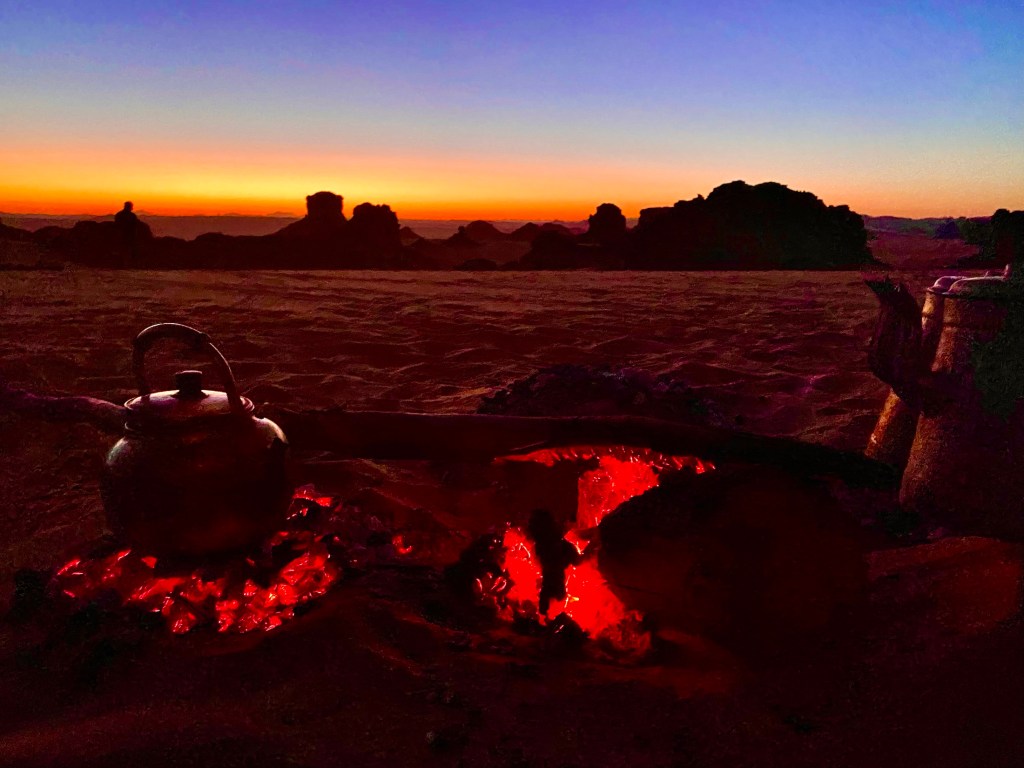


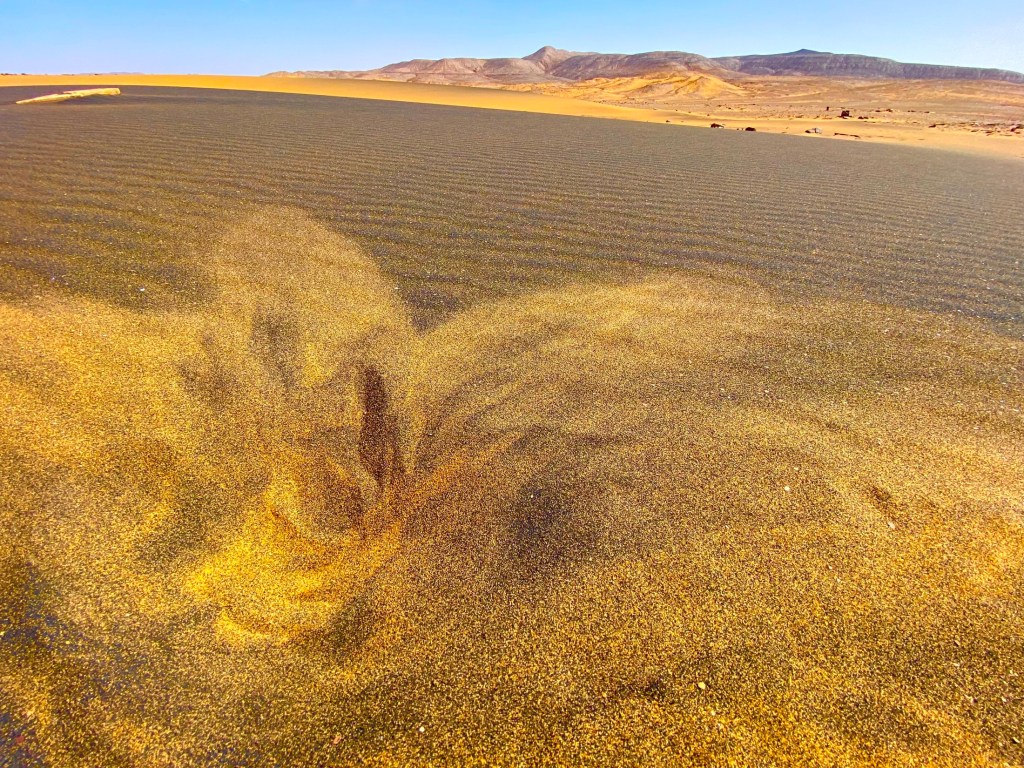


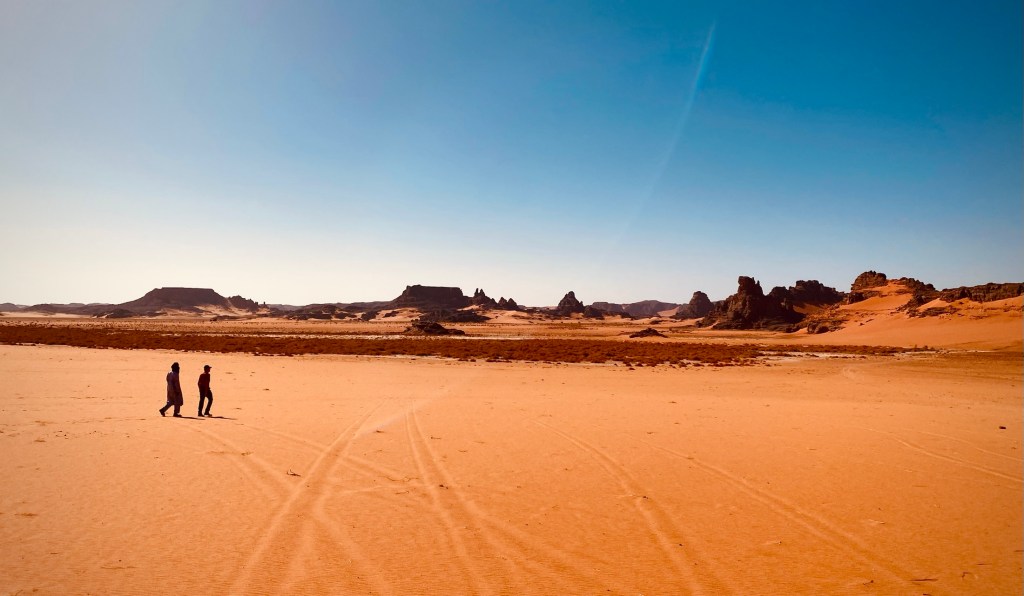
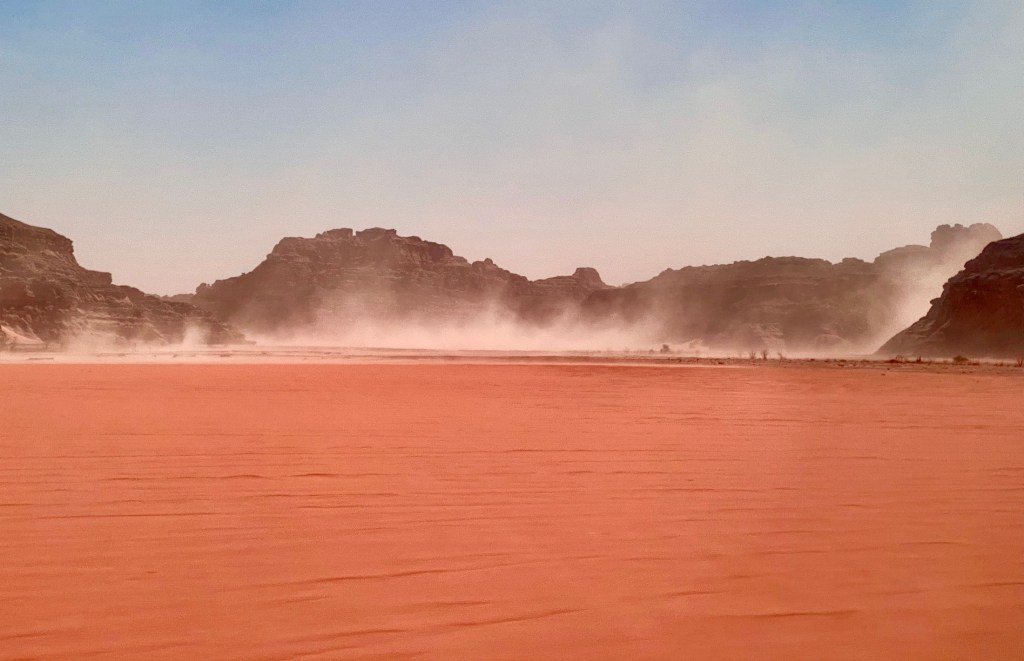


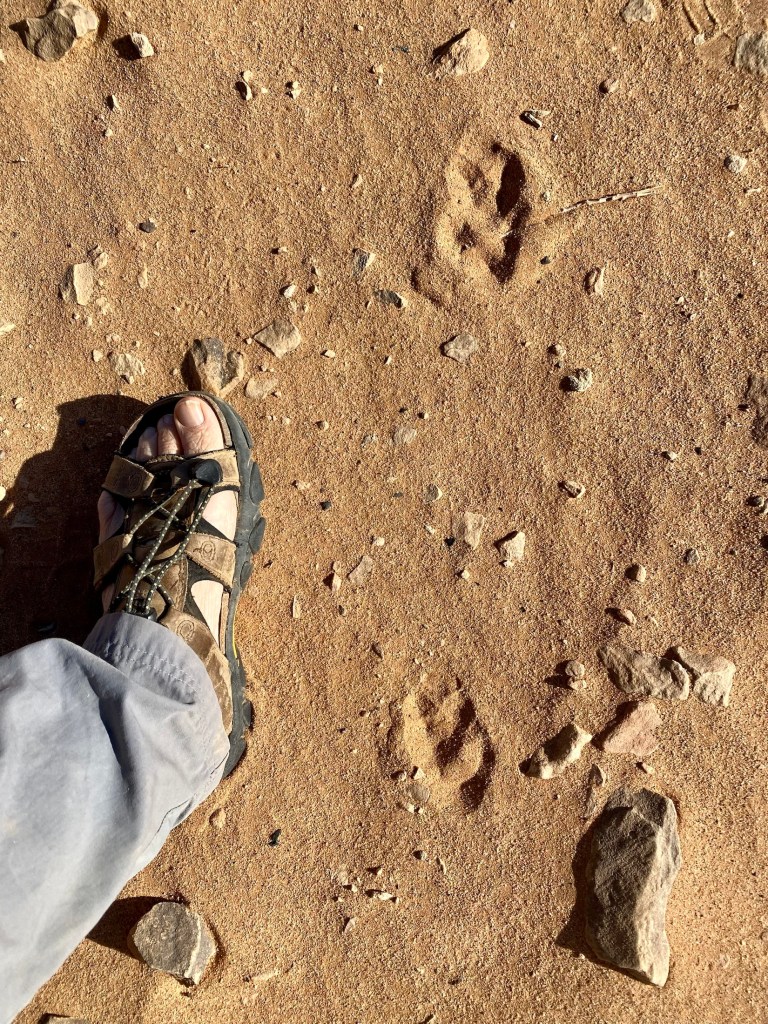


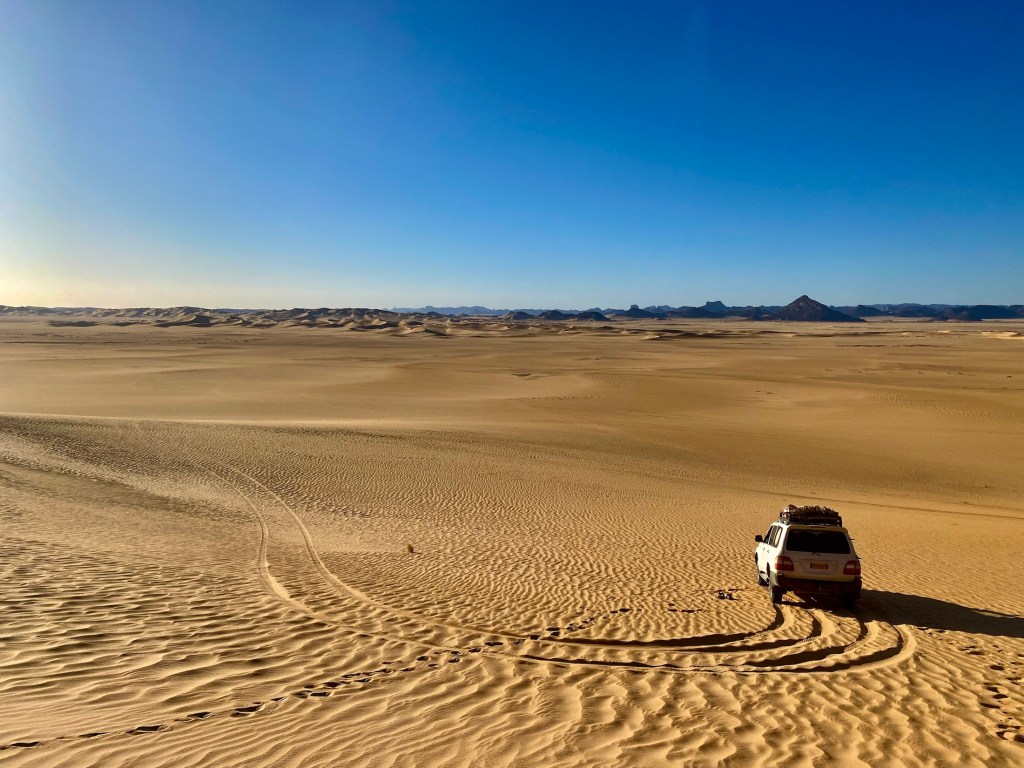
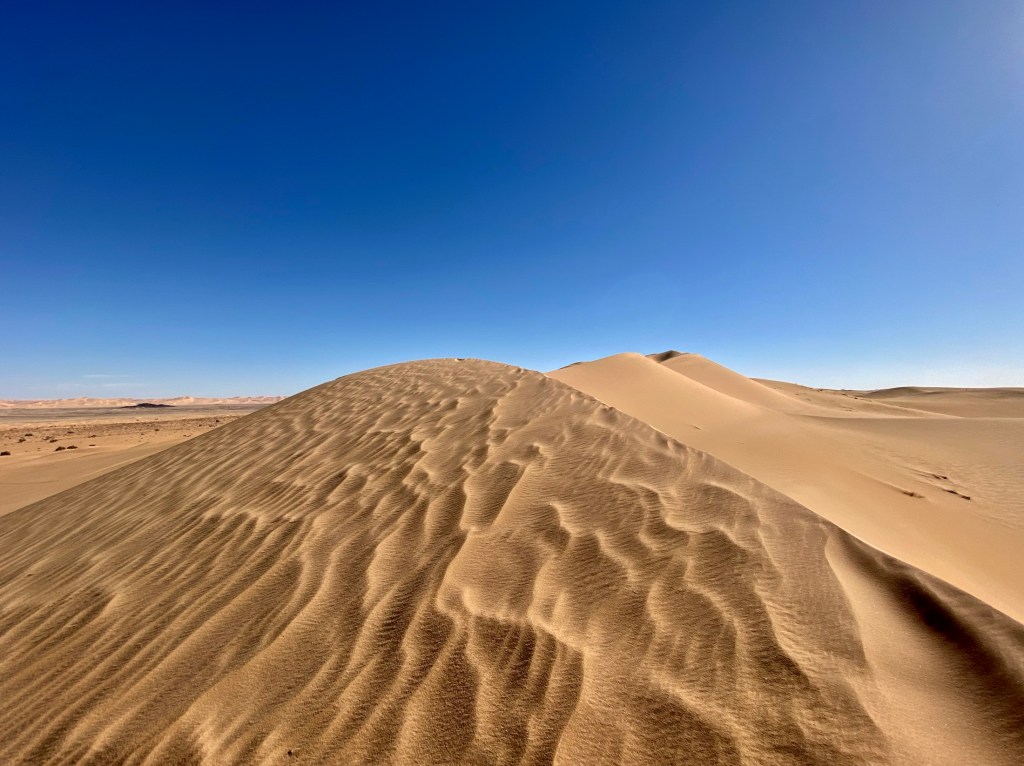


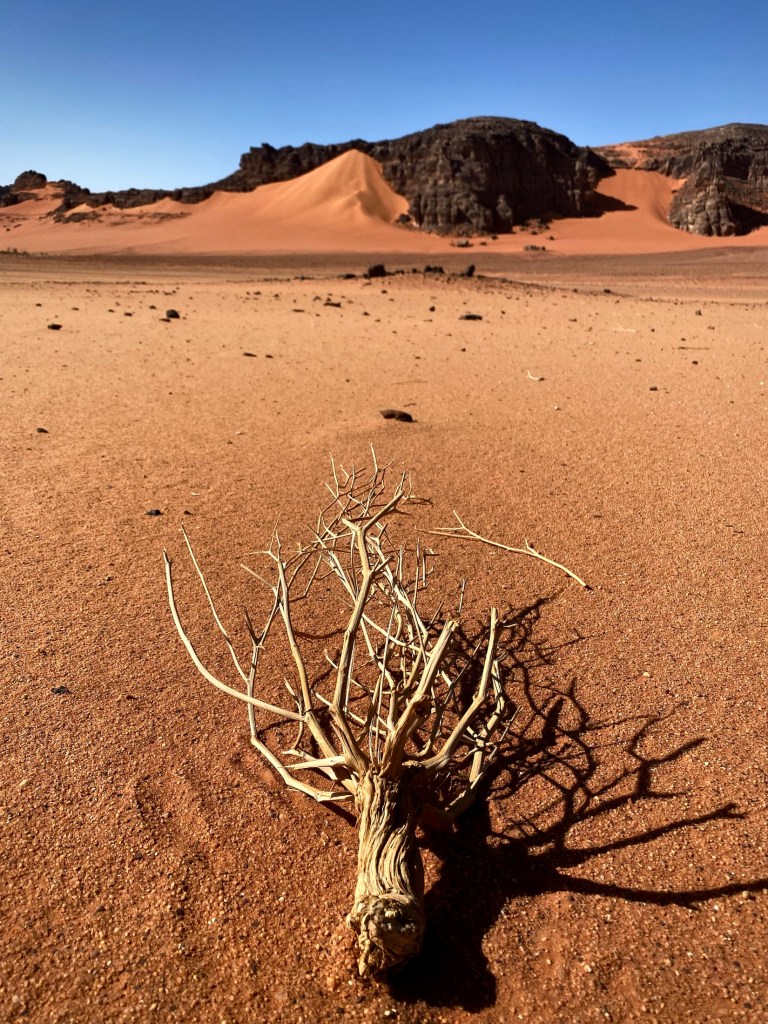


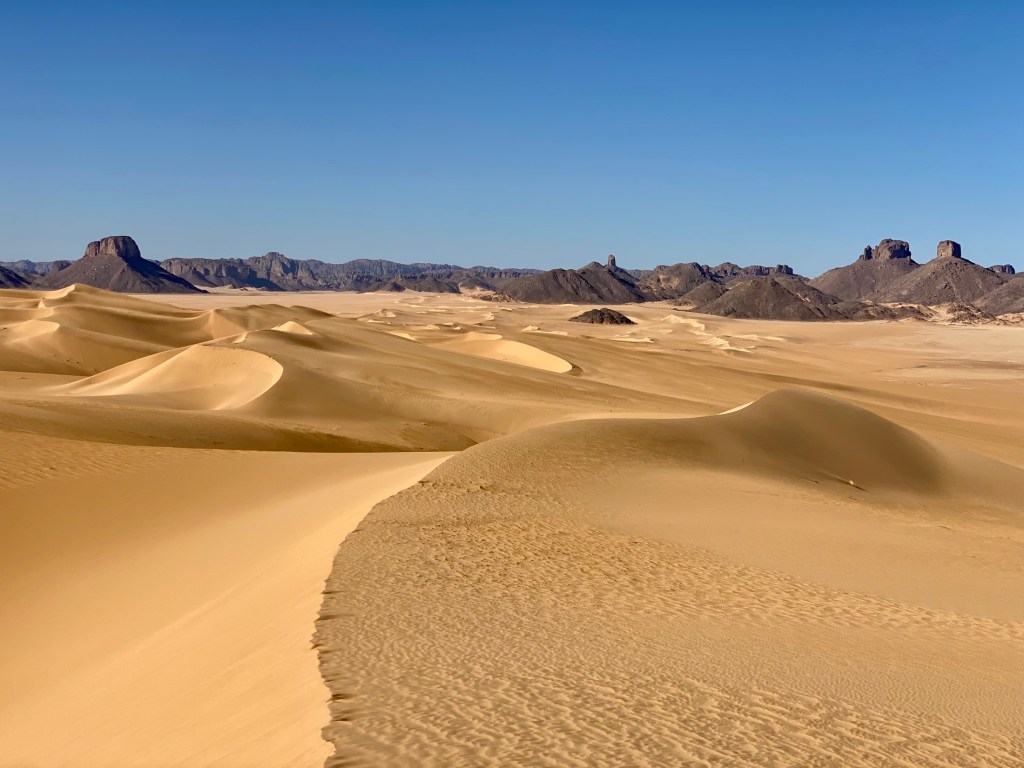

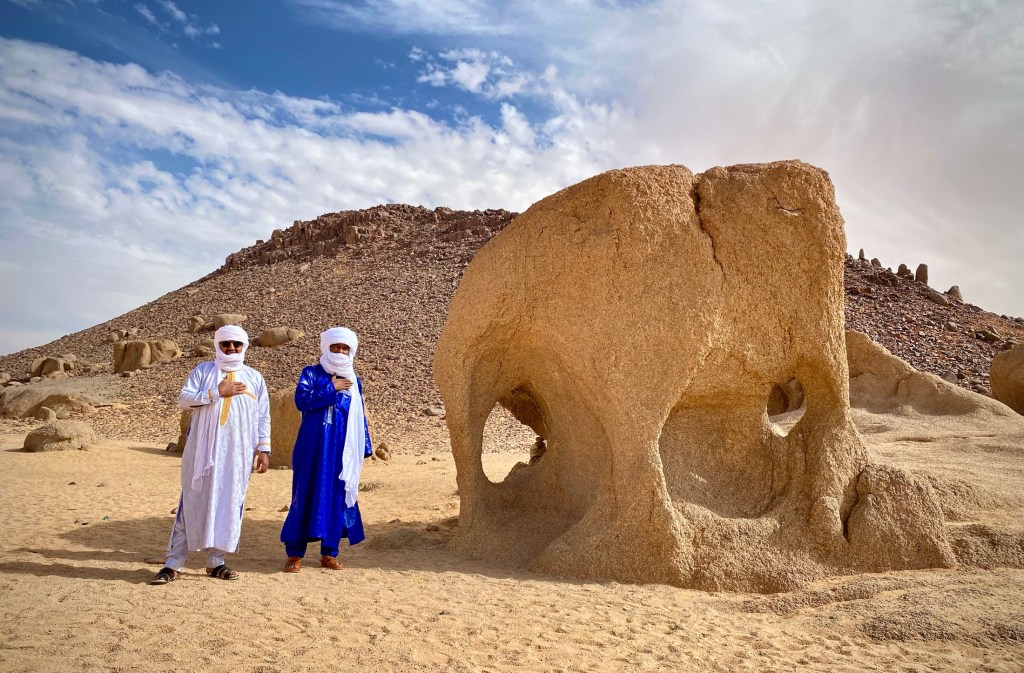
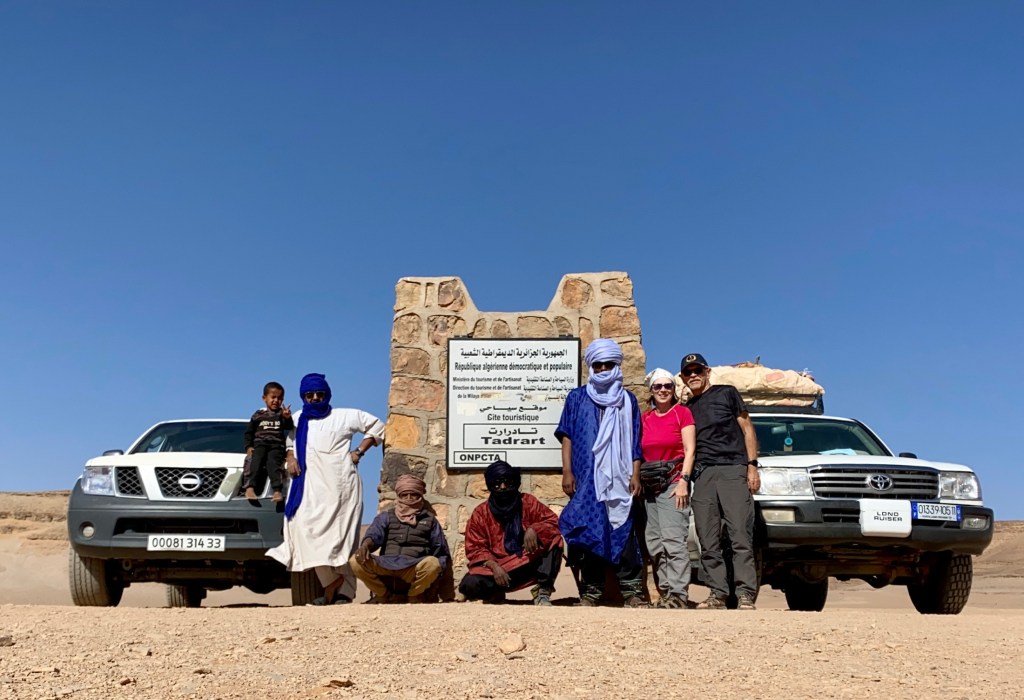

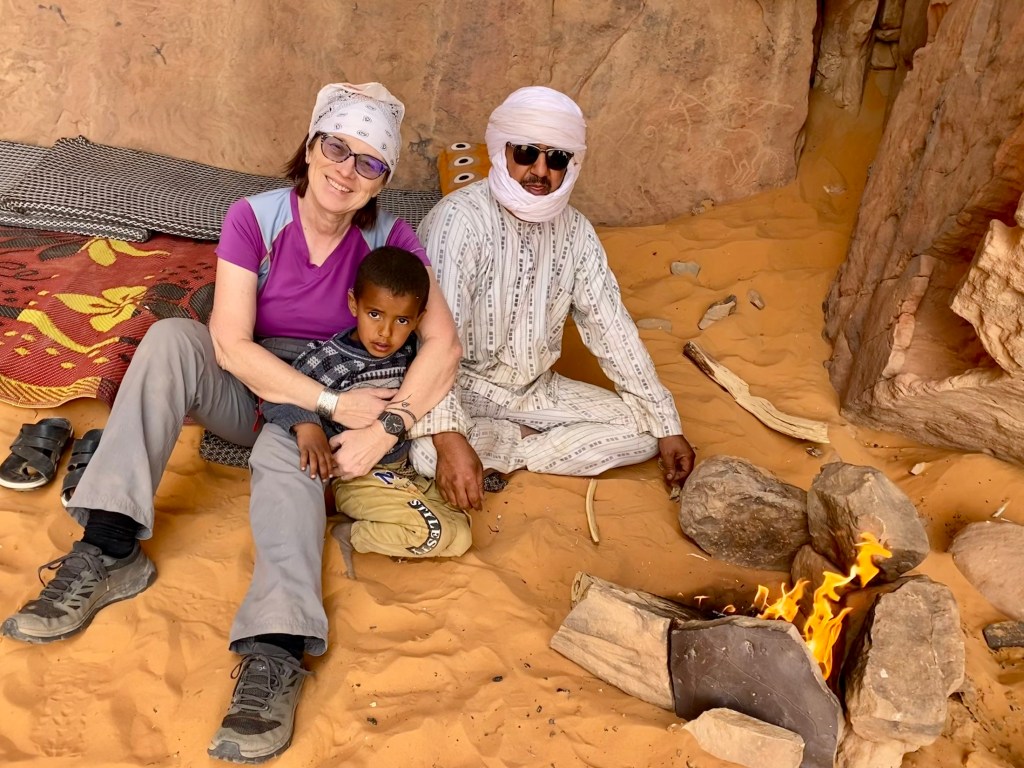


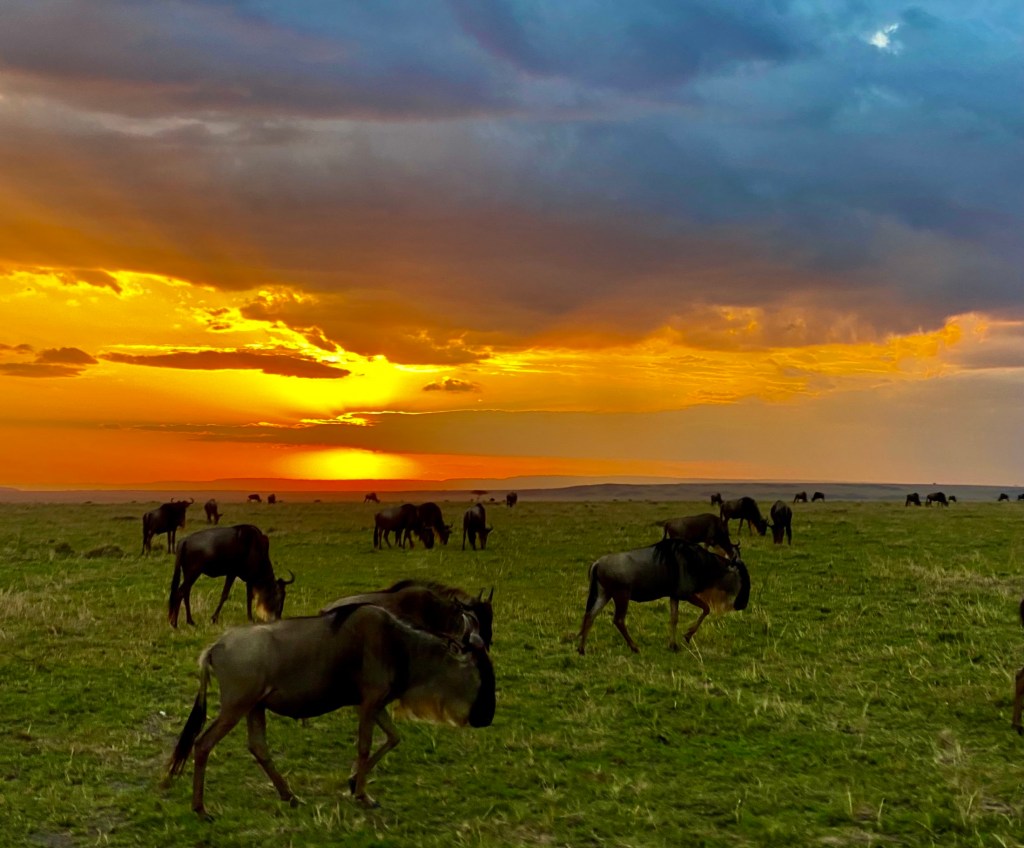


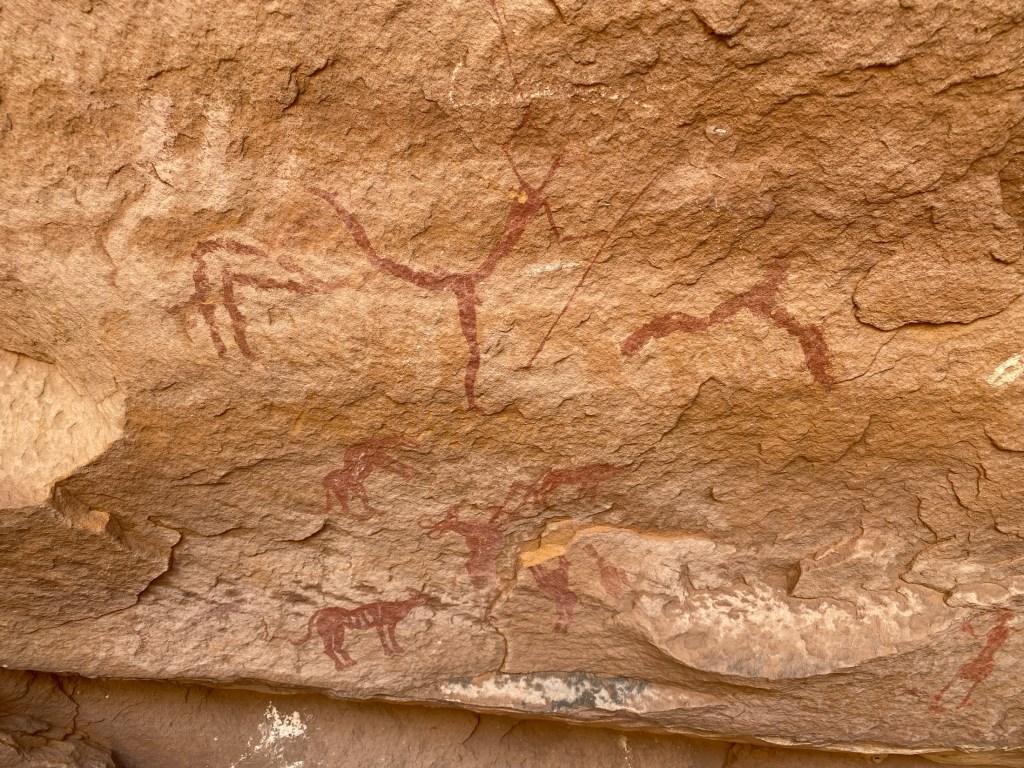
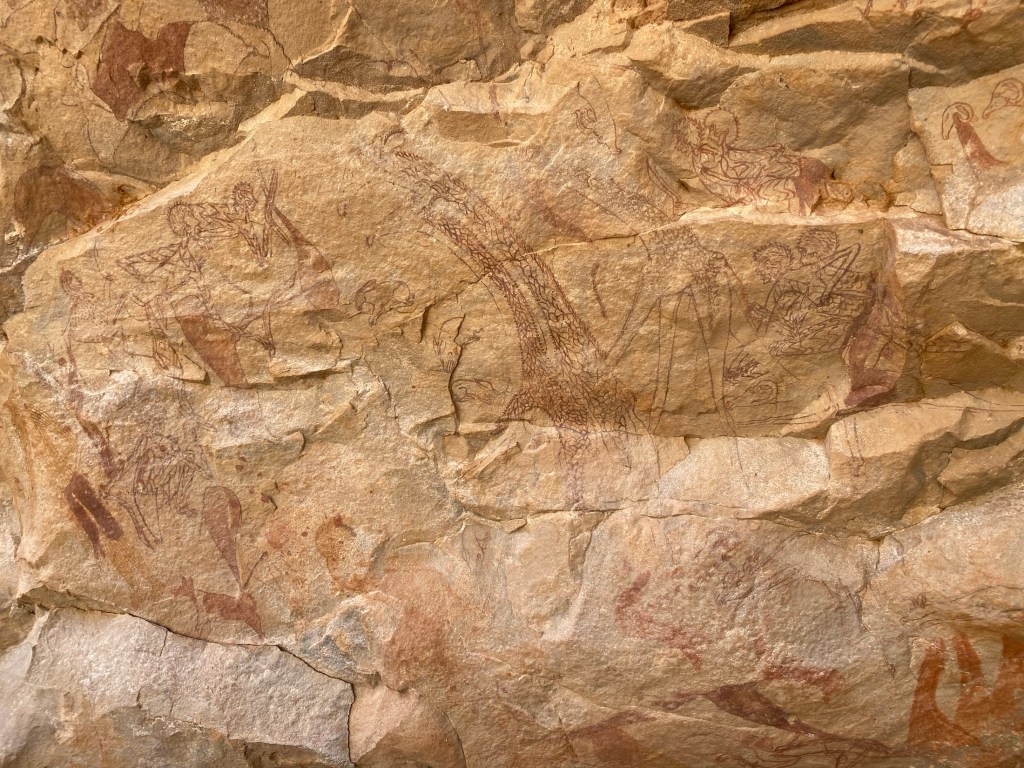
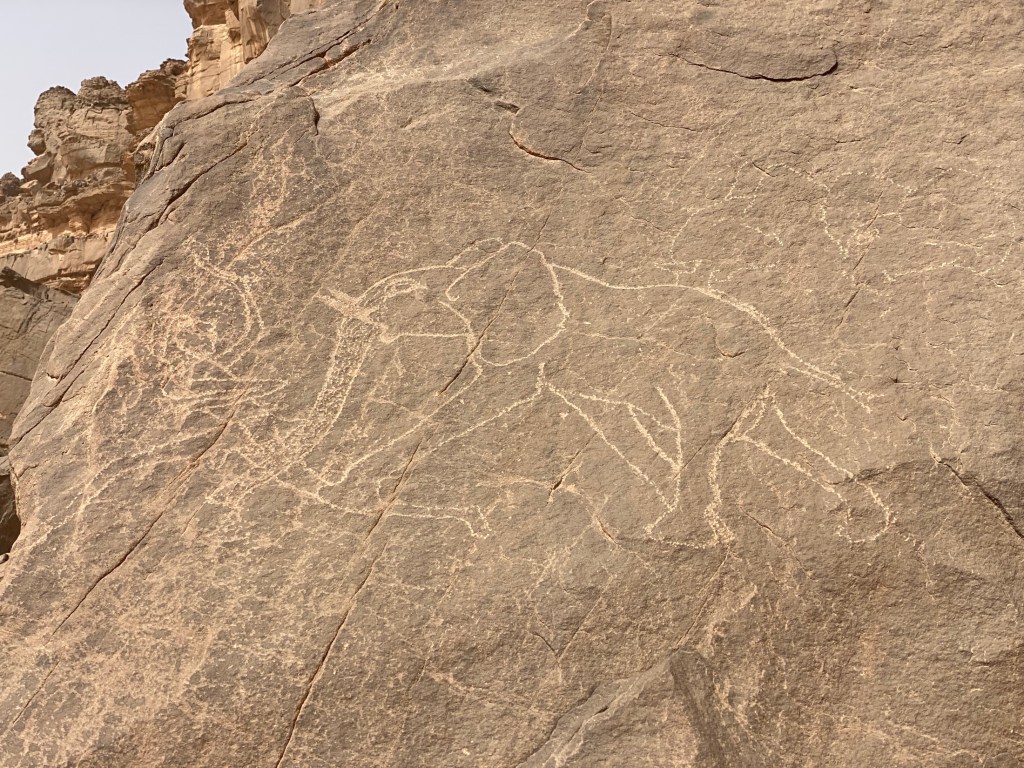

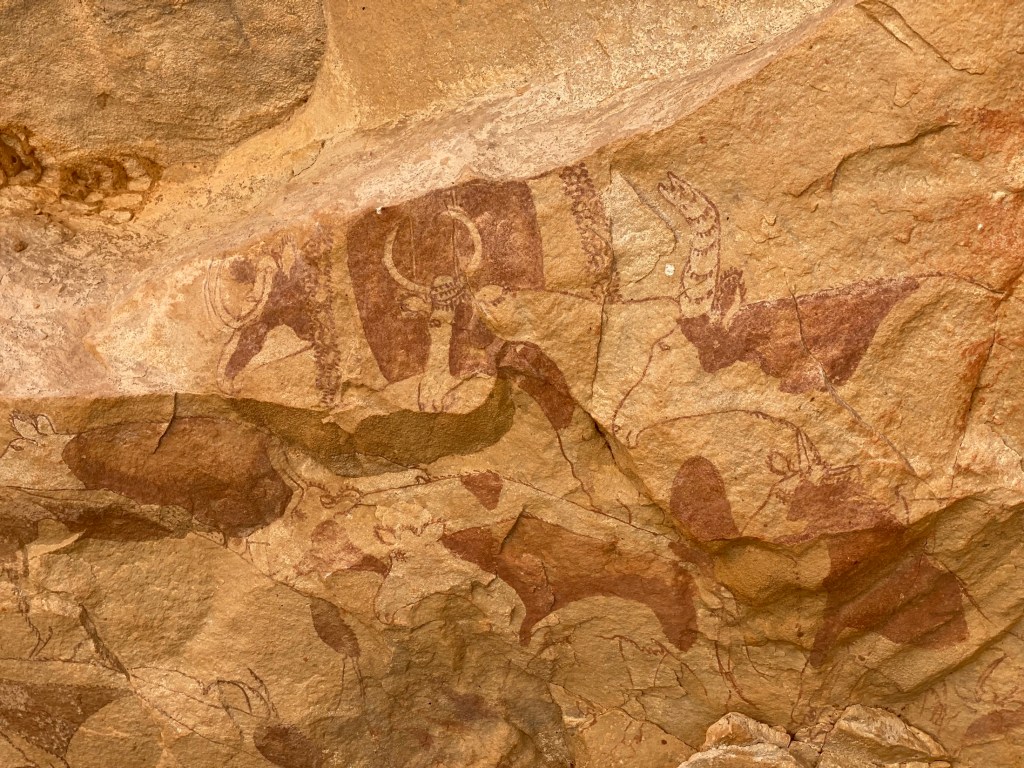


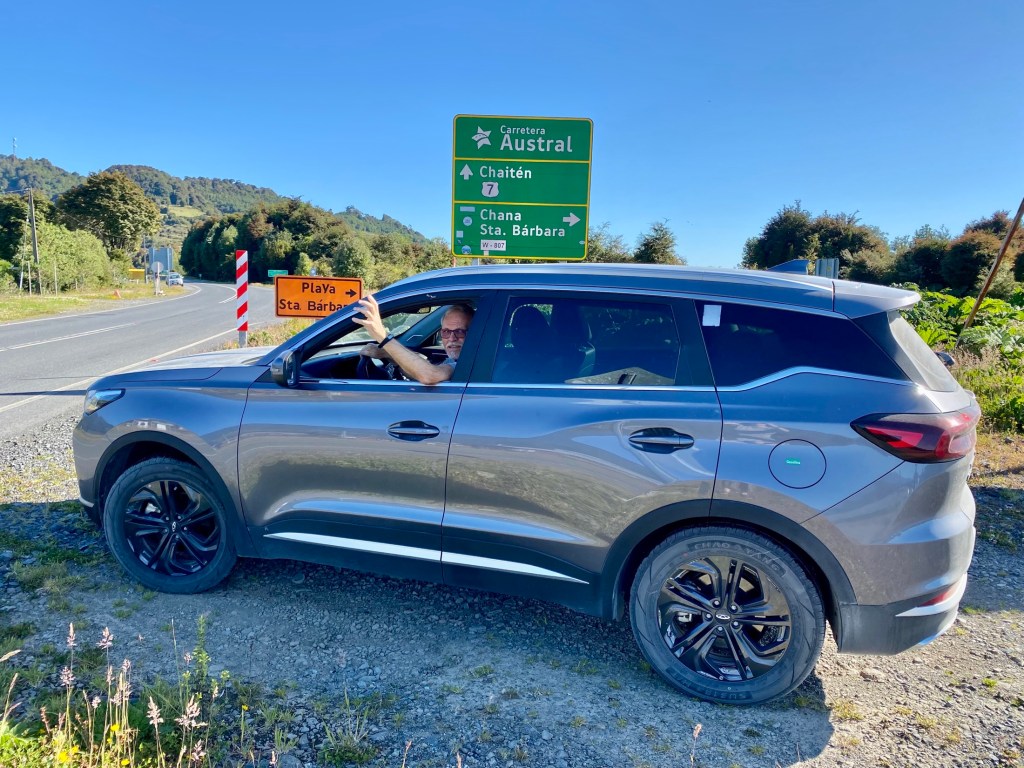


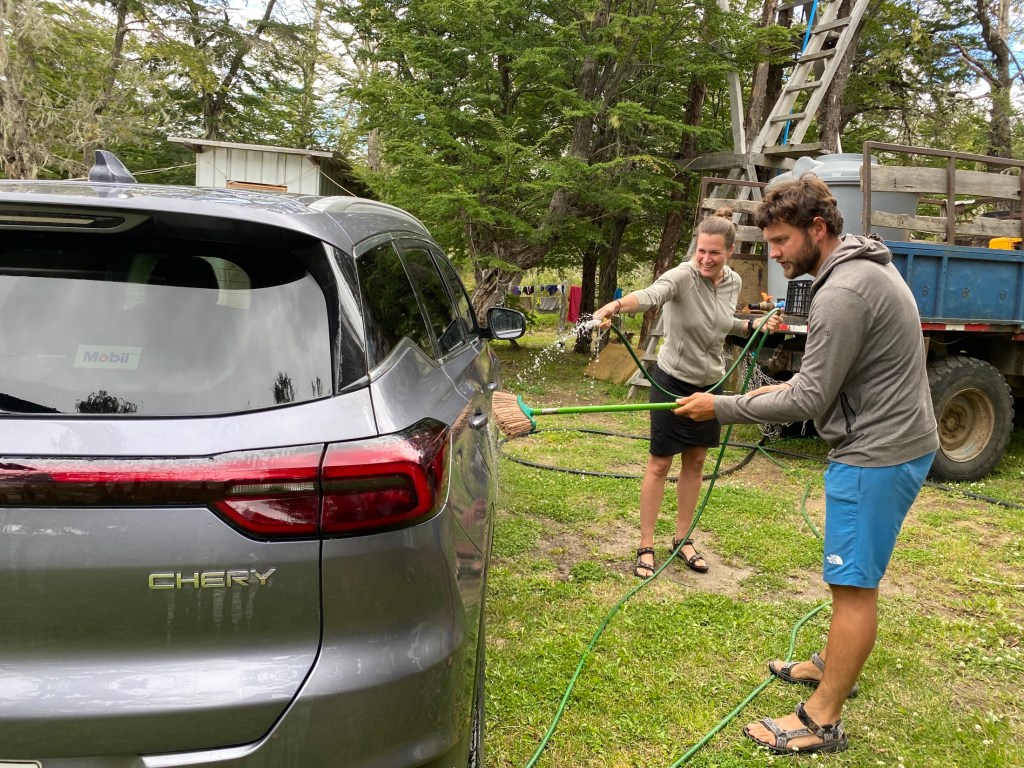


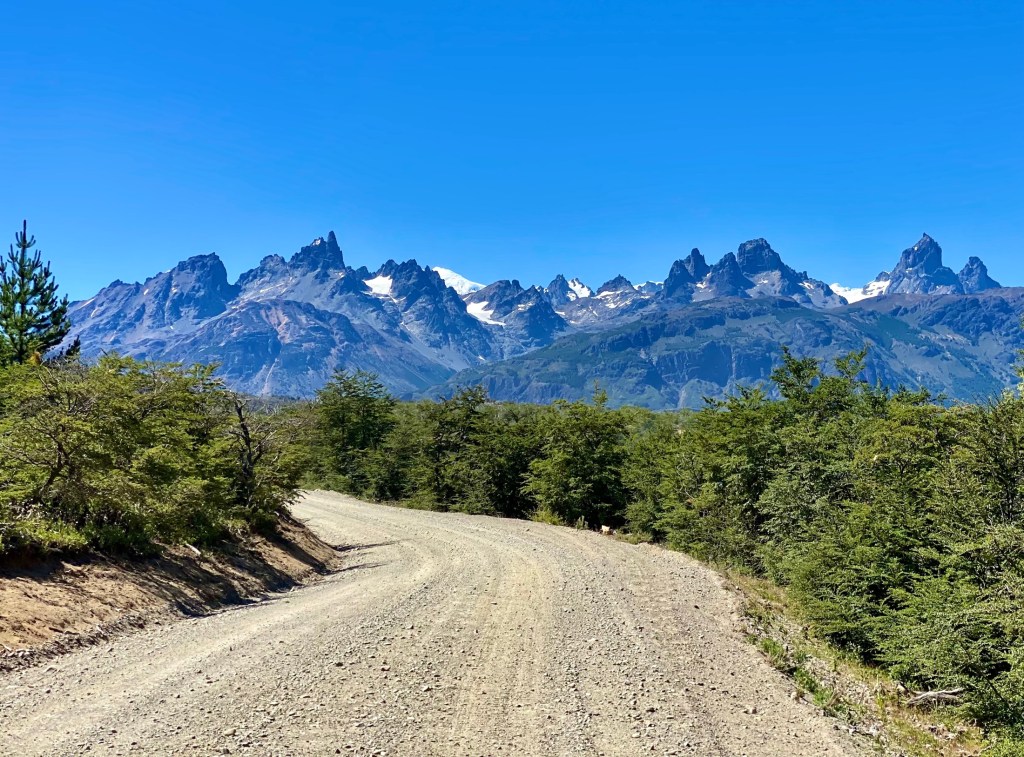
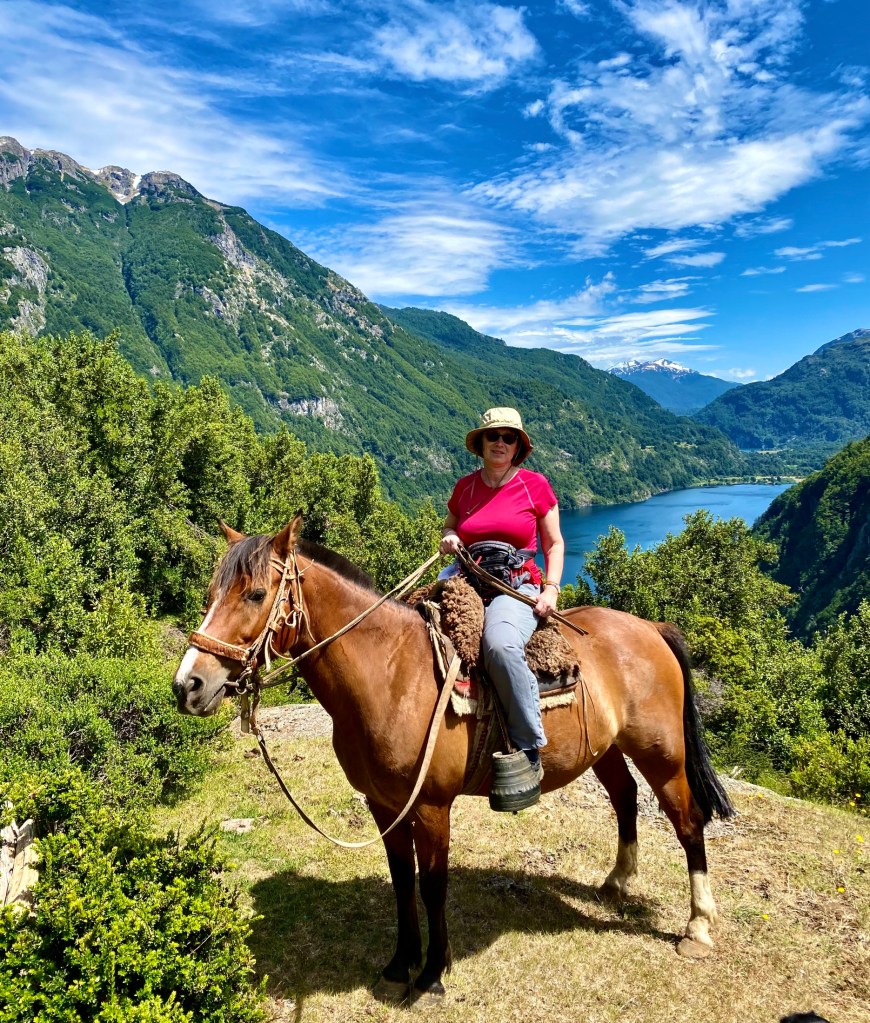


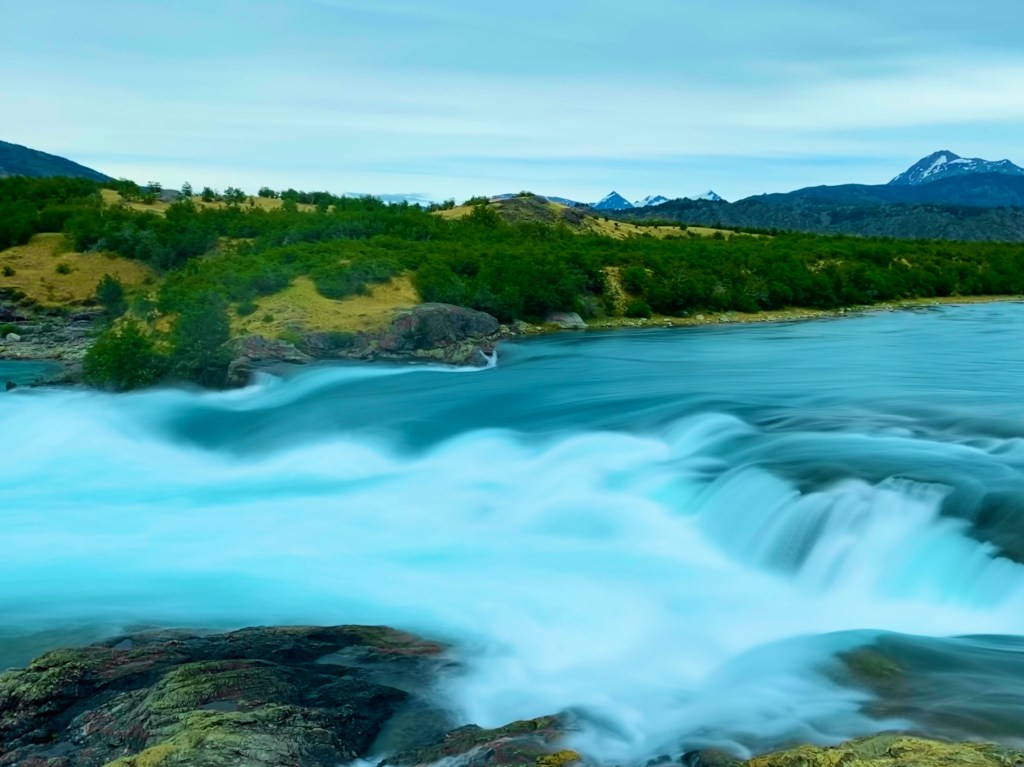
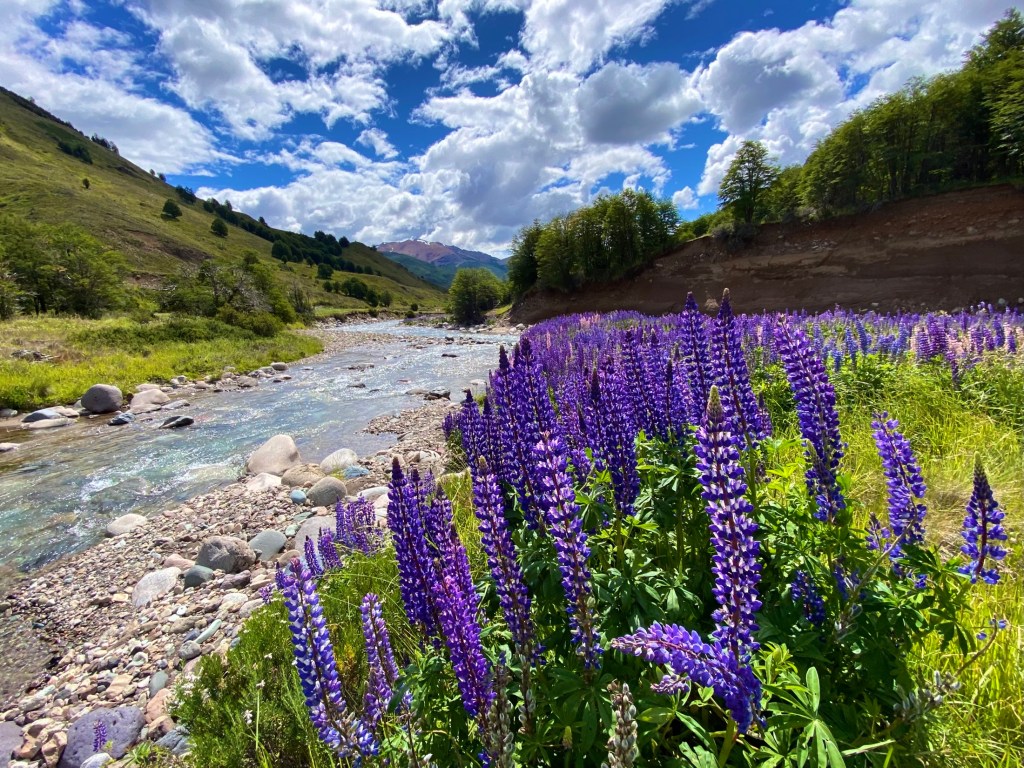


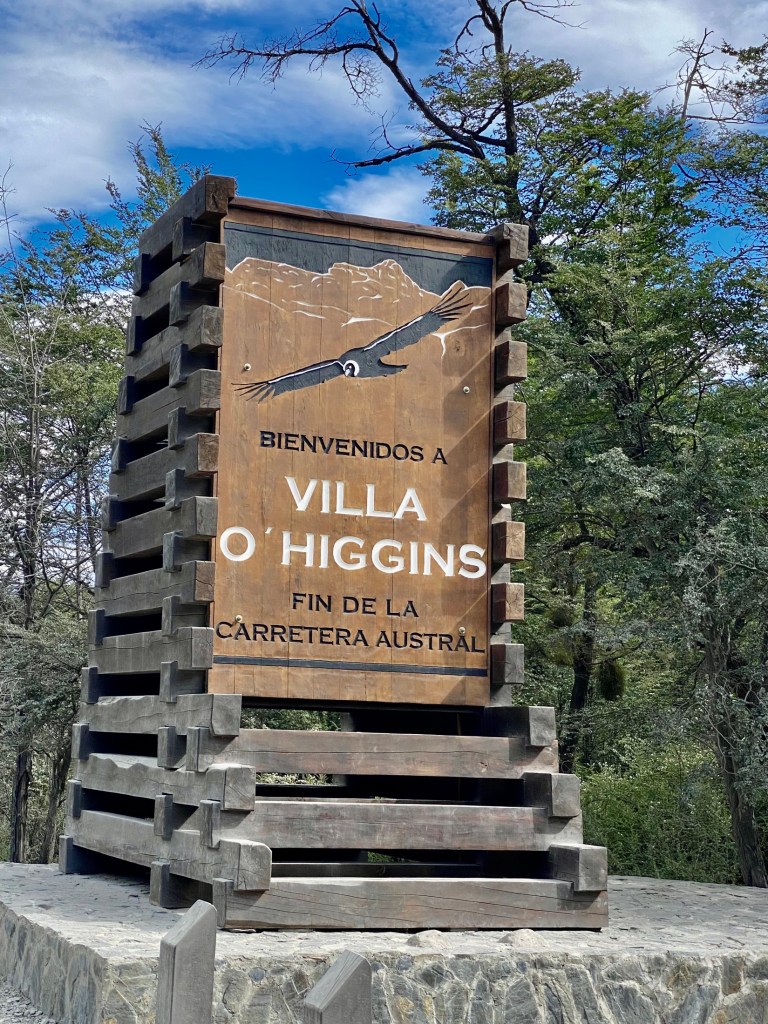

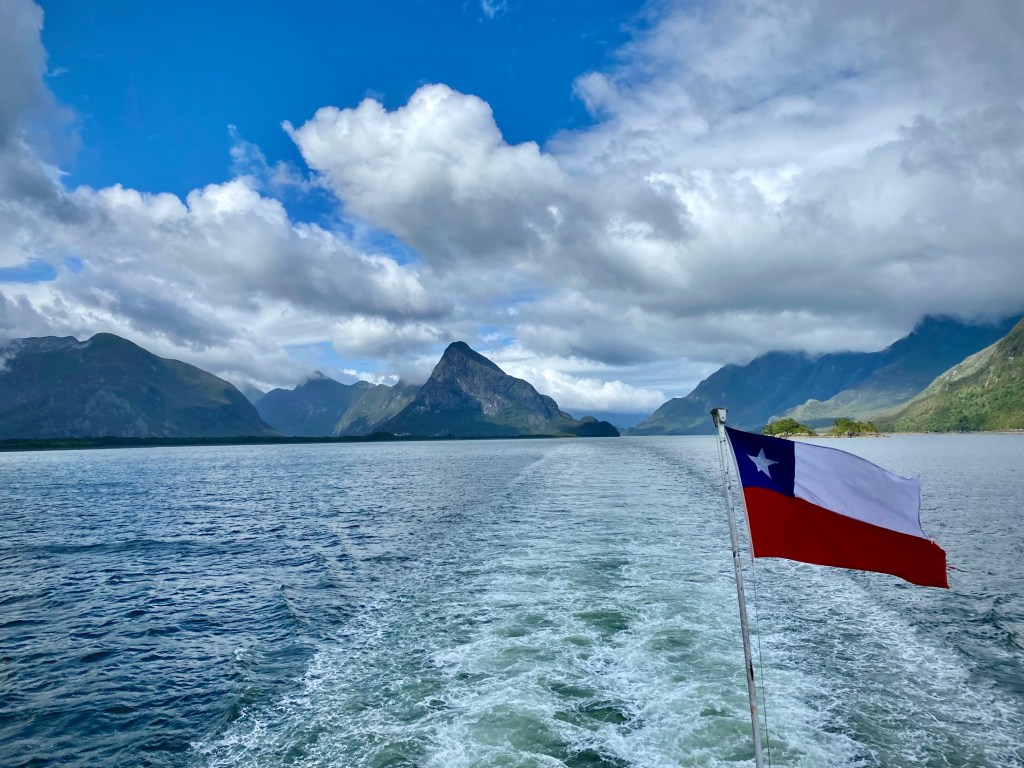


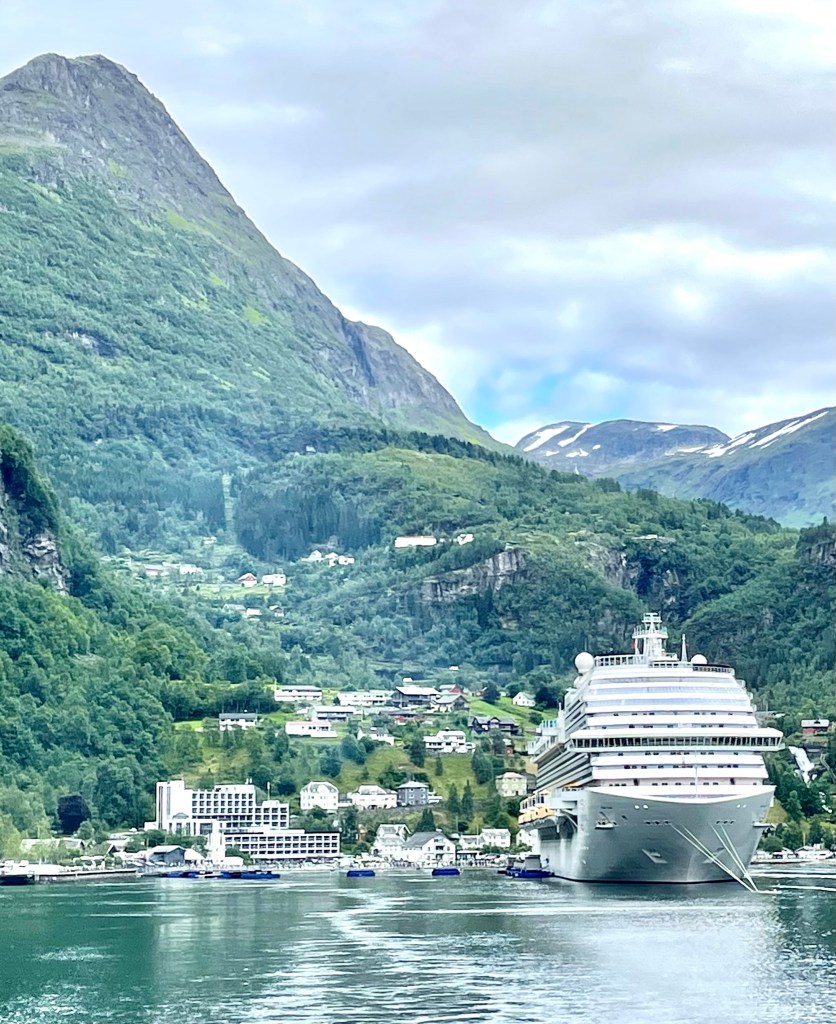


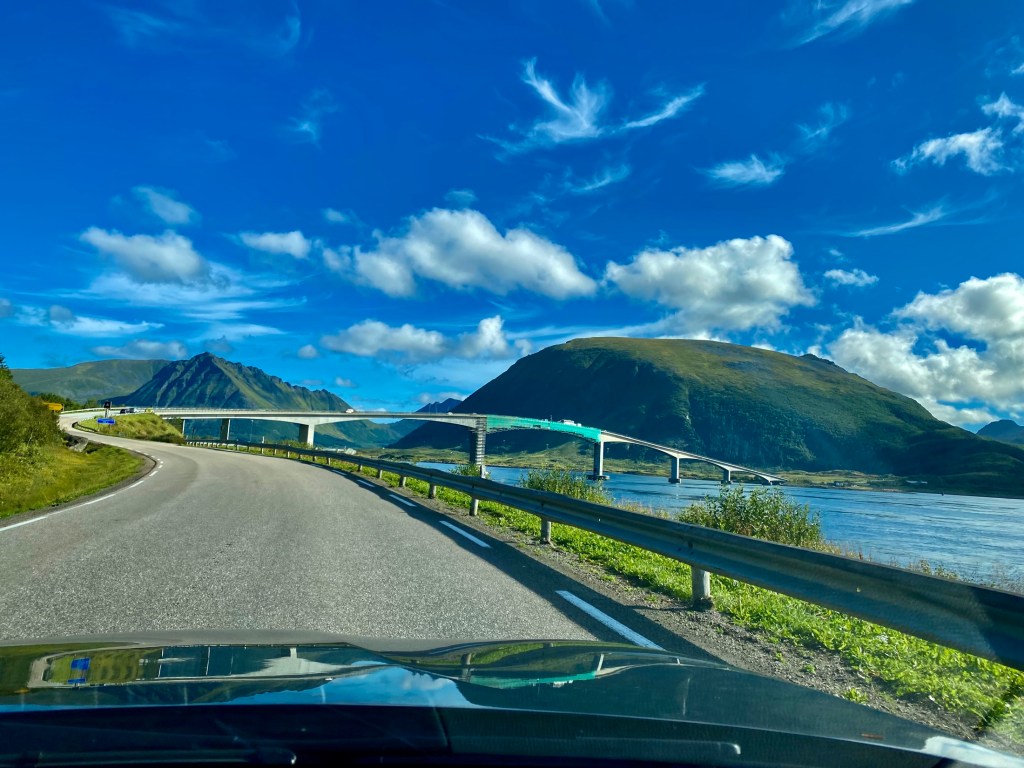


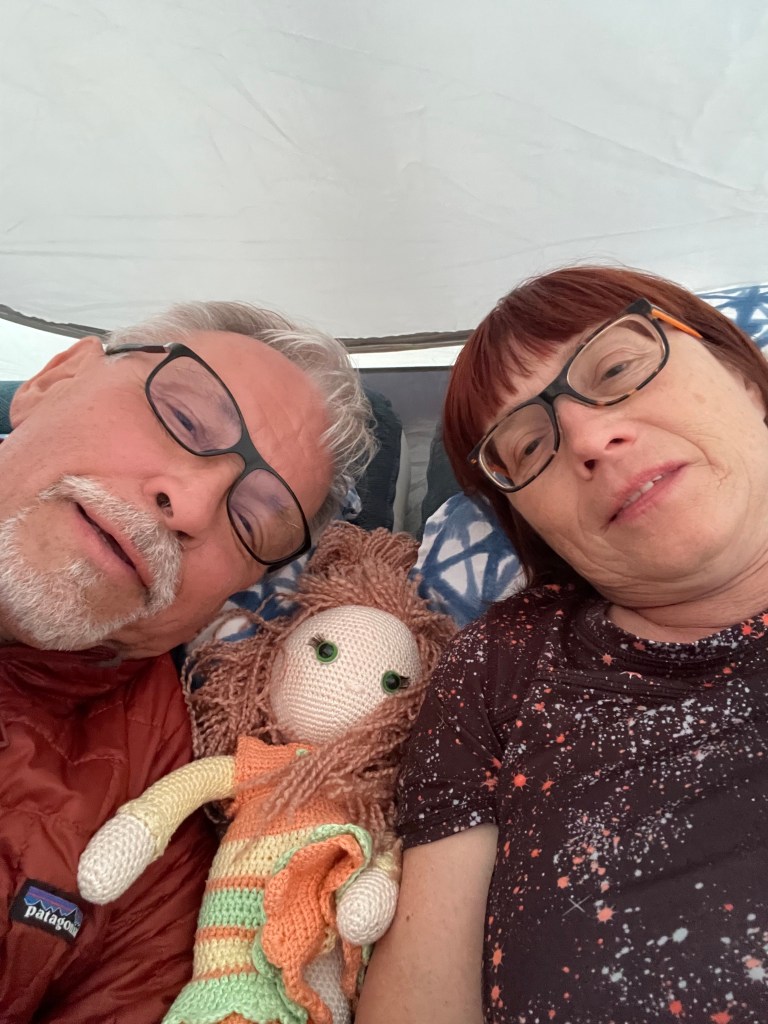


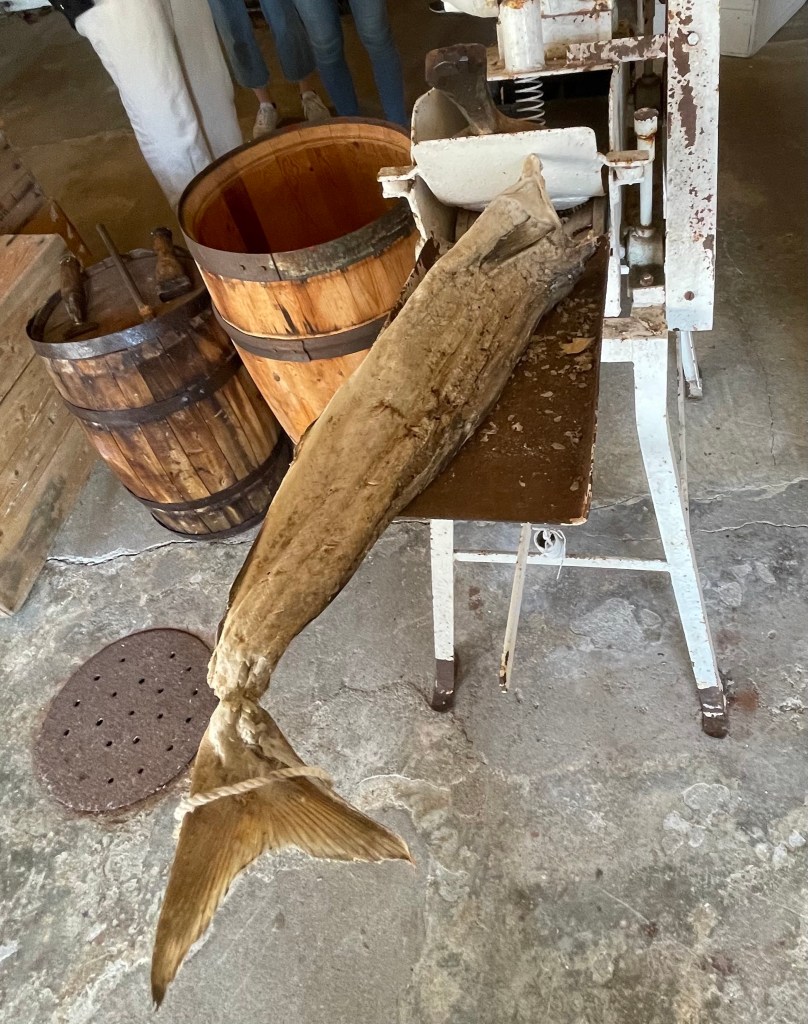
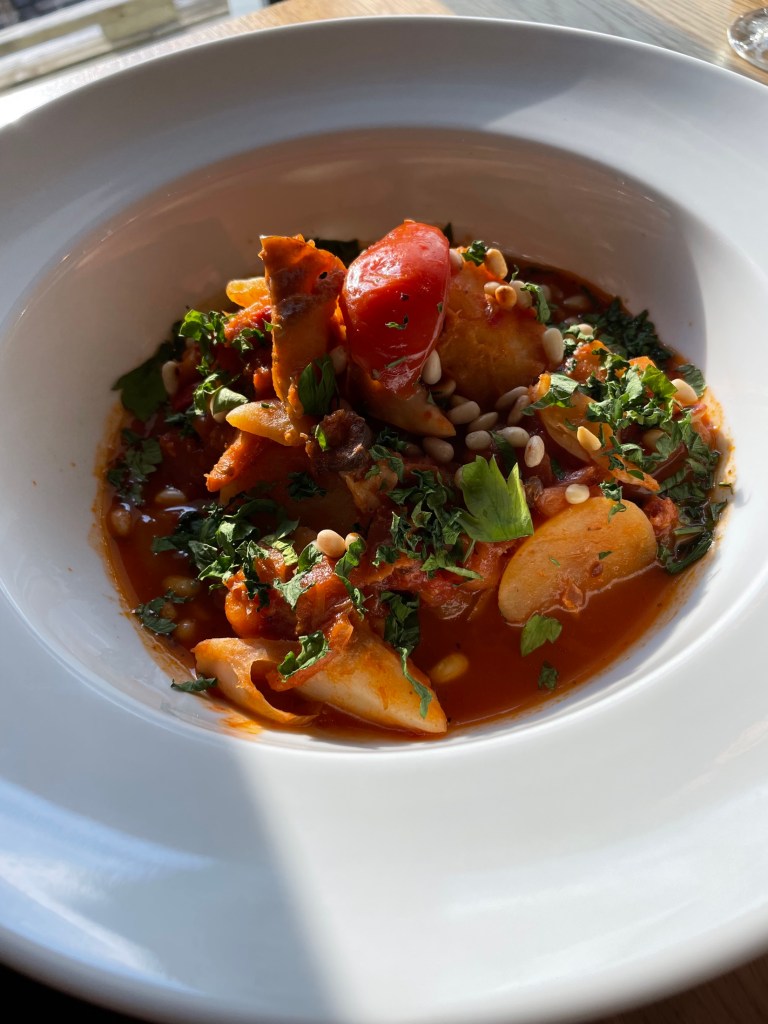


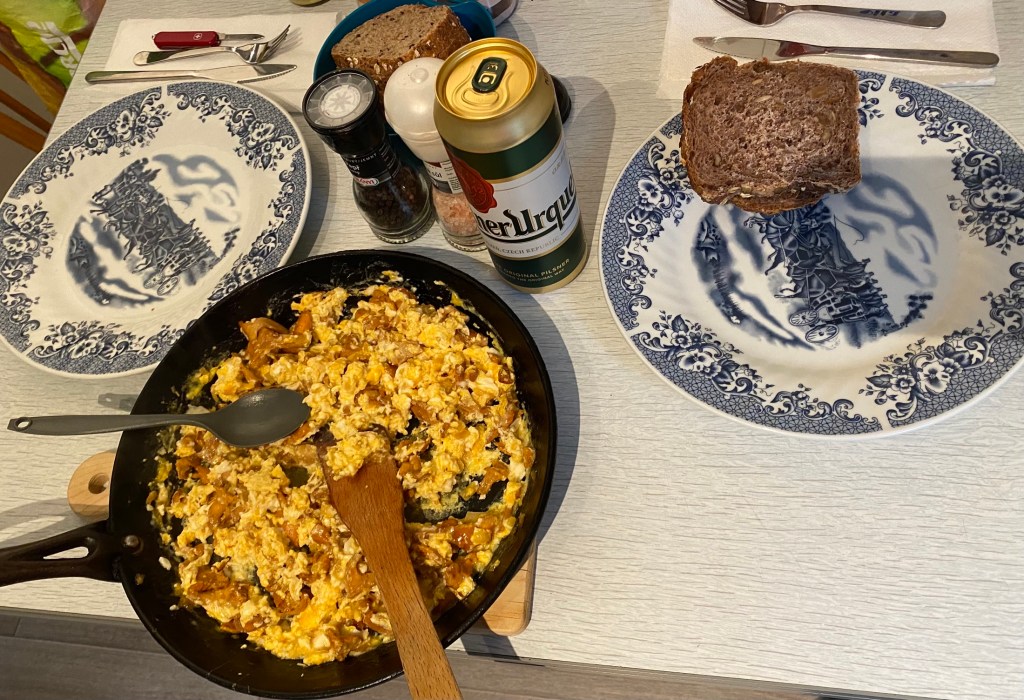


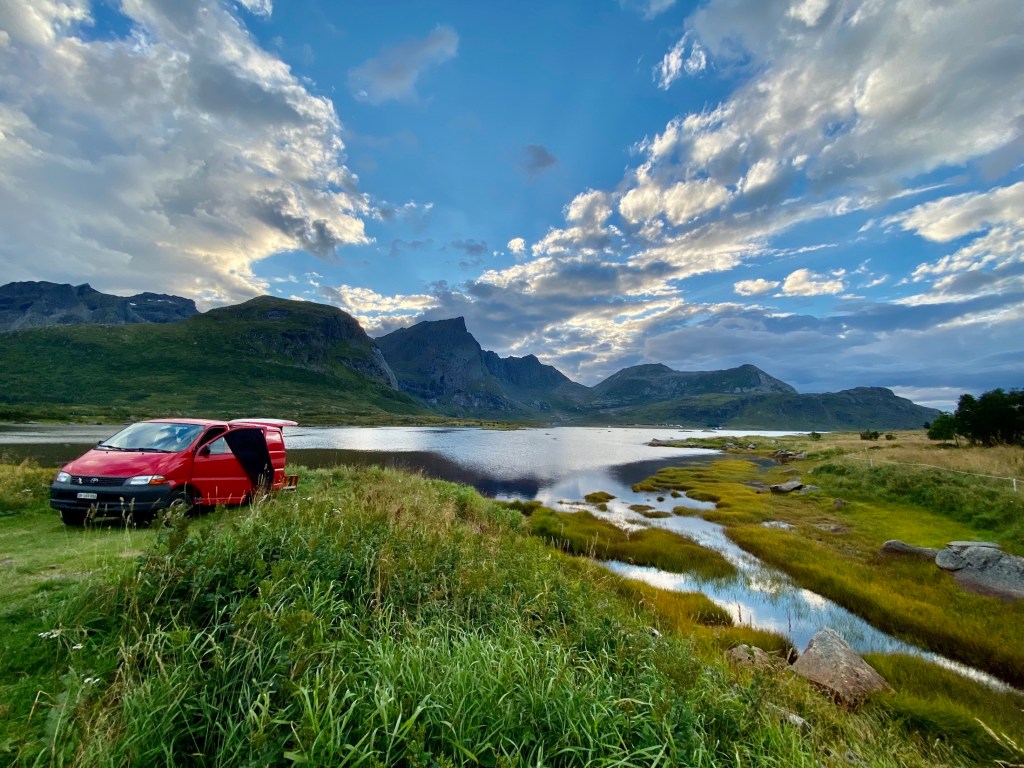

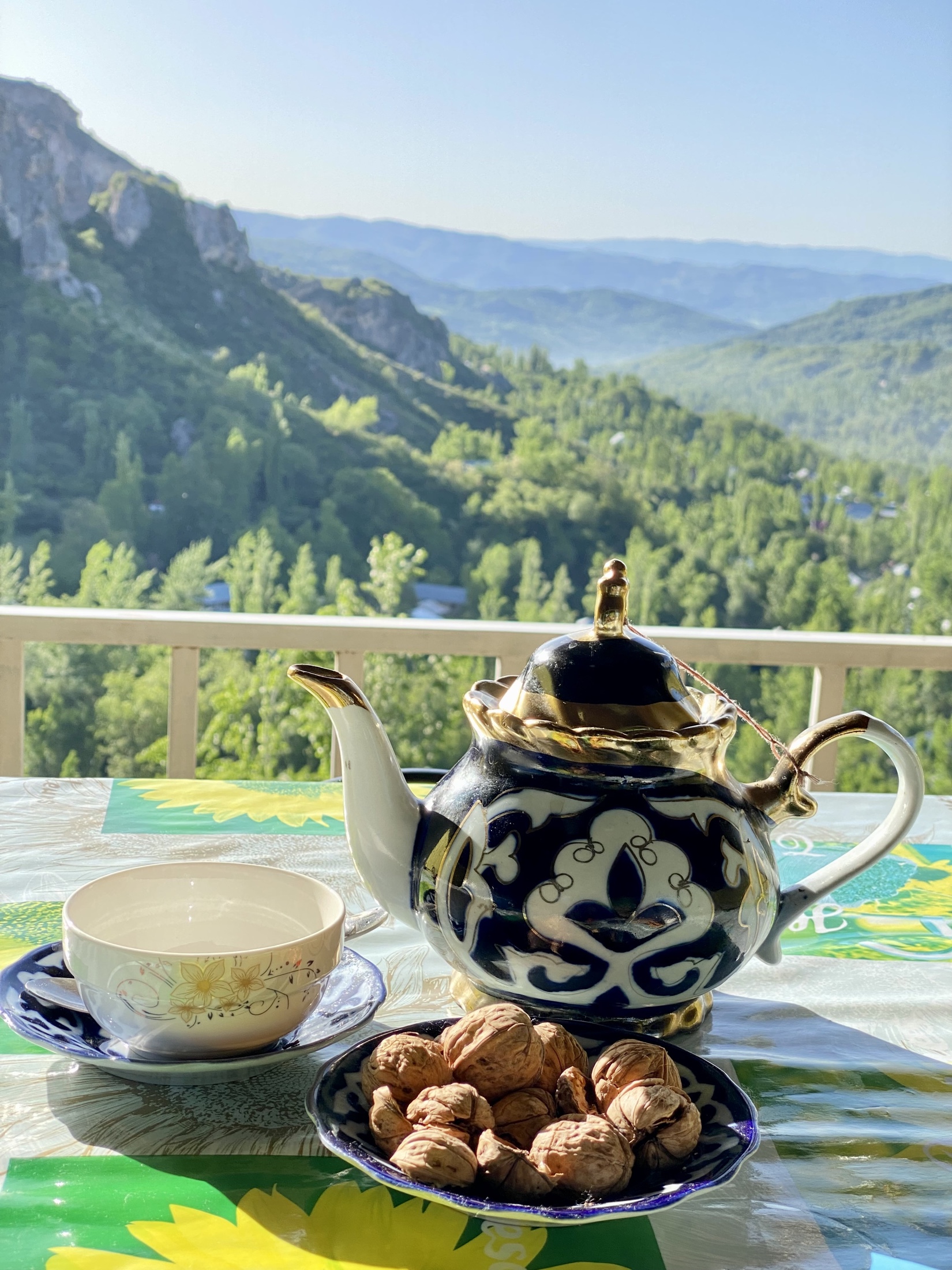








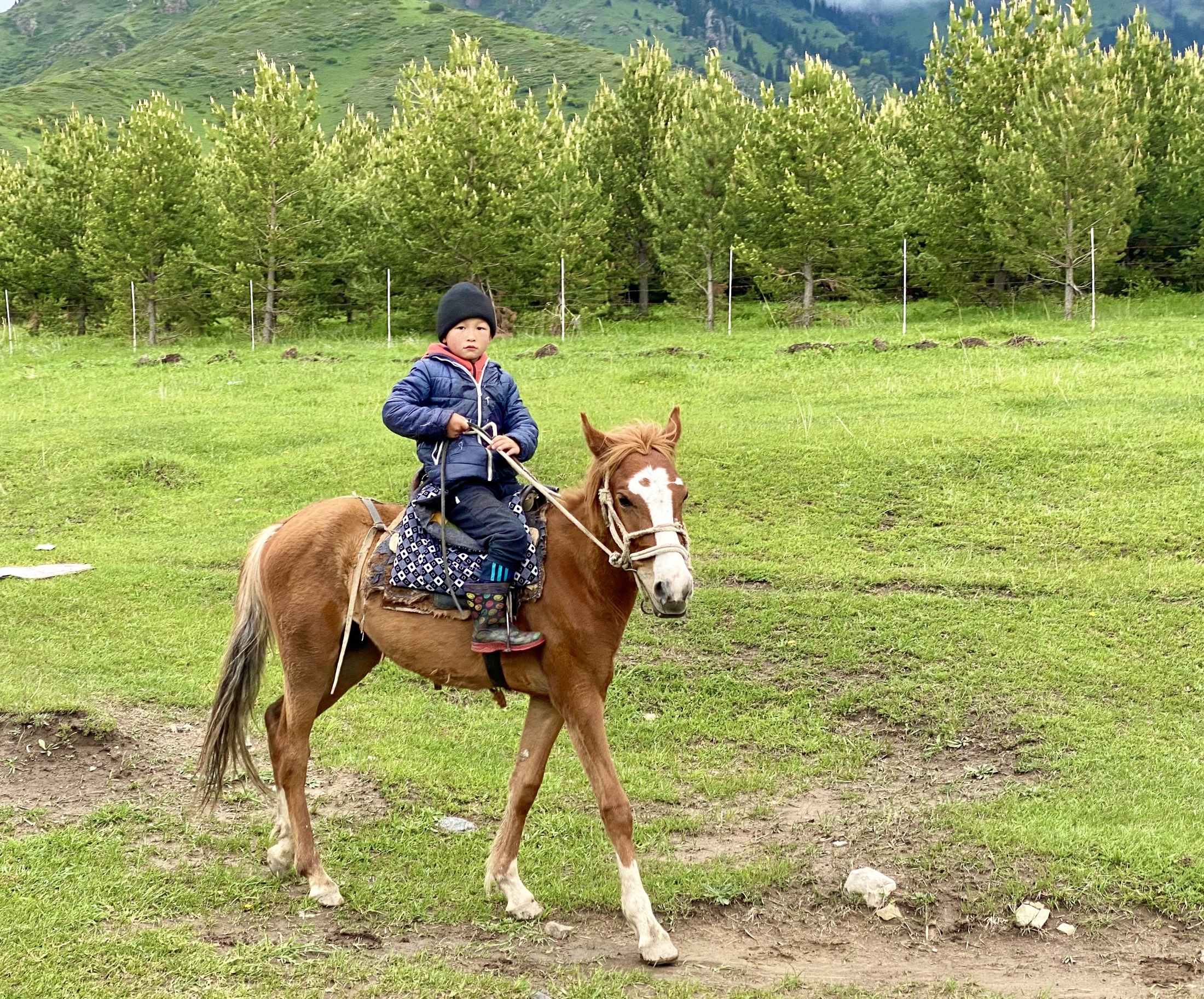


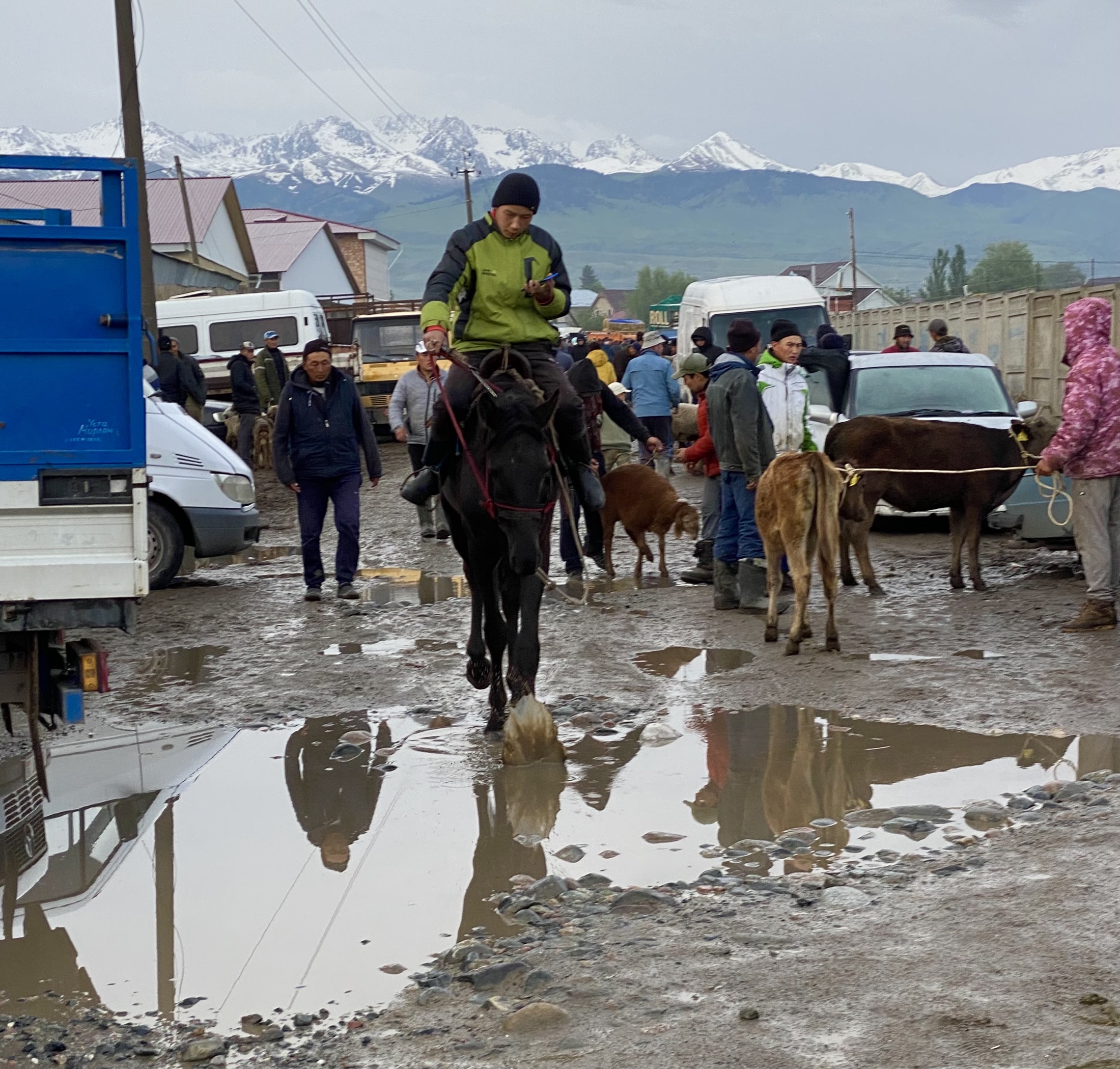


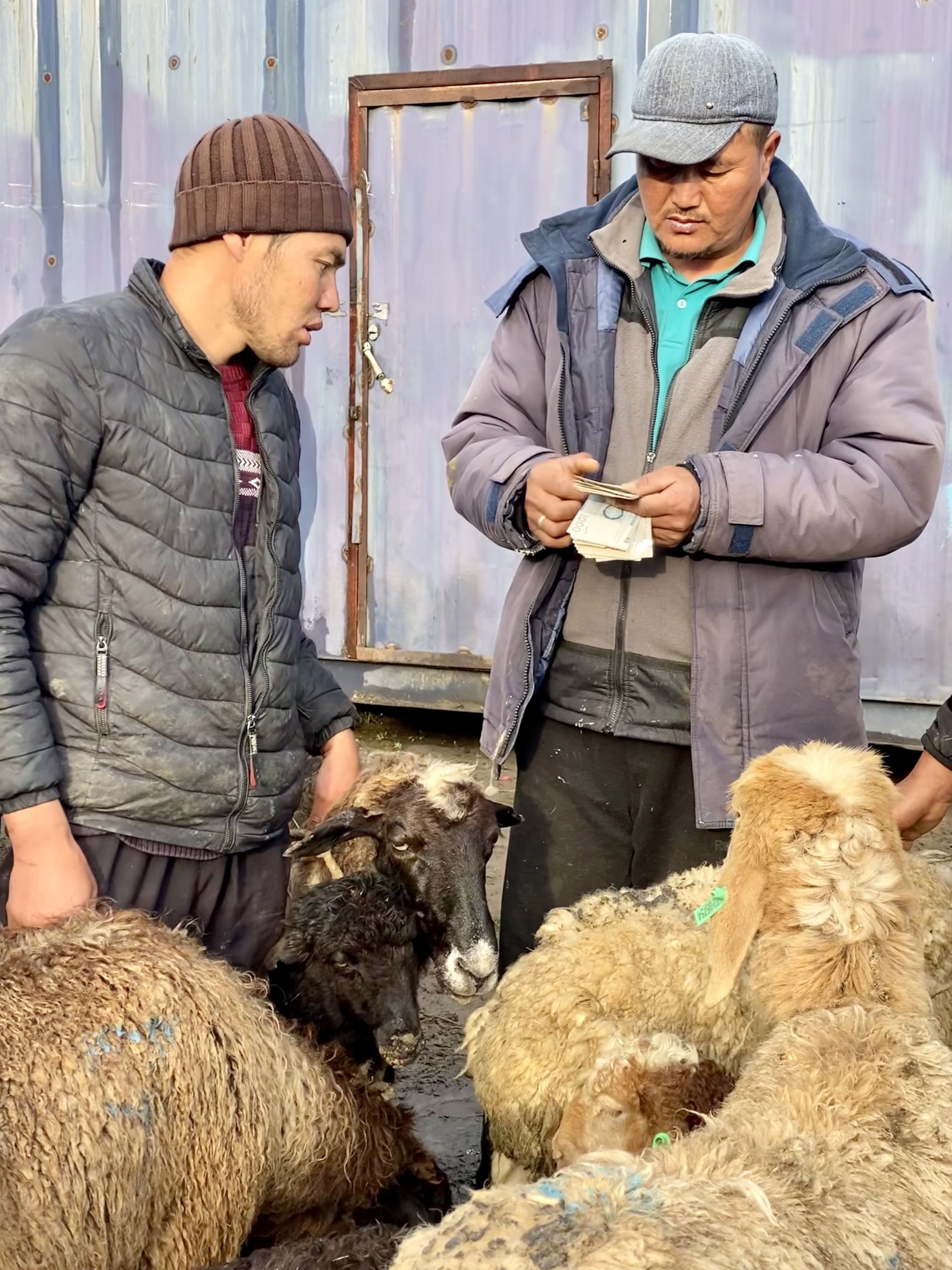


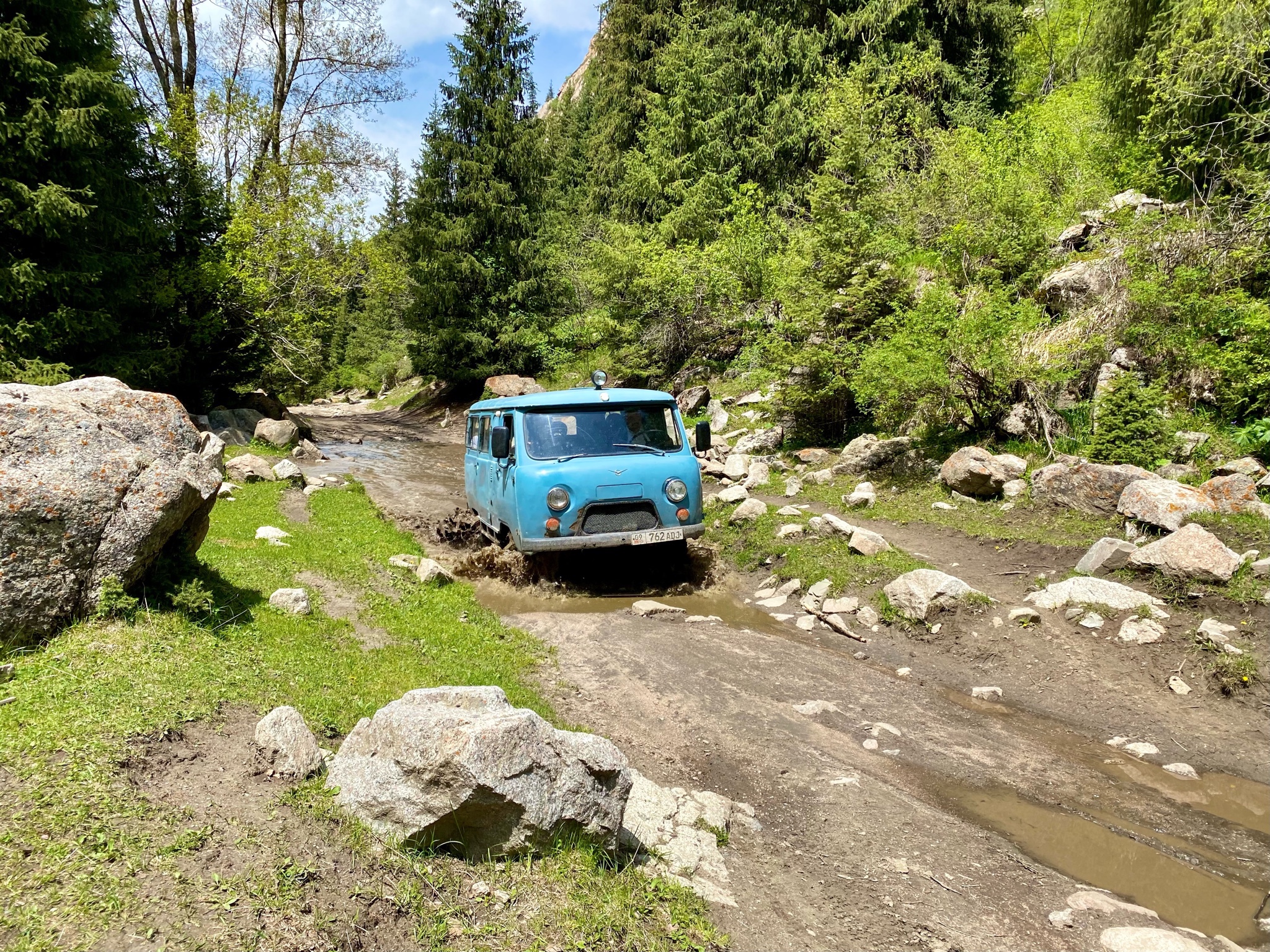

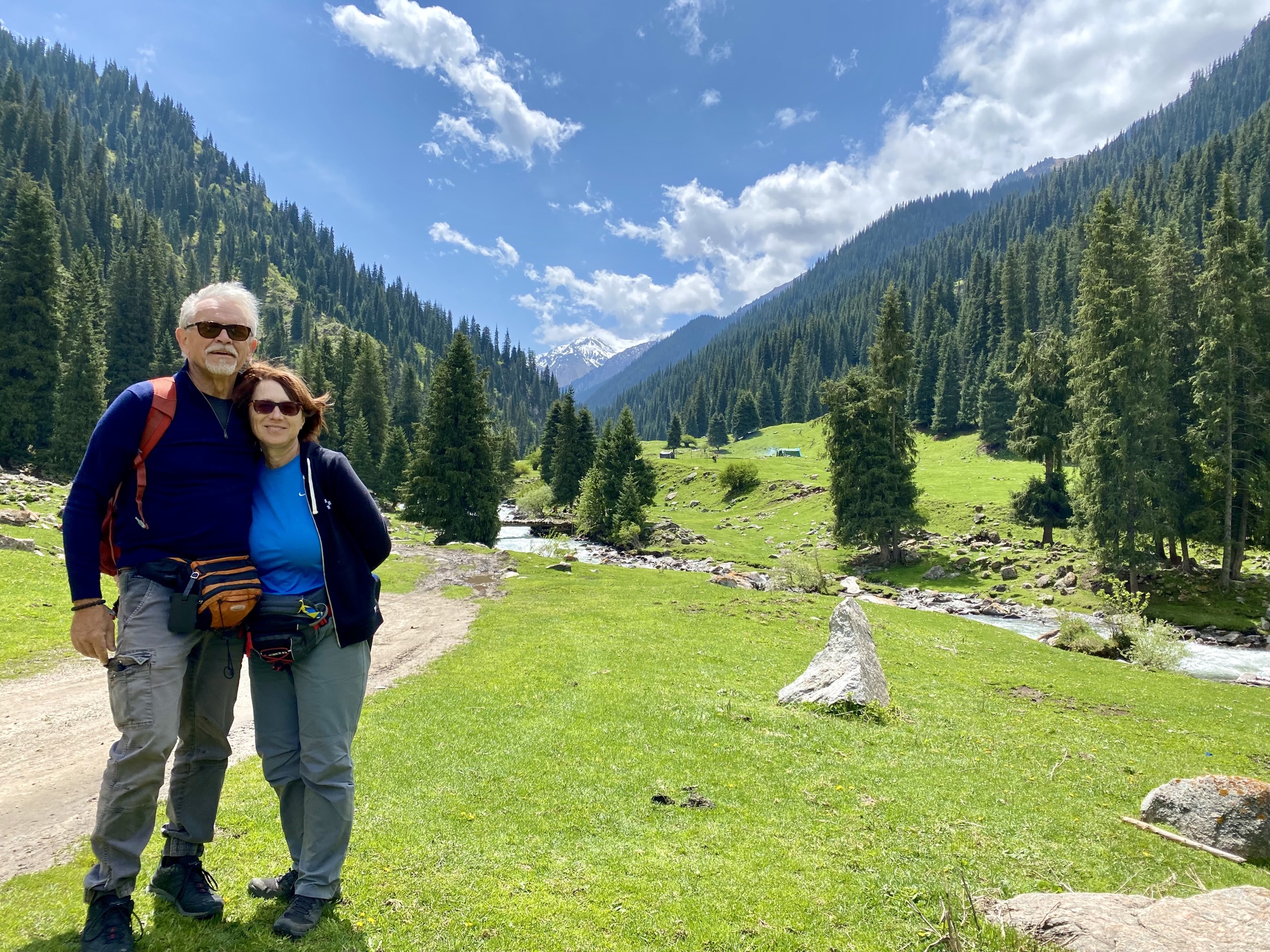



 Crazy Parents Travel