
 I do not remember a trip, no matter how extensive, at the conclusion of which we did not feel that something special still might have been missed. Our last year’s grand sweep of Australia left us missing Aussie Open finals by just a few days, so as you know, I had to return. At the same time my South African dive master in East Timor mentioned that his last job in Western Australia was in a diving paradise called Ningaloo Reef, so the add on for this year’s plan was hatched!
As for Western Australia I barely knew more than its capital Perth. One big town surrounded by vast 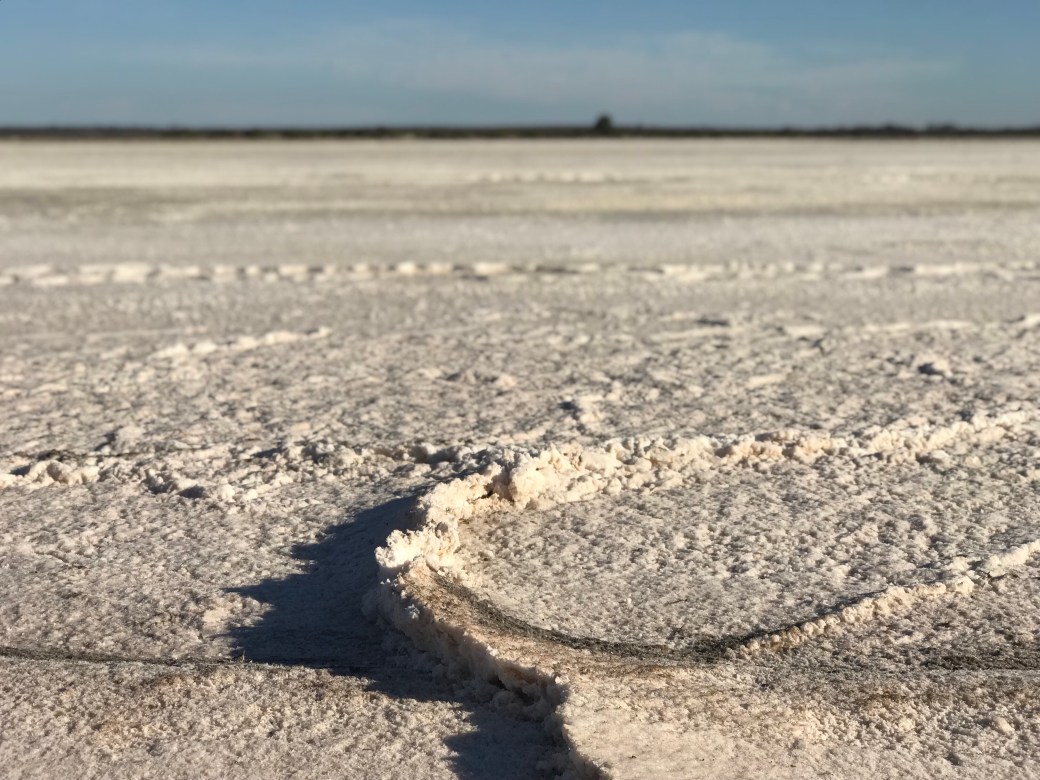 emptiness with a few mines sprinkled about. A few thousand miles of nothing before you get to any decent sized town in Eastern Australia!
Looking on the Google map we found the distance to the Northernmost tip reefs daunting and the Weather app predicted record high temperatures. Worst of all, our time frame showed no migratory movement of well known varieties of sea mammals that ply the coast of WA. All kind of whales, orcas and whale sharks seemed determined to ignore our plans to see them. So we set our sights on the bottom part of the state south of Perth and what an auspicious decision that was. Sometimes the best laid plans… become better plans.
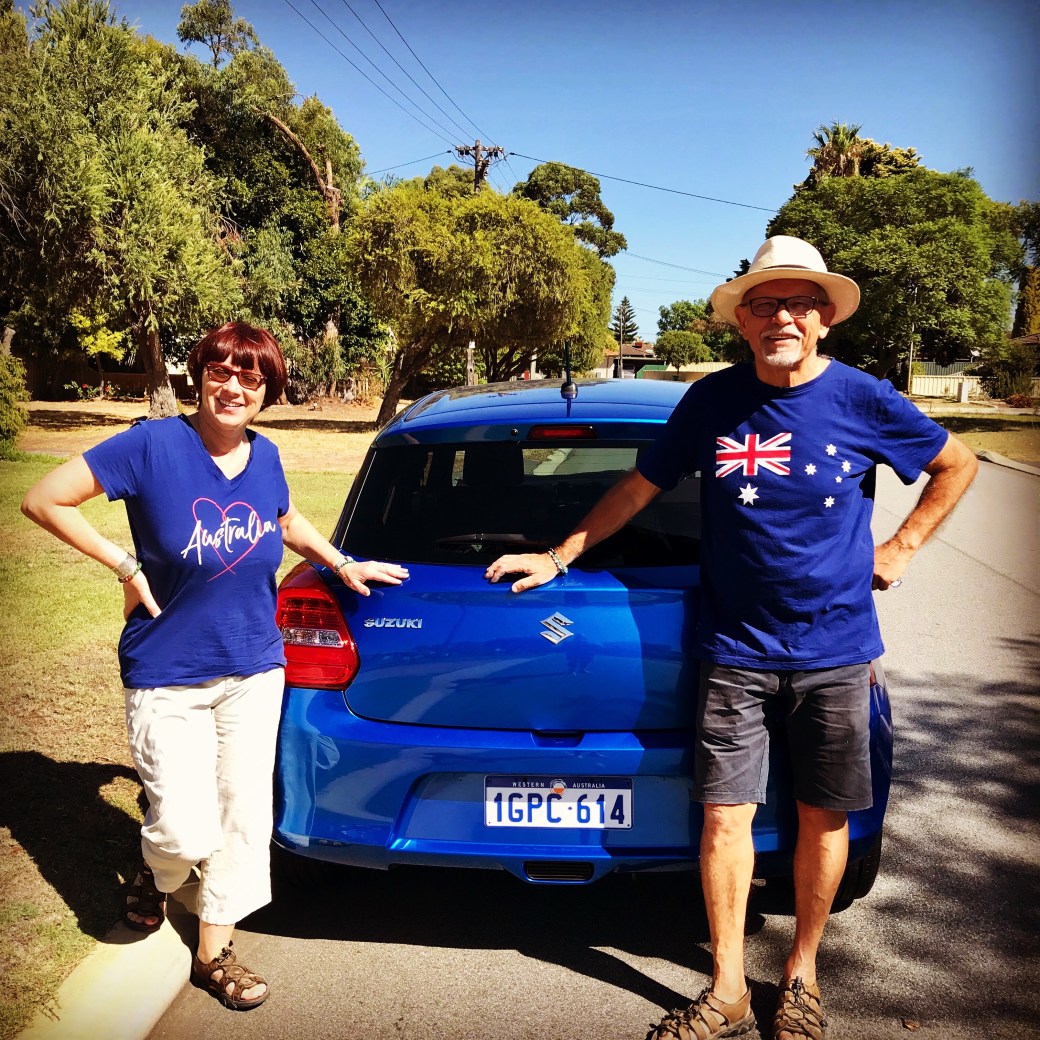 Our first day on arrival was shocking in the best sense of the word. Instead of sweating our way to the North where temperatures were hovering above 40C/100F we drove in our little blue car straight to the 800km/500miles distant town of Esperance on the south coast in pleasant 25C/75C temperature. We encountered a surprising variety of greenery filling Australian bush with, to us yet unknown creatures like this cross between grass and palm and tree
 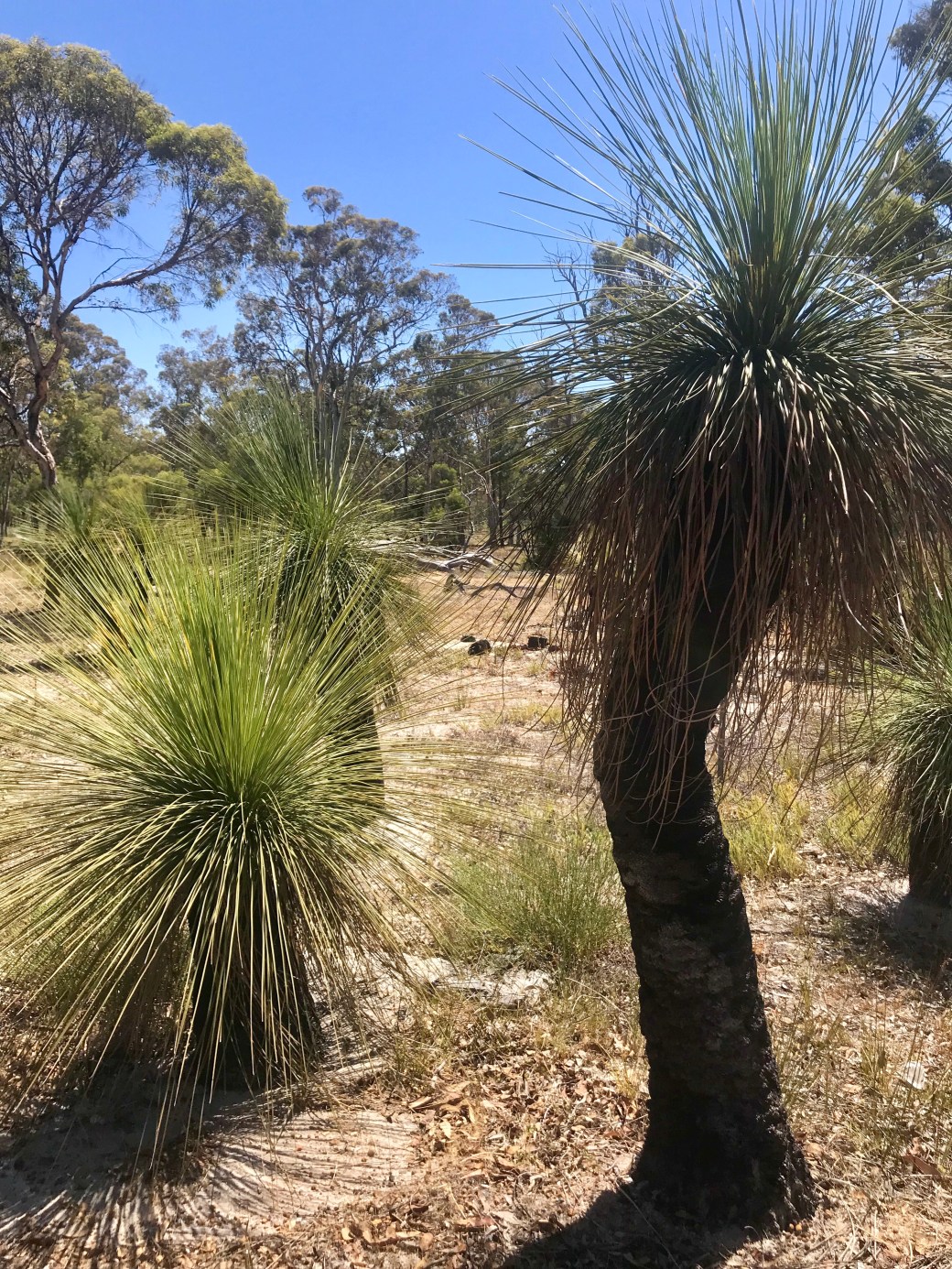 called, as we later found out, politically very incorrectly – Black Boy.
When we finally reached the vast emptiness of this continent, we marveled at the large plains occasionally inhabited by lone old trees and not much else. This is called “the wheat belt” 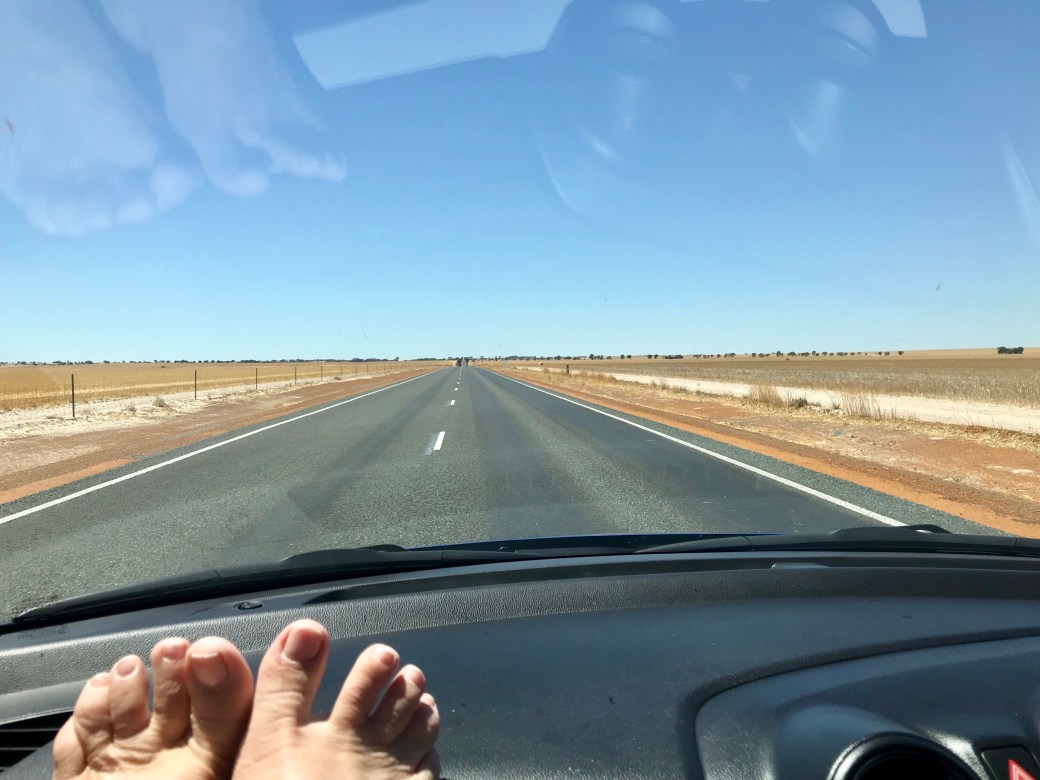 as it is populated by farmers, which on a few thousand acres sized farms, make a decent living from grains of all kinds. They move between their farms, bars, general stores and bank ATMs on perfect roads, sometimes even below speed limit. In their isolation and solitude they forge close relationships with their pets, which are actually working farm dogs and love them beyond their useful lives.
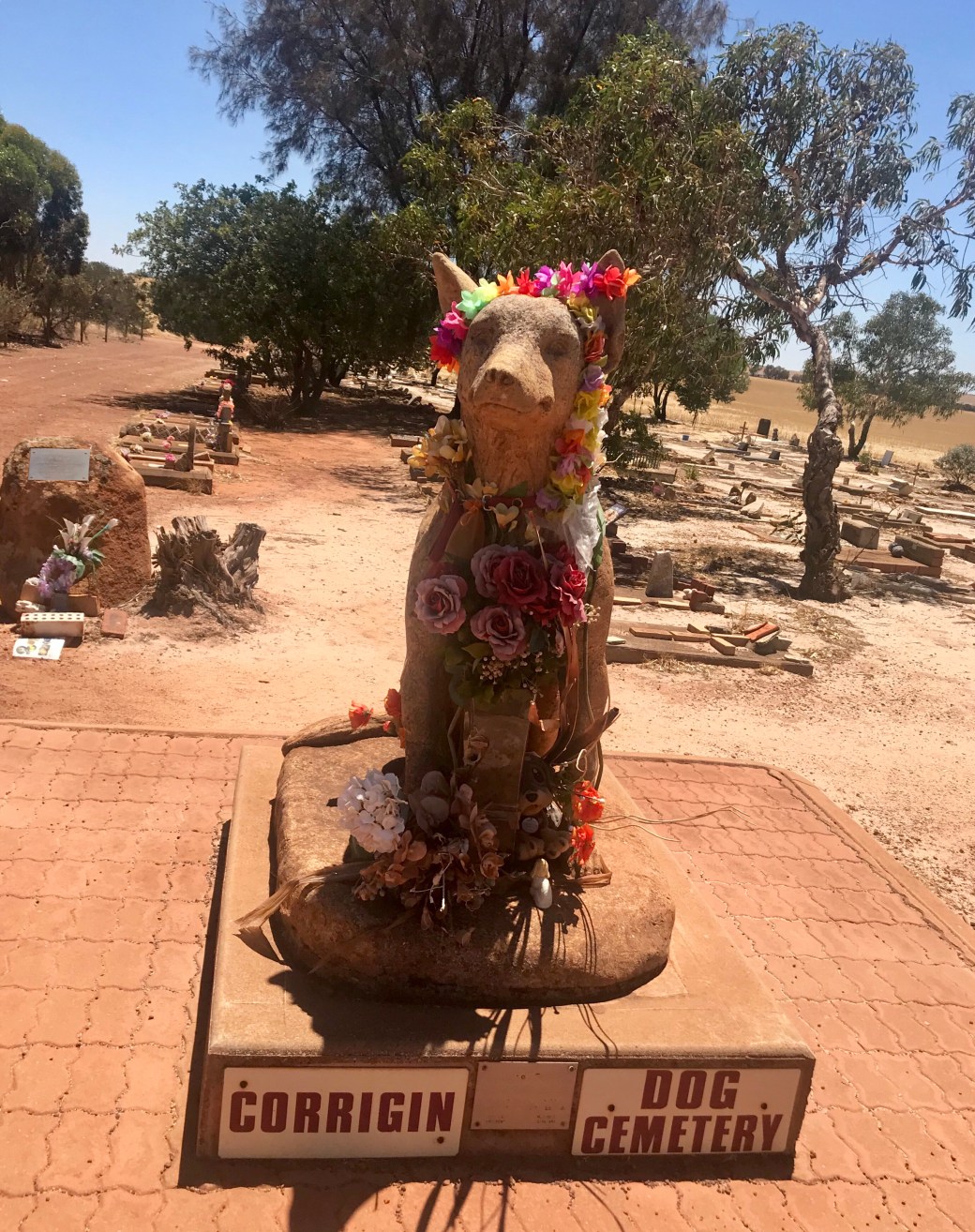 People of the small town of Corrigin expressed their devotion in the special cemetery where touching tributes were paid to their “best mates.”
Sometime, between those farms we passed by strange lithium ore mines, an element needed badly by all of us who cannot live without lithium battery powered devices like iPhones, computers, Tesla cars, or Boeing Dreamliners. The by-product of the mining boom is good paying jobs for those willing to move into barren mining places from the rest of Australia and beyond. They eat forty bucks steaks for dinner flushing it down with ten bucks bottles of beer
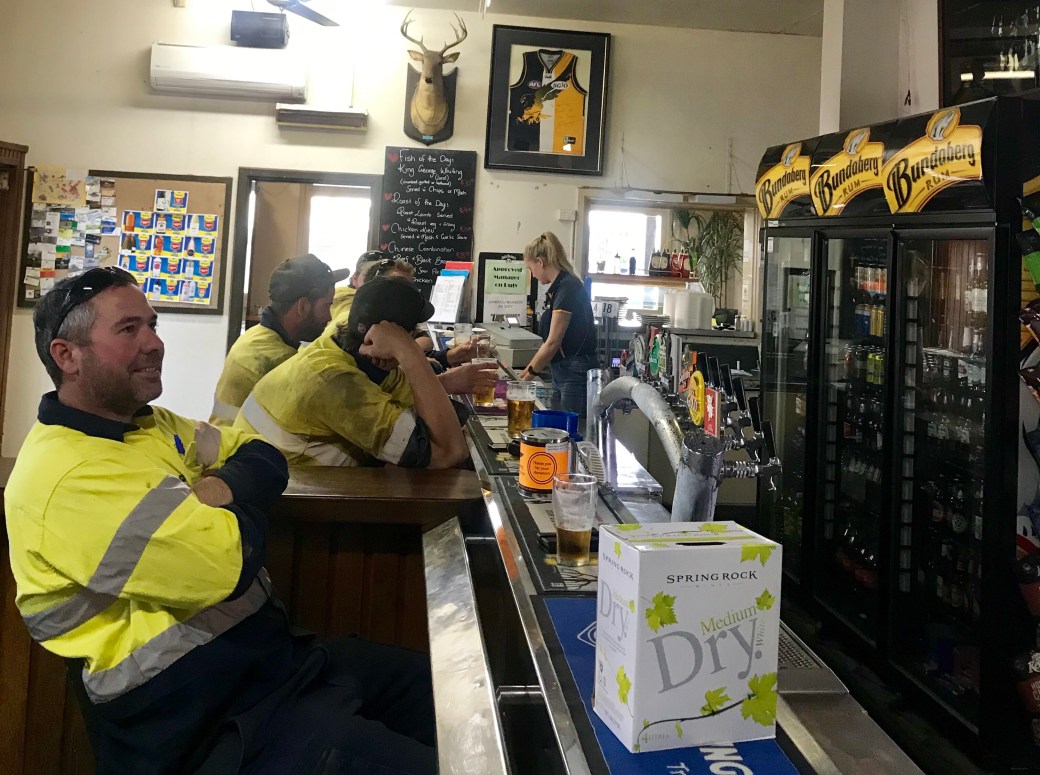 in addition to filling vaults of banks in Perth or Sydney and coffers of Australian governments with cool cash. All that lithium goes straight to hungry Chinese production lines with the help of gargantuan road trains moving in short intervals to the newly upgraded ports on the southern coast. In our Mini Suzuki we feel like Gulliver hopelessly lost among giants. When we get scared off the road, we take a break to see places where Australia may still look like before the European settlers (or prisoners) showed up on its shores. Here, in the Mulka’s cave we got a cherished opportunity
 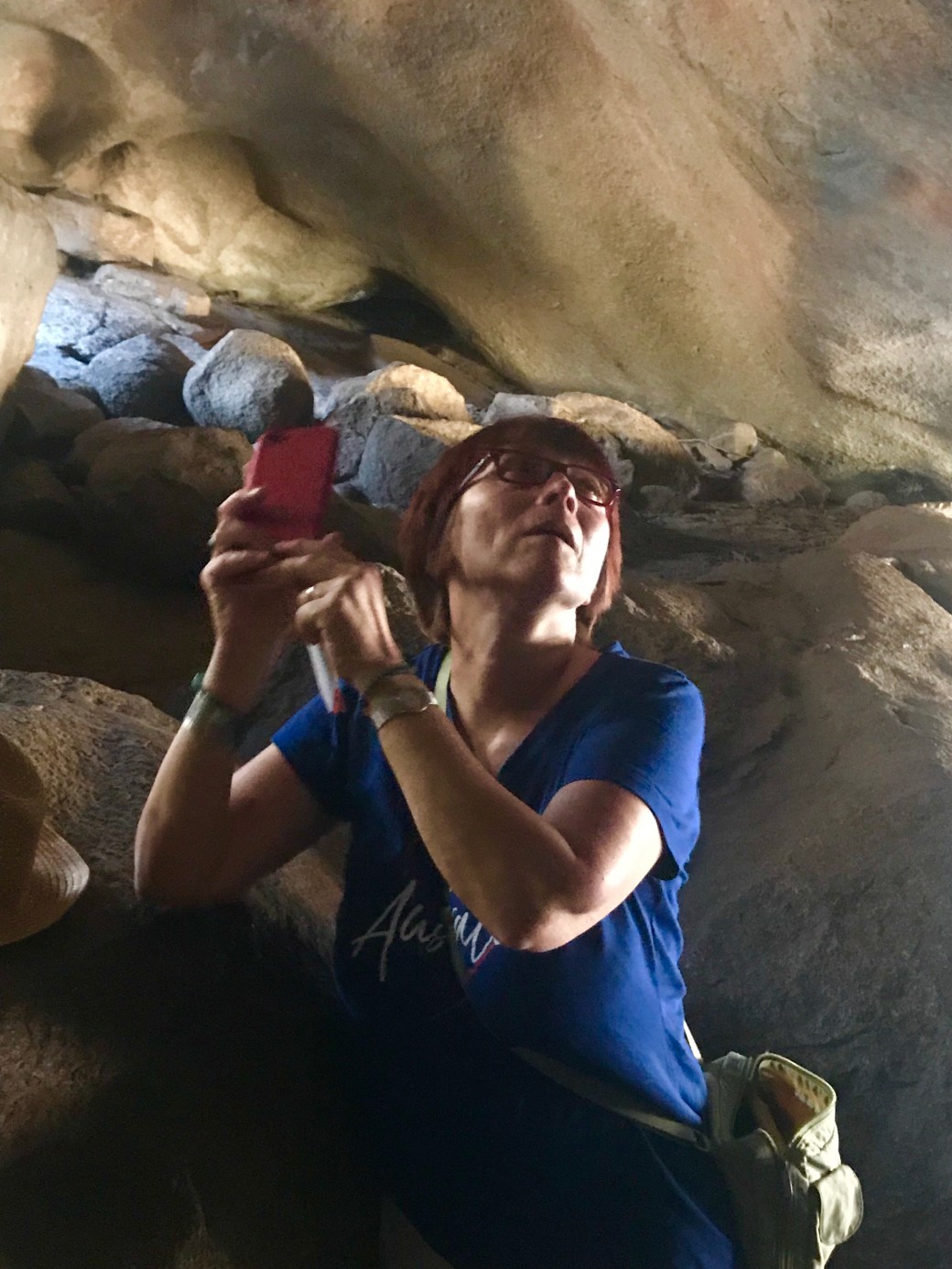 to snap a shot or two of the hundreds of Aboriginal
 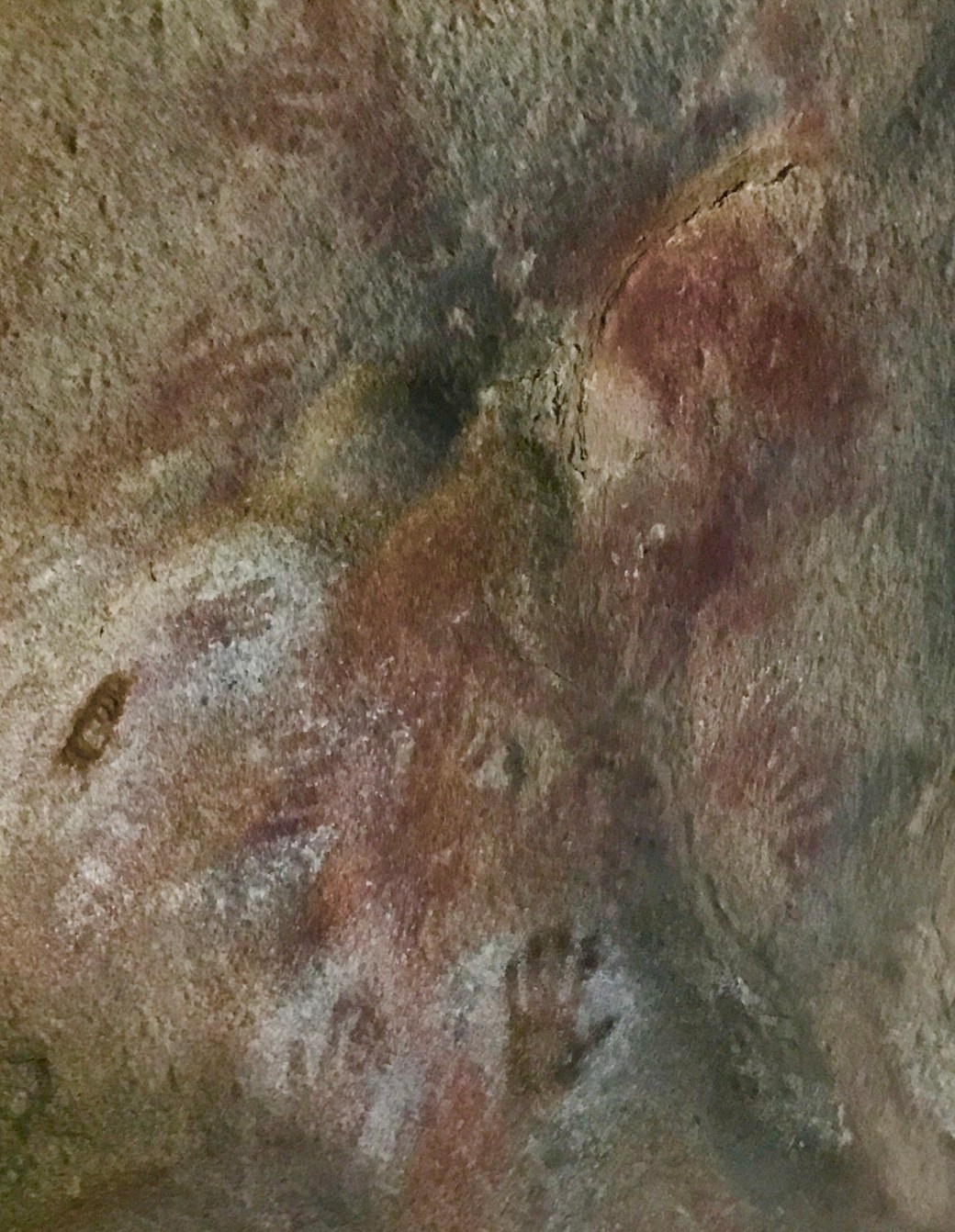 hand imprints. We don’t particularly care for caves of any kind, except for those bearing the artistic presence of our human ancestors. Those we love and look for all over the world.
Just a few miles from the cave is a fitting reminder of what Western Australia may offer on its far away shores. This huge Rock Wave, 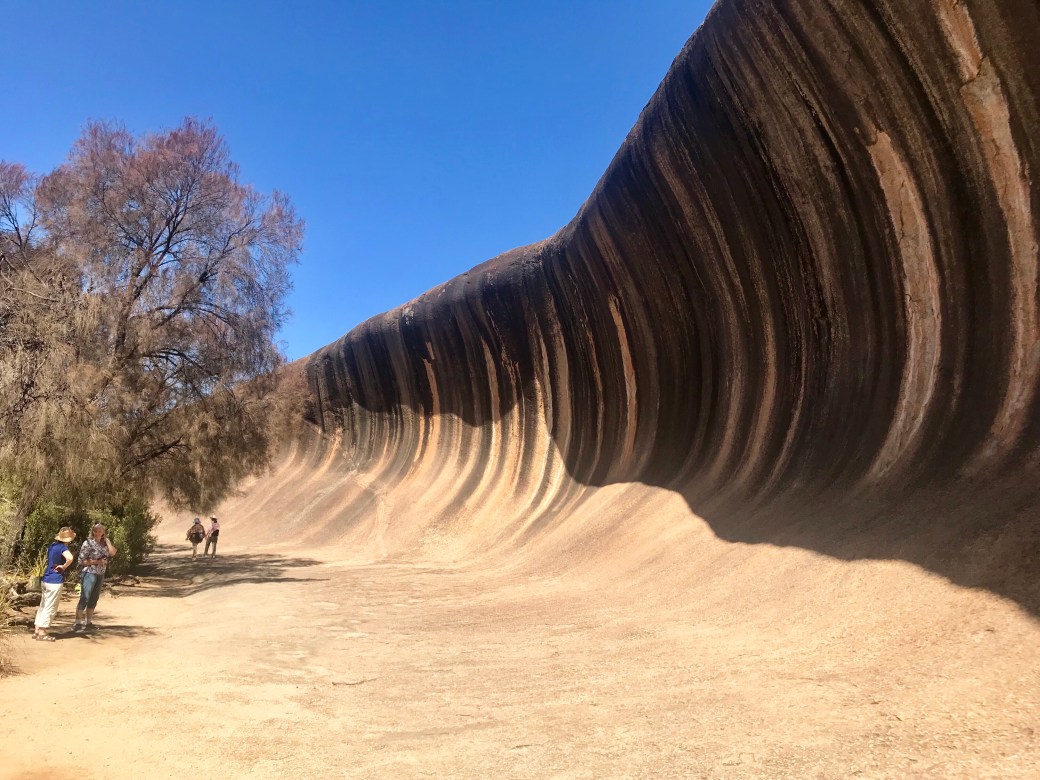 almost 15m/50ft high, leaves no doubt in your mind of what you should expect further down the road. The surfing/wind-surfing/kite-surfing paradise at its best!
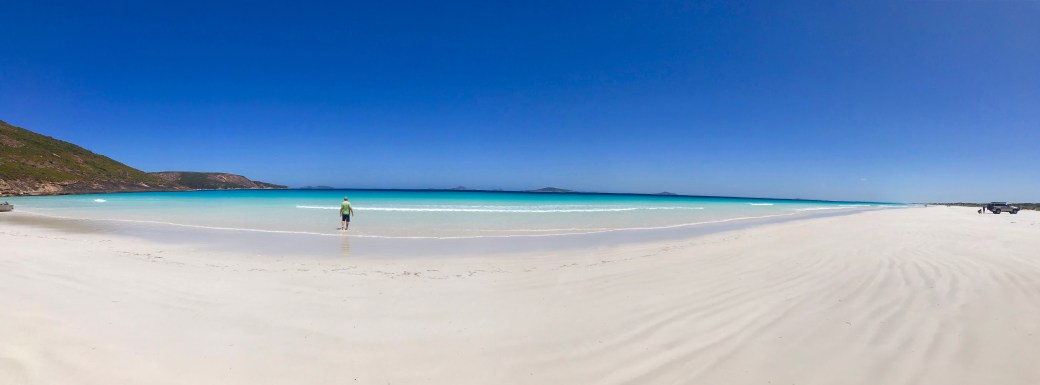
And when we reach those shores, Bay after Bay, they are better than we could have imagined. But nothing prepares you for Lucky Bay, the beach with the whitest sand in all of Australia. (Scientifically measured and proven.)
What would you prefer?
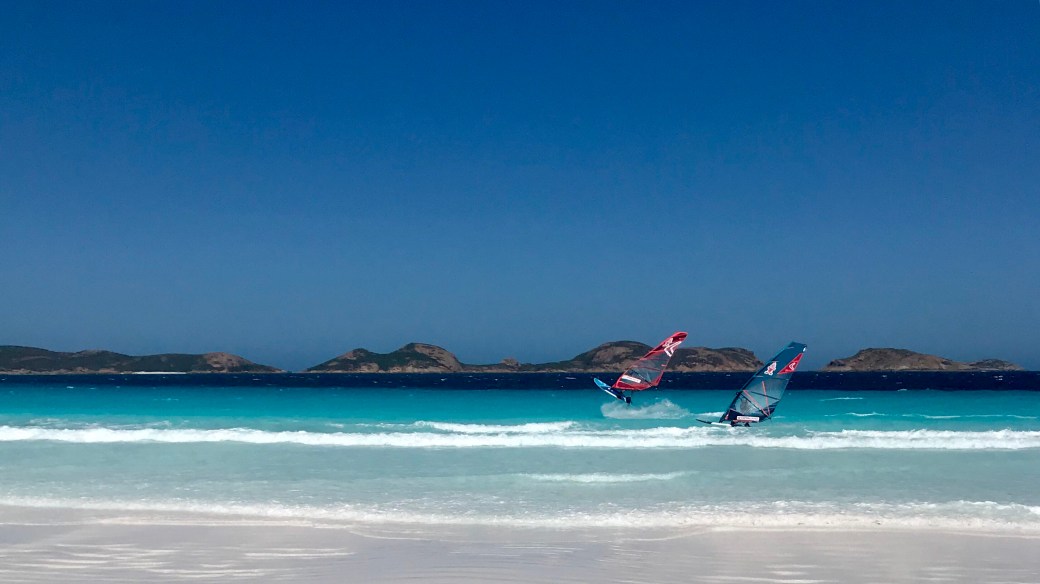 or enjoying some friendly competition with your mates?
 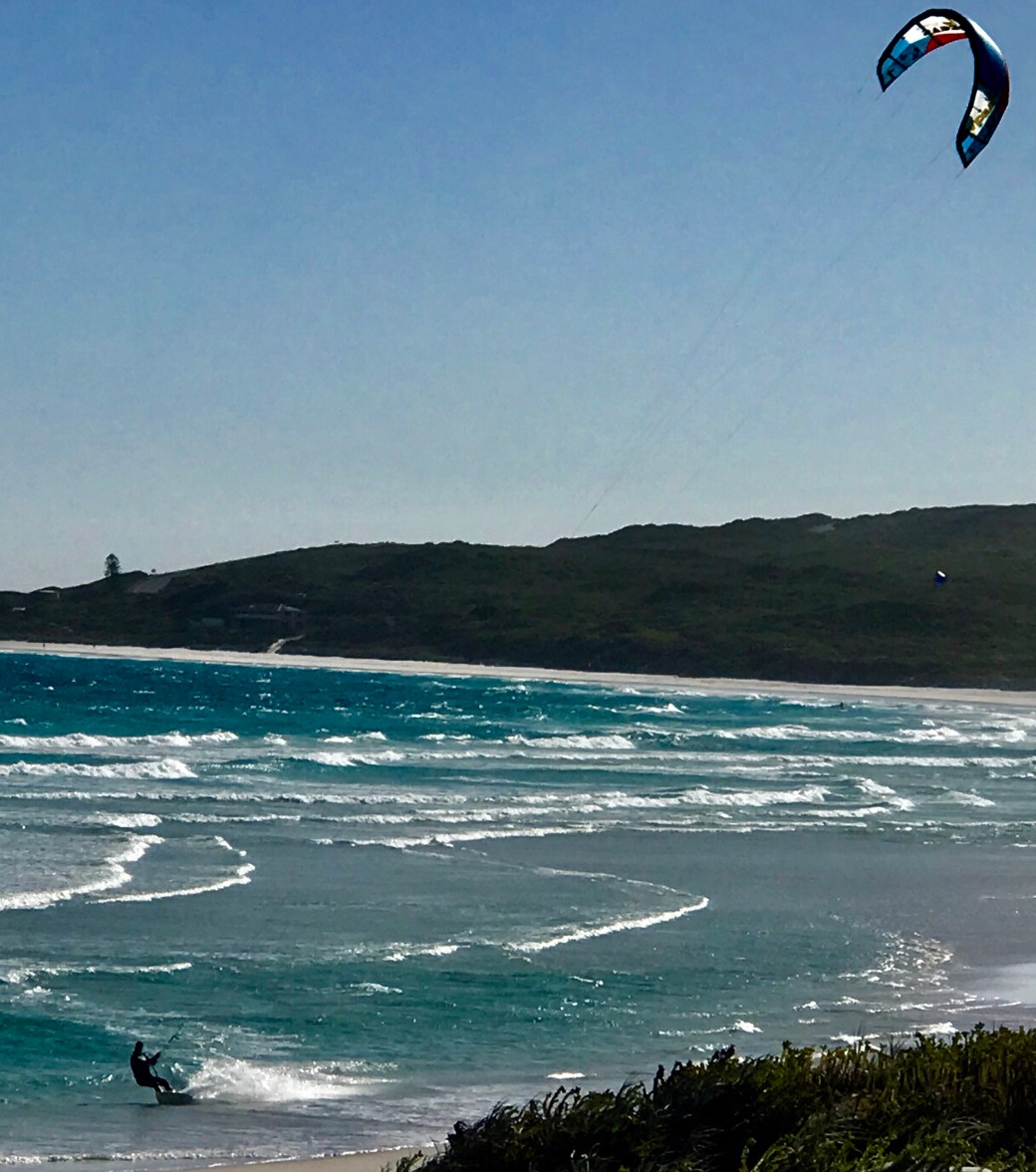 Kite-surfing …
 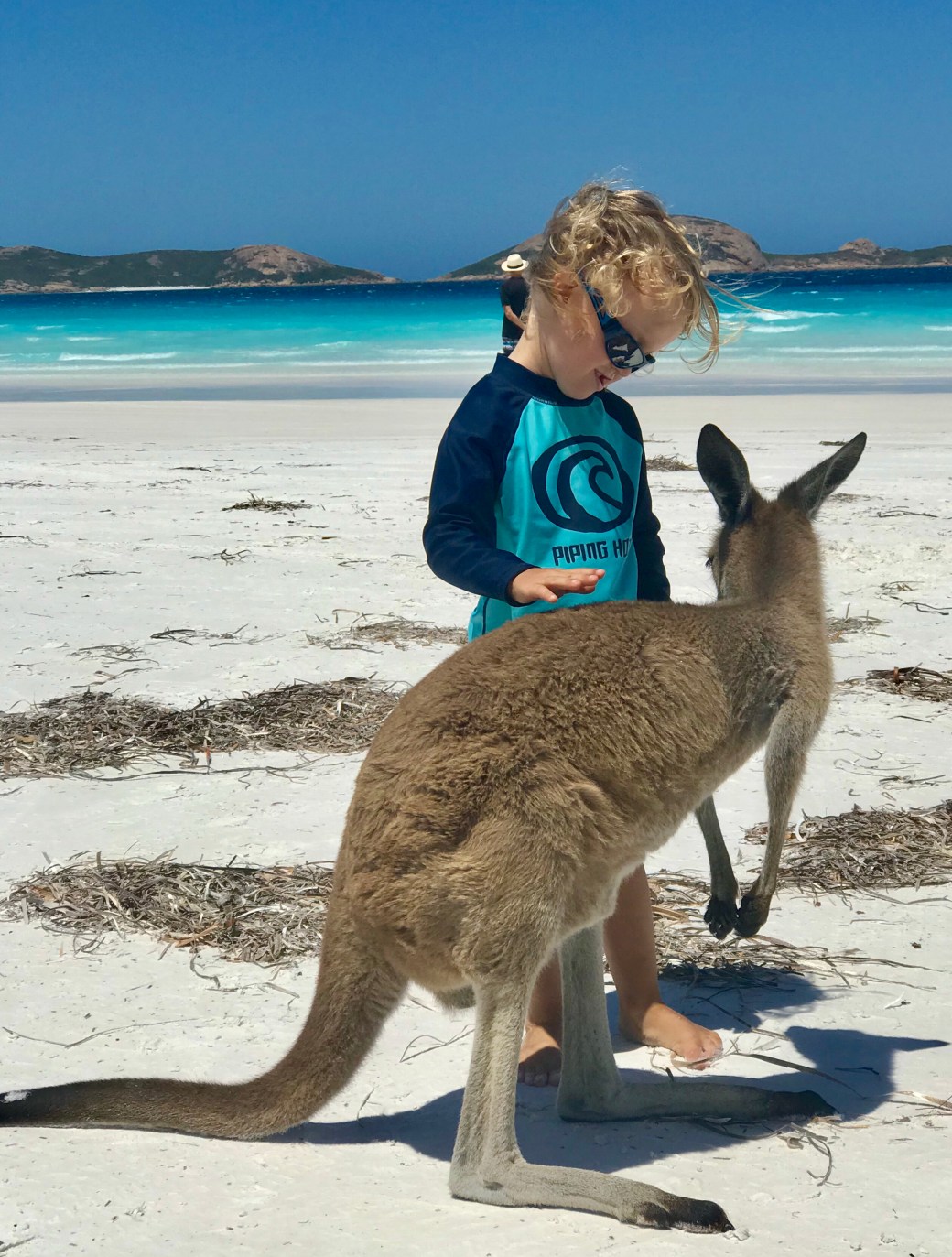 … or petting those friendly beach kangaroos?
 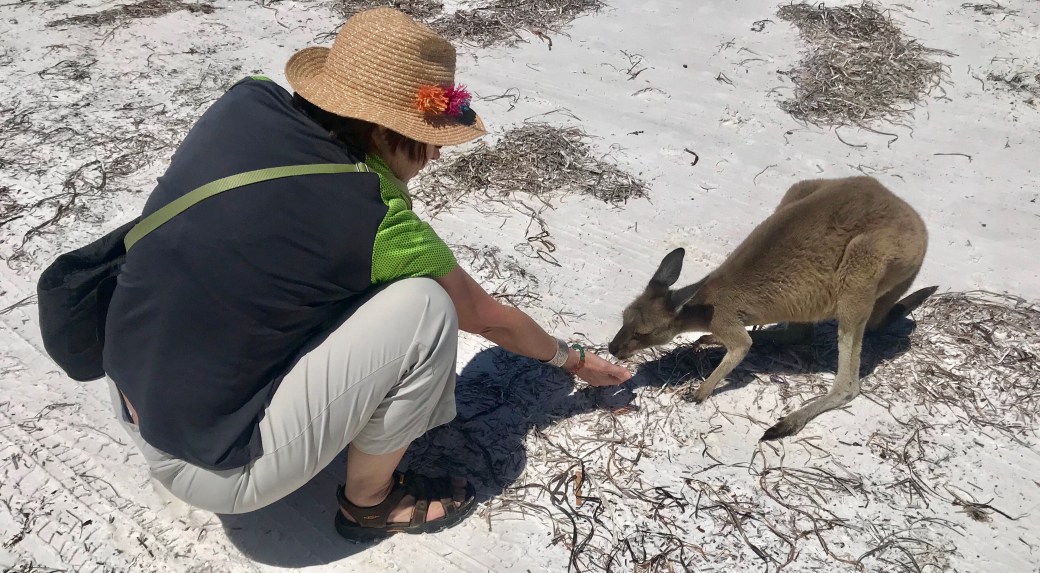 Hand feeding? Just seaweed?! You can’t be serious, Madam!
 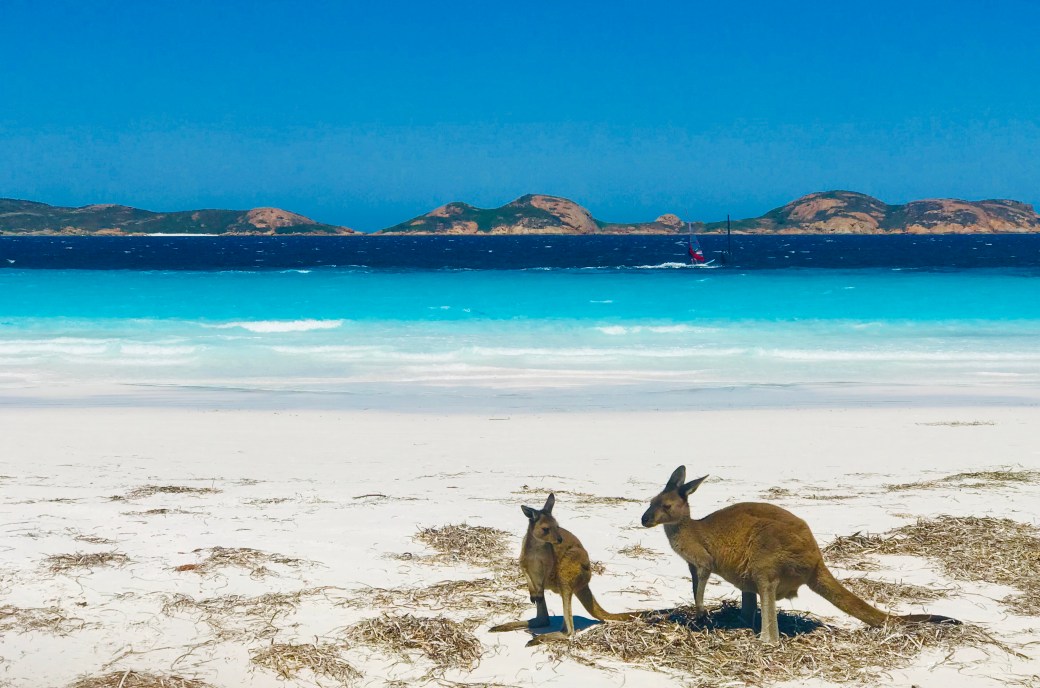 Better just observe them in their own environment and leave them in peace!
The natural beauty of the pristine southern coast of WA is beyond description. It has to be seen and enjoyed in person.  There are surprises around every corner: the yellow-orange blooming Christmas Trees (way past Christmas time) with the background of Rock Mountain sporting an interesting “needle hole” shaped top …
 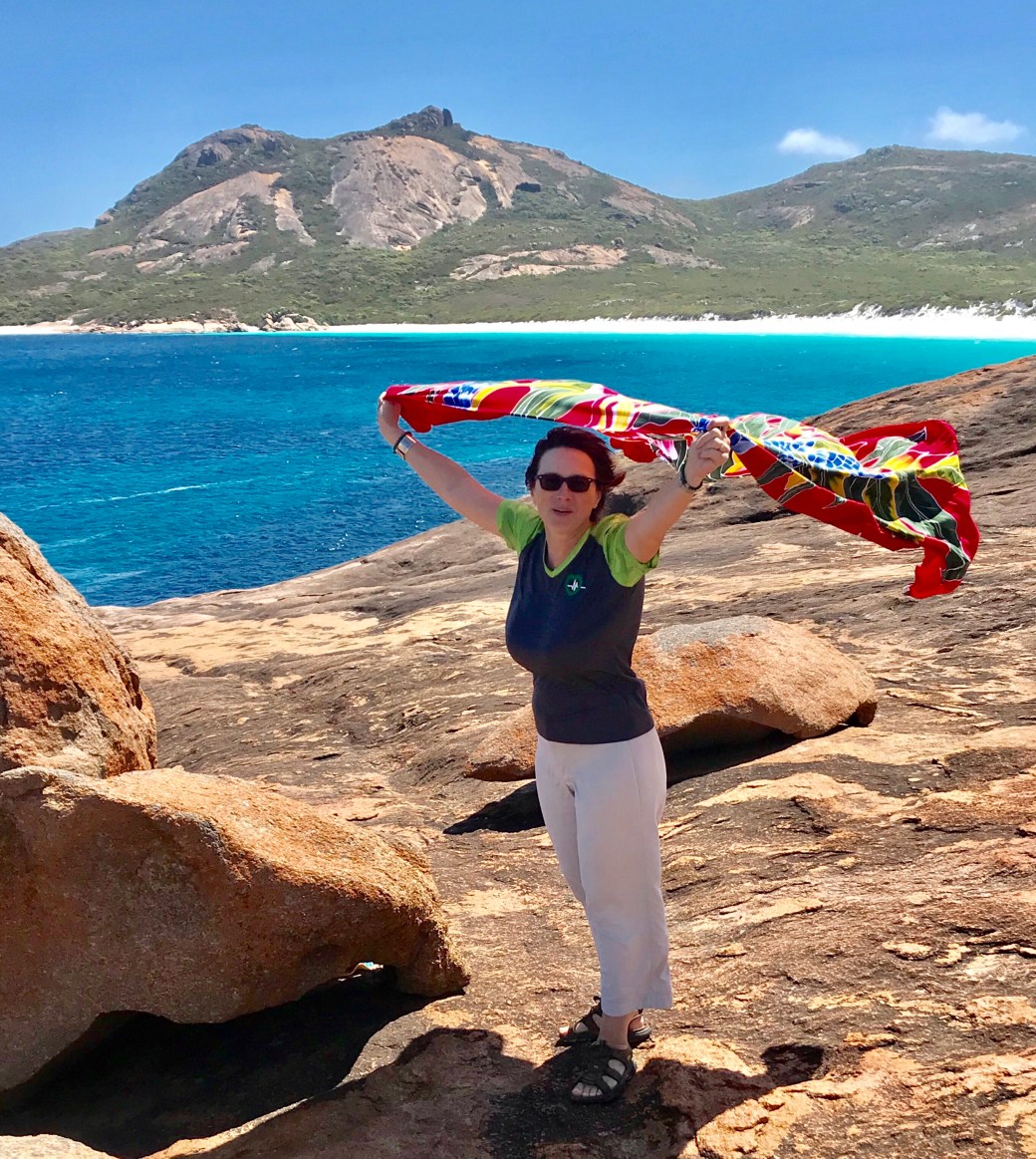 … pretty strong Southern Ocean breeze on the Thistle Beach in the Cape La Grand National Park…
 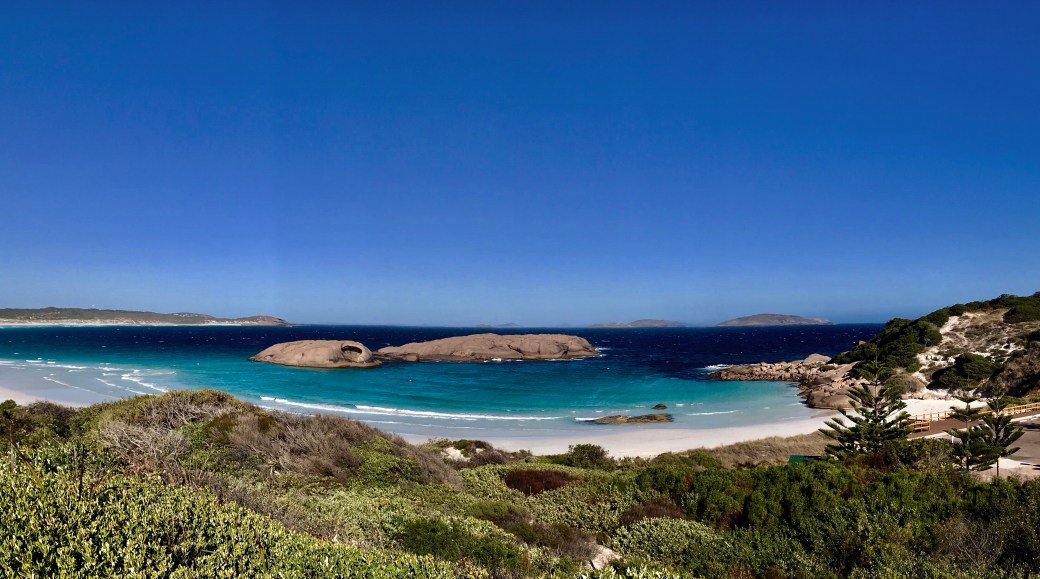 … and more beautiful coves with spectacular colors (no filter needed) and attractive names like the Twilight Beach west of the town of Esperance.
The famous Great Ocean Road west of Melbourne has nothing on these phenomenal views! 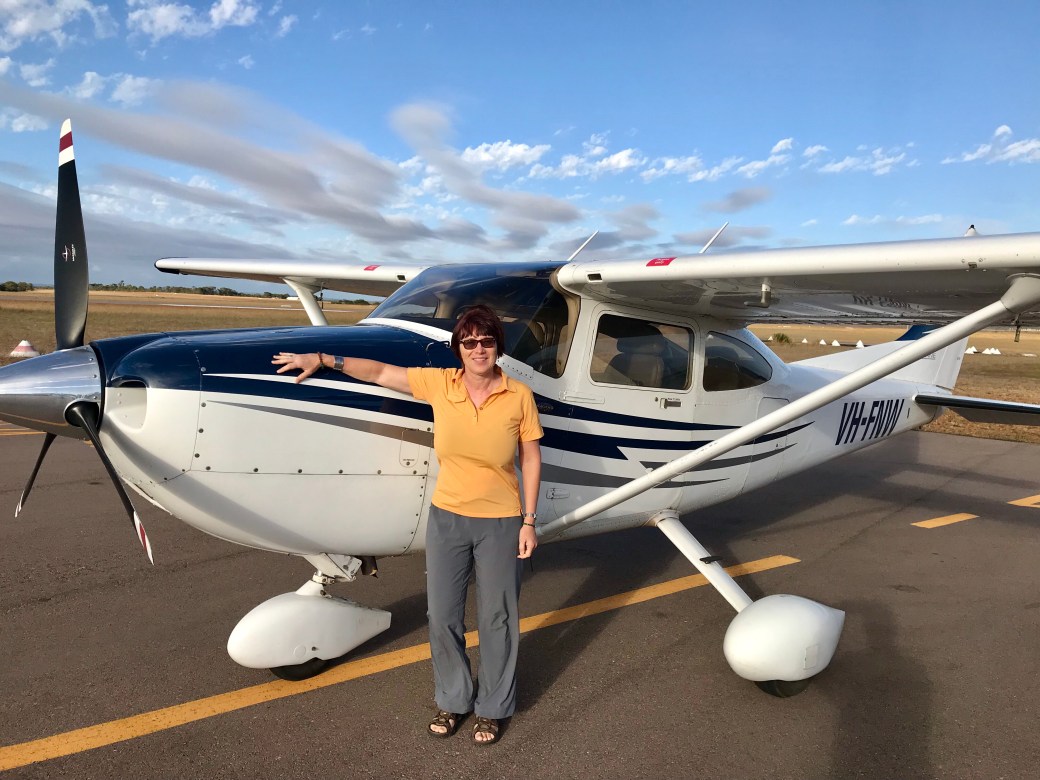 Driving around is not enough for you? Why don’t you get on the plane and fly over
 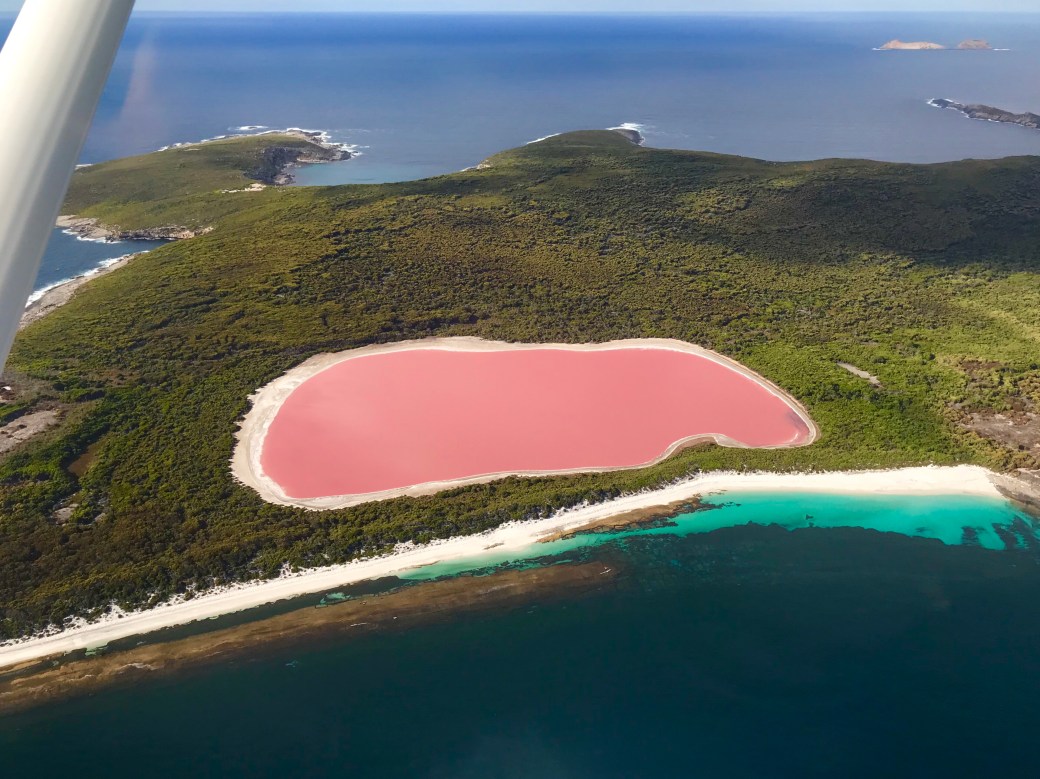 to see all those beautiful colors of the pink Lake Hiller on the Middle Island in the Cape Arid National Park.
Back on the coastal road you can find proud Norfolk Pines 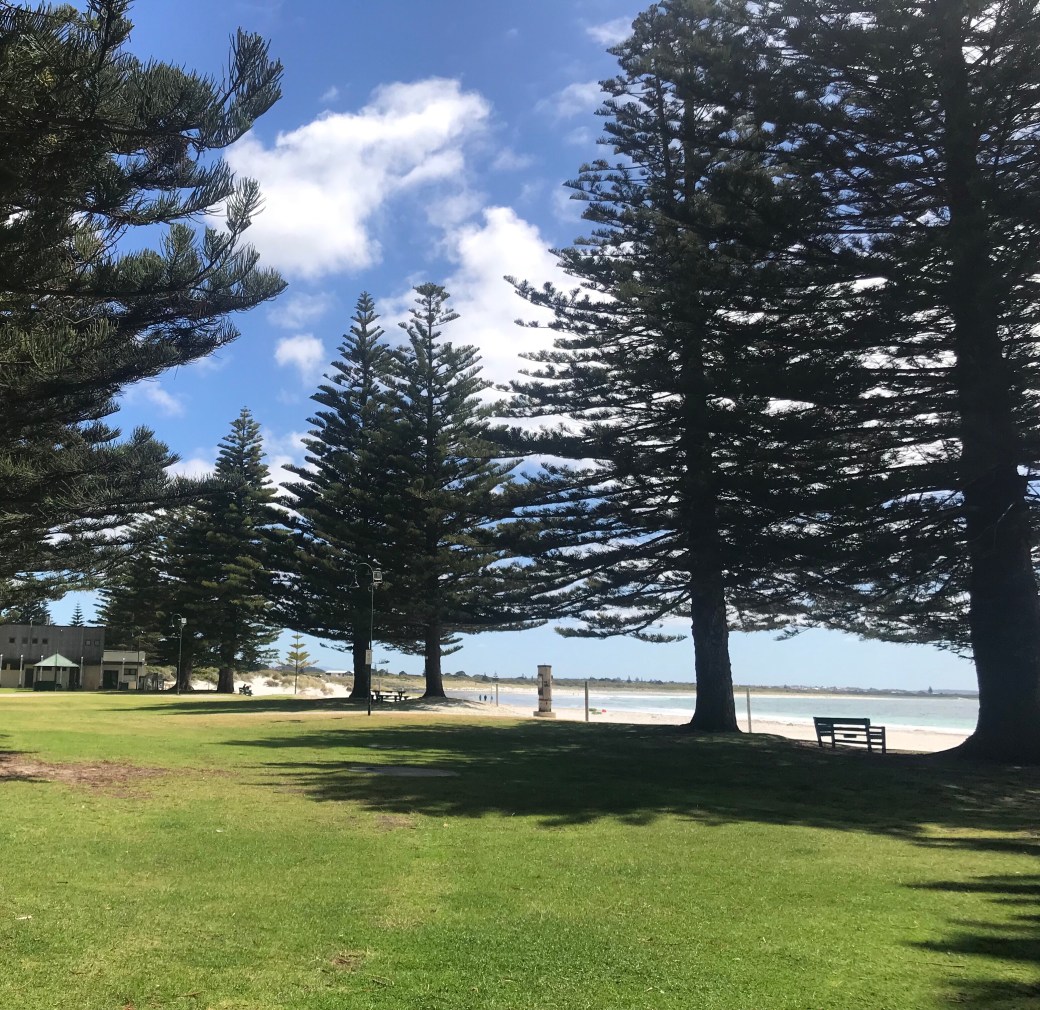 with funny, peculiar needles.
 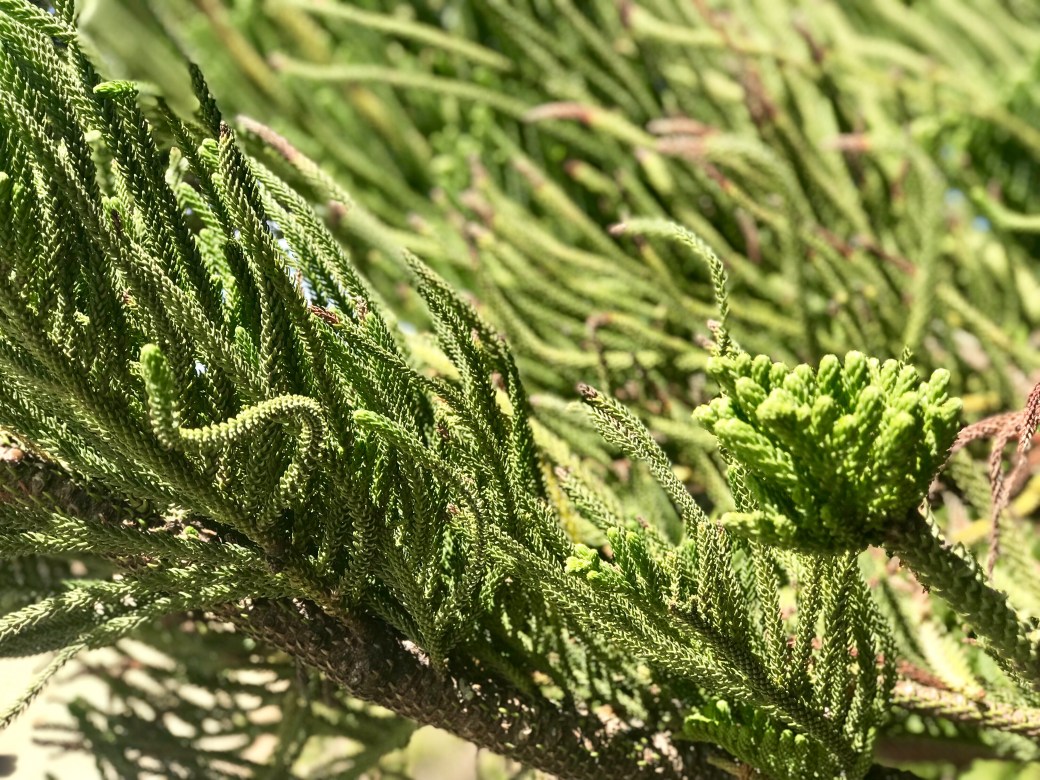 Growing easily 40m/130ft high, they were planted on the shores to replace incoming sail ships masts frequently snapped in the brute “roaring forties” winds.
Inland you find remains of eucalyptus forests as they might have looked 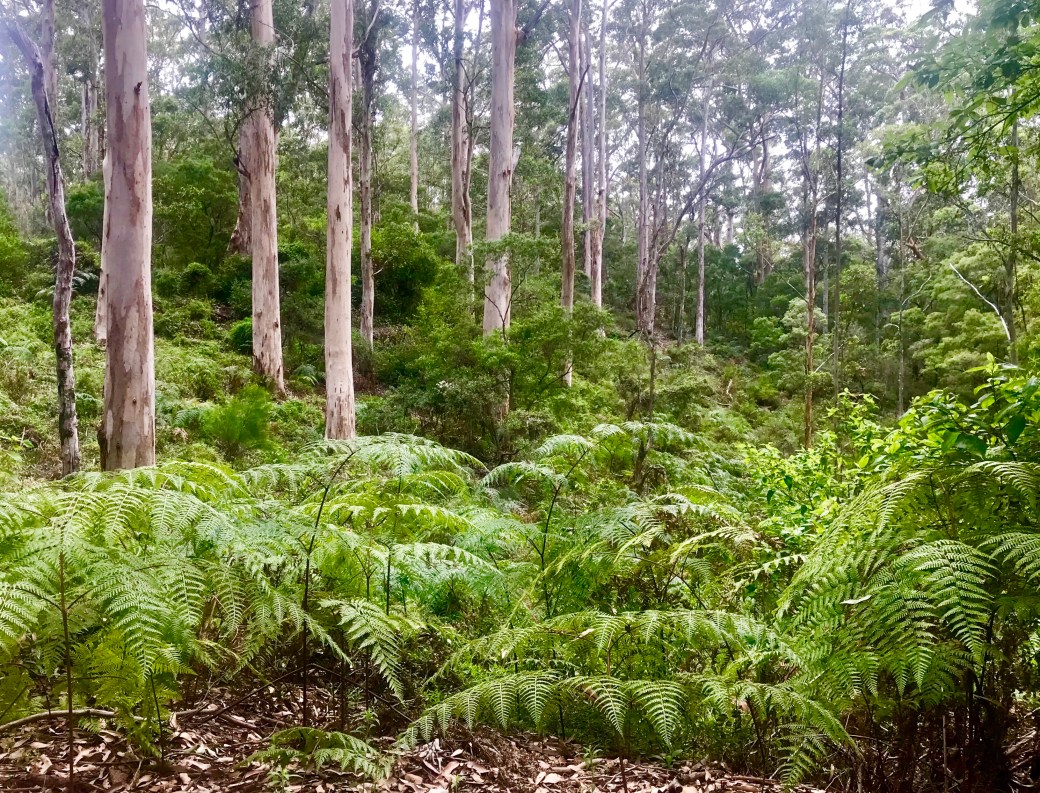 with some really tall tingle trees
 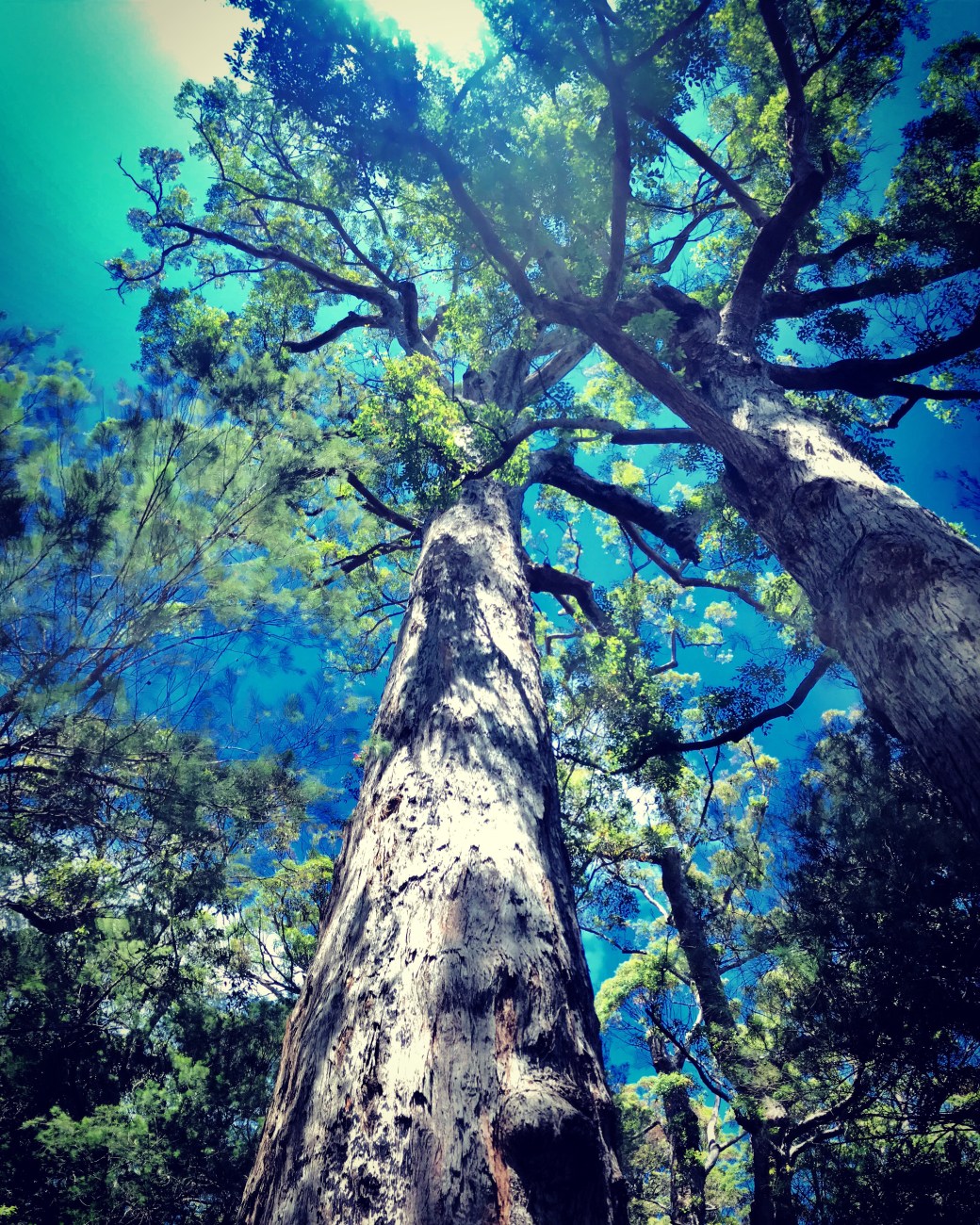 before they were rather mercilessly cut down
 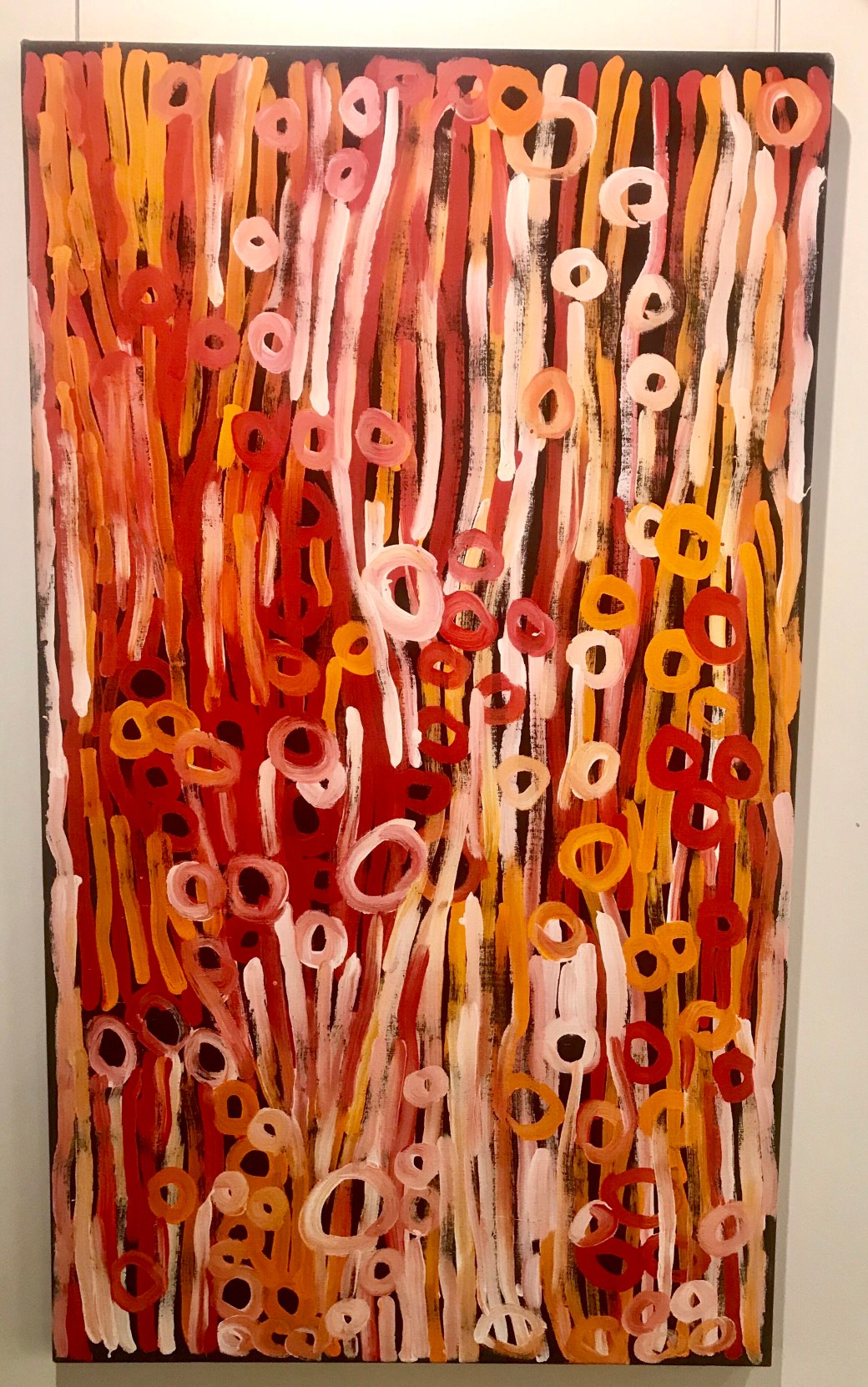 (as reflected in this aboriginal painting – open to interpretation, of course) only to pave(!) the streets of London in 1900s.
The other tall presence here is wind turbines on wind farms. 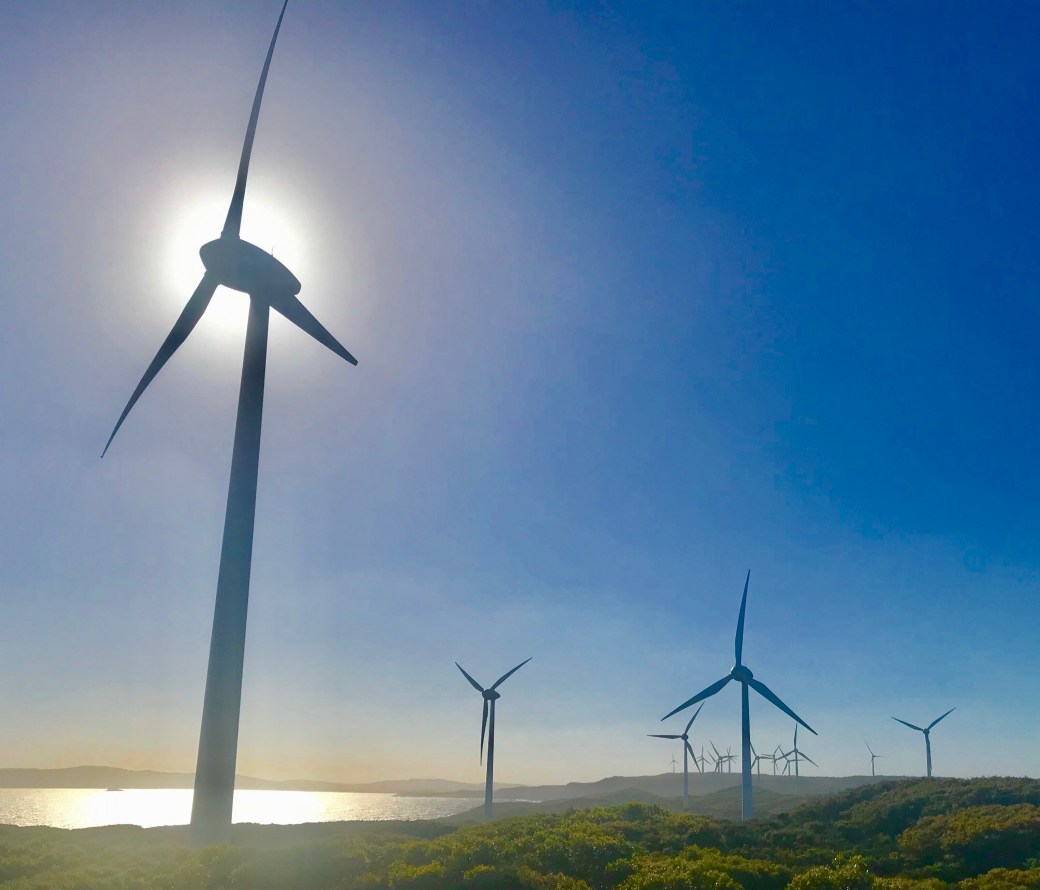 They are a sight, and a beautiful one, to behold. It is rare one can get up close and personal to these modern giants. There are actually tourist informational trails leading through the forest of wind turbines, no security concerns whatsoever. Talk about security levels here! As a matter of fact, on the Australian domestic flights we never even had to present an ID with our boarding pass!
After we turned the corner of the south-western tip of Australia, called Cape Leeuwin, we still had some interesting stuff to do. 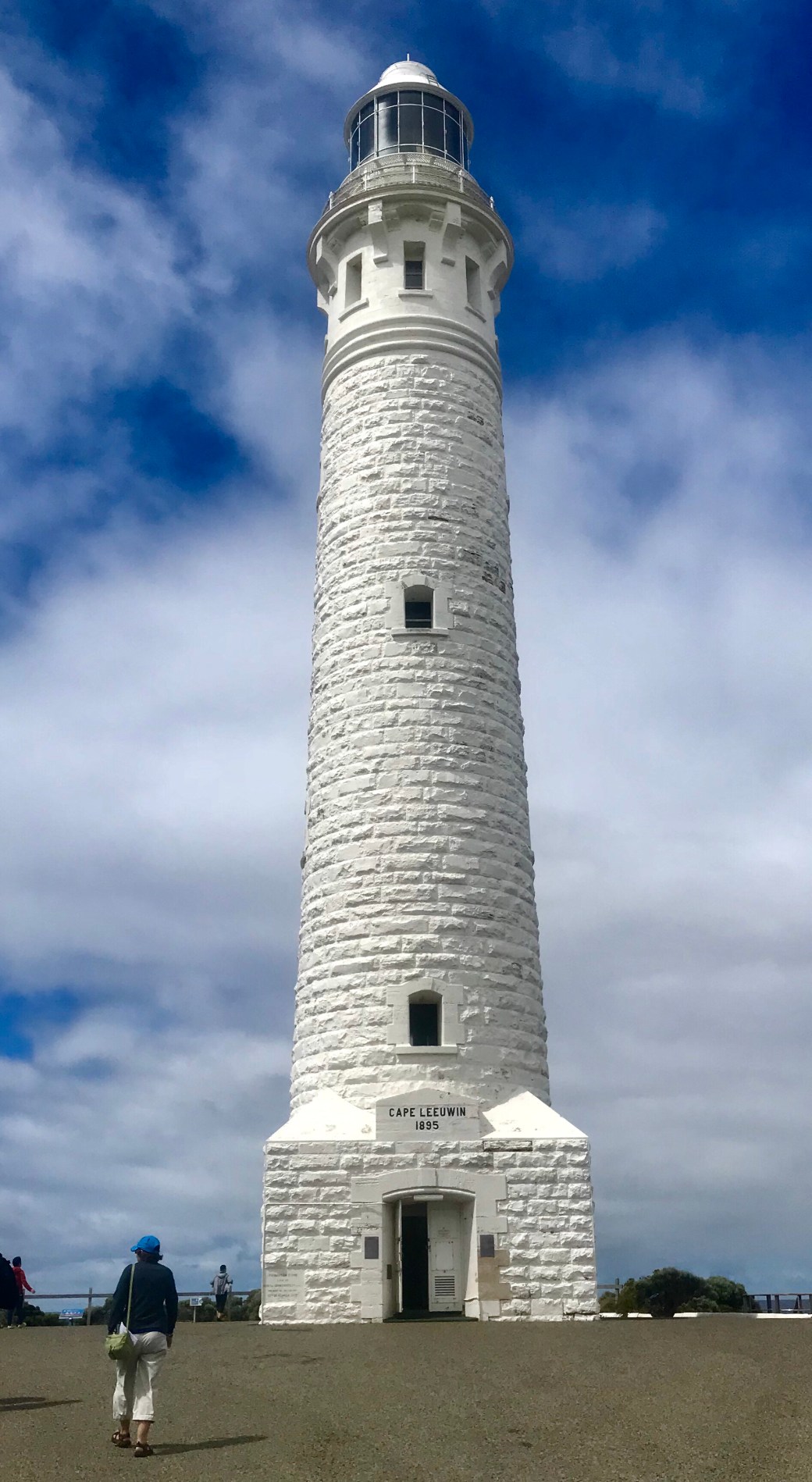 After climbing the steps to the top the thirst brought us quickly to the Margaret River wineries. As always, when opportunity arises, some of us never hesitate to stop by and DRINK!
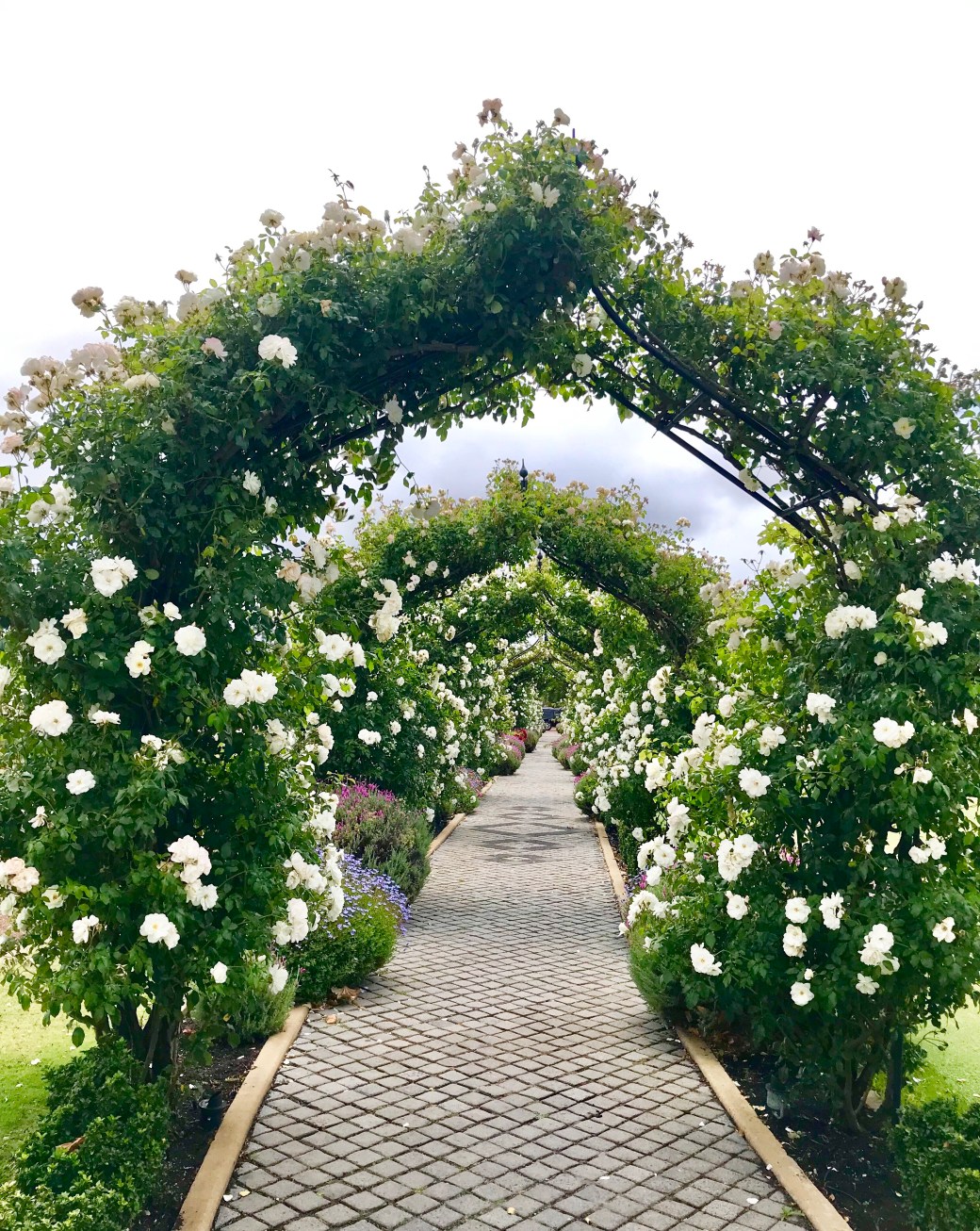
Famous wines of Western Australia were tasted by our expedition tester-in-charge. After consultation with her pink Lake Hiller personal pilot named Will, otherwise part of one of the few sets of Australian quadruplets, it has been decided to visit Leeuwin, Voyager and Knottinghill wineries (the last having a distinction of being owned by Will’s cousin and also featuring as Will’s recent wedding venue). At the Voyager vinery 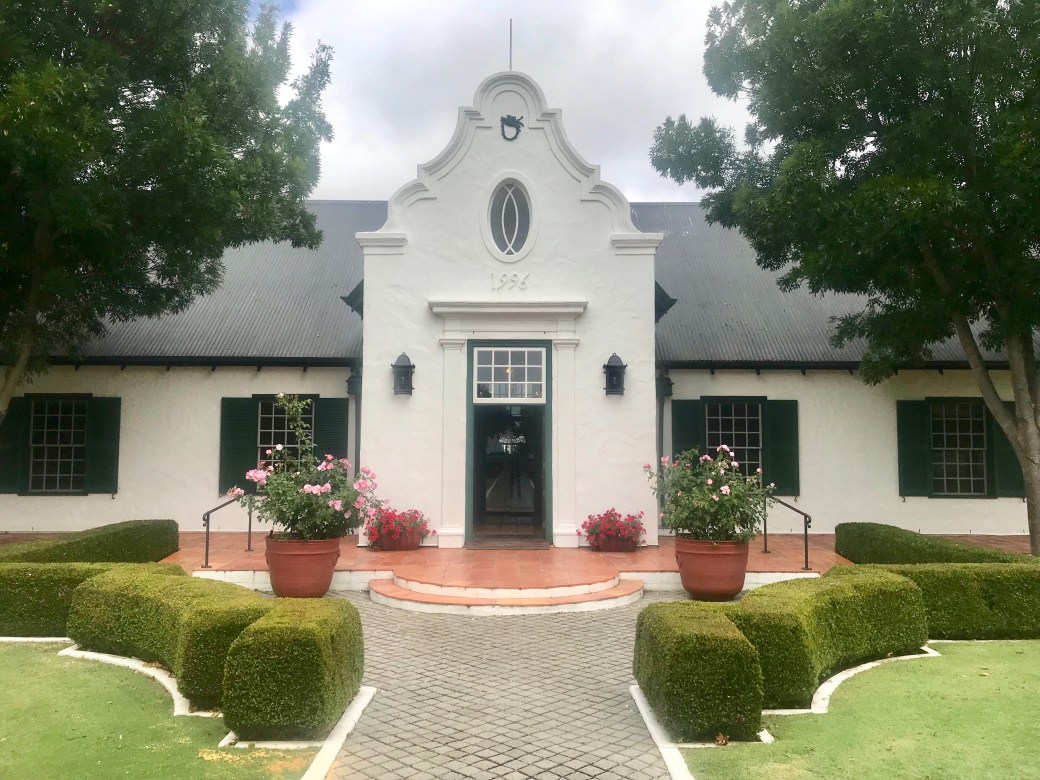 the meticulously maintained and lovingly tended rose garden was one of the most beautiful we had ever seen. To our surprise each differently colored variety of perfect rose bushes actually smelled intoxicatingly differently. Such a rarity to find roses these days that really smell like roses.
  In the rarified environment and architecturally spectacular interiors of their taste rooms
 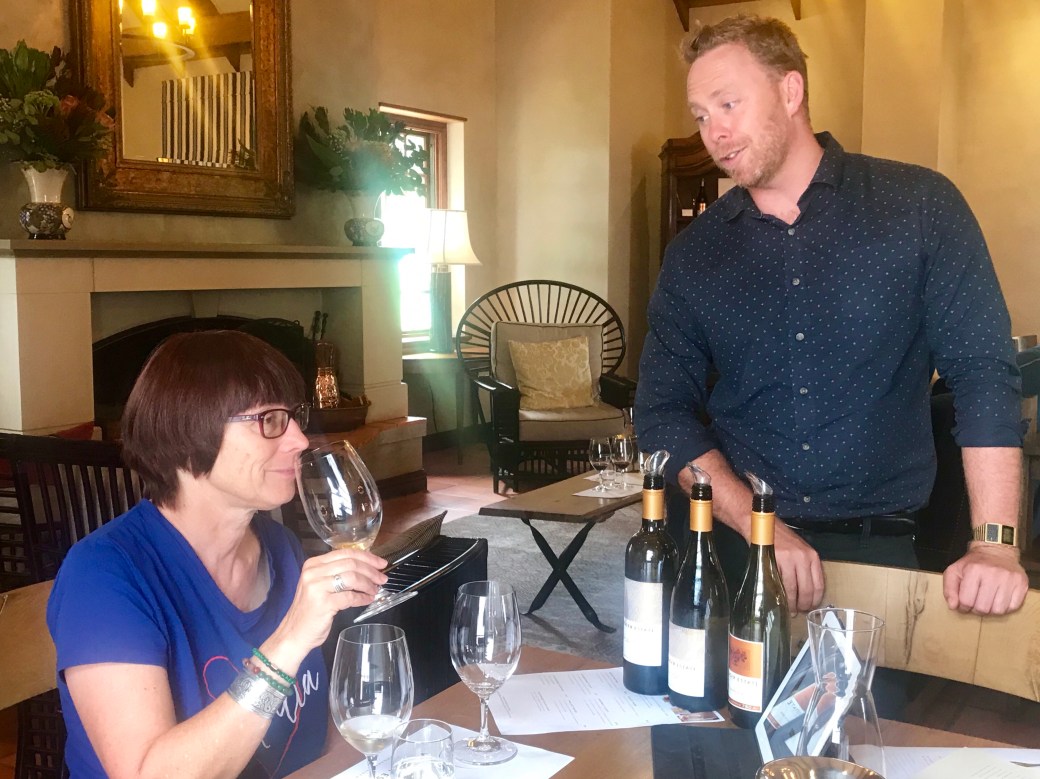 highly intellectual exchange ensued between our tester and Adam-the-Sommelier focusing on bouquet, flavor, terroir, and other subjects unknown to the writer of this blog also known as Driver, who was silently sipping from his glass of lukewarm water to avoid a possible DUI, while dully trying to record this sophisticated conversation electronically.
 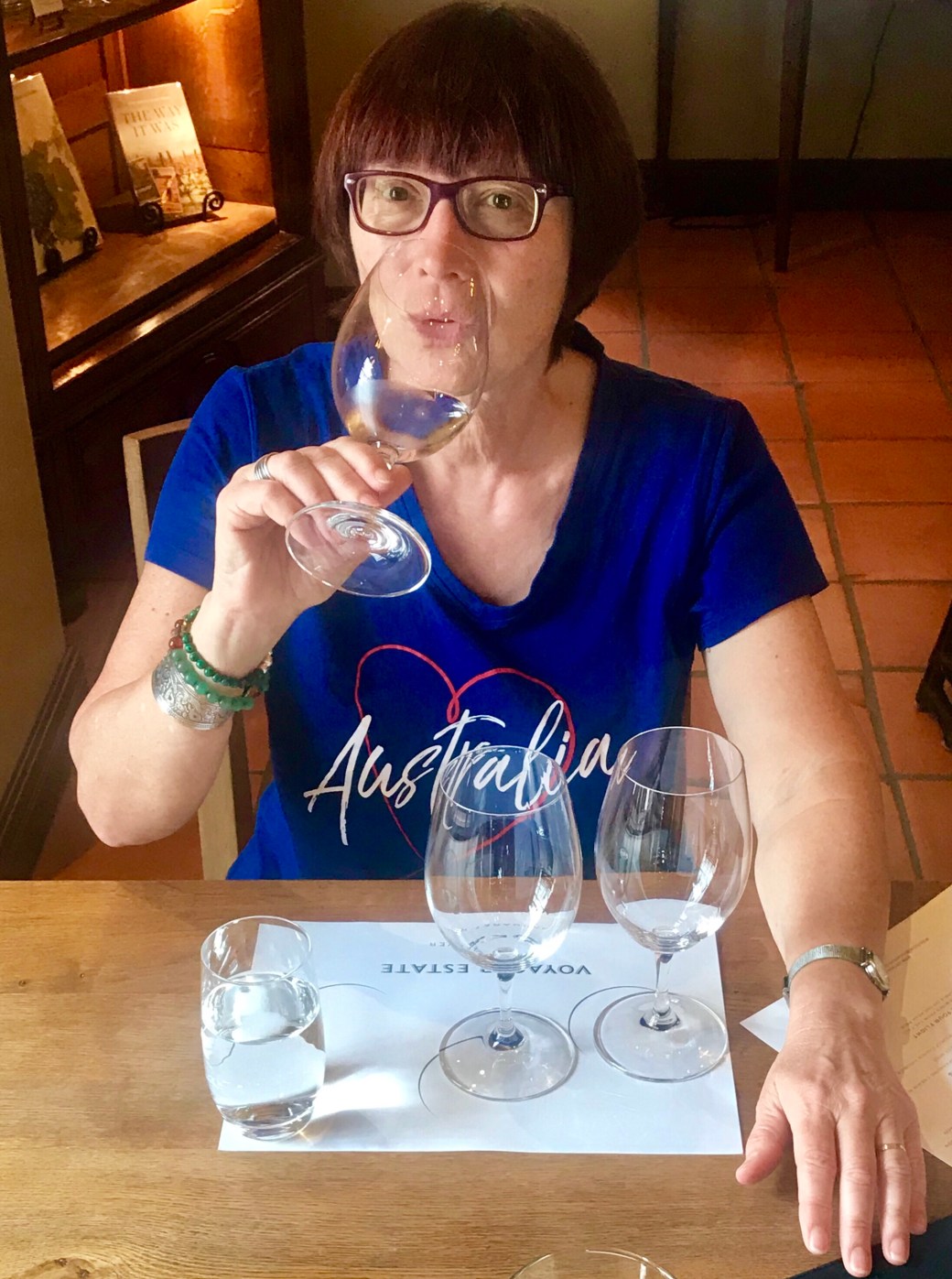 Tasting was highly successful, conversation entertaining and exchange of business cards mutual. Future visit in the winery guaranteed!
At Knottinghill the architecture was more modern 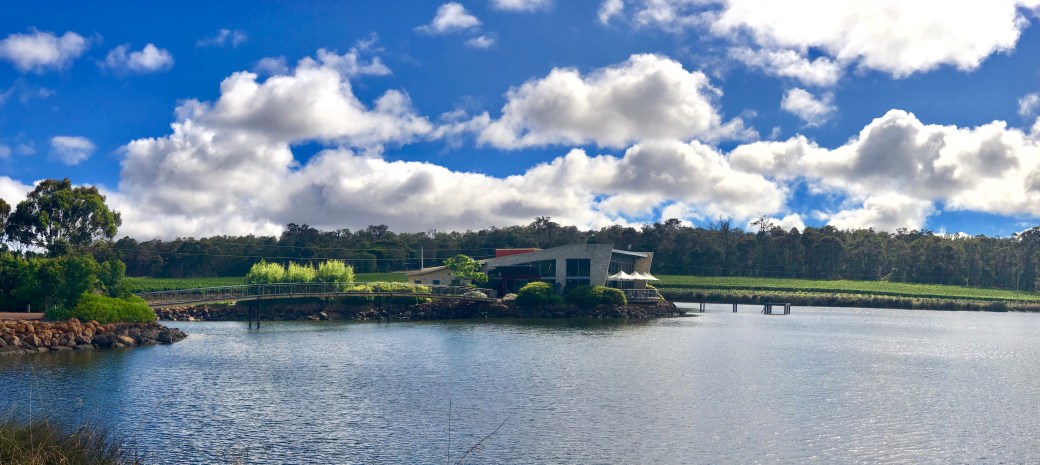 and the cousin happy to share her wine and Will’s wedding photos. Looks like more are in the offing as his three quad siblings have been getting engaged one after the other.
As we were heading towards the Perth airport enjoying the last rays of the sun setting over the modest cattle farms 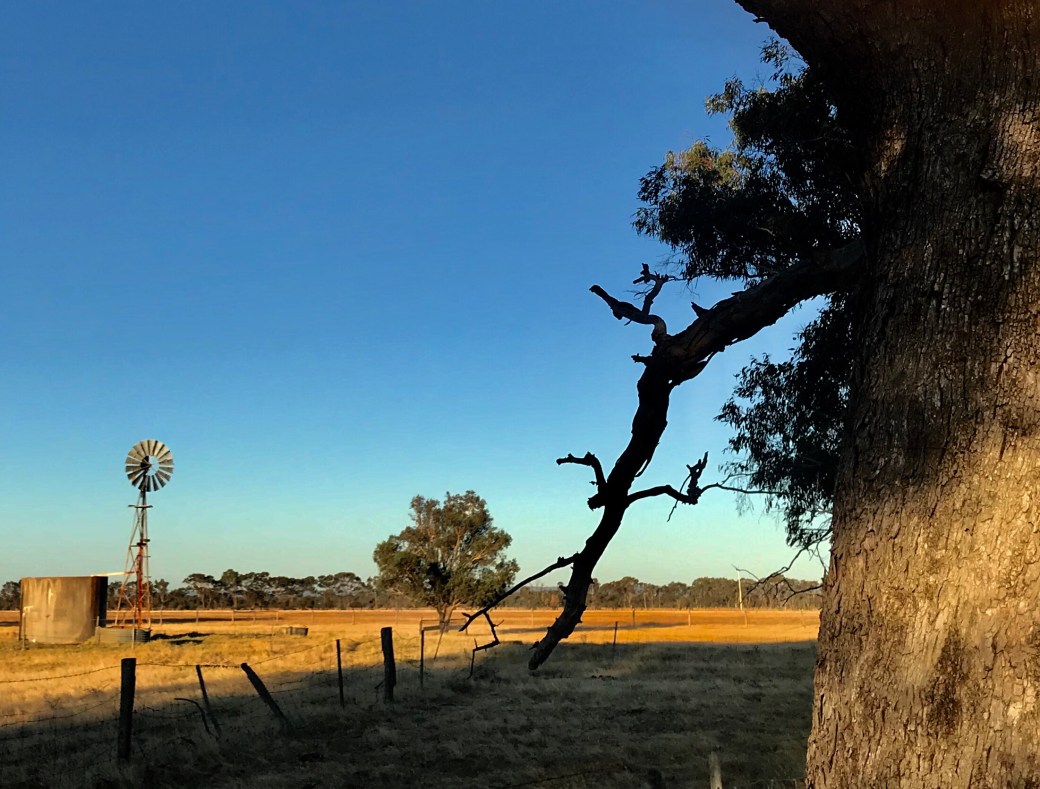 endangered by spreading developments from future Perth-Fremantle megalopolis, our regular end of the trip discussion moved slowly on.
But its conclusion was clear. We may not have seen the whales, orcas, whale sharks, giant calamari, manta rays or any others this time. As it happened in the past after each of our LAST visits to Australia, we decided, as expected, unanimously:
WE SHALL COME BACK!
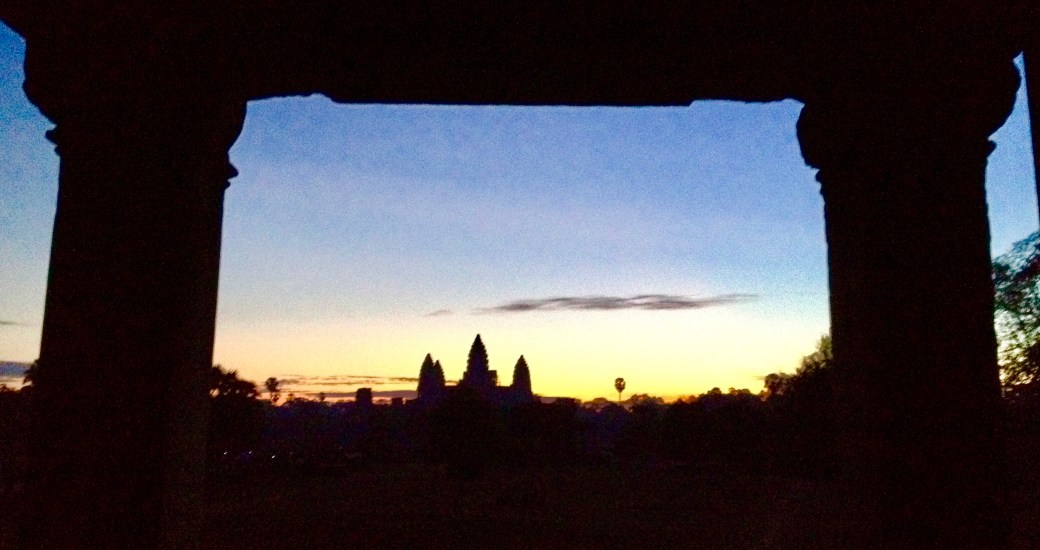 Yes, it is the symbol of Cambodia, but it is really the symbol of some other Cambodia – a glorious kingdom eclipsed long ago and also a symbol of foreign tourists enjoying their awe filled, colorful, delicious, and inexpensive vacation. Most Cambodians have never seen those magnificent temples up close, even if they live right around the corner in the very same villages their long ago ancestors, had inhabited a thousand years ago. They have no runing water, sewers or electricity.
  They are too busy eking out their living, working long hard hours as rice farmers, fishermen, or construction workers to visit ancient temples.
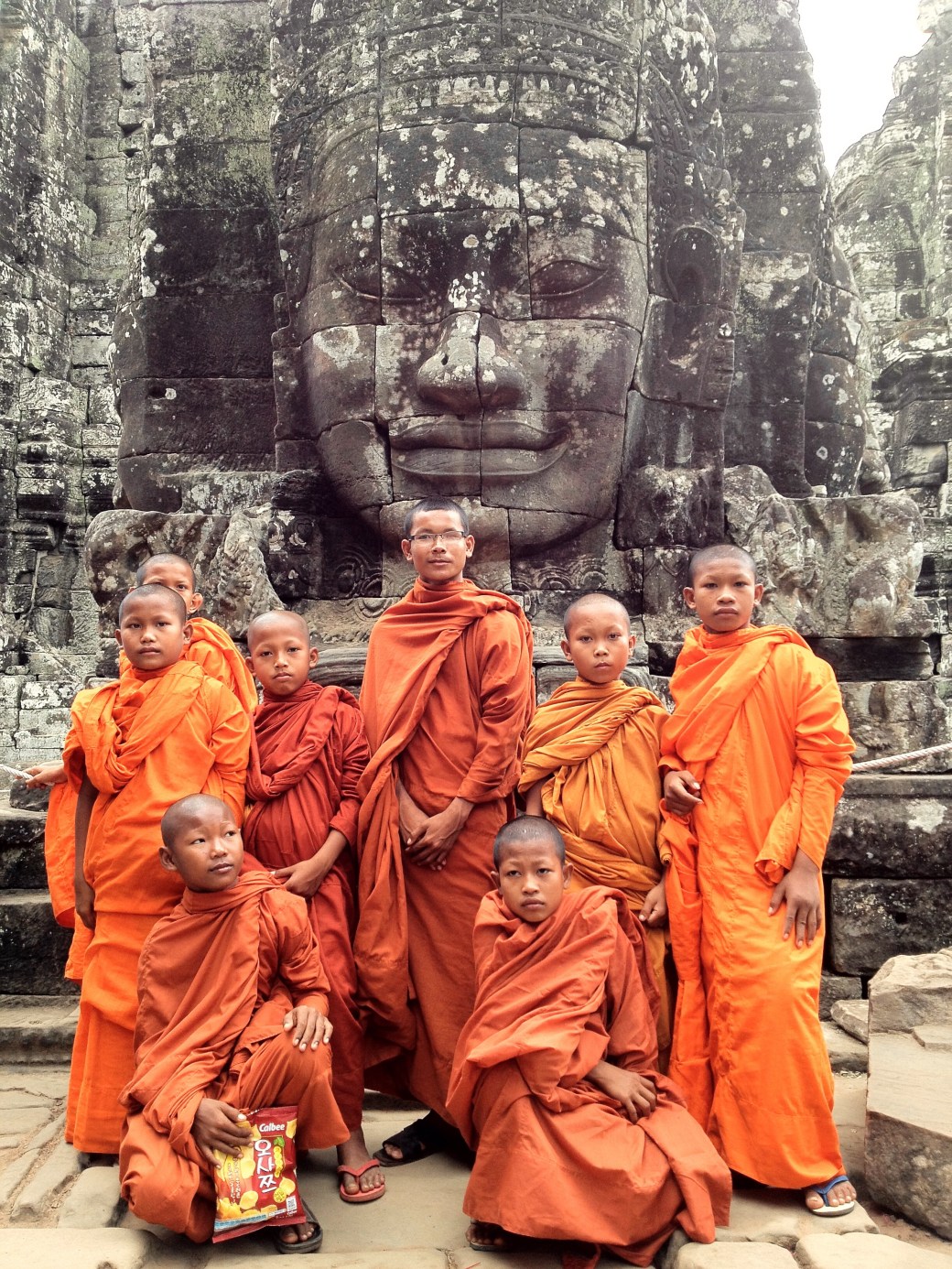 and savor the taste of the best Khmer cuisine, we spent the majority of our time out in the countryside visiting the villages where the organisation I have been volunteering for nearly a decade, works.
 But take a few steps further into the countryside on bumpy dusty roads that turn to mud when monsoon rains arrive and you will find life as it was in the old kingdom. People living in houses with thatched roofs, climbing up the palm trees barefoot to collect sap and cook it down into palm sugar or spending hours and days weaving baskets at $1.50 each.
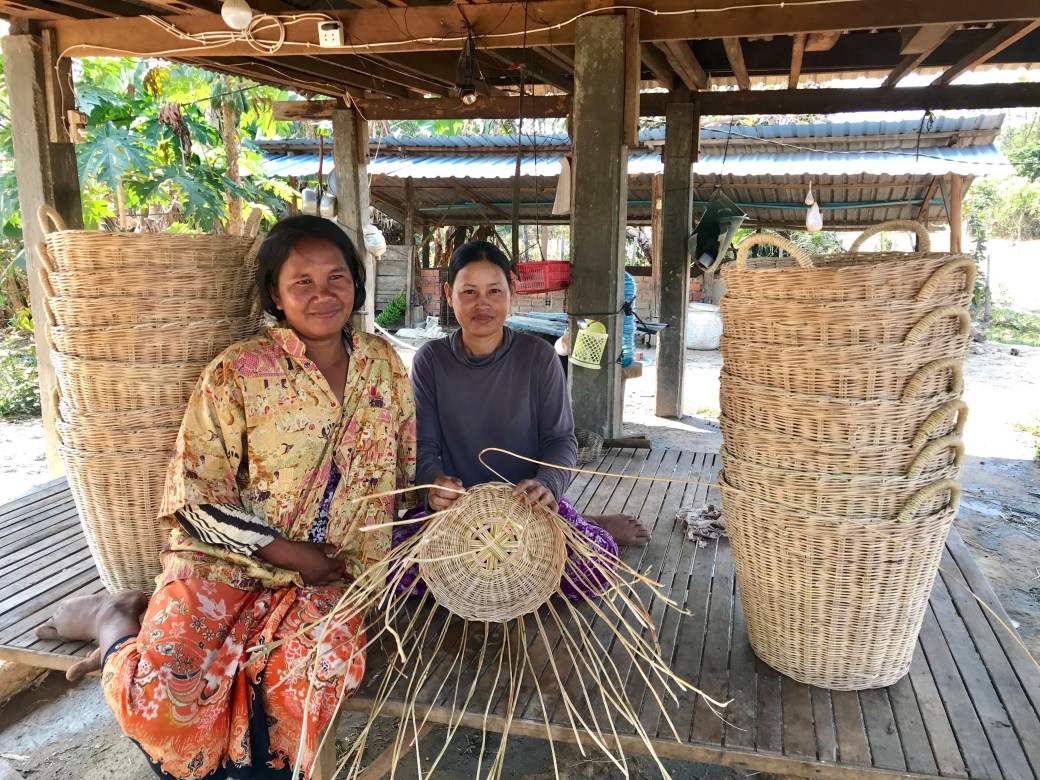 To bring more protein into the local diet and business opportunity to local women we recently introduced a new program, Piggy Heaven, initiated by a 12 year old girl from California.
 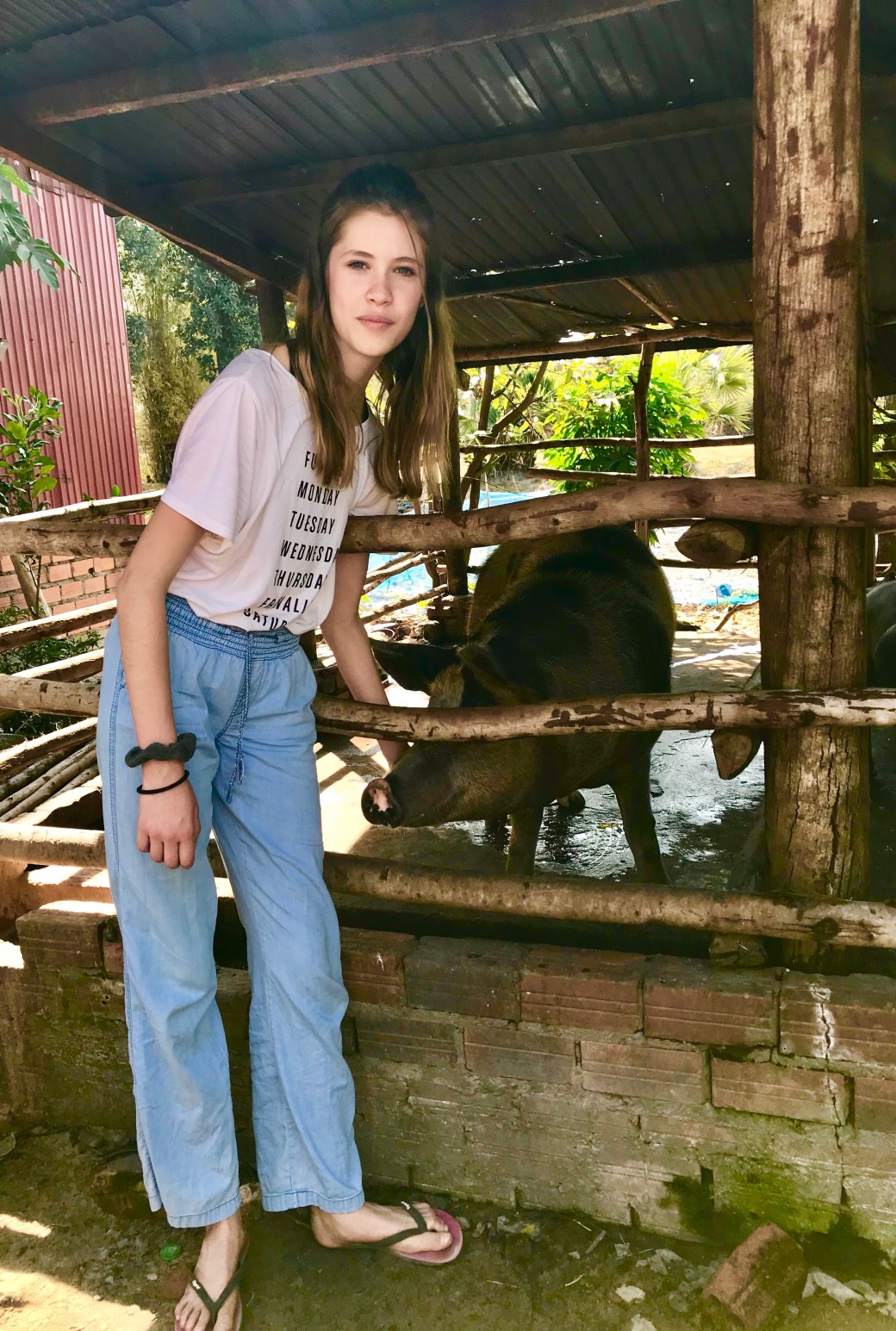 Tabi, who came on the trip with her mom, raises and shows pigs for her 4H club. Last year she sold her first pig and donated all the proceeds ($1500) to buy the first piglets for the program. Many of her friends joined her and we now have 160 pigs and growing. The first piglet litters are on their way and from each of those two piglets will be given forward to new families.
  Most of the people are rice farmers and they have no technology to help. Buffalos plow the fields and rice is planted and tended to all by hand – backbreaking labor.
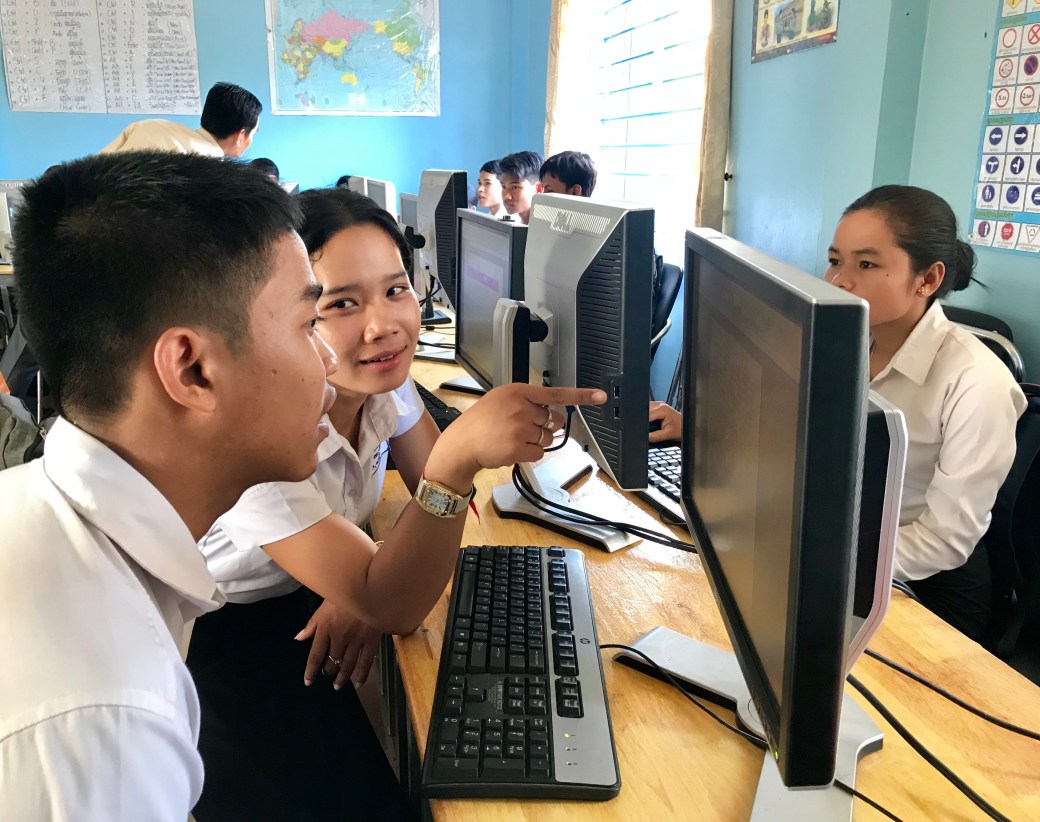
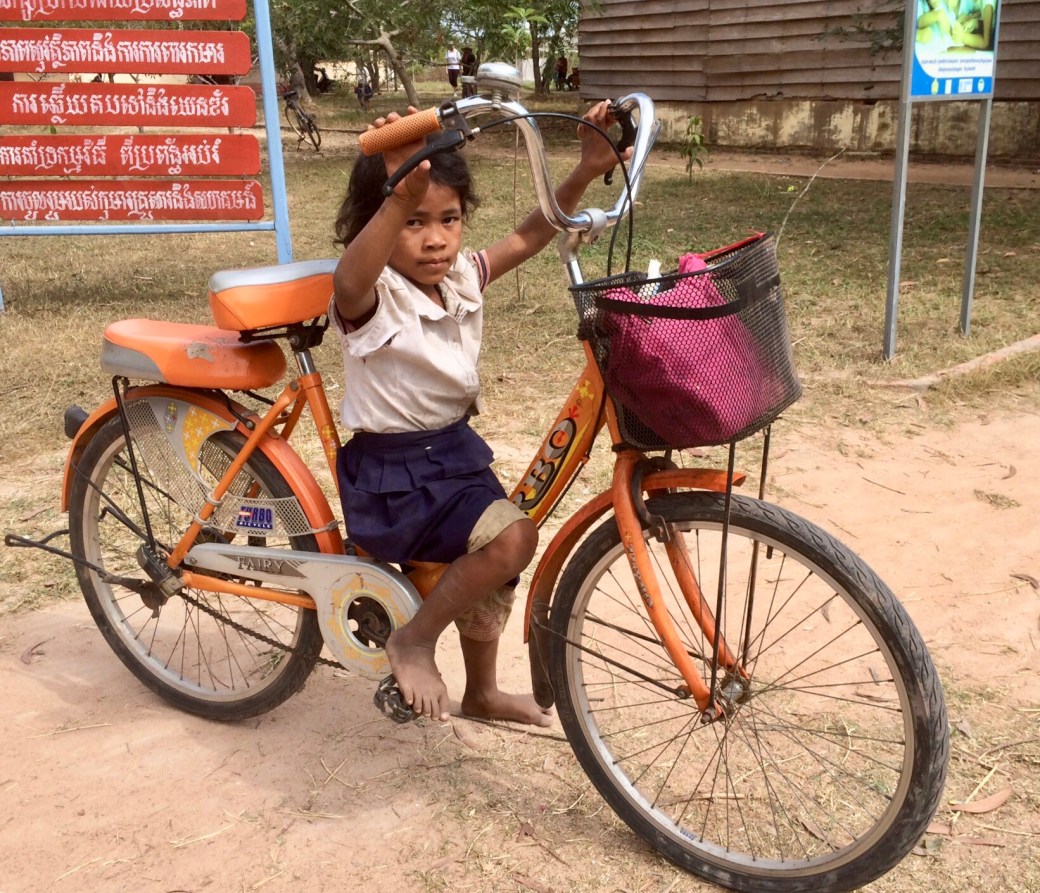 they have half a day available to learn more; besides English and computers they can also play sports and read in our libraries.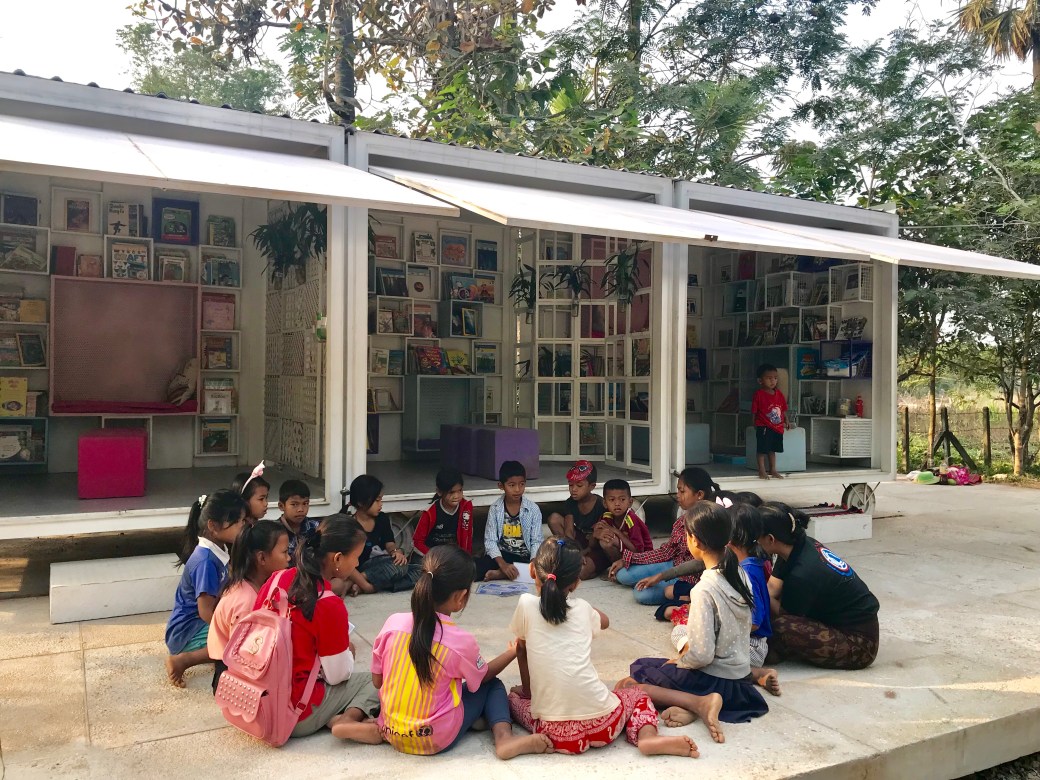

 We know that early childhood education is important so we introduced preschools in the community. It was hard at first to persuade the parents that play can be great learning.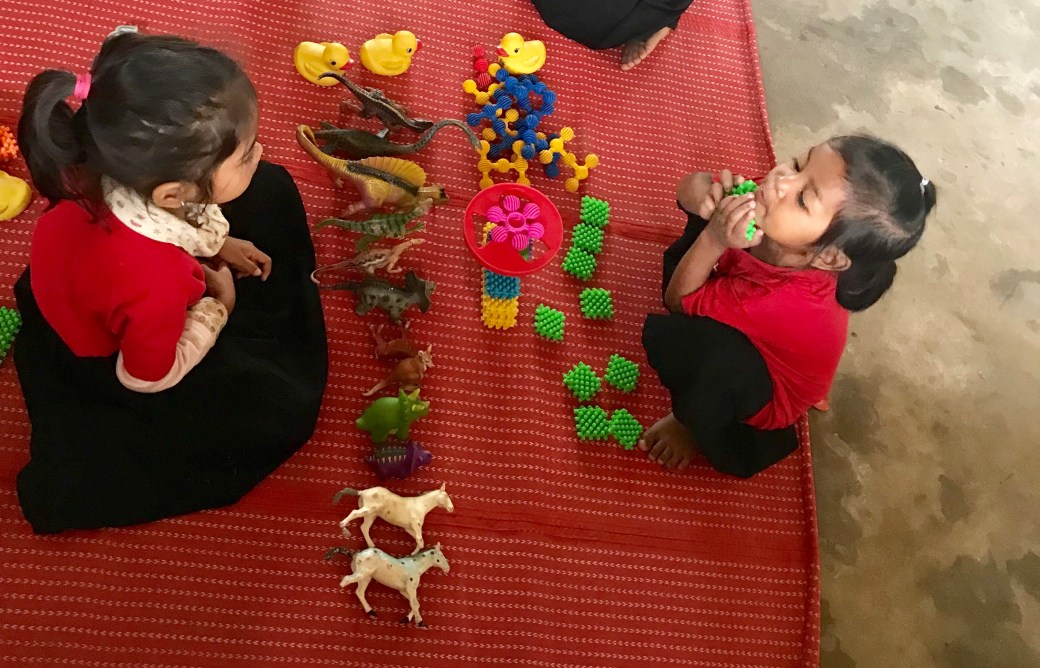
 They still expect the littlest ones to quickly learn and recite their ABCs and 1,2,3s. But we try to bring some new methods to the largely rote learning in all classes.
 It certainly isn’t easy when you teach 53 kids in a hot classroom. Yup, 53, you can count them!
 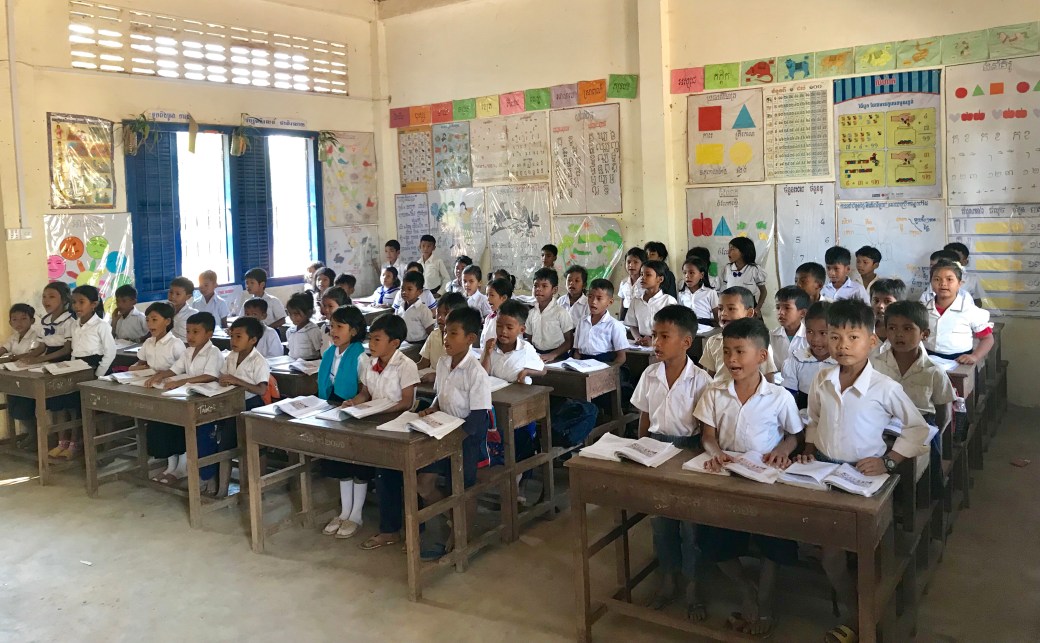 The one saving grace is that the students are the most disciplined, best behaved in the world. They love coming to school! Even more for the supplementary classes we offer.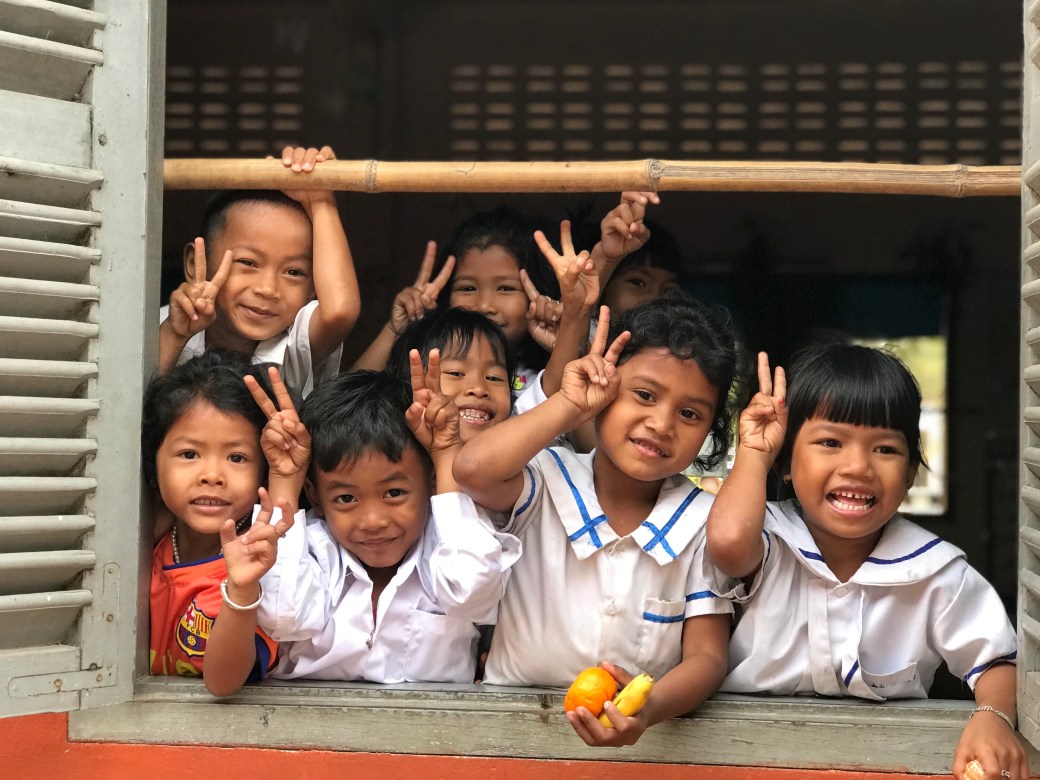
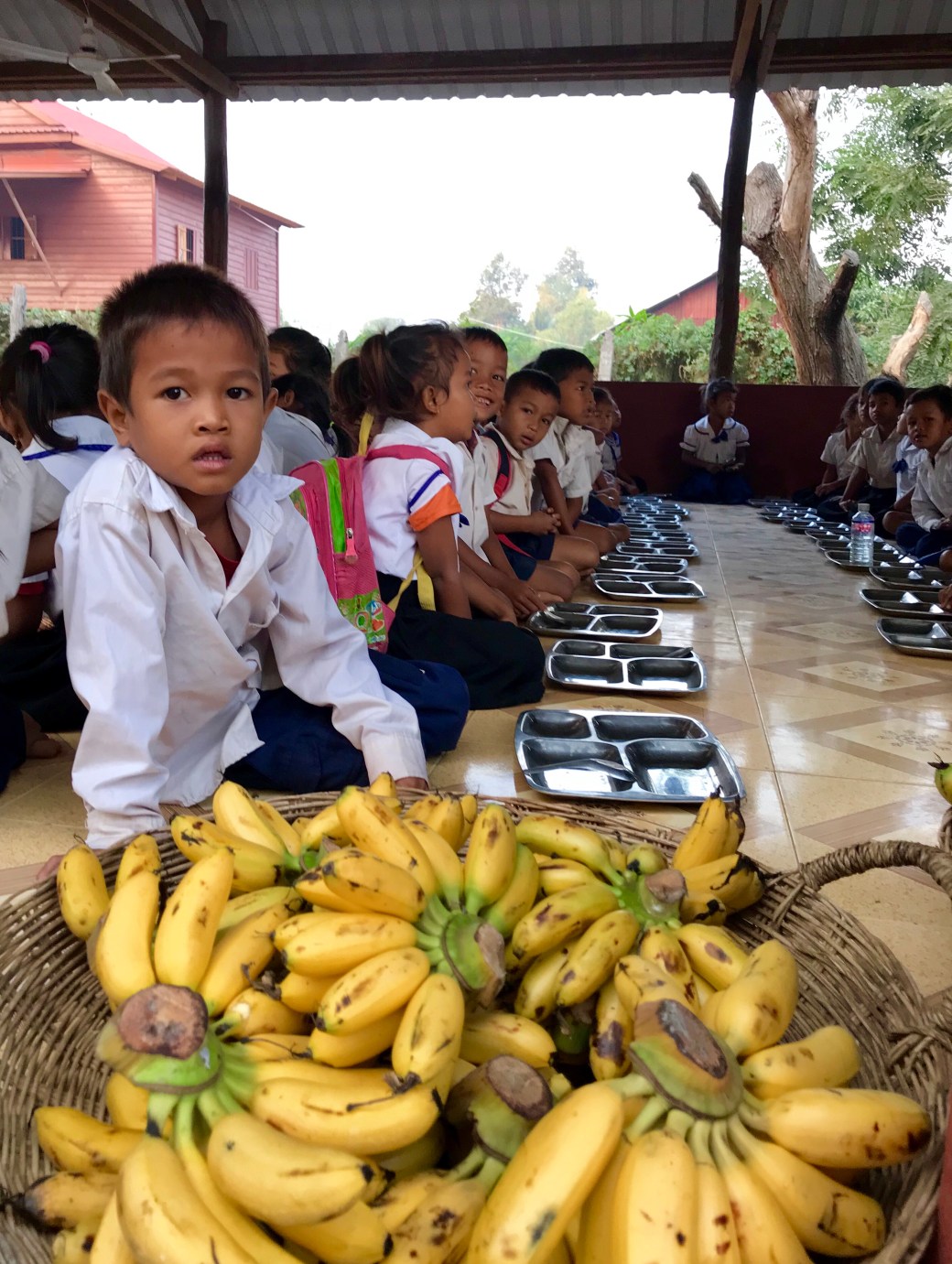
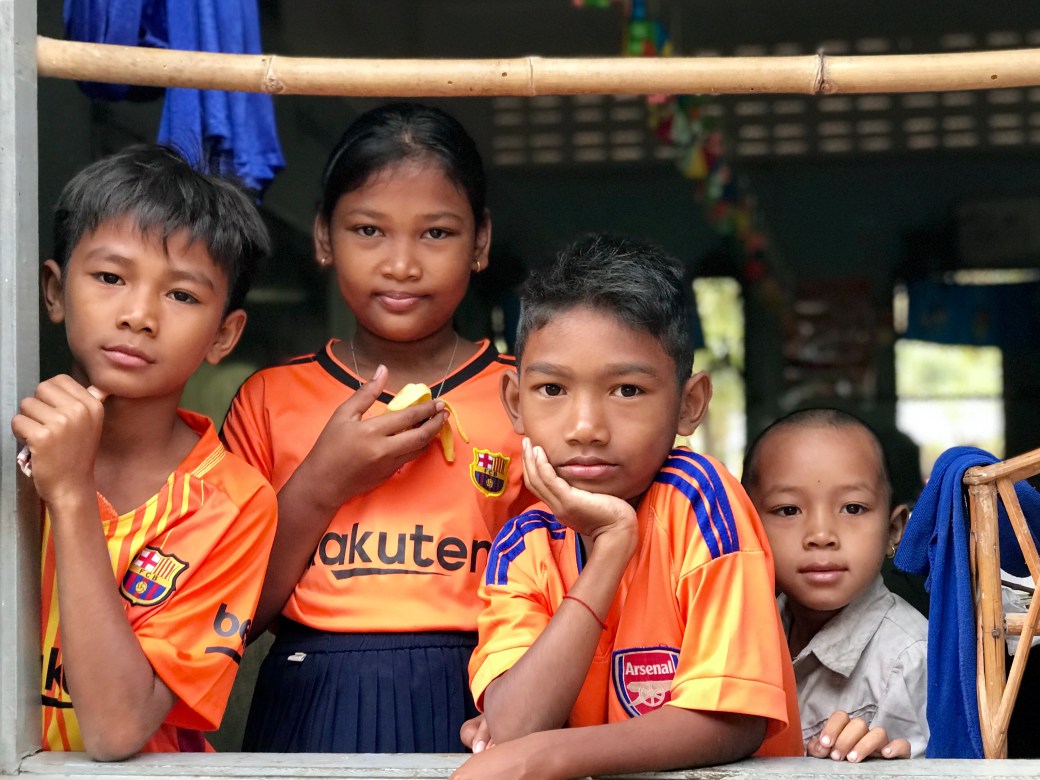 In our schools they also come on time because they get free protein rich breakfast in the morning.
  Everyone pitches in with the clean up.
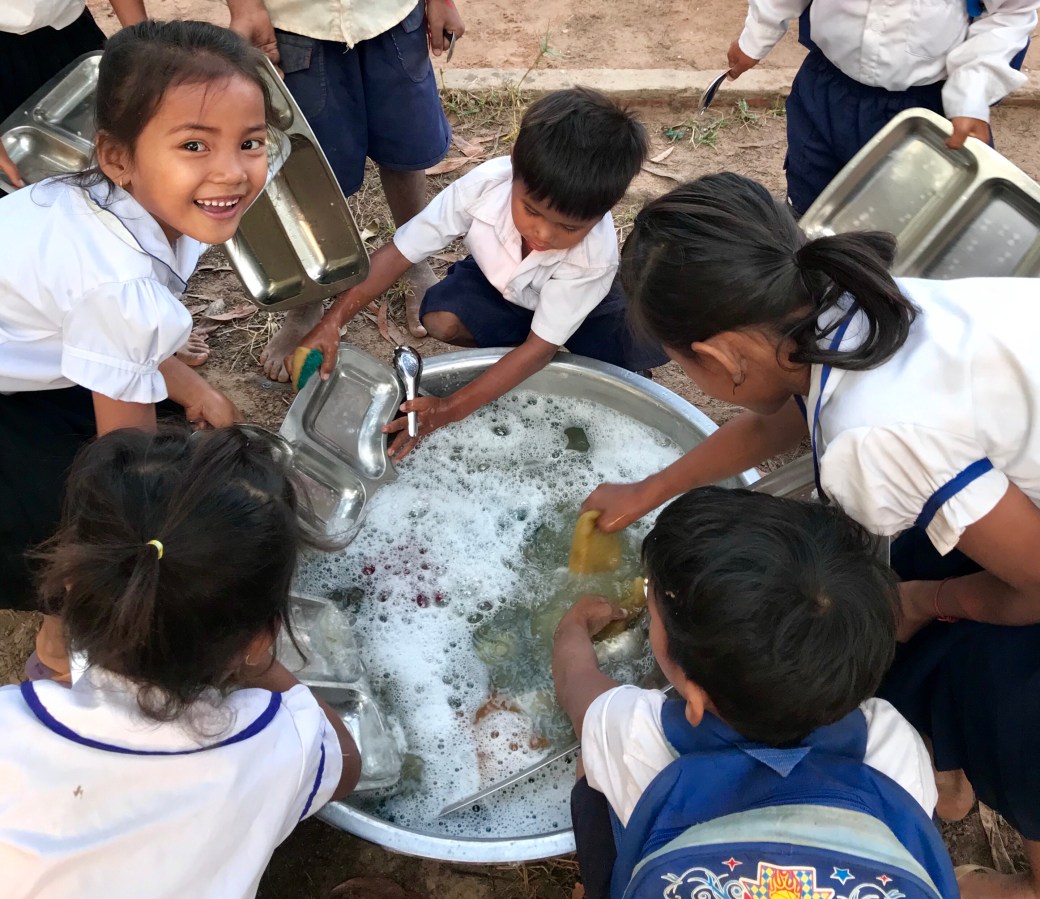 There are no janitors so the kids clean up the campus, too.
  There is not much time for play for Cambodian children, they work at home, too, from an early age. They might forage for frogs or little fish in mud. The food is always scarce and many families subsist on rice and vegetables.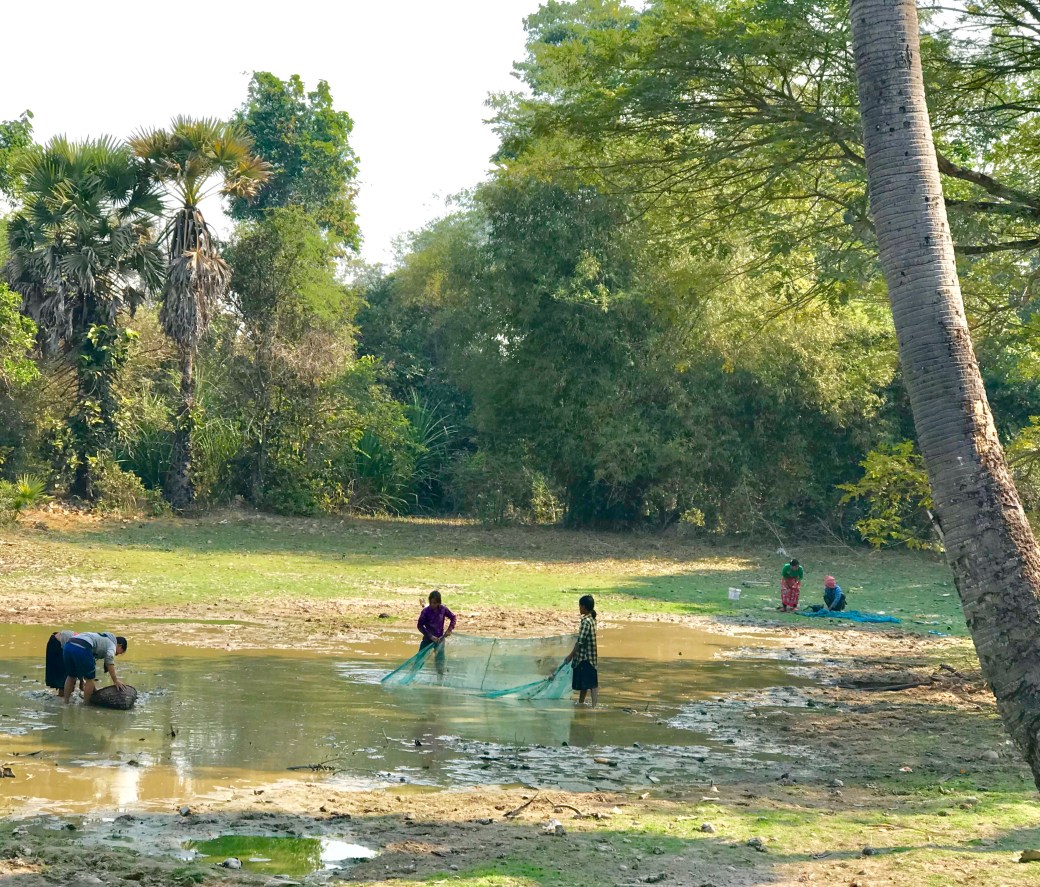

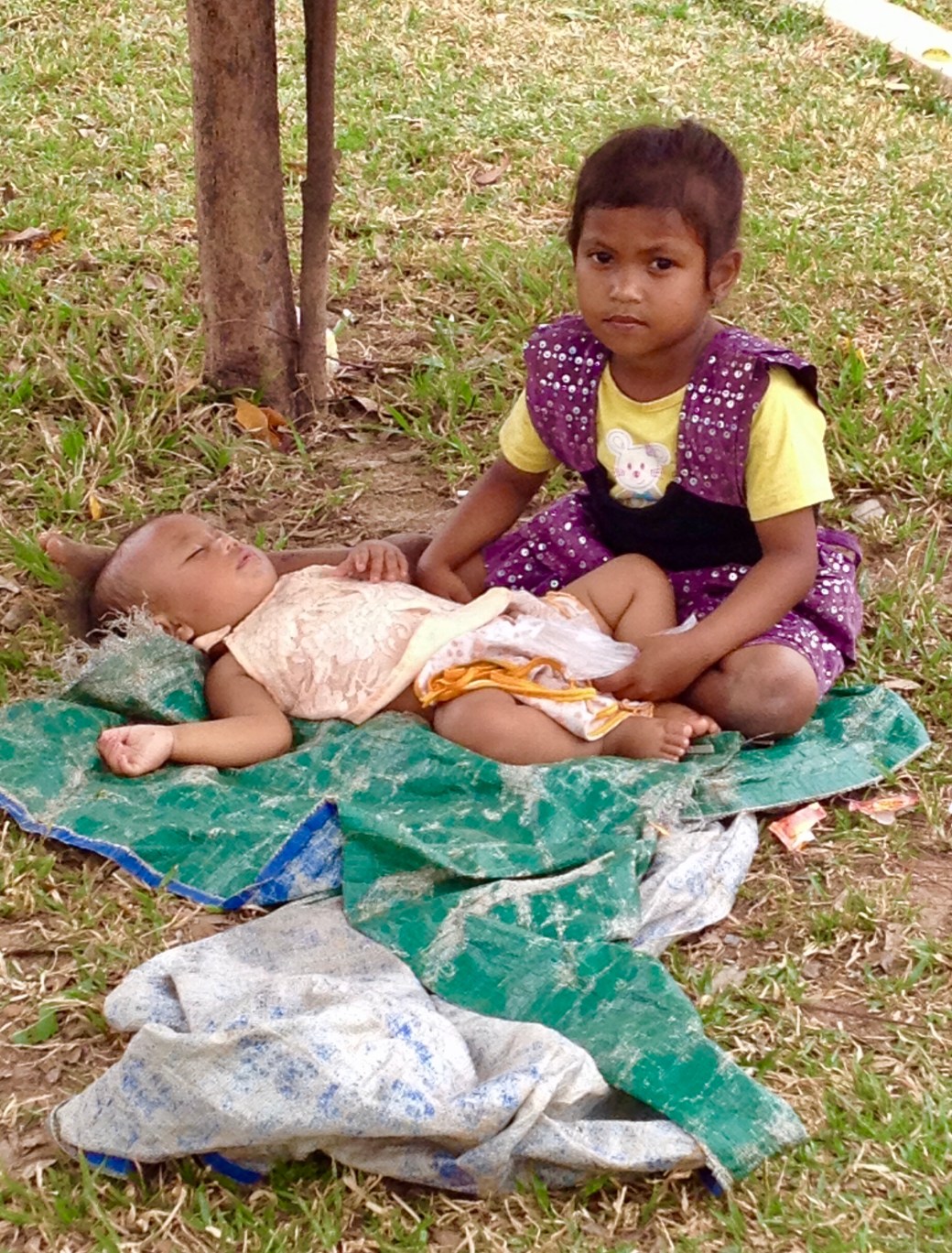 If you have no sibling to take care of you, you fend for yourself, while your mom works the land.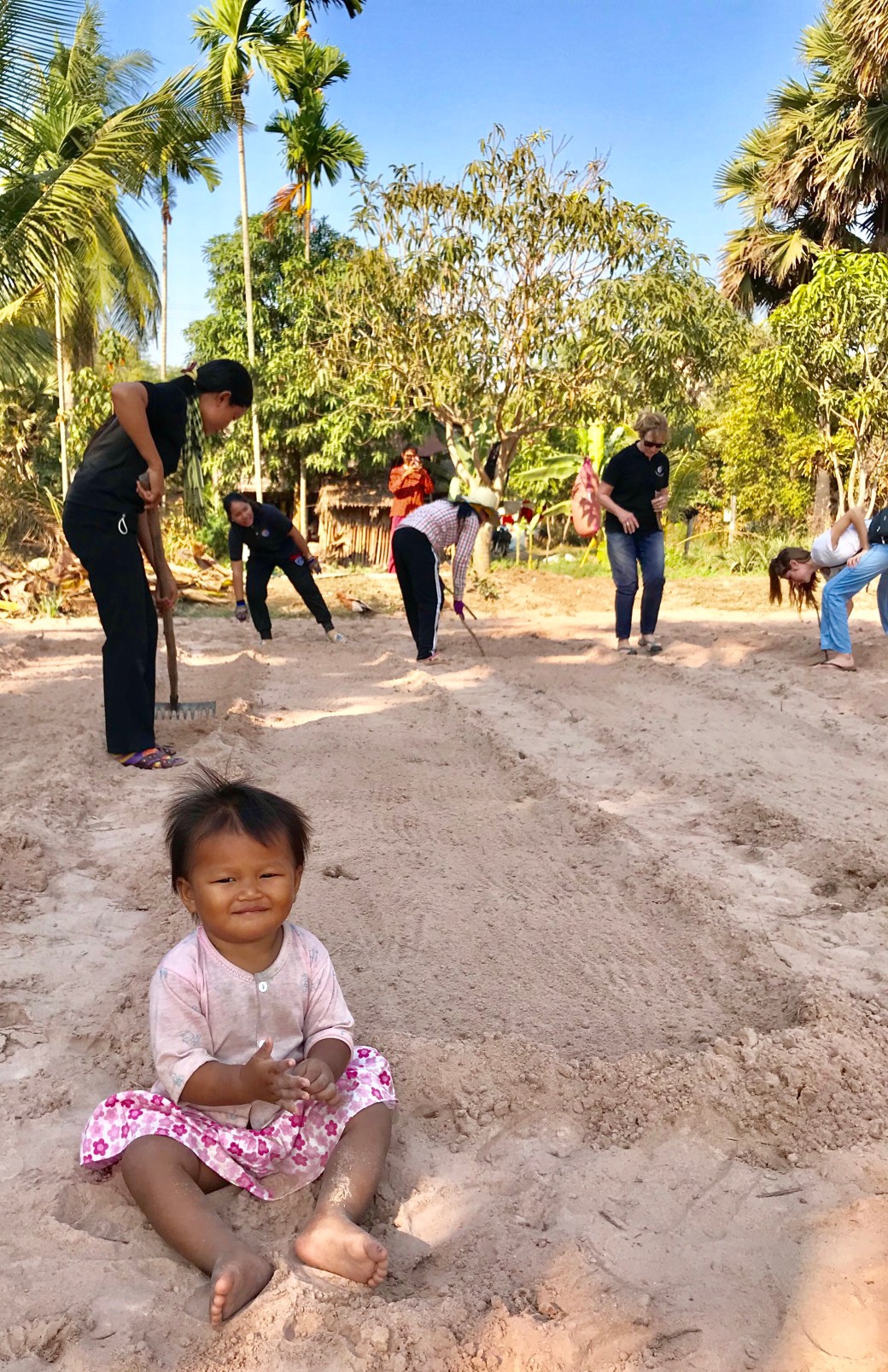
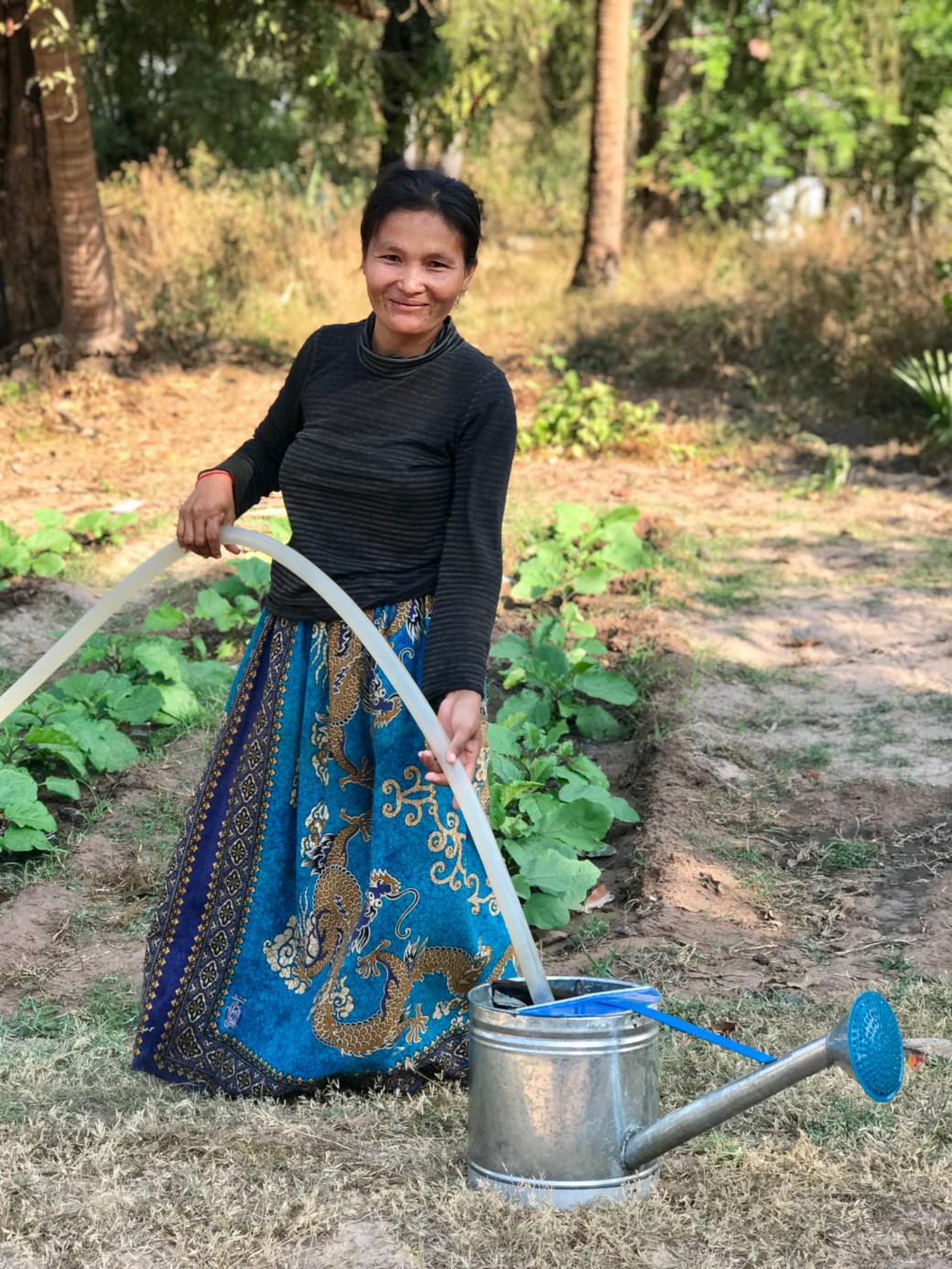 We tried planting some morning glory seeds and it was hard hot work.
  Bringing fresh water to the families is the first step towards a better, healthier life. To date we have built over 1,300 water wells, donated by our friends and supporters all around the world. Meeting the family of your sponsored water well is the highlight of any visit.
  Philanthropy and volunteering changes everyone’s lives!
 Blessings to all who make this world a better place by sharing a smile, planting a tree, or extending a helping hand!
 Cambodian Community Dream Organization

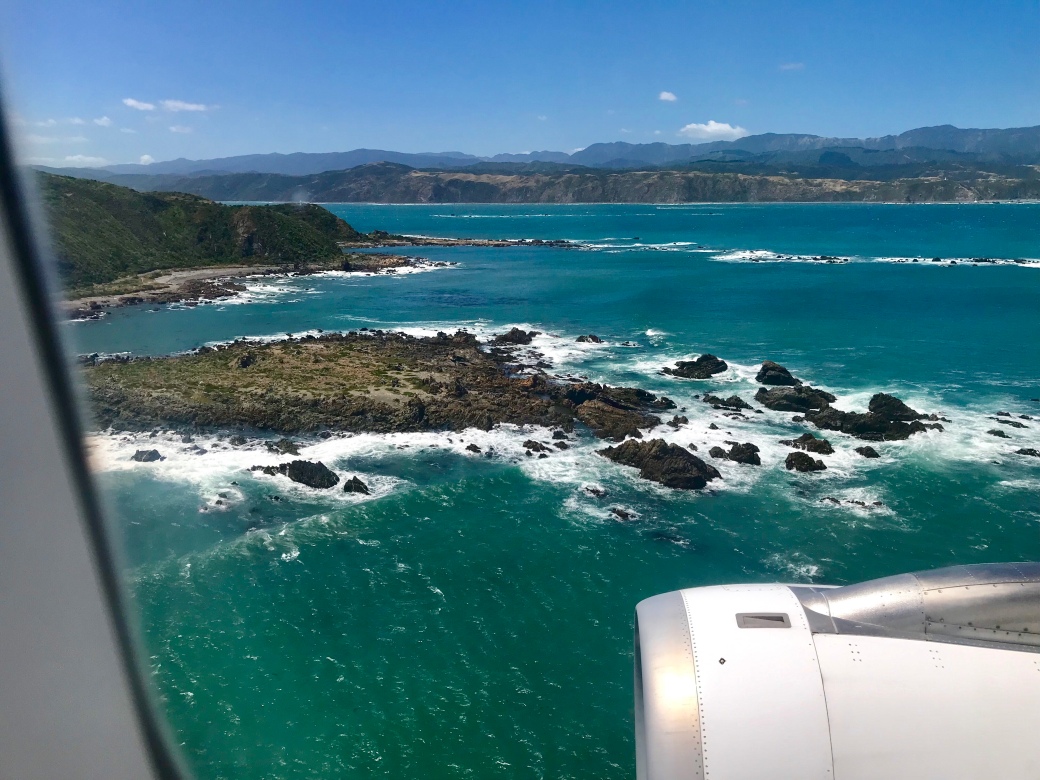


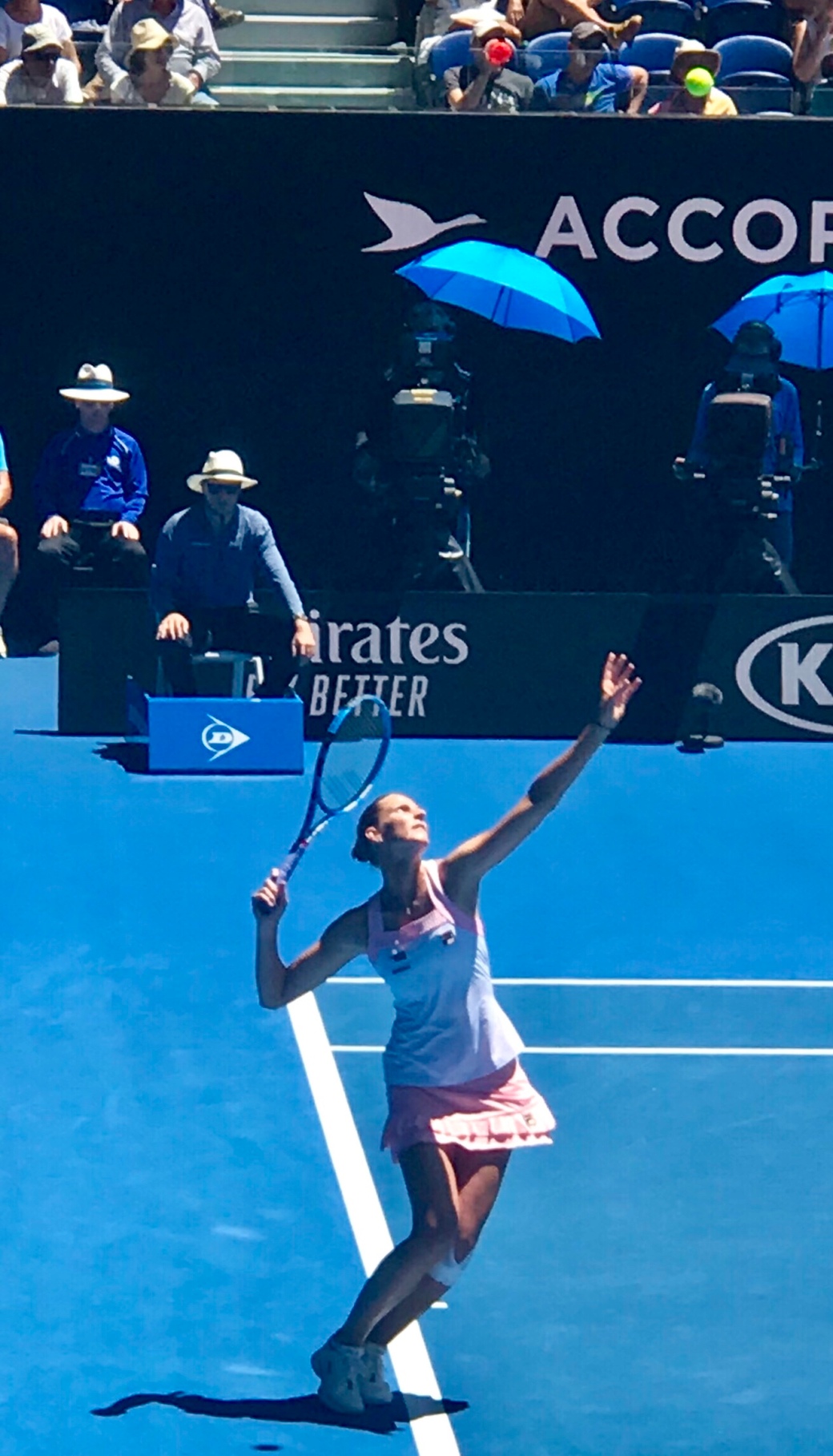
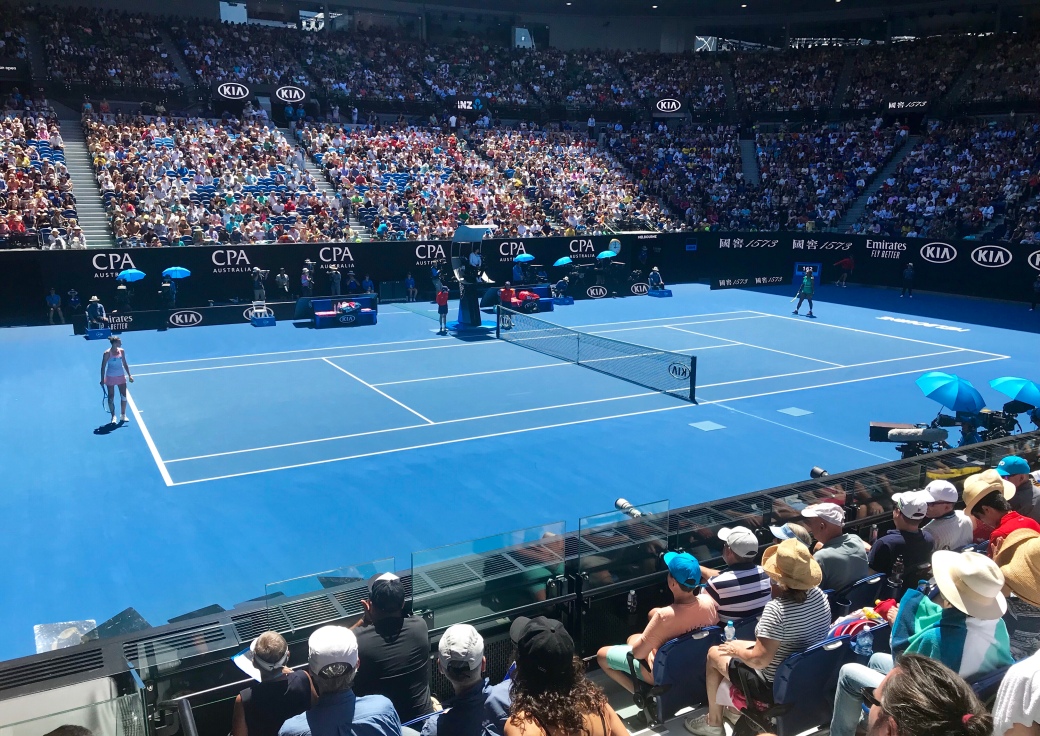


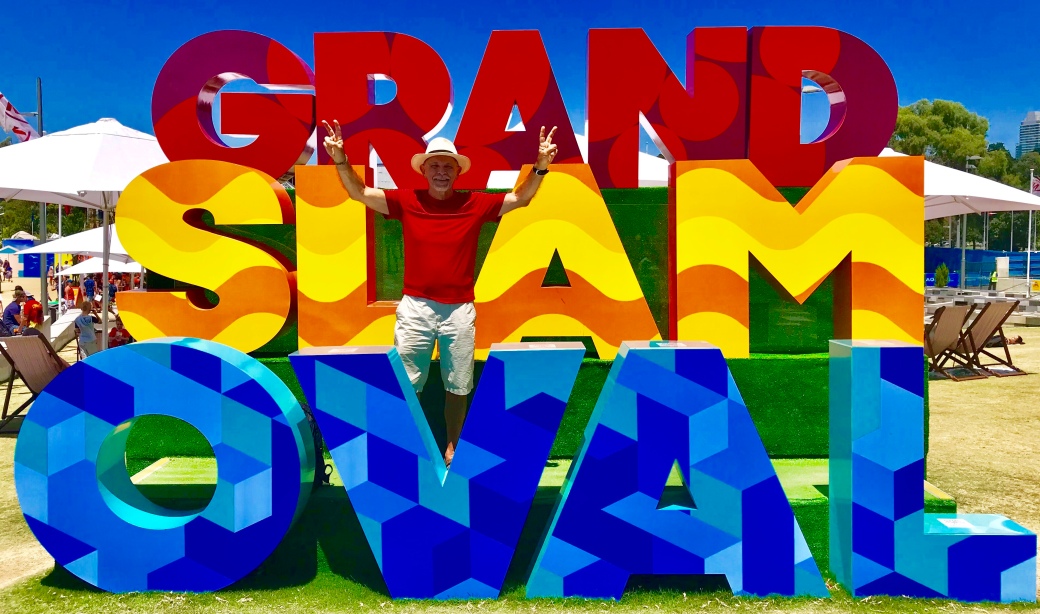


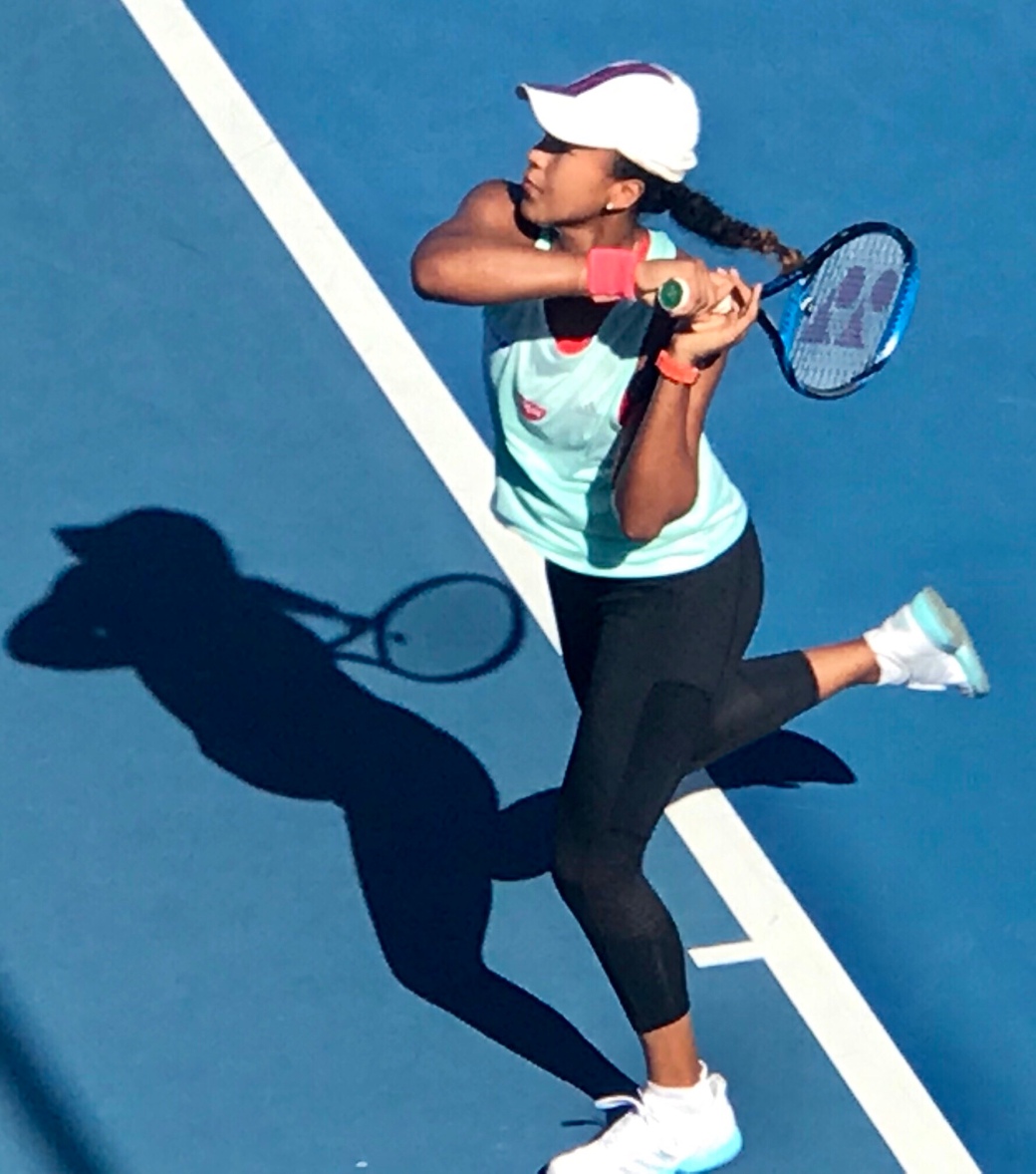
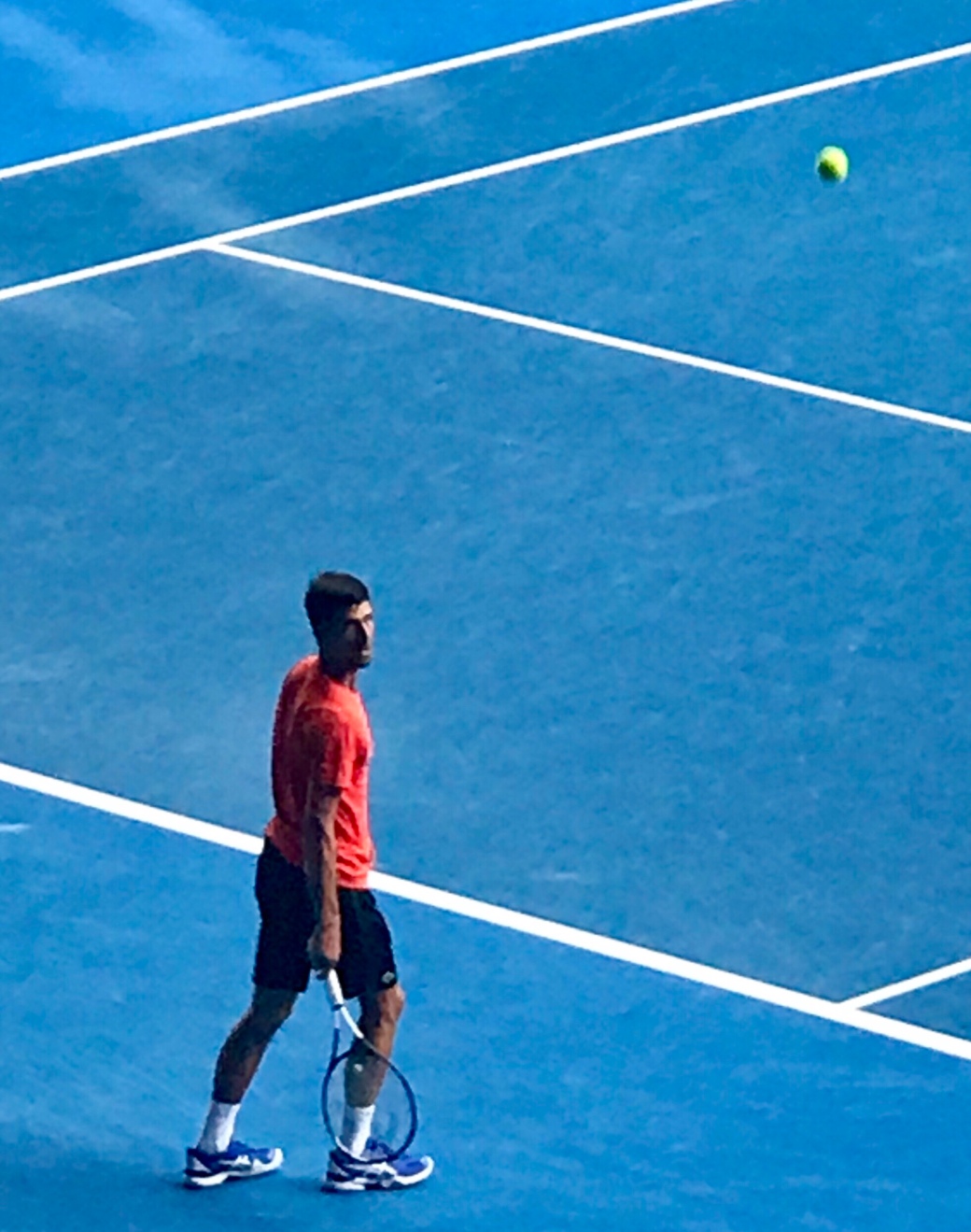

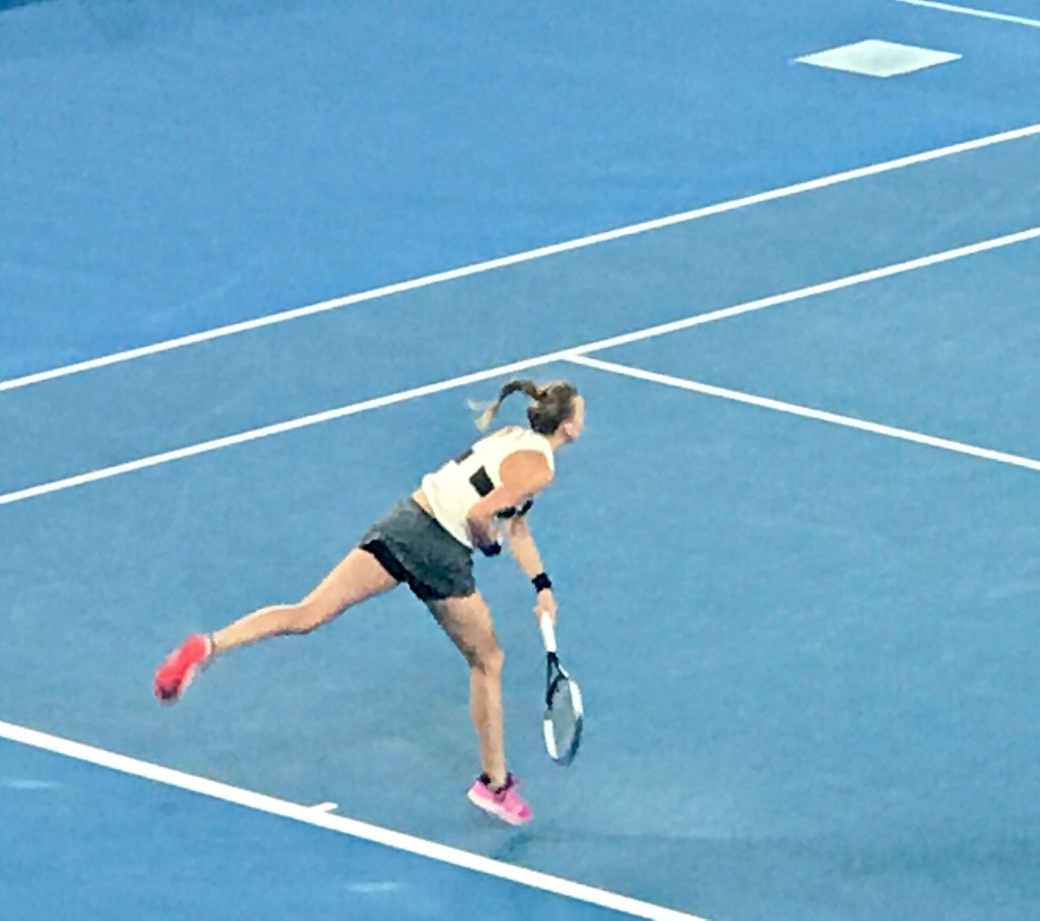
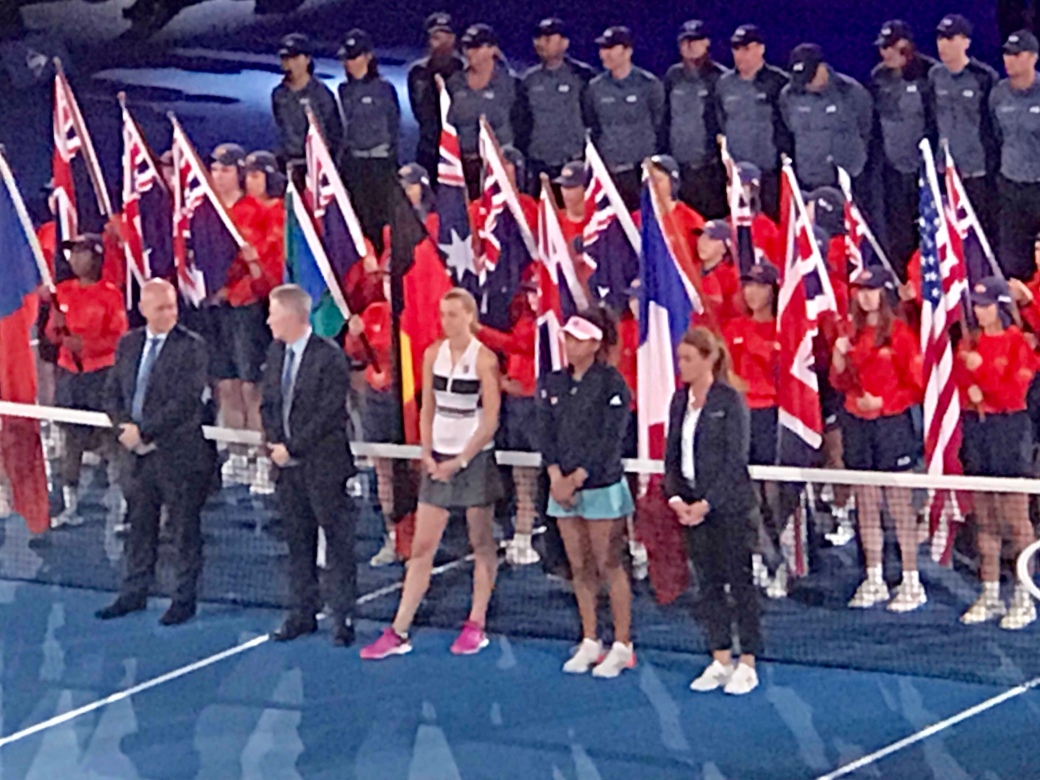

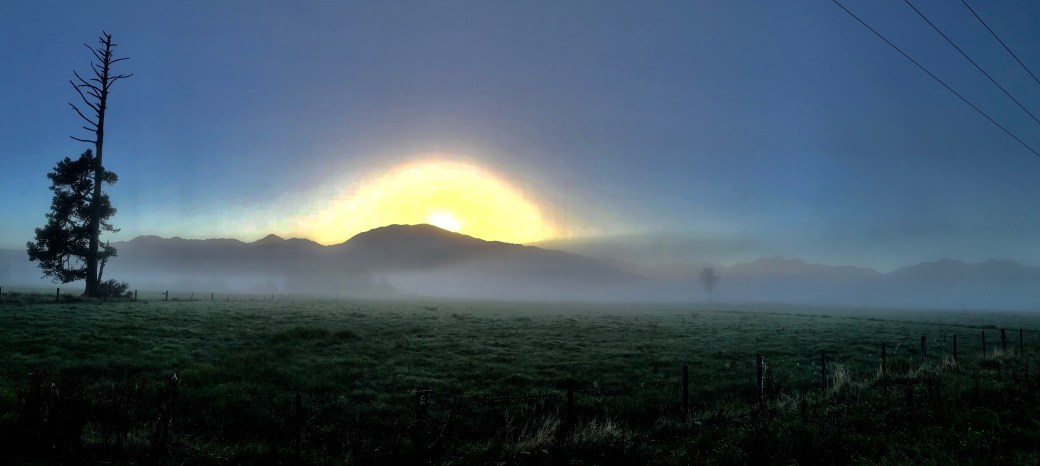
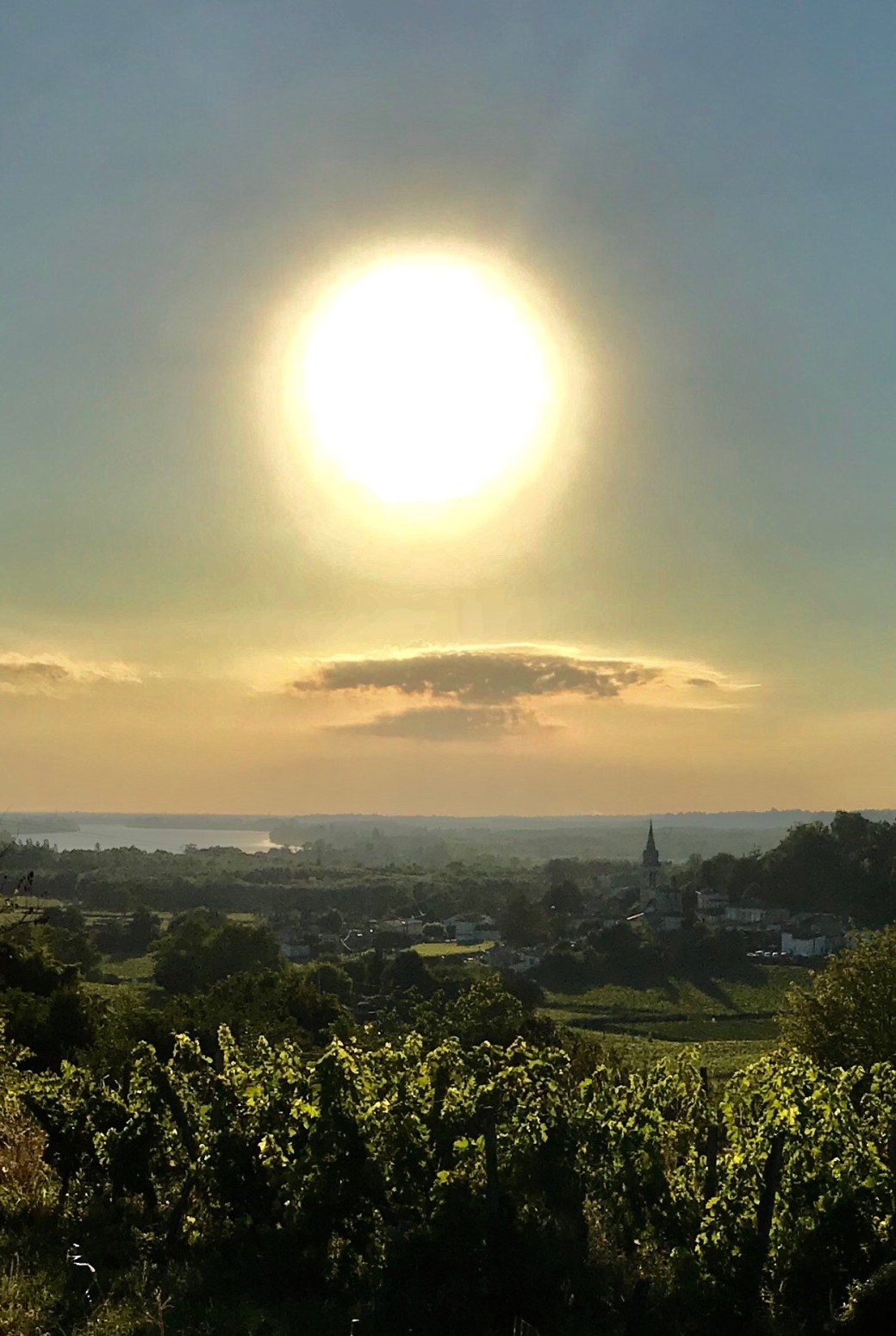 Sunrises in mornings can make getting up early really worth it.
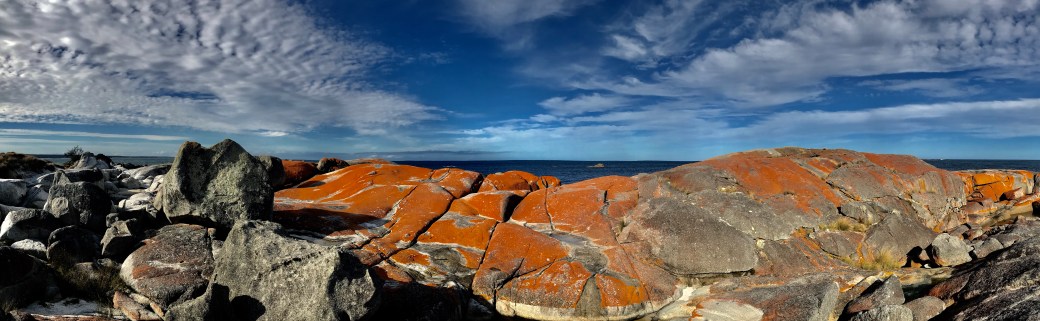 The panorama feature is really rewarding for capturing the grandeur of the special landscapes.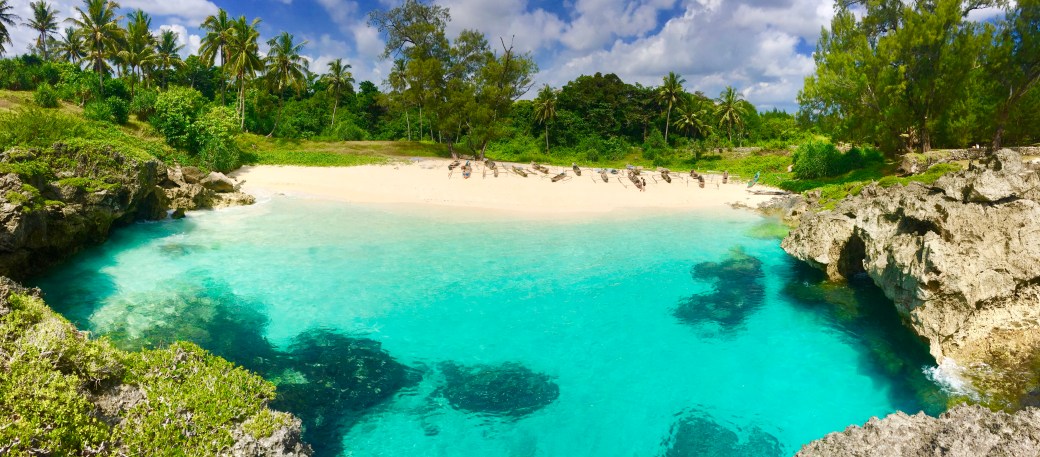

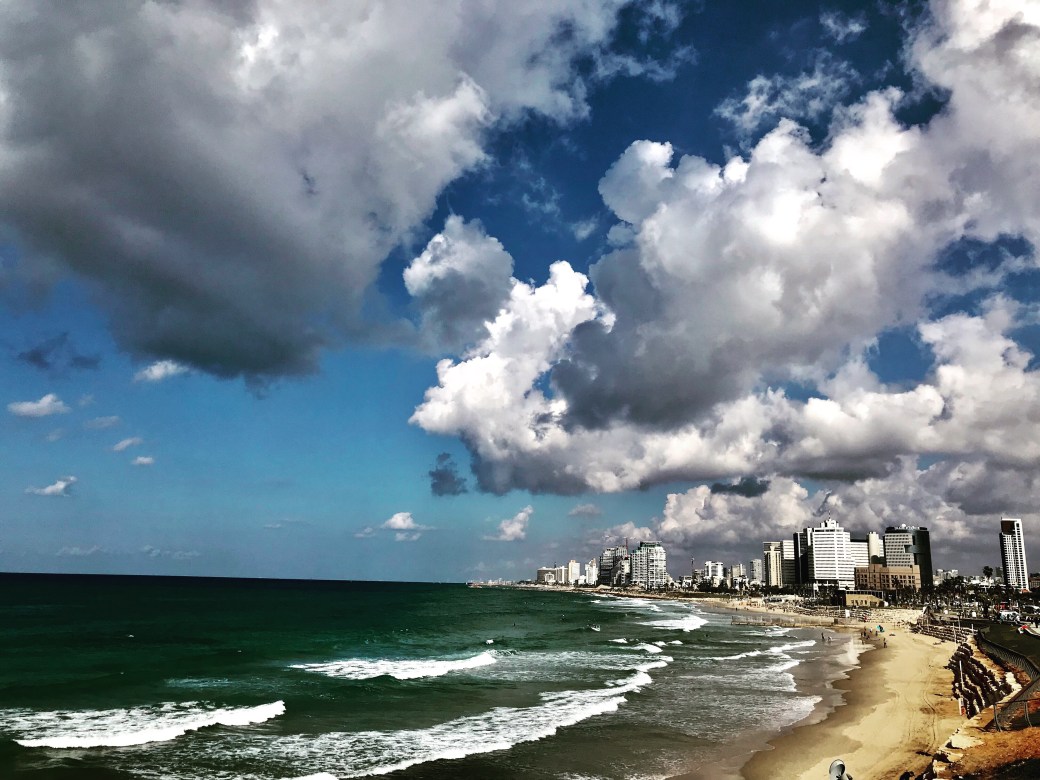
 There are so many spectacular beaches and many we had all to ourselves. We never wish for clear skies as we find that clouds are a blessing on the beach, not just to lessen the fierceness of the sun, but to add drama to the photograph.

 It is pretty hard to shoot a good sunset without fancy equipment, but sometimes you get lucky and the colors turn out spectacular.
  The man made marvels can be breathtaking too, from ancient structures…
 to more newer ones.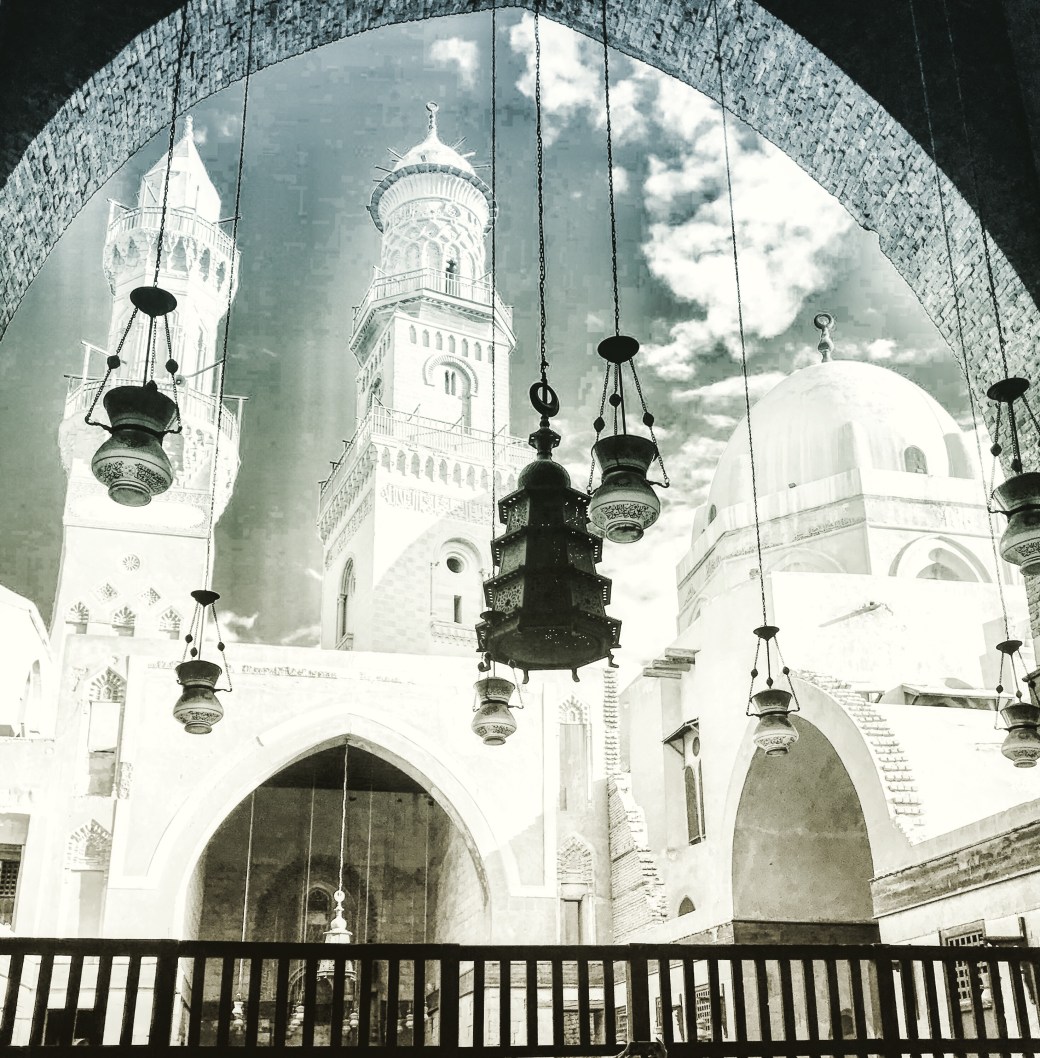
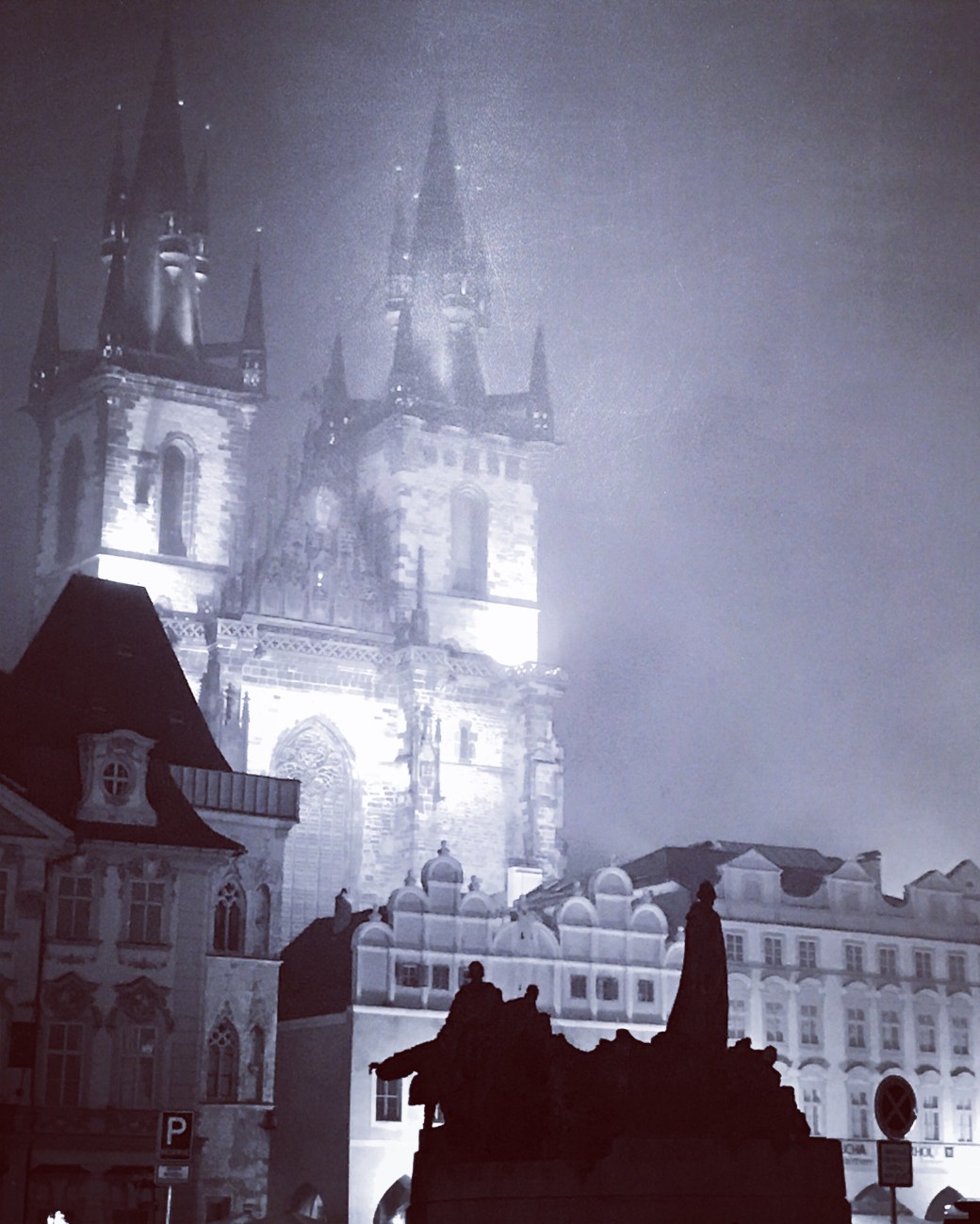 No need to lock yourself in a darkroom anymore, just switch to a B&W filter when editing your shots.
 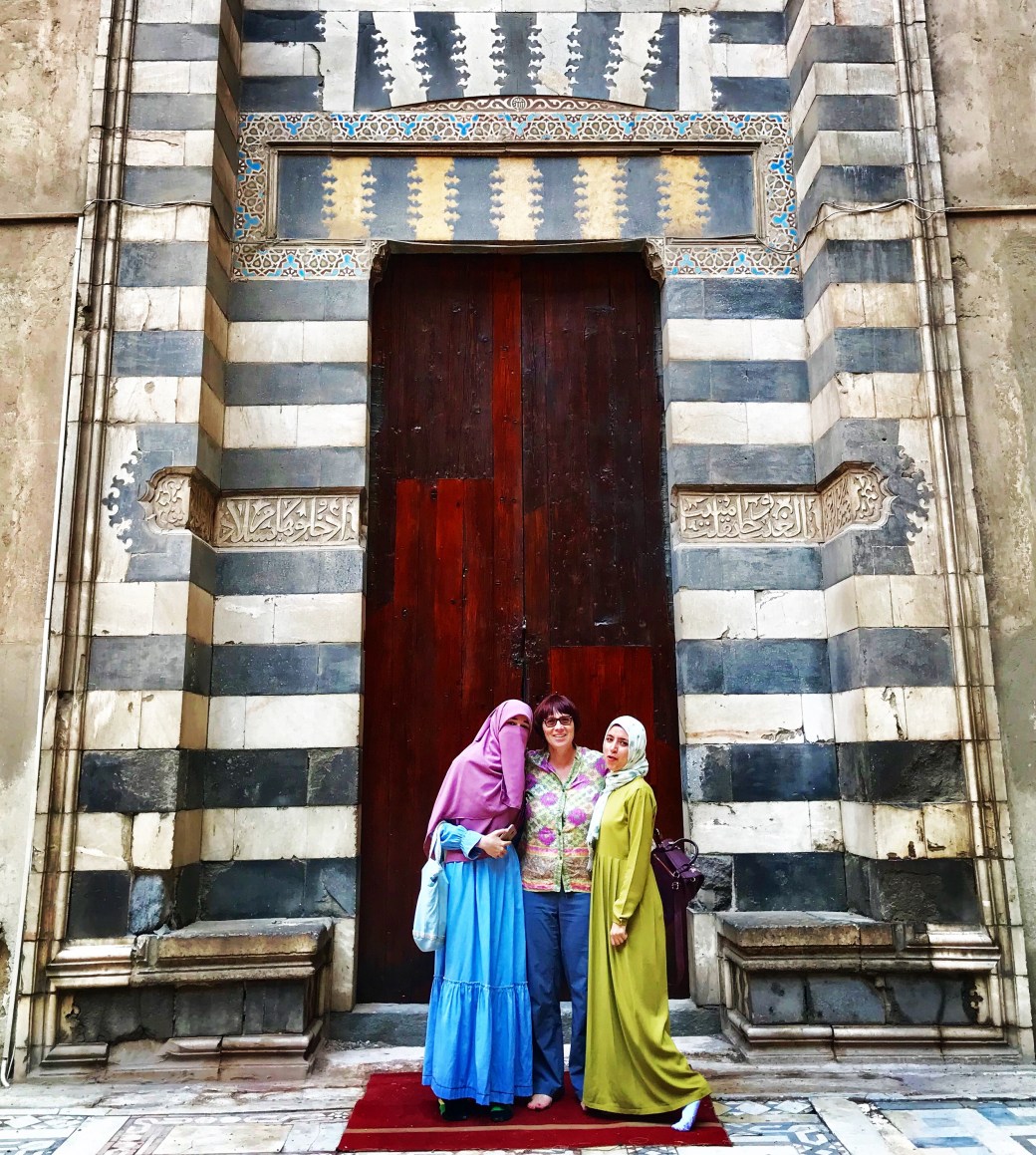 Real people give scale and drama to architecture.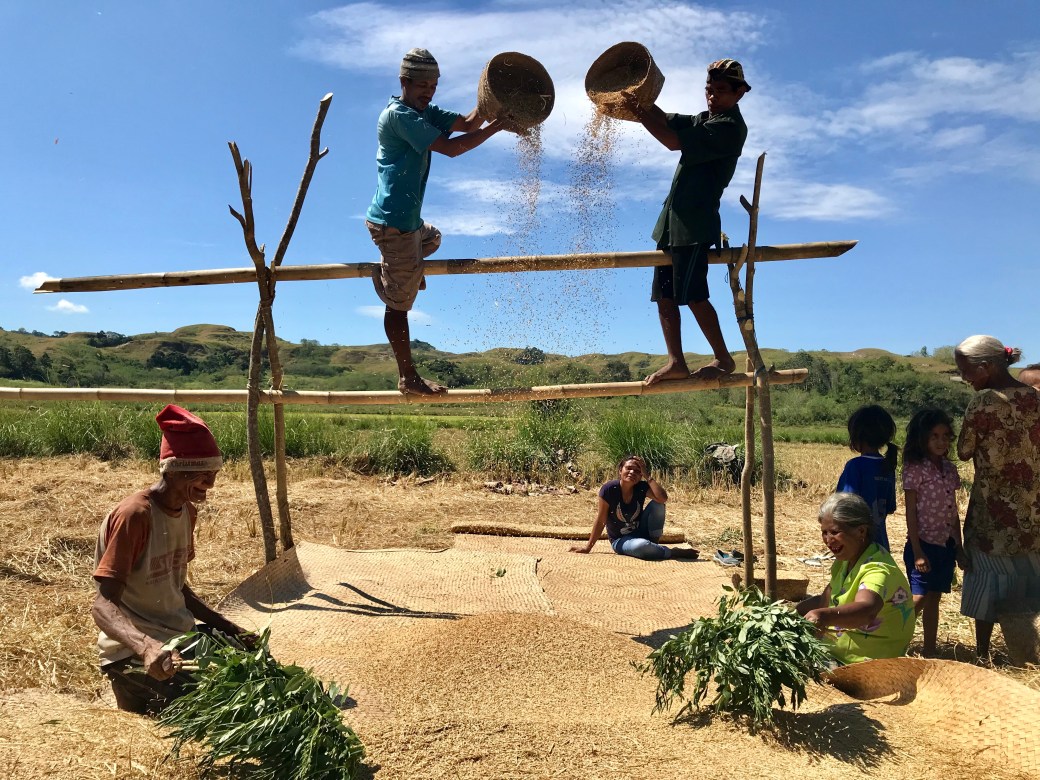
 People working the land with their hands is an endlessly fascinating subject.
 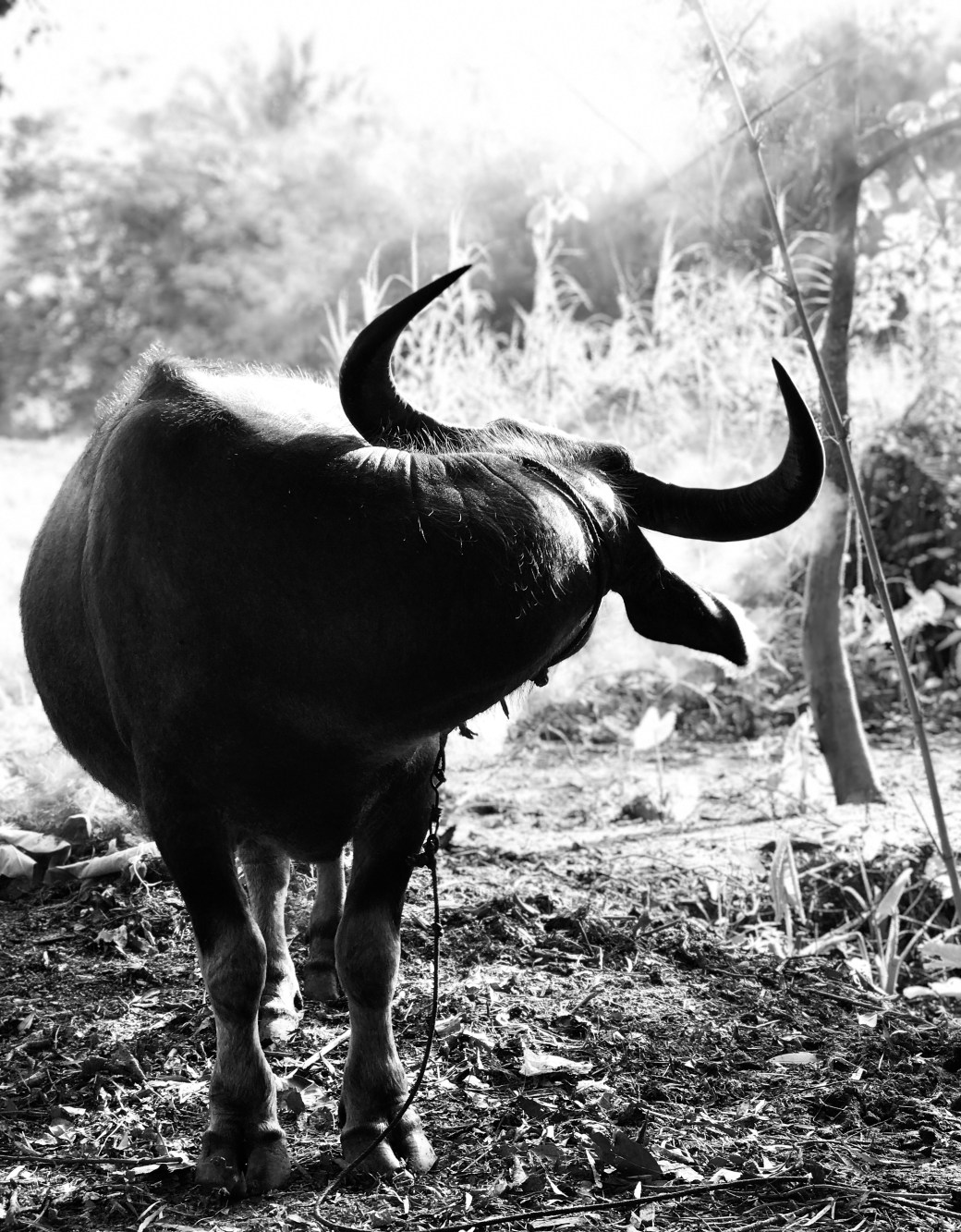 Let’s not forget their animals!
 And our close relatives amongst them.
  The mountains high and low challenge our sense of adventure.
 But probably nothing more than a sail and rudder.
  On a river
 or on the sea sailing towards new adventures.
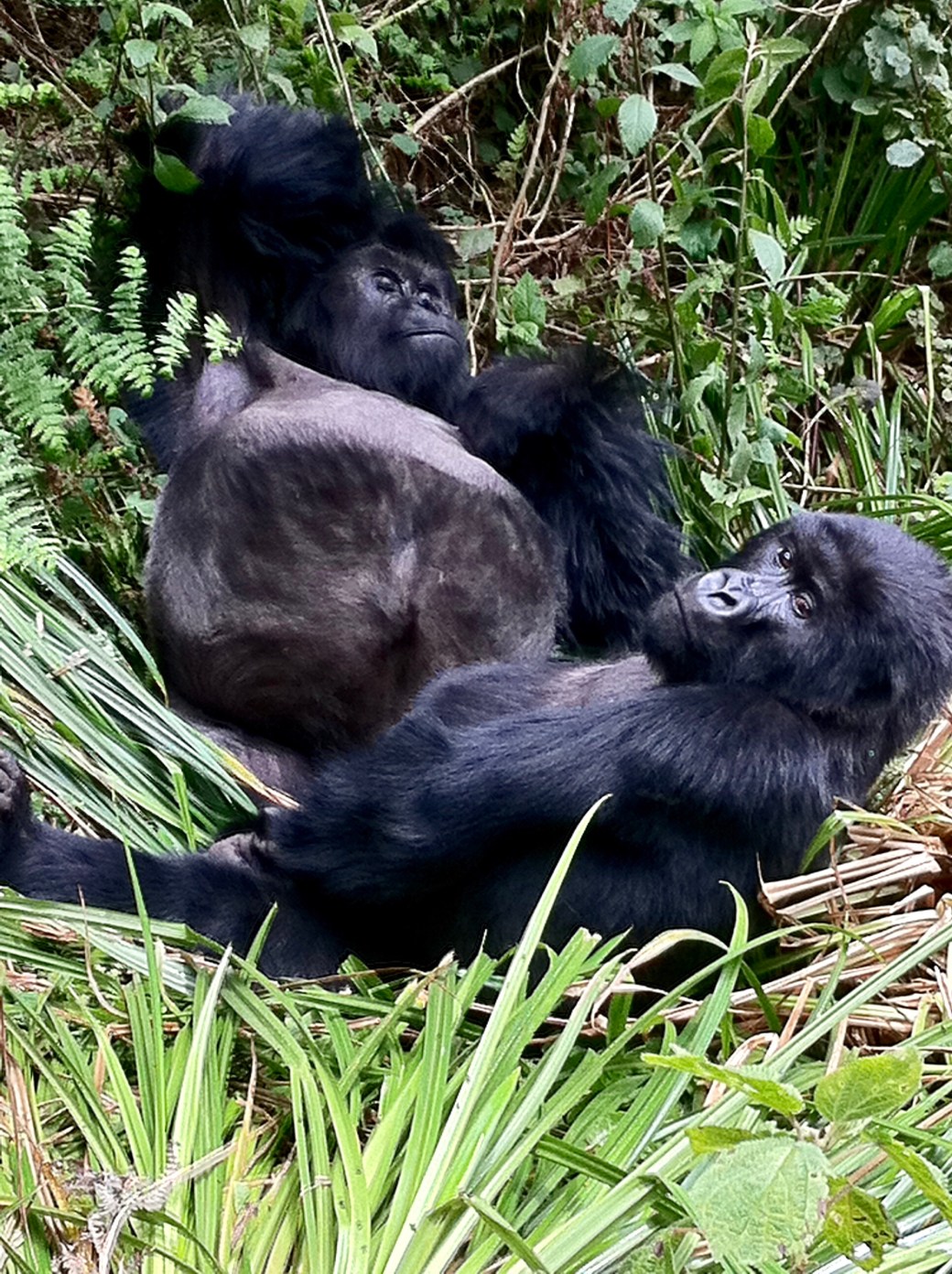 Mirek’s 60th in with whale sharks in Mozambique.
 we only had birthday drinks at the hotel’s stodgy bar. We sat in the uncomfortable armchairs, drinking overpriced (and god awful) cocktails. We noticed some businessmen at the bar speaking Czech, then a whole bunch more Czech men in dark suits coming in. Turns out the Czech President with his entourage was staying there to open a Czech cultural center. It would be an understatement that Mirek dislikes the Czech President any less than the American President, so we hightailed it out of there.
 to our cute Airbnb right in the Jewish quarter. We loved staying in the traditional heart of Jerusalem and four nights certainly was not enough. We were right on the seamless border of Armenian and Jewish quarter on a pedestrians only old cobblestone road.
 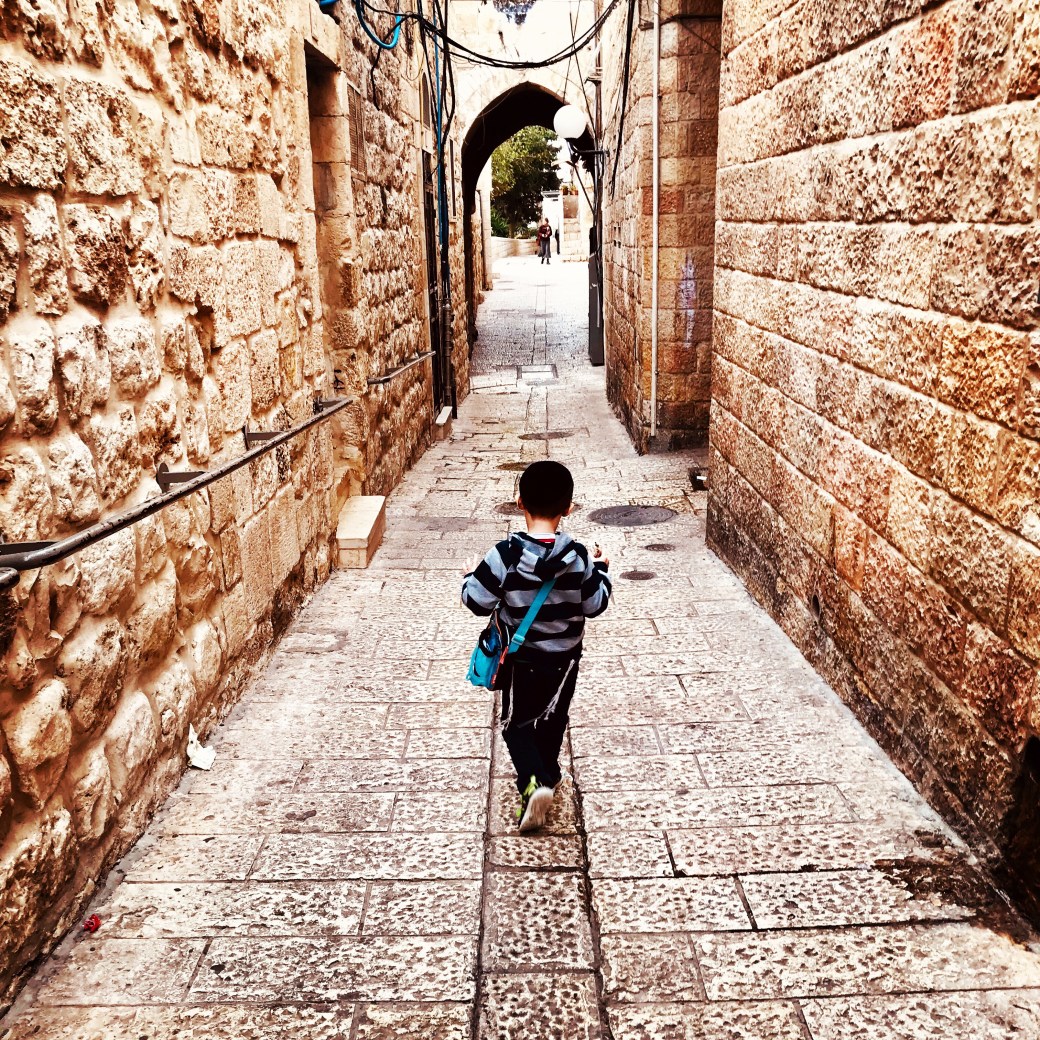 At any given time we might encounter monks …
 or rabbis…
 and sometimes we even visited with the Roman time market people.
  We soon found our favorite coffee shop for fresh morning pastries and excellent cappuccinos. We loved sitting at their window, watching people as they started their day.
 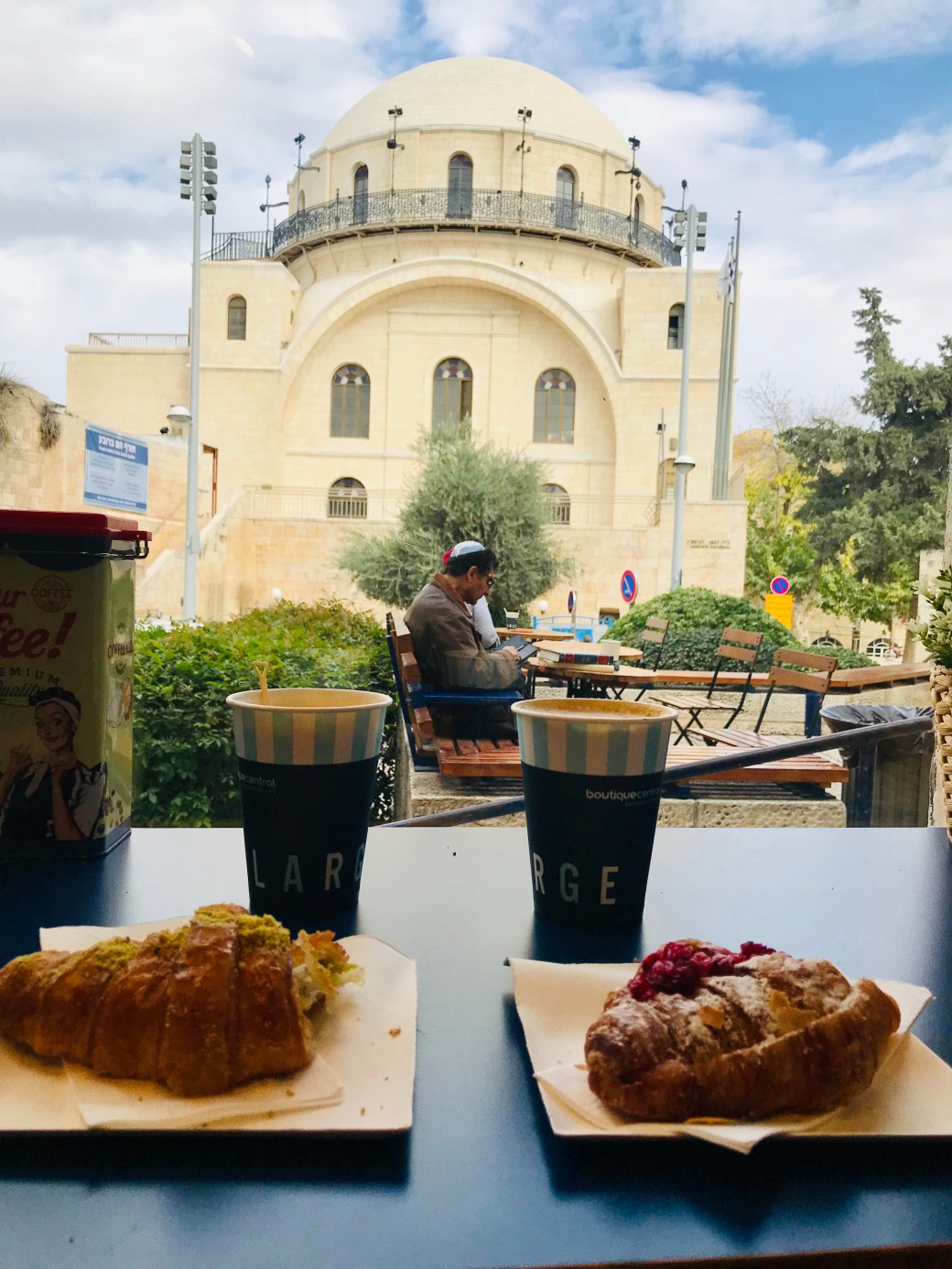 We could see men in their traditional orthodox black suits and black hats going to study Torah…many of them taking their kids to school or daycare on their way. Women with their long skirts and their fancy wigs instead of scarves covering their hair going to work or shopping. Or just getting a morning coffee and a bagel
 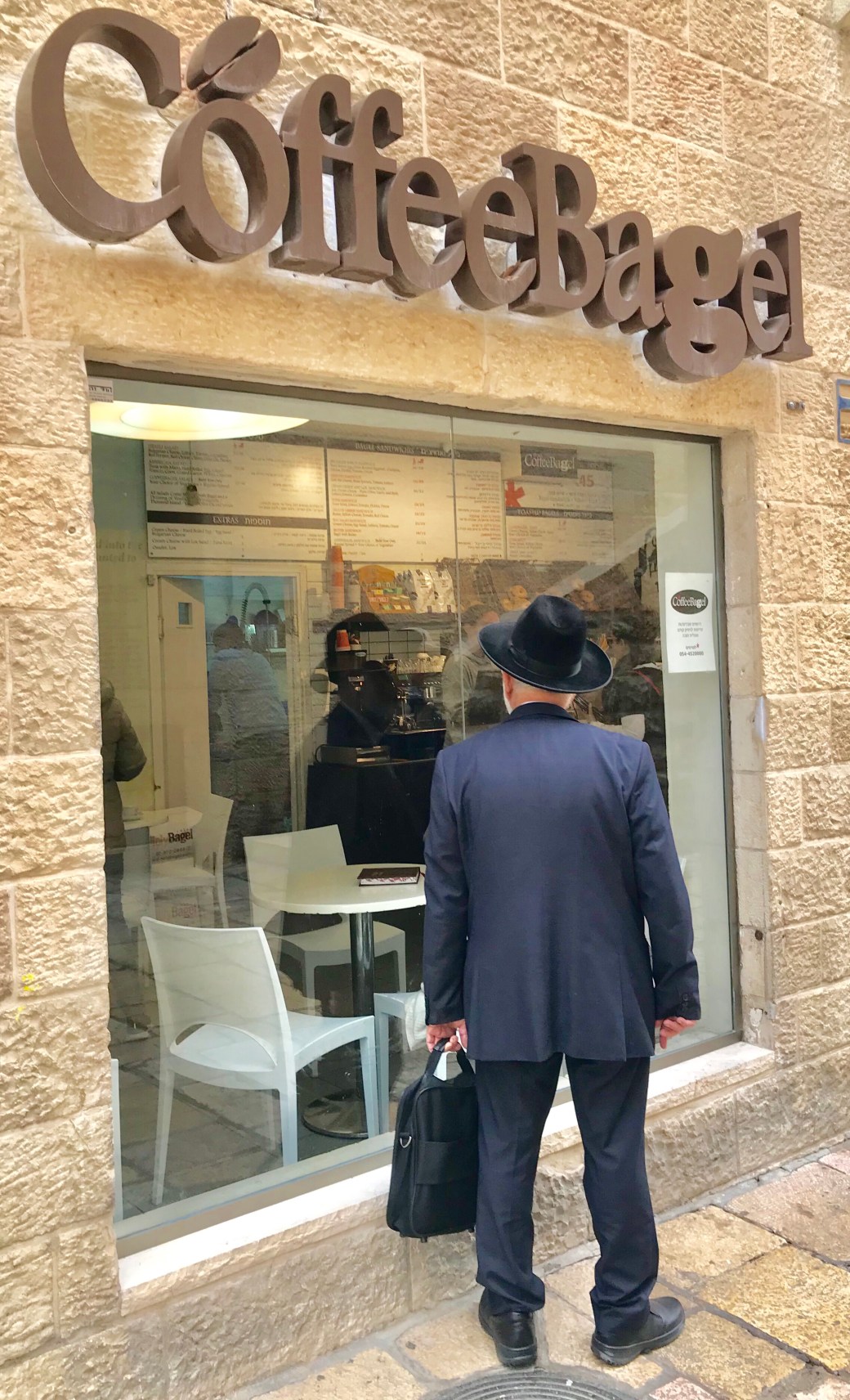 or delivering some.
 In the evenings we would cross the plaza with the giant golden menorah
  to stop a few doors down from our apartment at a neighborhood kosher restaurant; excellent, fresh and inexpensive. There we could observe the local families and chat with the cook and waiter.
 The Israeli actress is a wonder woman in real life, too. She
  Except at night when the bazaars and souks empty and one is not allowed to enter into the Muslim quarter.
  There are also restrictions on visiting the Temple Mount, most holy to both Jews and Muslims. The Jews venerate it for here stood their temples destroyed by Babylonians. In Solomon’s temple was the Holy of Holies, the inner sanctuary of the
 For a few hours a day people of other religions are allowed to visit the area, but not enter the sites or pray openly. The area is actually guarded by Jordanian security forces that politely but strictly usher everyone out when it is time for Muslim prayers.
  There is a certain level of antagonism at the Christian sites, too, though that is entirely internal. It is especially evident in the Church of Holy Sepulcher,
 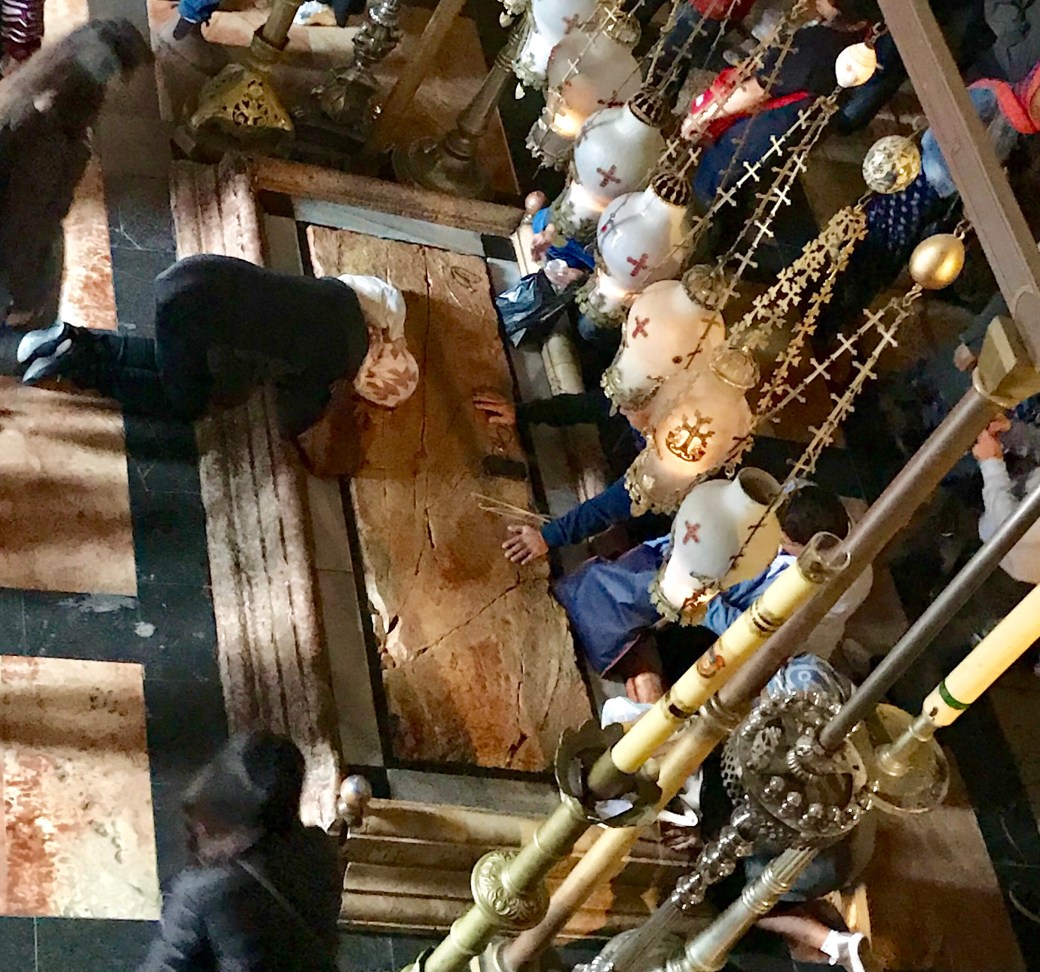 The control of the church itself is
 The different Christian factions have control over different parts of the church. In the back of the complex
  we discovered a small community of Ethiopian monks, where it seemed like nothing has changed since the early centuries.
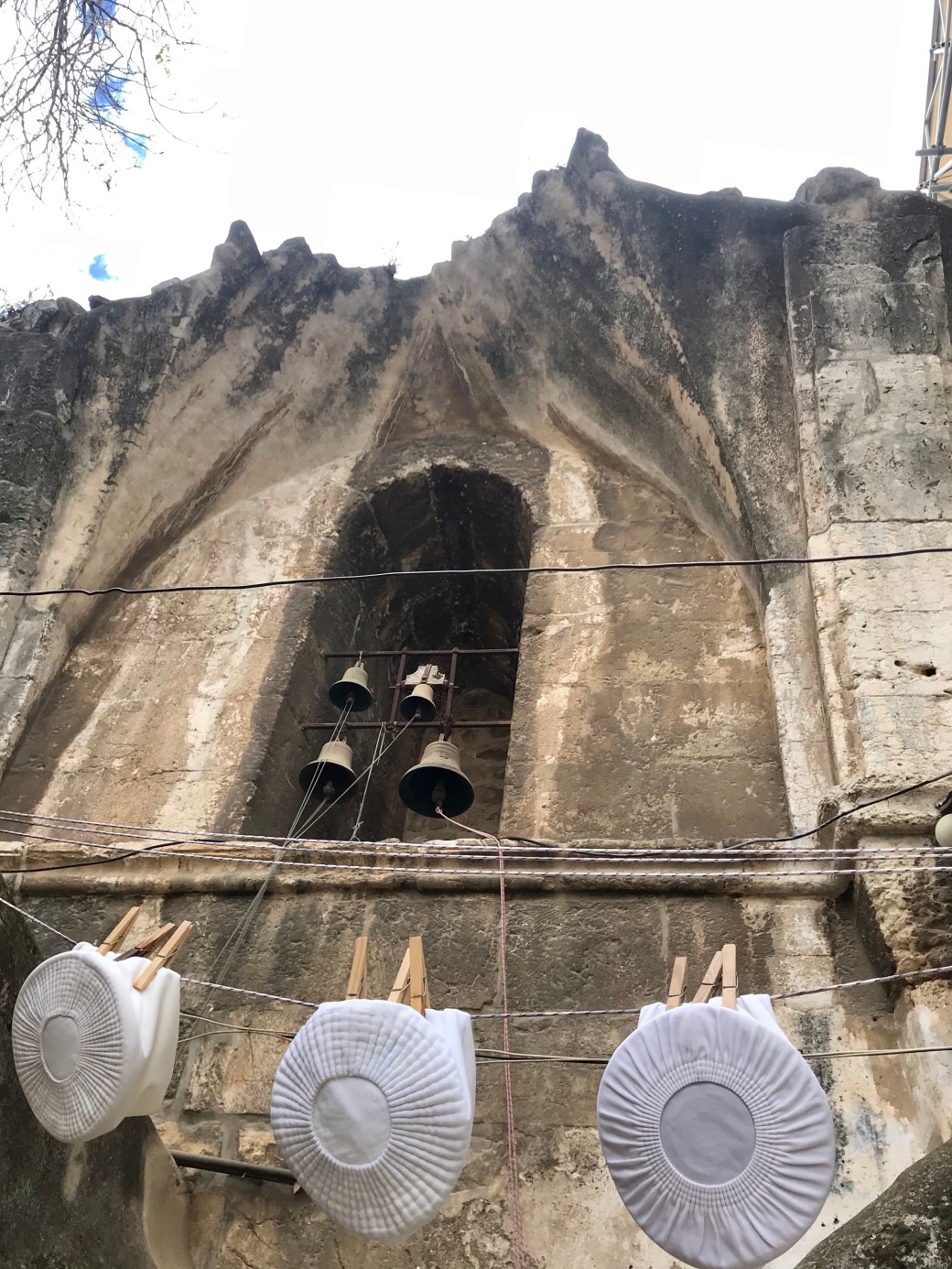 Interestingly enough some Protestants actually think the real tomb of Jesus is not here but at The Garden Tomb, at a rocky escarpment outside the Jerusalem walls. Whatever the case, the visit to this site is definitely more evocative and spiritual than the mobbed church.
 Having just recently and unexpectedly lost my best friend back home I found it touching and healing to stand at the wall with many women pouring their grief to the stones that for centuries have stood as silent witnesses.
 We joined two walking tours of Jerusalem. One took us to Mount of Olives where for me the most spiritual Christian place is located – the Gethsemane Garden. This is where Jesus went to pray after the Last Supper and in all his humanity, afraid of suffering awaiting him, asked God for “this cup to pass me by”.
 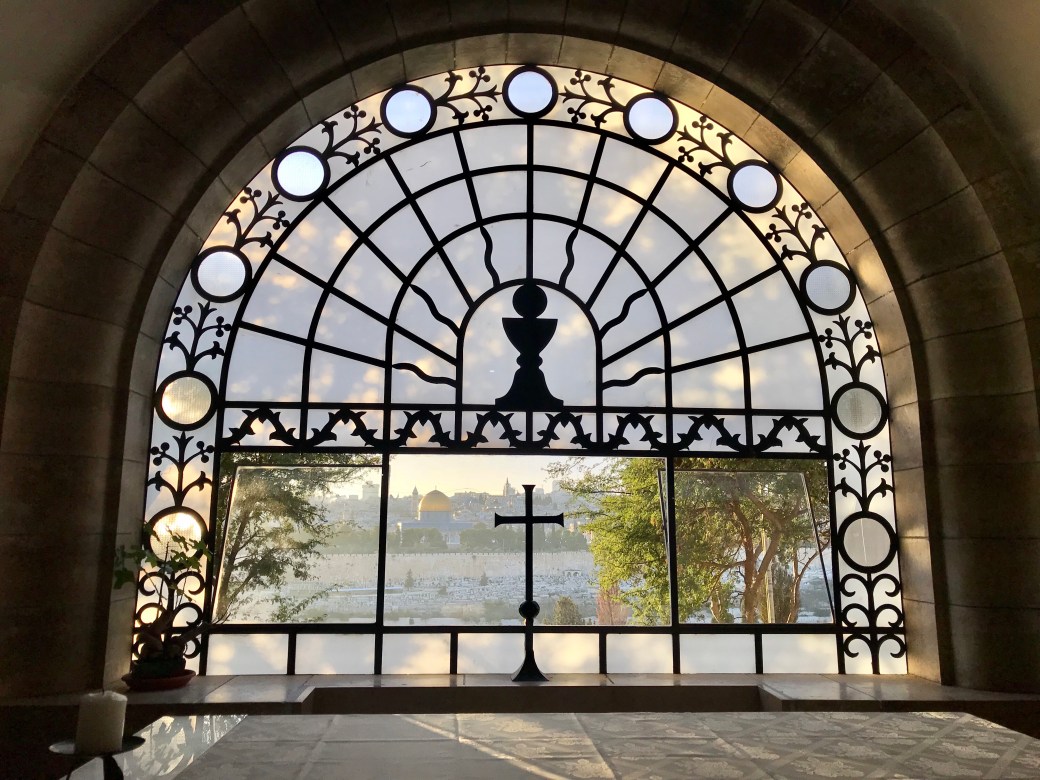 The Olive Grove has large old olive trees dated up to 900 years old, some probably offshoots of the same trees that witnessed Jesus’ prayers and fears. Gethsemane means olive press in Syriac Aramaic, the language of Christ.


 To our big surprise our first night at the kibutz was the first night of Hanukah. And Mirek got the honor of lighting the first candle at the home of our wonderful Servas hosts Ita and Avram.
 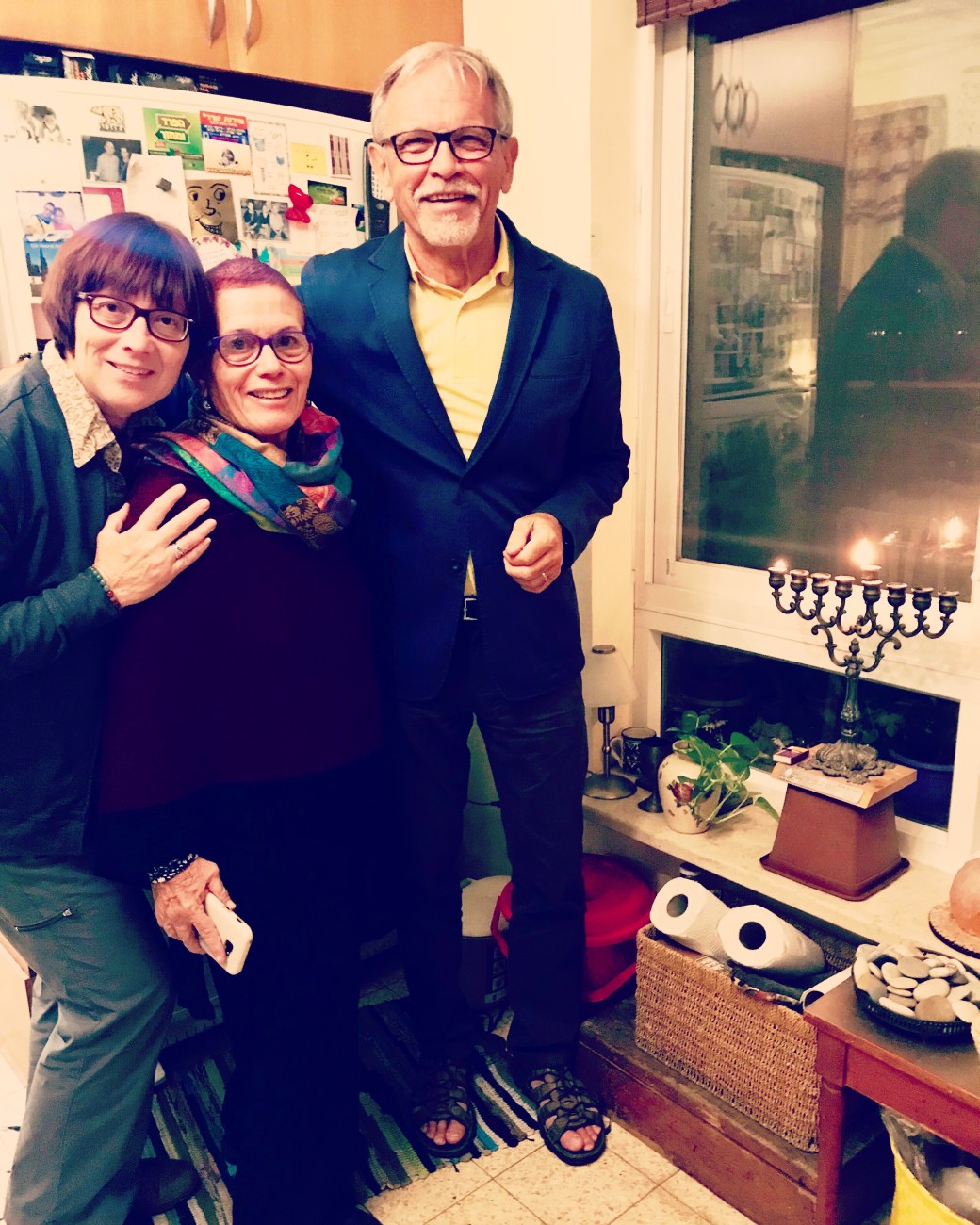 We came to Israel with a bucket list of places and experiences and visiting a kibutz was one of them. Some others high on the list were:
 We did try consulting with the Israelis in Jerusalem, but, you see, they are not allowed to travel the half hour distance into Bethlehem and they were quite envious that we, as foreign tourists, could. It reminded me of the time when I crossed Checkpoint Charlie from West into East Berlin and back, knowing that my East German friends could not. Not a very good feeling!
 Supposedly the doors were originally build so low so people could not ride their horses or drive their carts into the church. For those not familiar with the details of Christianity, this is a very holy place for Christians, who believe that Jesus Christ was born here. There is a silver star in the grotto marking the exact spot where his mother, Virgin Mary gave birth.
 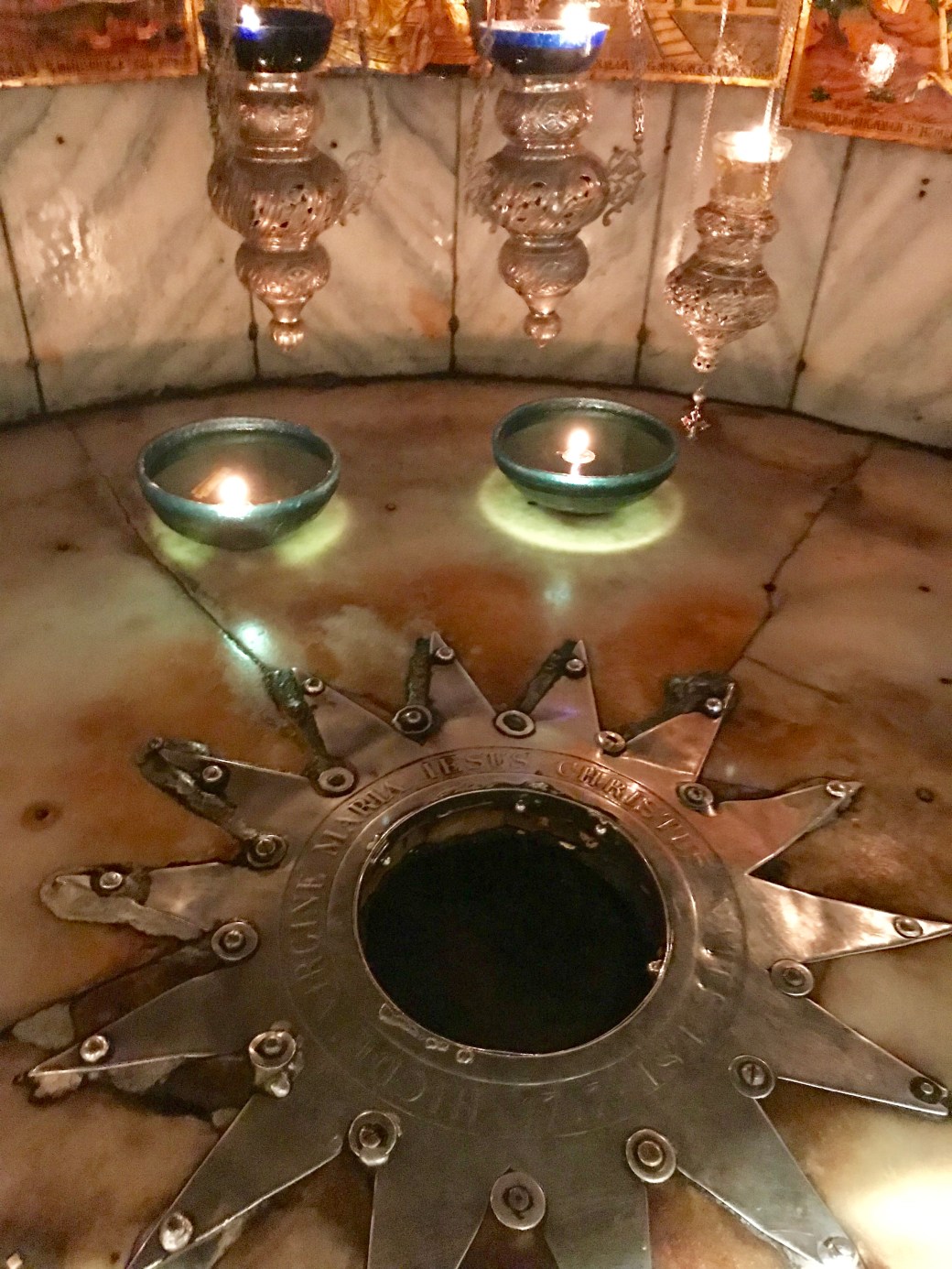 The church was quite busy with tourists groups from all over the world, being herded by their tour leaders. It was a bit of a mob scene, not unlike the one in the Church of Holy Sepulcher in Jerusalem (the place where Jesus was buried after crucifixion) or the Basilica of Annunciation in Nazareth (where angel told Mary that she will give birth to Jesus, despite being a virgin).
 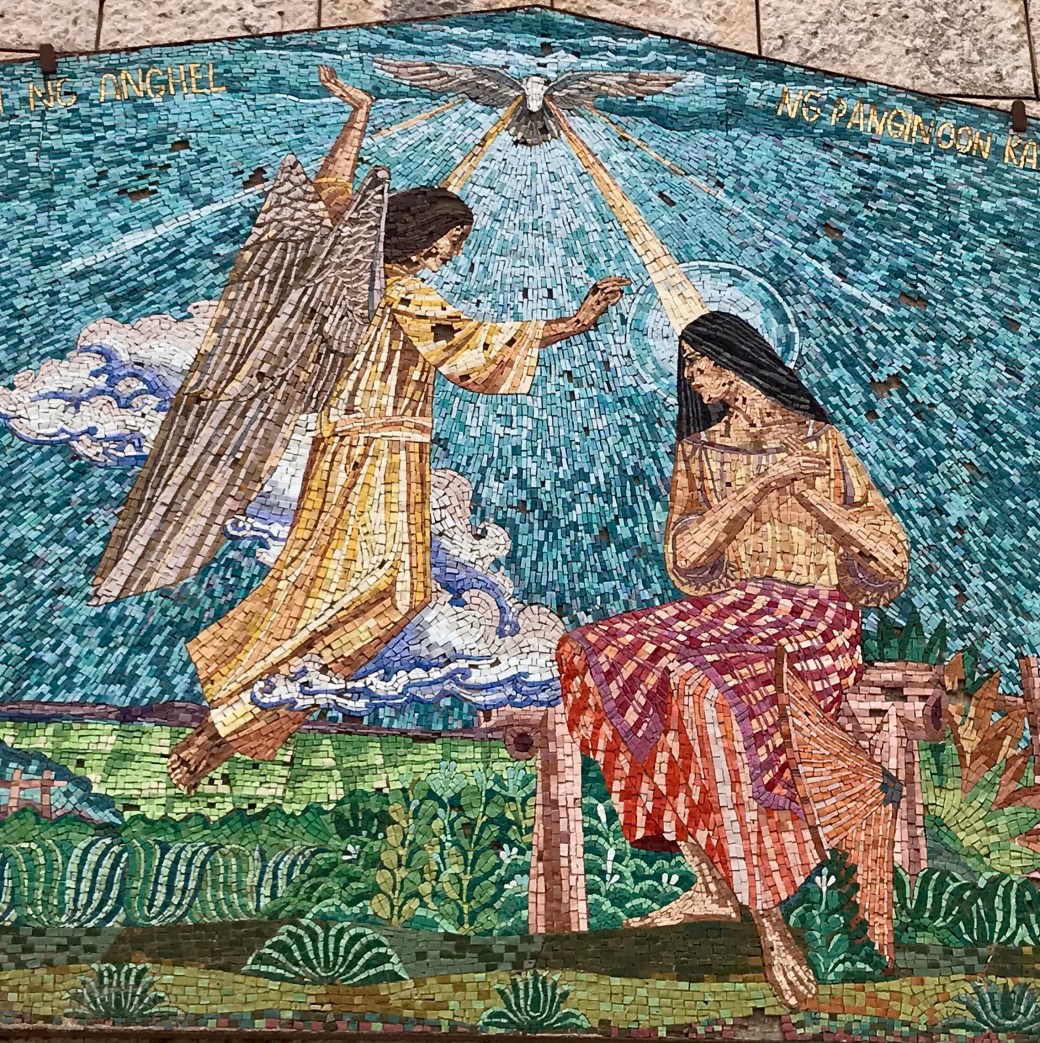 Here and there we pretended we were part of a group and followed them around, but were quickly put off by the attitude of the “pilgrims”. To us it seemed there was an awful lot of jostling, posturing, and selfie photos, and very little real religious fervor.
 Here we were nearly alone, but for a nun praying at the new Peace Chapel. God knows, she could have used some help to ensure lasting peace. The pilgrims were nowhere to be found, they were buying souvenirs.
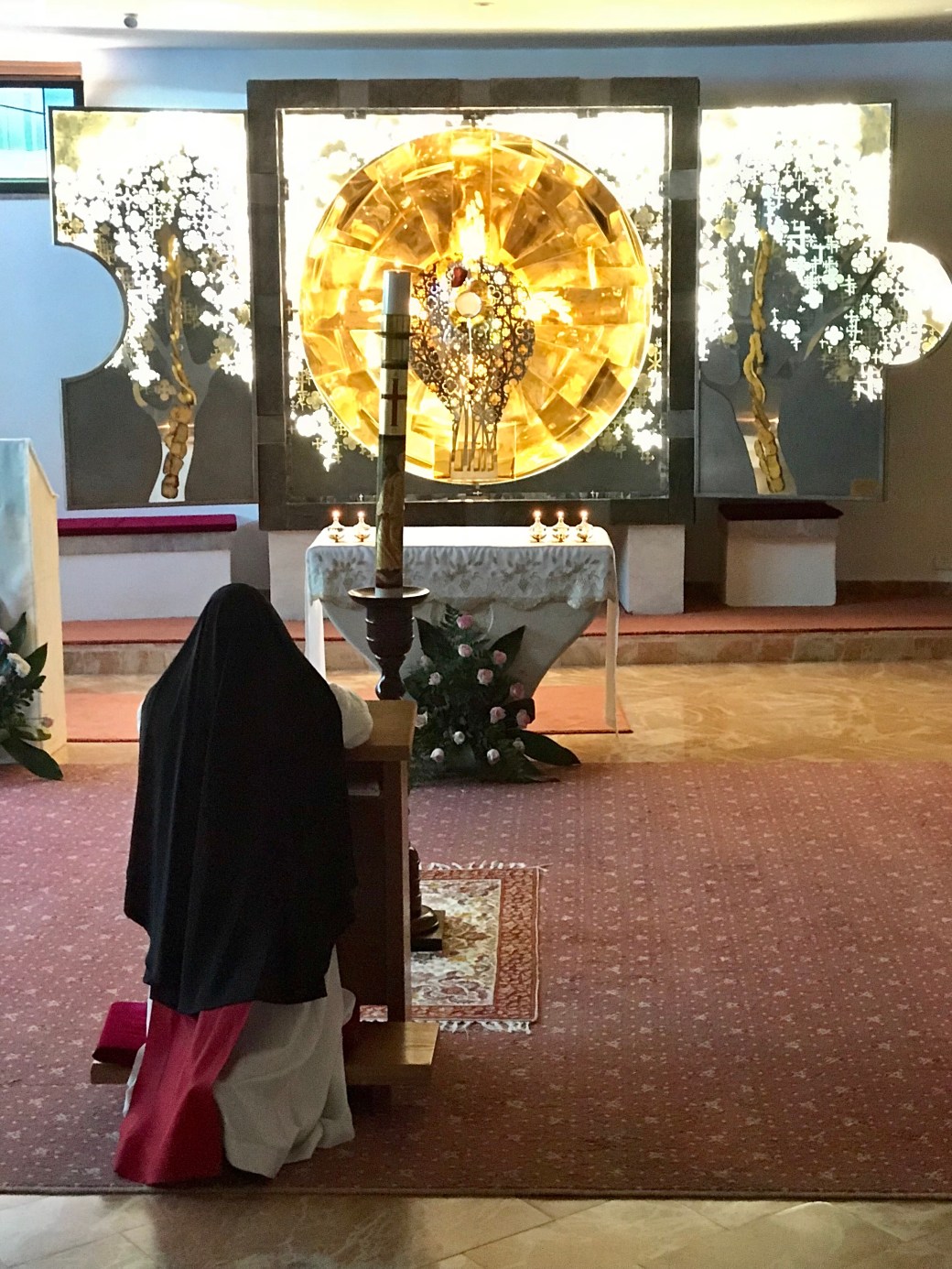 On the way back we decided to go with the Israeli bus and pass through the notorious checkpoint 300. It took us a while to find The Wall
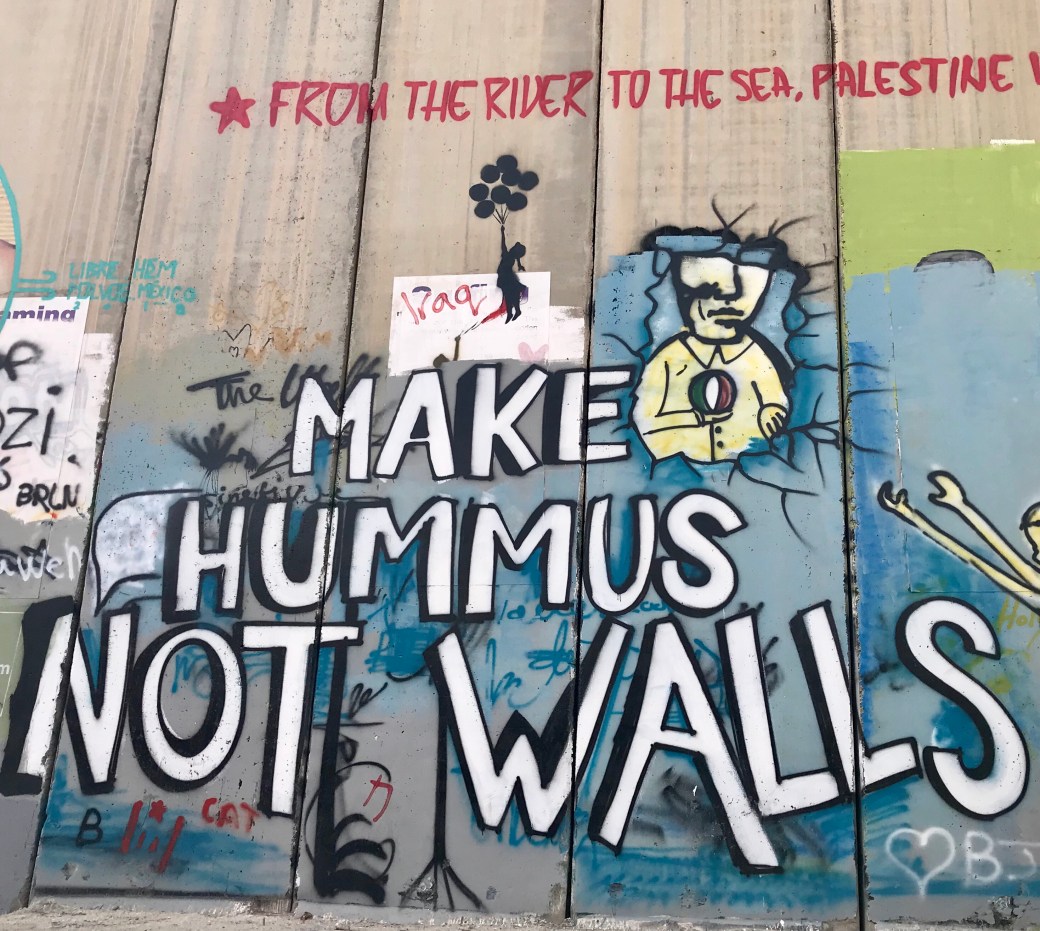
 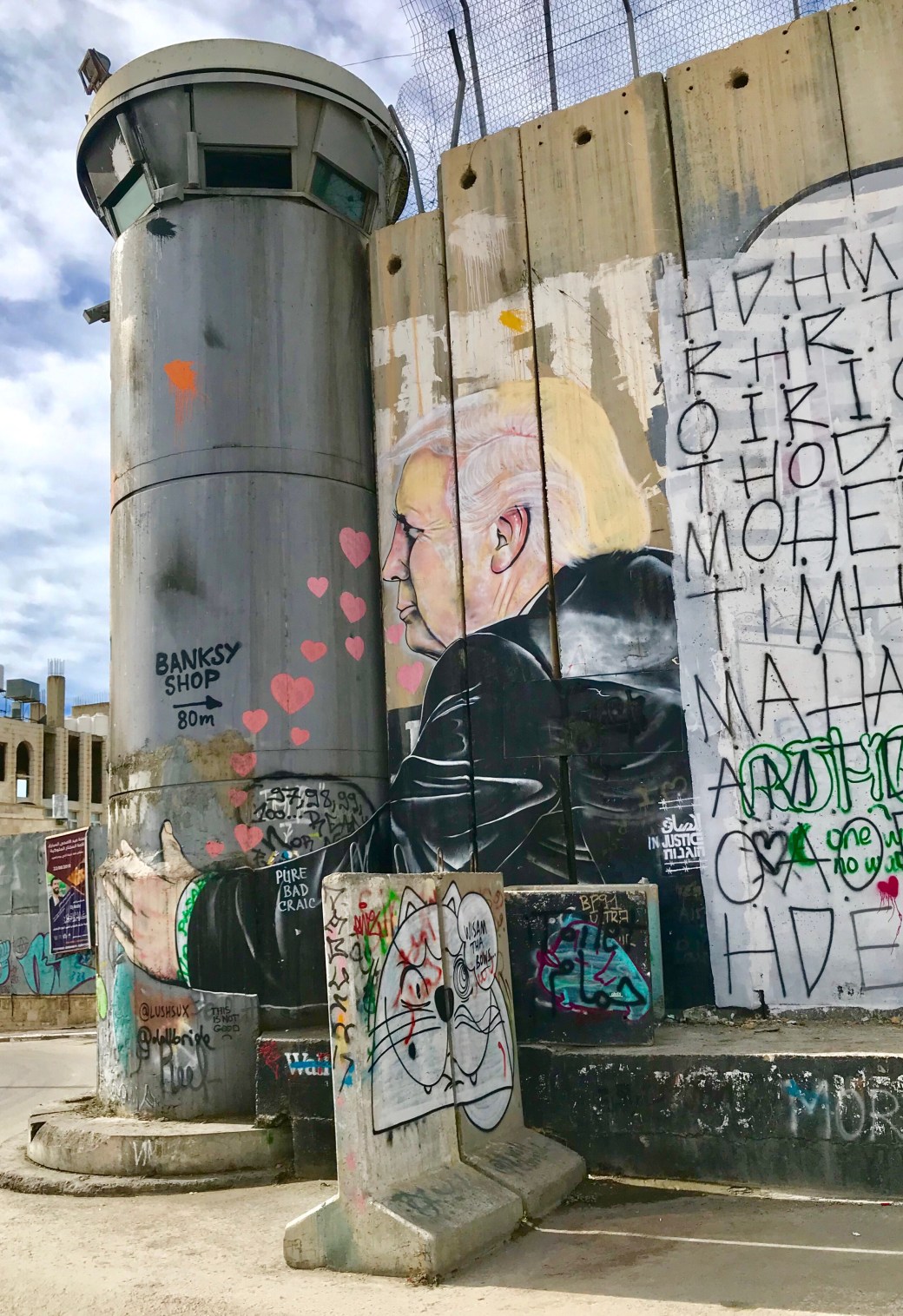 with its famous graffiti. There were a few by Banksy who inspired others.
 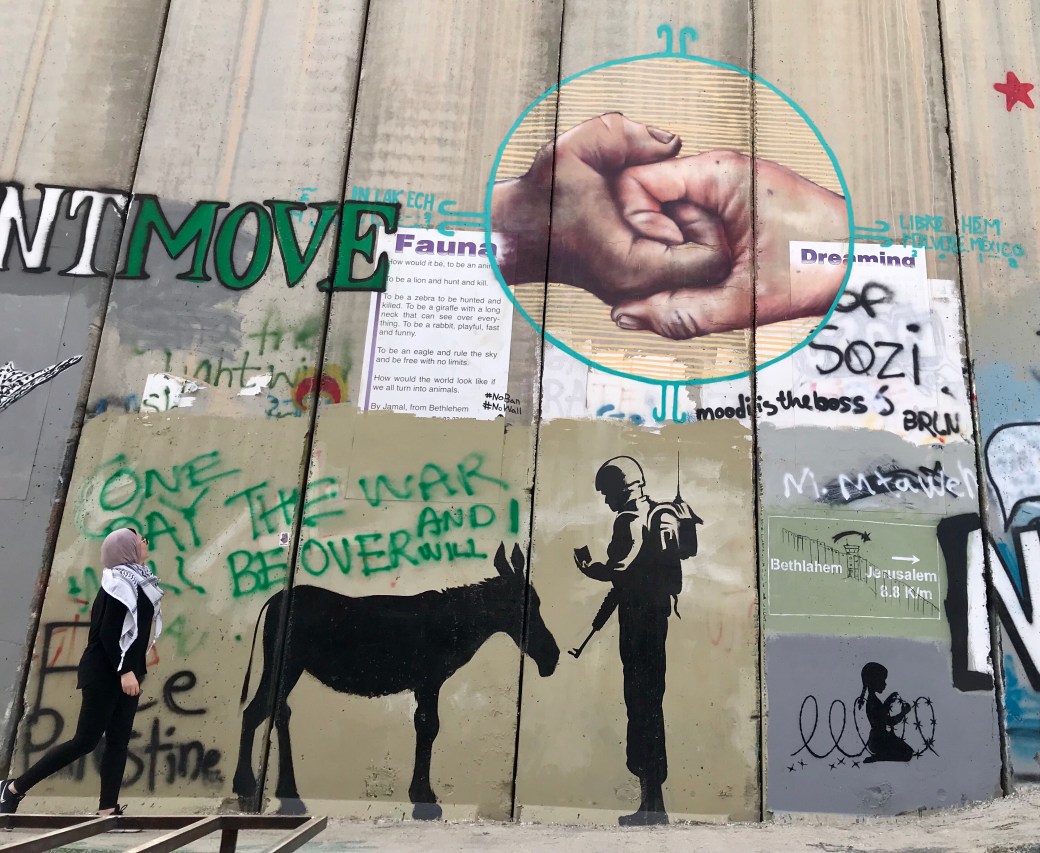 We walked quite a distance alongside it
  to find the Hole in the Wall. If we remembered the scenes from the media of masses of Palestinians being frisked at the checkpoint we were surprised that there was no one anywhere to ask for directions. At the last moment we saw a man with a young son and we followed them through the turnstiles to find one open door to get through. On the other side was an X Ray conveyer belt and a bullet proof glass cubicle. Again, not a soul. Kinda like in a Sci Fi movie. We put our passports to the glass and were waved through. On the other side an Israeli bus was waiting and we sat behind the man with his son and drove back to Jerusalem for another $2 each. Imagine my surprise when I opened the newspaper upon return to Europe to find an article about the very same checkpoint with a photo of Palestinians crowding around the checkpoint, climbing over each other. Were we there on a non work Sunday or perhaps Friday Muslim holiday? No, I went back to my calendar to check and it was a Wednesday. Ah, the media. If it bleeds, it lead is their motto, so please take everything you see and read with a grain, no two grains of salt. The world is a much less dangerous place than you are led to believe. Because most people believe that it is better to:
 We were lucky to stay with an interesting Servas couple, Arie and Varda, at their vacation home in the North of Israel. There they arranged for us to attend an ultra orthodox evening service.
 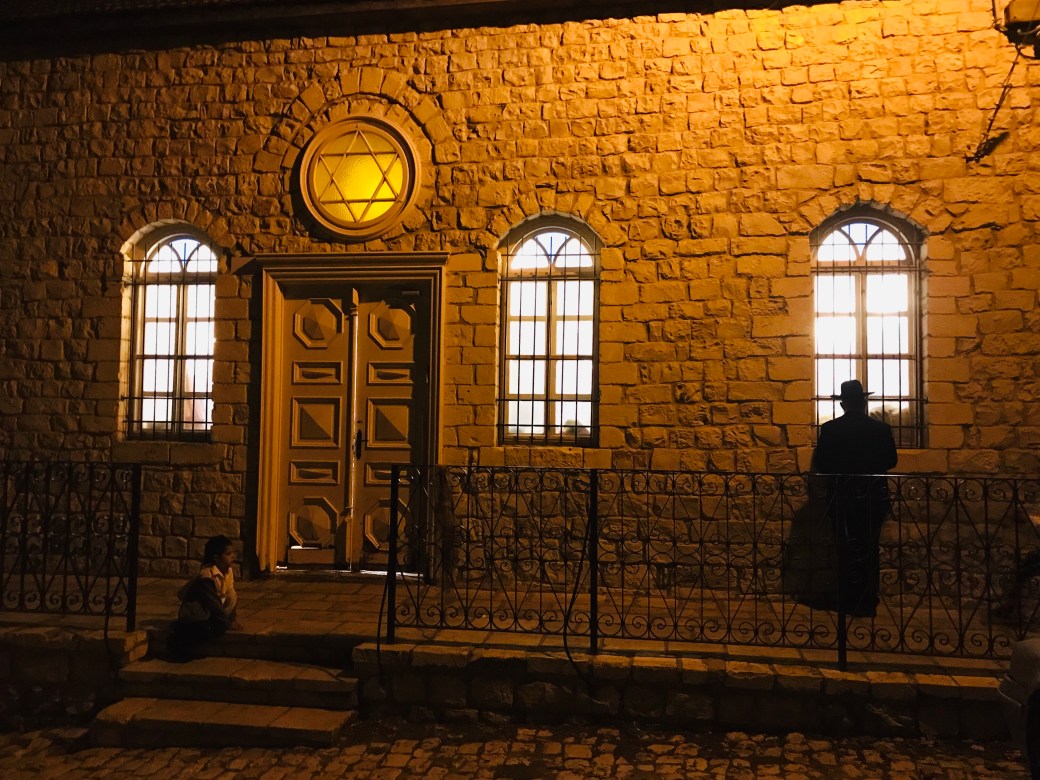 We two women had to be in a separate area behind a screen, while our two men donned the yarmulkas and stood in the main part of the synagogue. This reminded me of our time in other ultra conservative religious establishments–Ethiopian Christian churches or Turkish and Egyptian mosques. The service was so different than what we have experienced in our American friends’ reformed synagogues, where everyone participates together and there is a lot of beautiful singing.
 Afterwards our friends asked us where we would like to go next and Mirek rather timidly suggested that we would like to drive somewhere where we could see Mt. Hermon, even if from a distance.
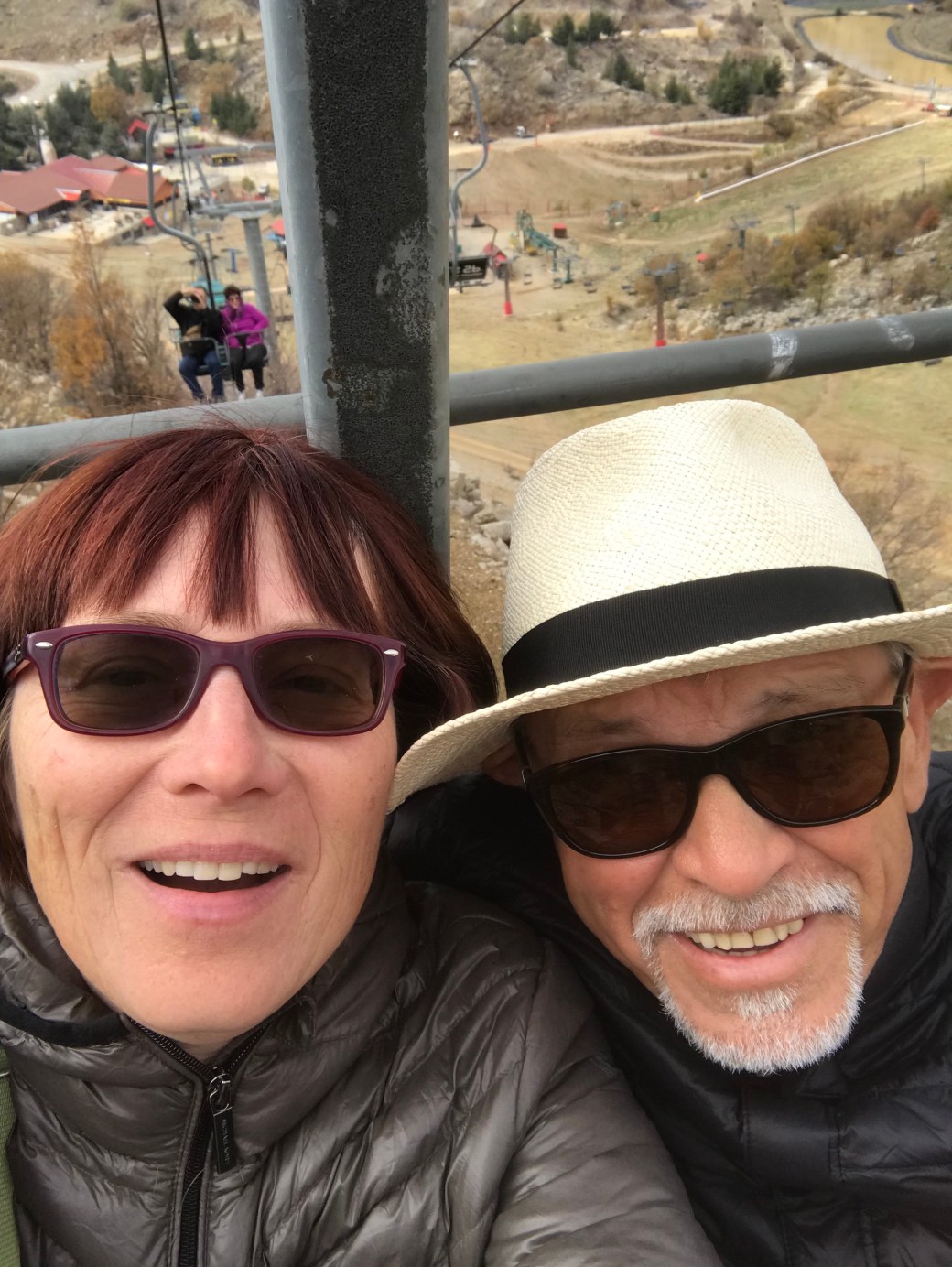 And afterward we can go to Golan Heights for some wine tasting!”
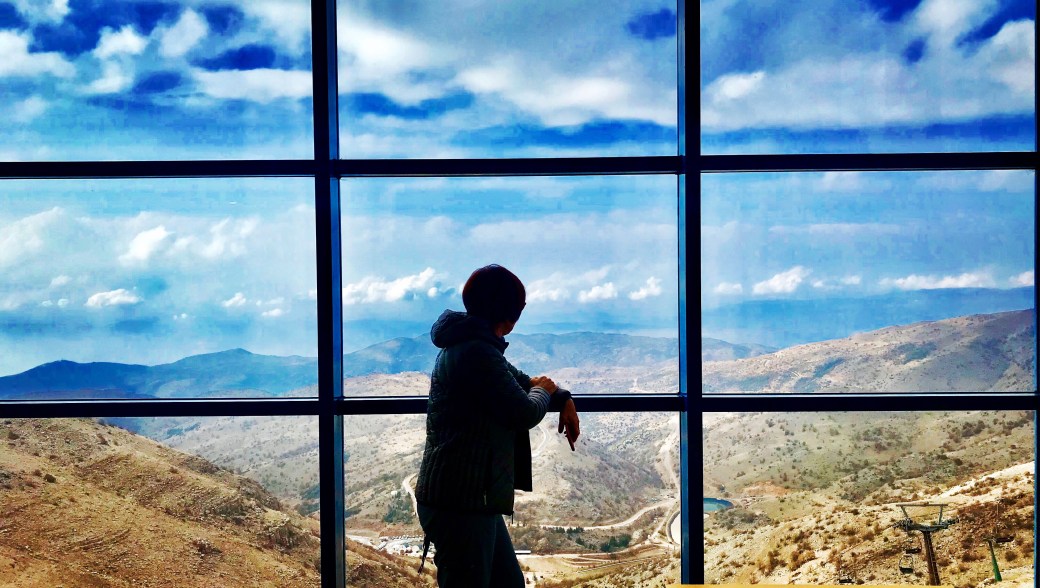 We noticed a ramp and a small post with a big Israeli flag manned by a young soldier. He walked towards us with a big smile on his face. I bet he must be terribly bored. We started chatting and then Mirek boldly asked the soldier if he would mind taking the photo of the flag and the mountain
 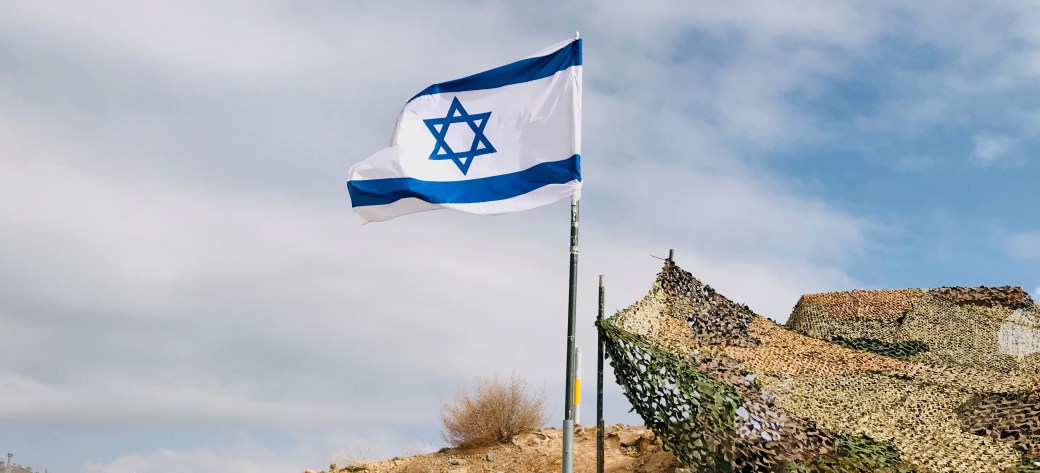 “Oh, no problem,” he answered. Why don’t you come over and take it yourself.” So, in shock, we crossed to the other side and we took a number of photos together with the soldier and his buddy, which I don’t feel comfortable posting in case they both get courtmartialed. But I wish I could, as they were the poster child for the Israel army. Young, healthy, beautiful; one an Eastern European blond blue eyed Ashkenazi Jew from Russia and the other a dark haired, olive skinned Sephardic Jews from Spain. Well, at least they were not fraternizing with the enemy, seeing that America is Israel’s best friend.
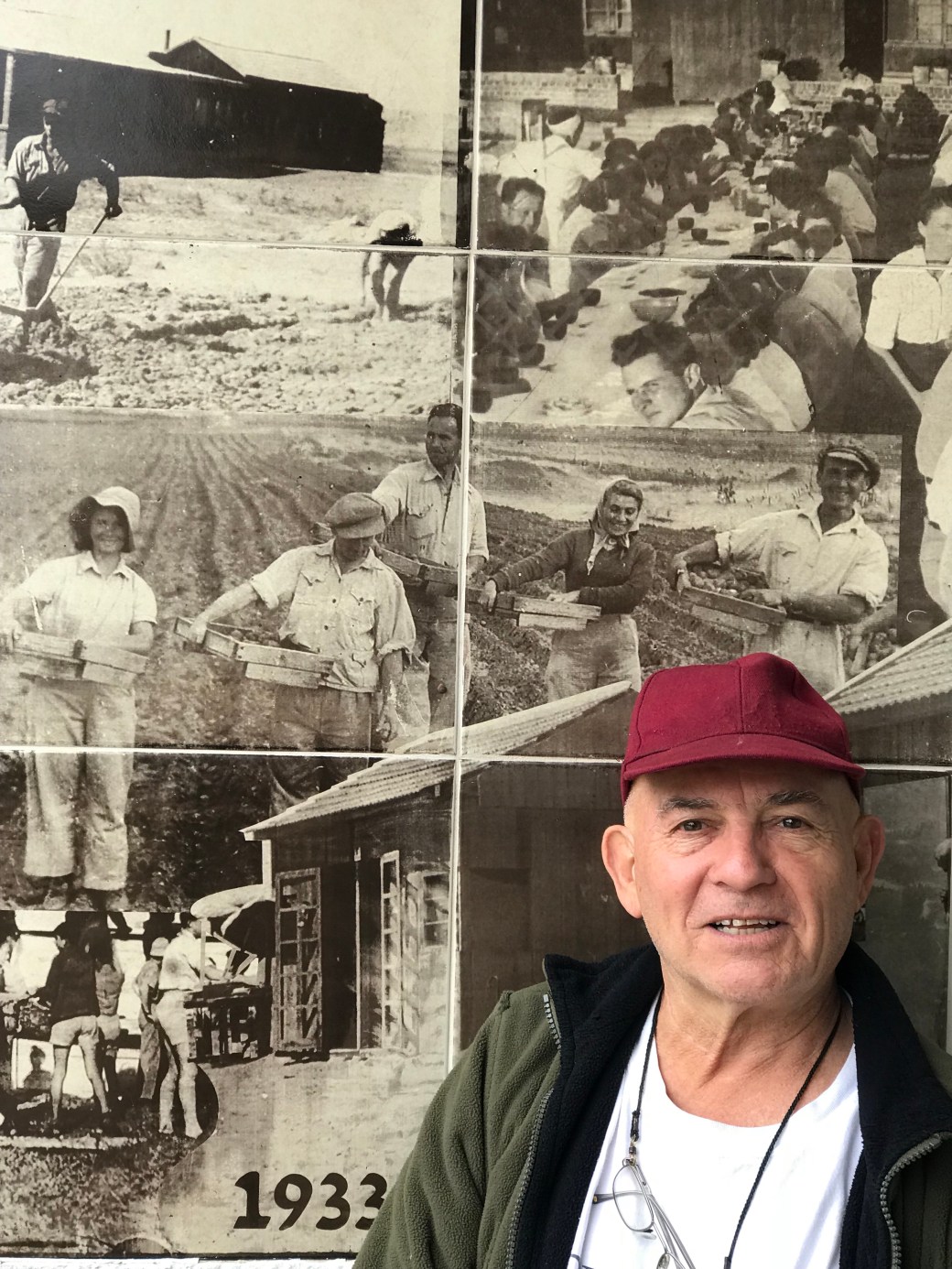 It was uncanny to see our enthusiastic guide in front of the picture of his father (both in hats) in the small museum next to the dining hall, where we ate most of our meals. The resemblance and the smile were a clear connection and it was also clear to us that there was the same knack for hard work, engagement in community and sense of leadership. We felt very lucky not only to be able to stay on a kibutz but to also get an inside view of the traditional life and the modernizing changes that have ensured that kibutzes still exist.
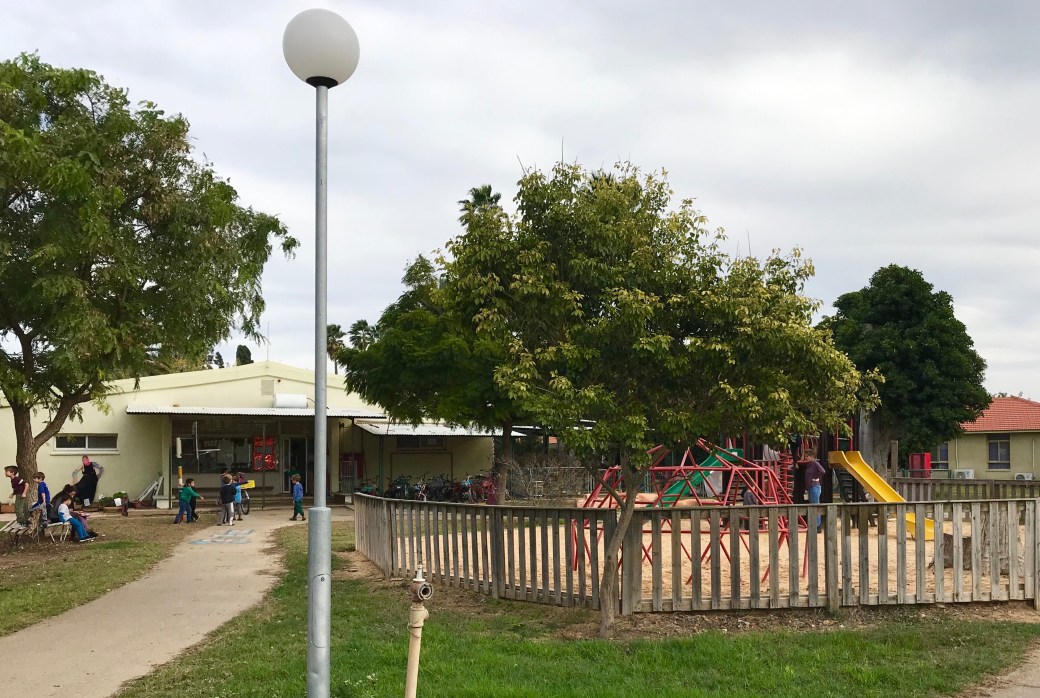 In his time the conditions on the kibutz were so harsh that the only decent place was a Children’s House where there was heating, electricity, water, so all babies and children lived there permanently. Soon after birth the babies were placed into the care of qualified child care workers while their mothers returned to work, mostly on the farms.
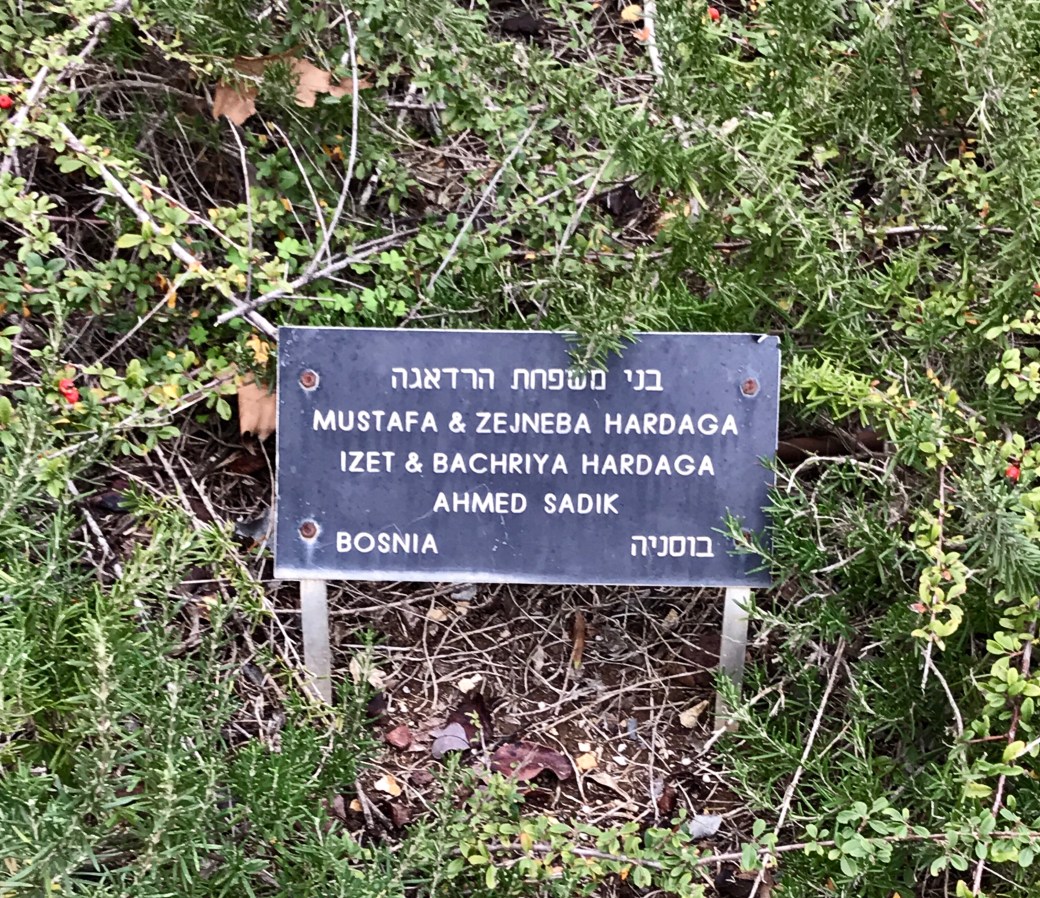
 We felt strongly we had a duty to pay respects to the Holocaust victims at the Yad Vashem, the World Holocaust Remembrance Center. I particularly wanted to visit the
  It is interesting to note that the founder of the very persecuted Baha’i religion found final refuge and resting place in Israel.
  but the buildings are not as spectacular as some of their contemporary structures we have seen around the world, especially their Lotus temple in India.
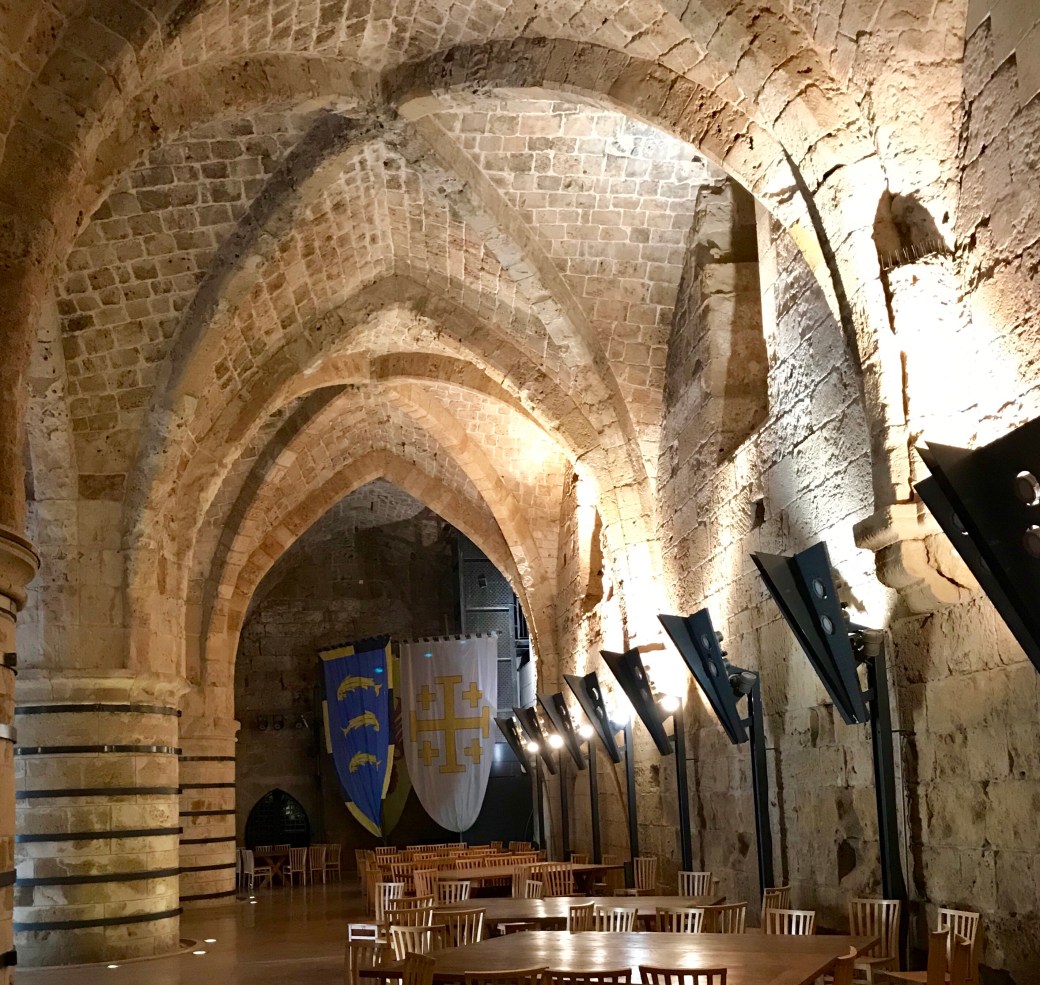 Seeing many of the crusaders’ castles in Lebanon we wanted to see the one that held the longest. The fall of Acre in 1291 to the Mamluks signifies the end of the Kingdom of Jerusalem and the crusades. The siege and the fall is spectacularly portrayed in Knightfall, a historical fiction series, we recommend highly. It was not filmed in Acre but in the Prague film studios and Dubrovnik, Croatia.
 Never missing an opportunity to make a fool of myself…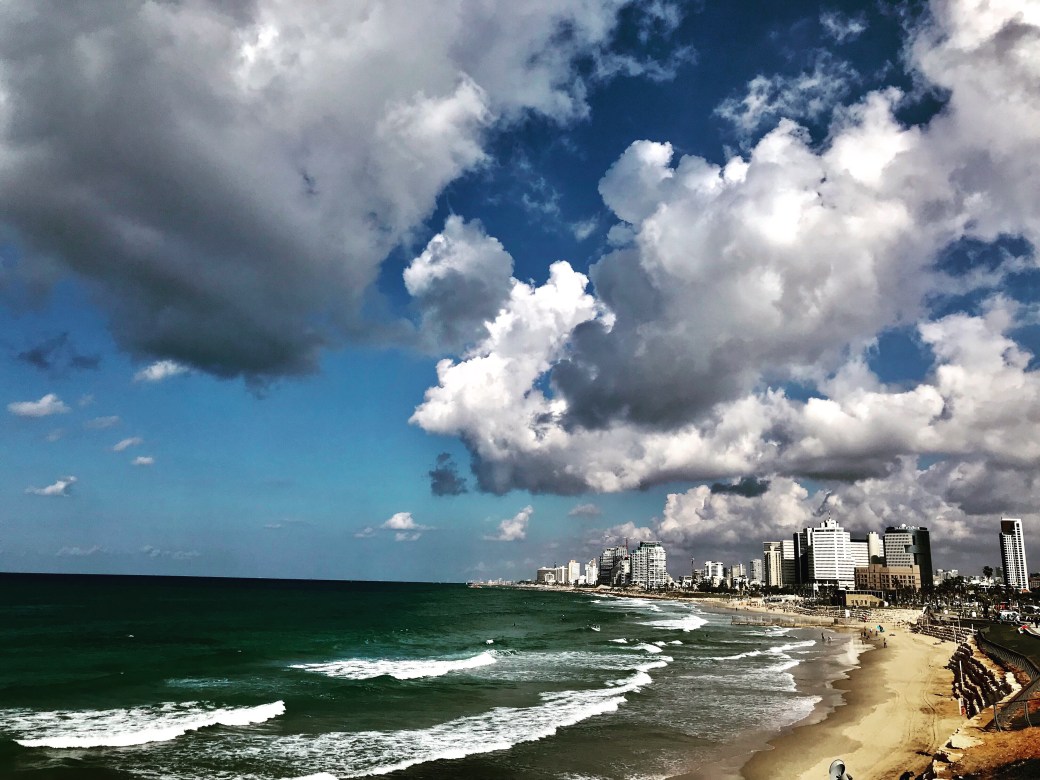
 We could not discover all the treasures, but were excited when we came across a new painting of one of our favorite artists–Gustav Klimt.
  We were a little smarter by allocating more time to the fantastic city of Jerusalem.
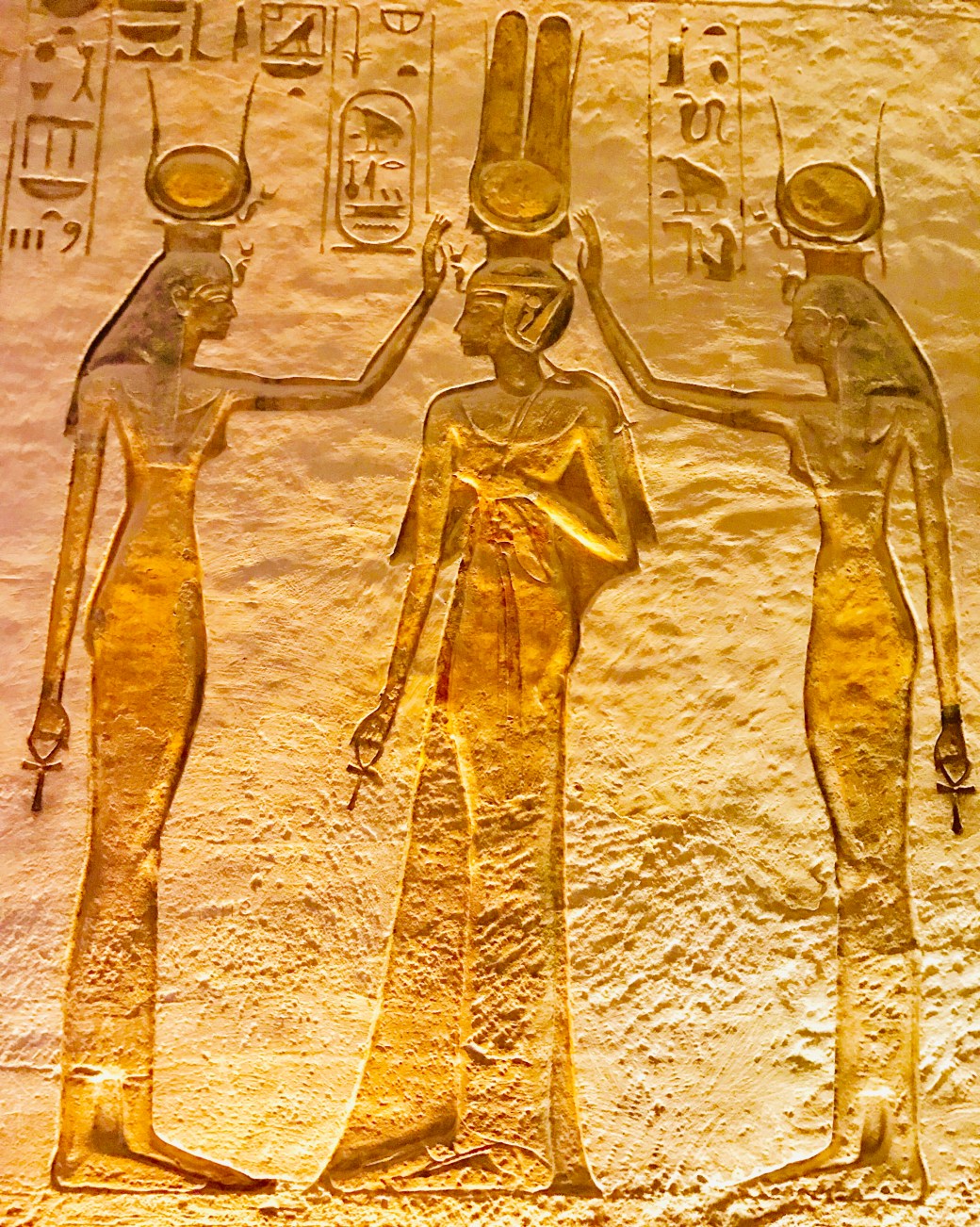 Cleopatra! Did I presume right that you thought of this remarkable woman when you read the title? Except that Cleopatra was really not Egyptian, but actually Greek of the Ptolemaic Dynasty. Nevertheless she was the first in this long line that spoke Egyptian (on top of another eight languages) and was thus accepted, if not straight out loved, by the Egyptian people. Cleopatra was actually the 7th Cleopatra of the dynasty and she was exceedingly smart, capable, ruthless (you had to be to be a queen and a pharaoh), and beguiling (after all she had seduced two of the strongest Roman statesmen– Caesar and Marc Anthony), but she definitely was NOT as beautiful as Elizabeth Taylor in the bellow photo (
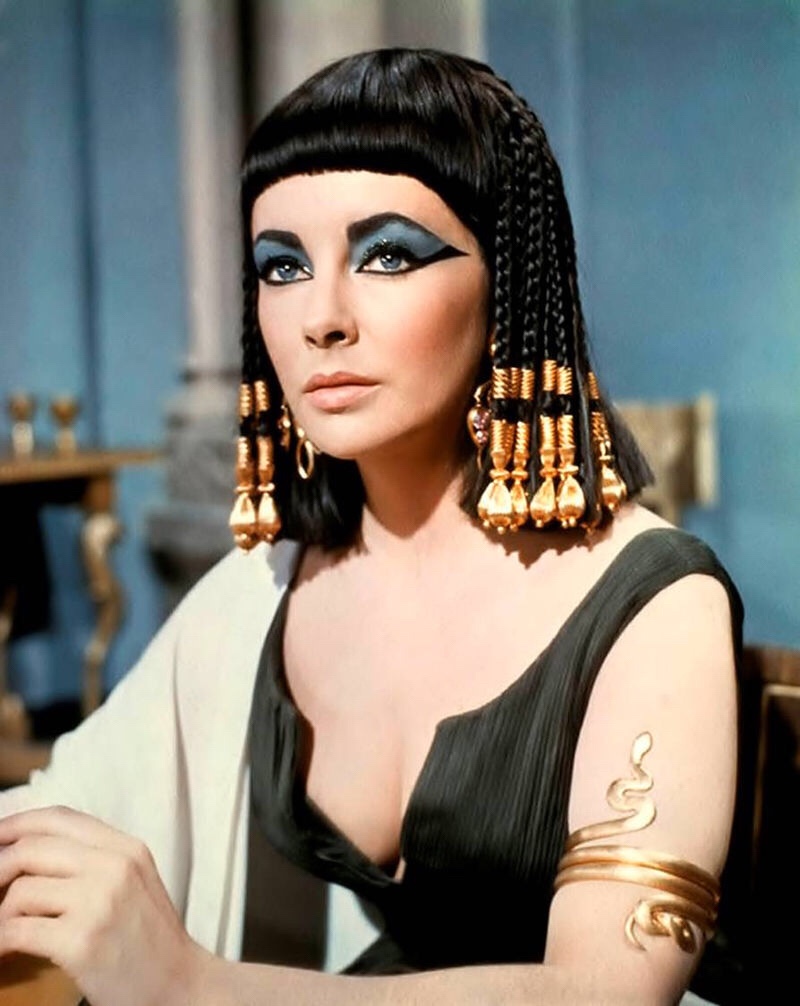 who portrayed her so famously in the Hollywood spectacle of a movie. In fact Plutarch writes that:
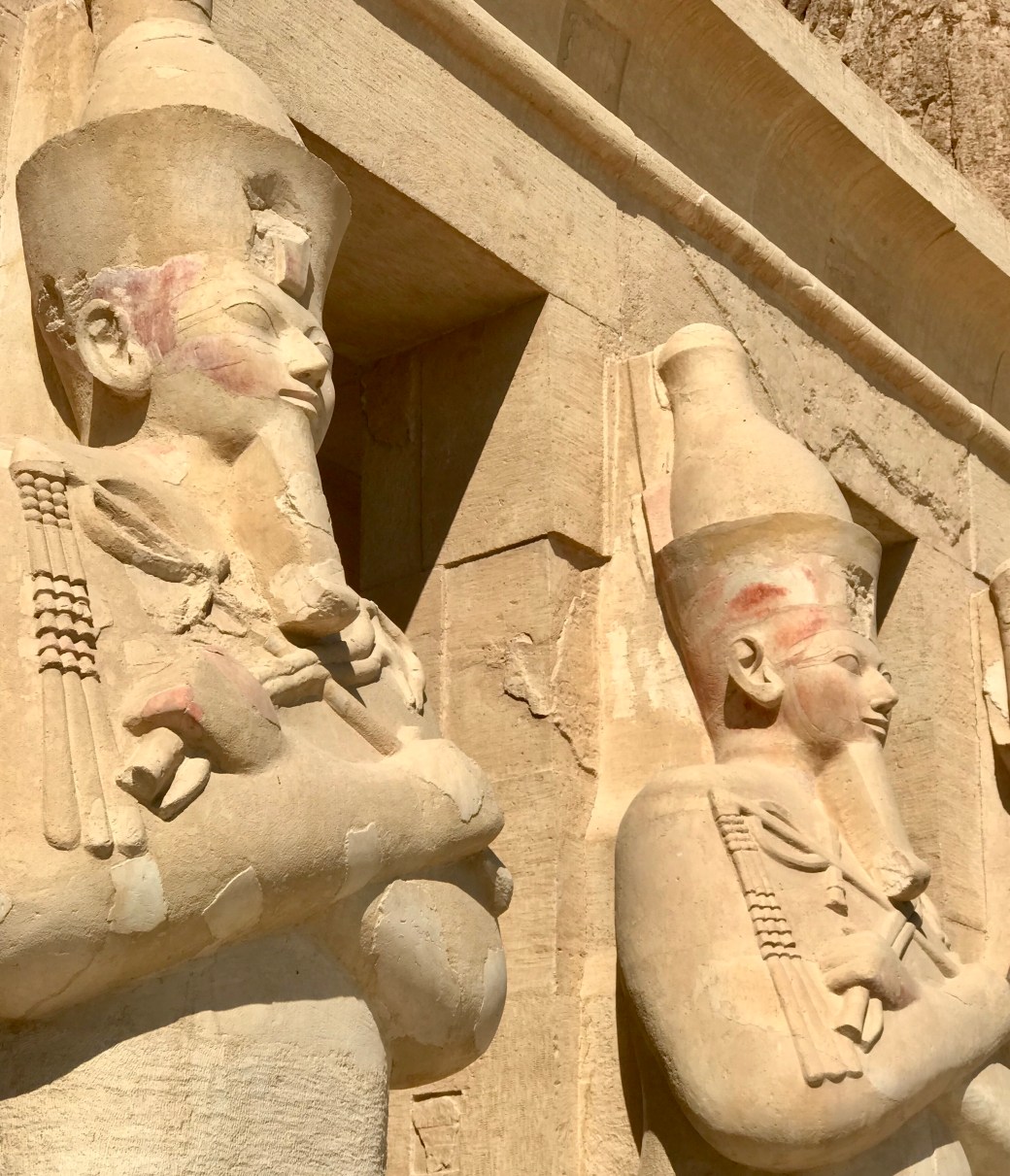 Because the name was so hard to remember we were given a fun mnemonic device to remember: Hat-ship-suit.
 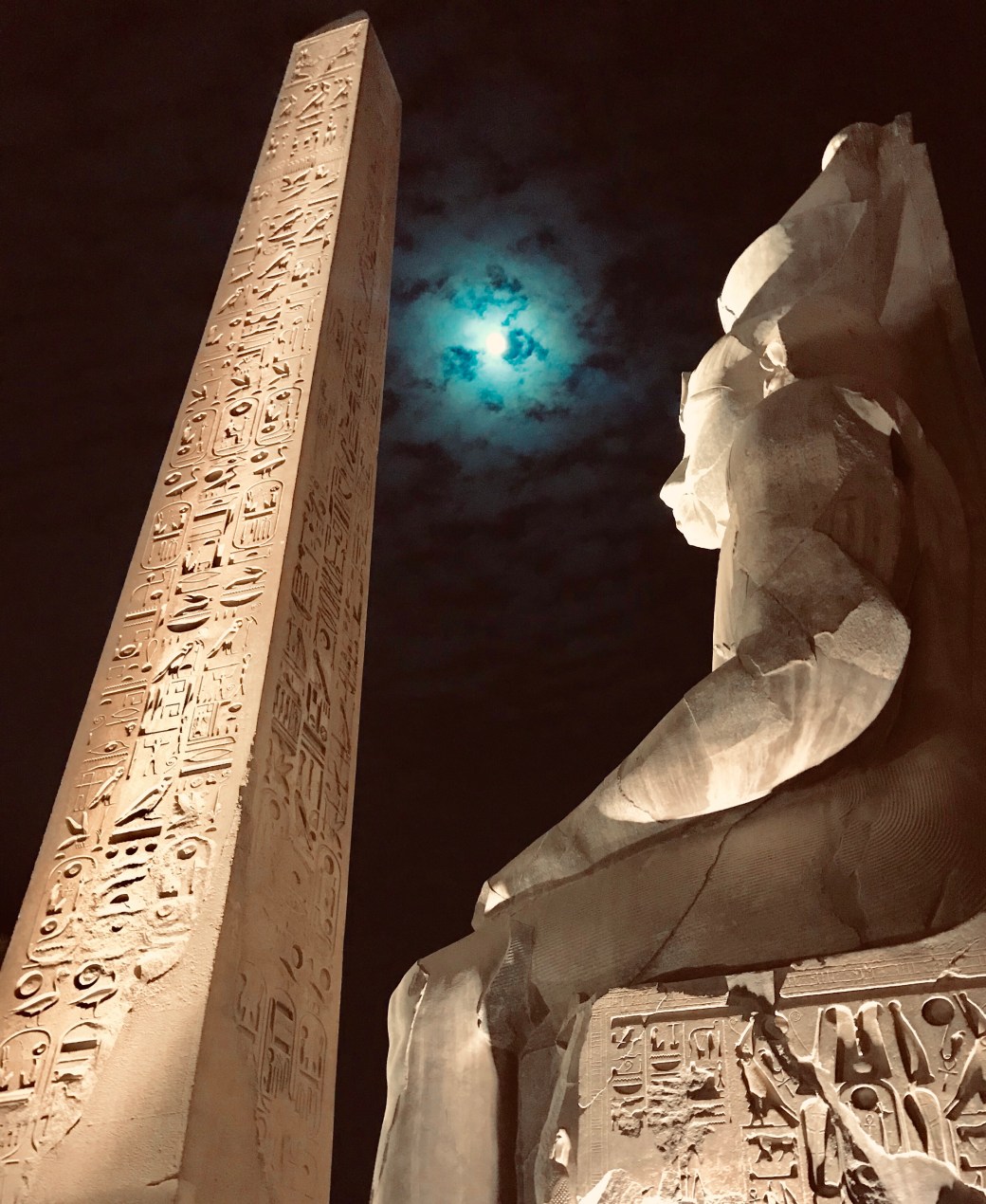 The most impressive is the immense Hatshepsut temple at the entrance to the Valley of the Kings.
 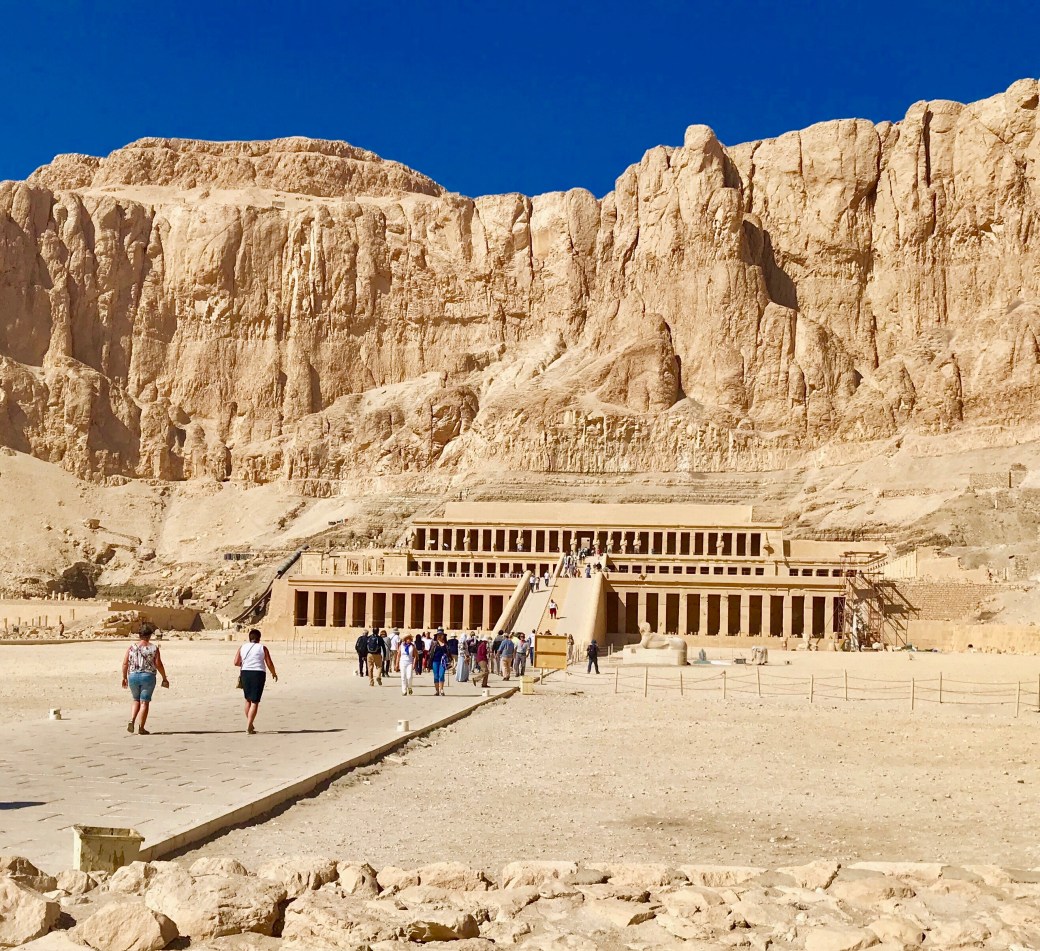 We were fed an exciting story of intrigue about her marrying her daughter to her stepson and then slyly sending them far off to “mature and gain experience”. When her son in law came back, he killed her, sacking the temples and erasing most traces of her, including her name cartouches on the walls.
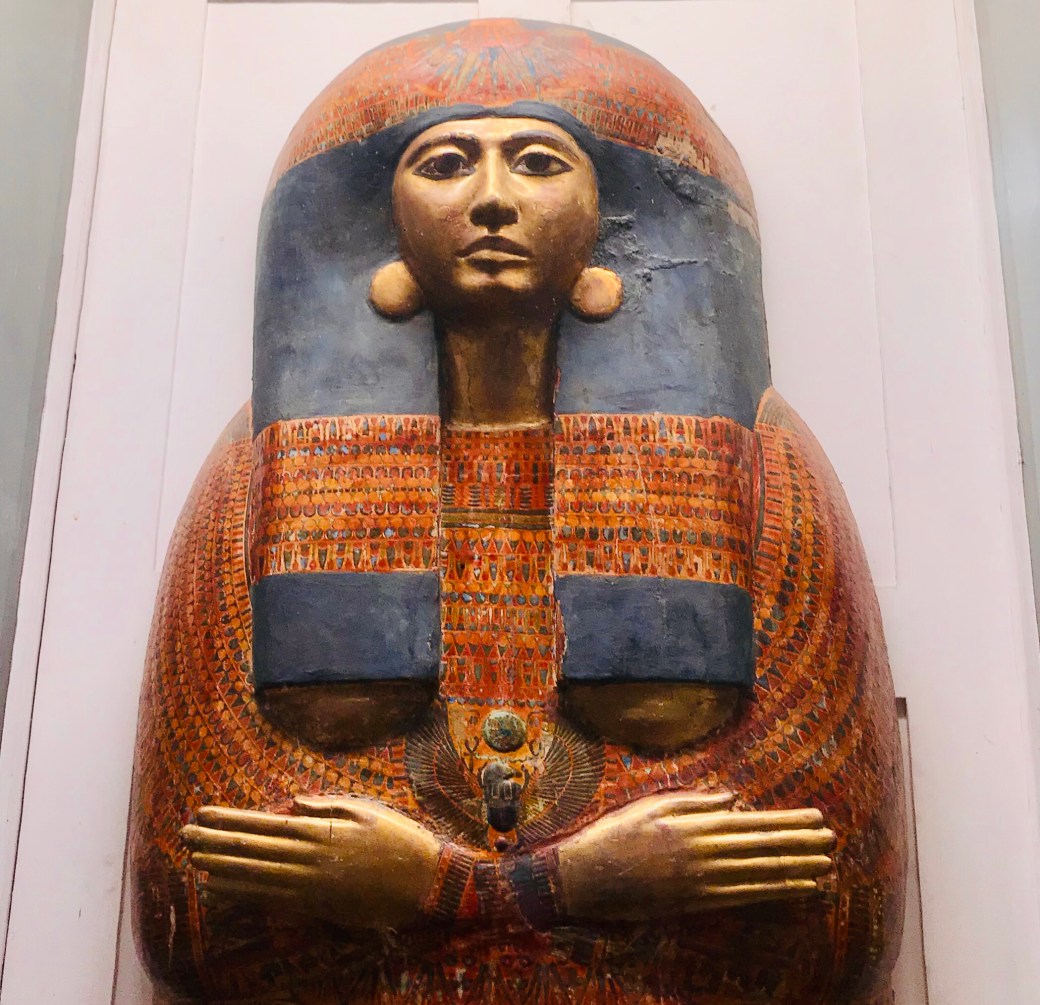 The beauty, of course, is always in the eye of the beholder.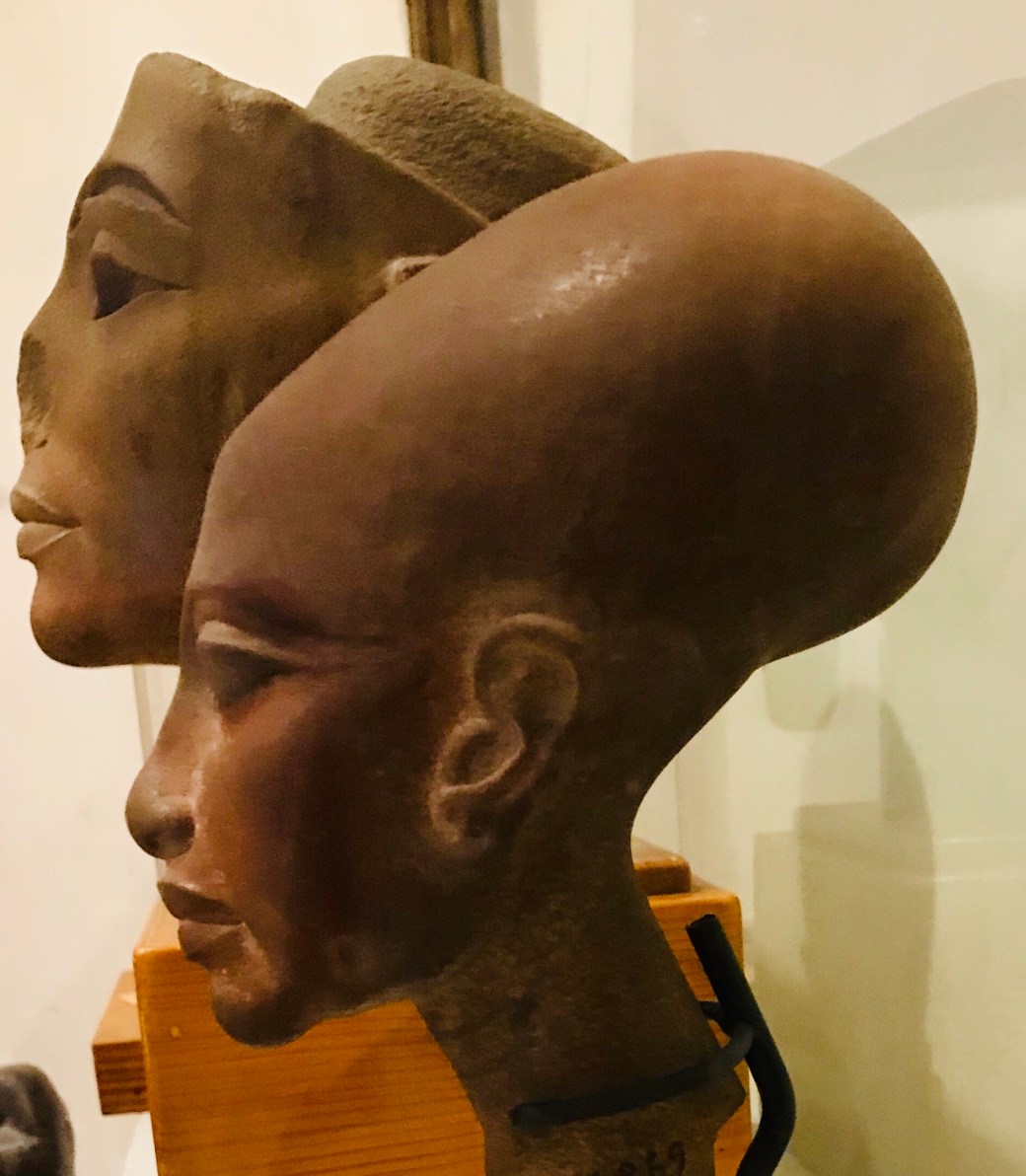

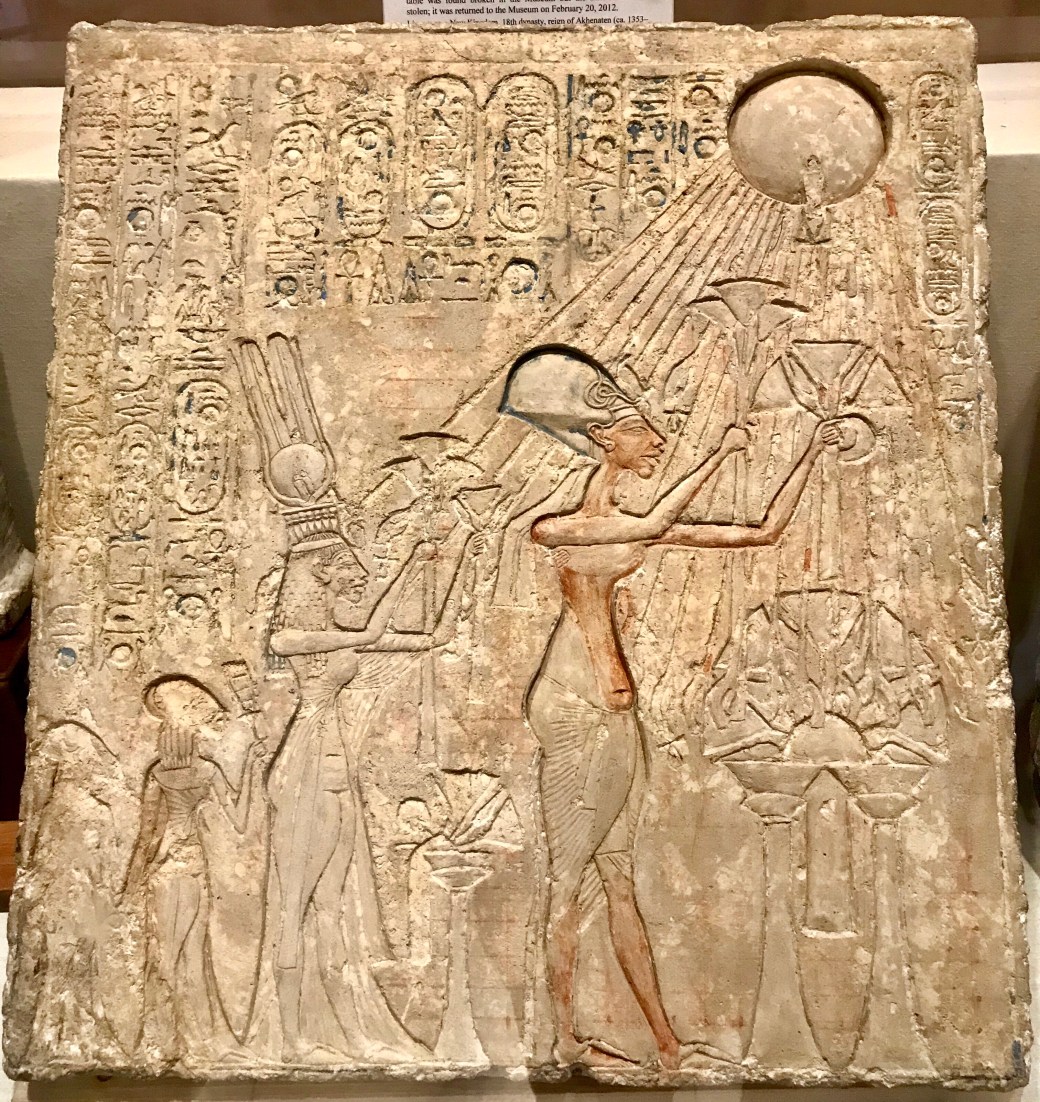 Nefertiti bore no son, but six daughters, one of whom married her half brother Tutankhamon.
 We have been lucky to have met a whole range of women in Egypt that were surprisingly, even shockingly open in conversations about life and position of women in Egypt.
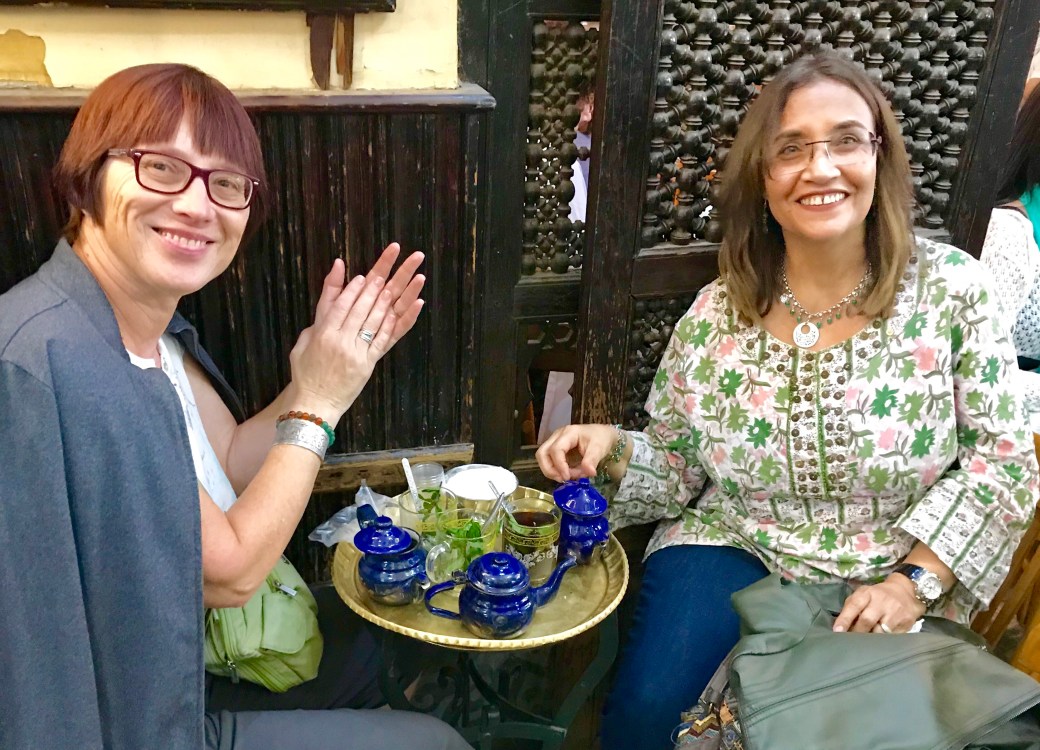 She insisted on NOT covering her hair, refused to wear the hijab or any kind of scarf even when we visited a mosque. Yes, of course she gets a lot of slack for her attitude, but she is very firm in her response that hijab is not a requirement in Koran and that her religion is between her and her god. It was therefore very interesting to come across two young women taking selfies at the mosque. I quickly offered to take their photo together and then of course we had to have one of all of us.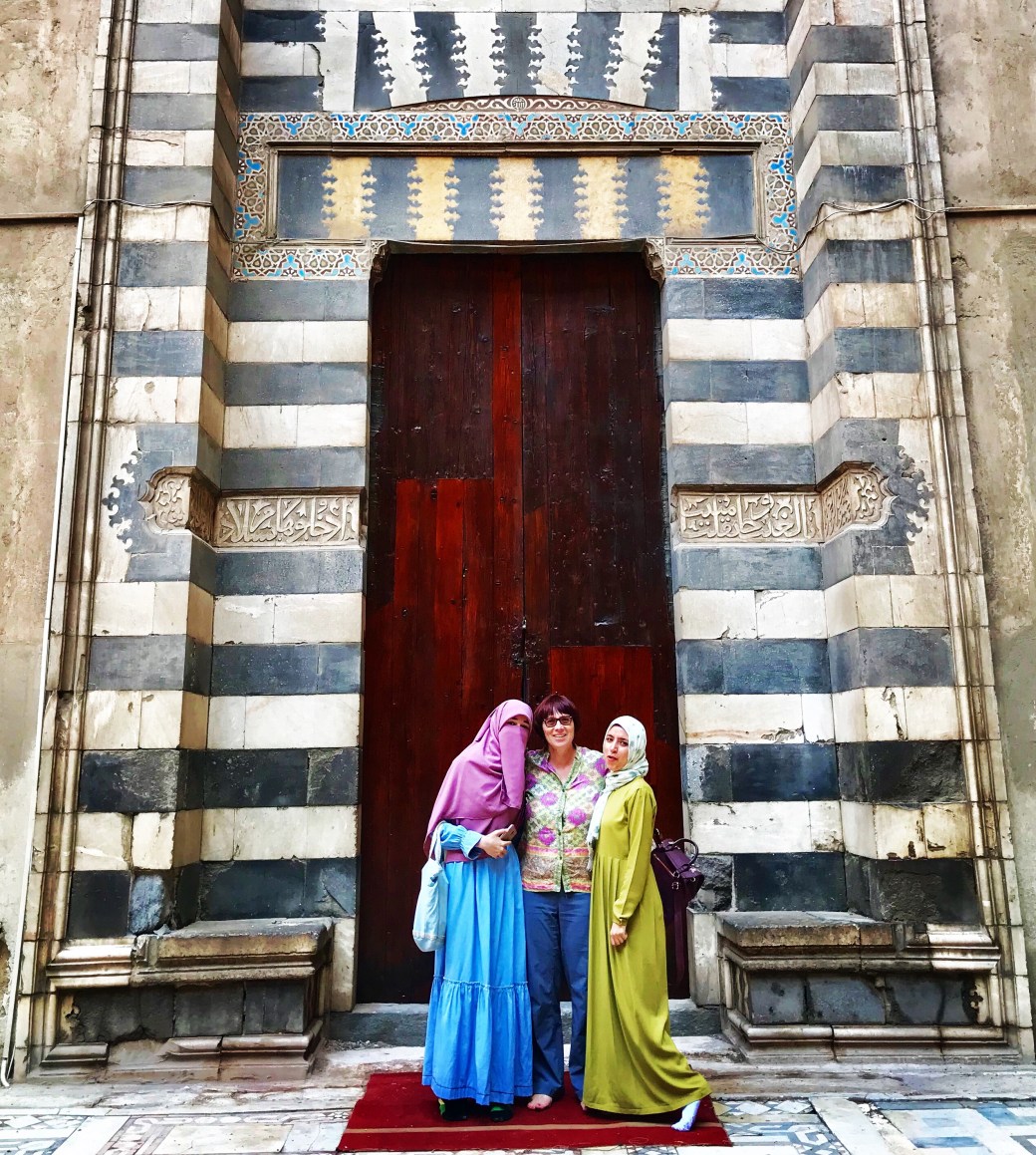
 She was an optimistic young thing, very convinced of her rights as a Muslim woman. “I have a right to education and a right to speak my own mind,” she explained fervently. She was going to be a dentist and she would find a kind, loving husband. She told us that Koran explicitly instructs men to be kind to their wives. Of course, she said, sometimes they are not, she did have a neighbor, whose husband beat her all the time.
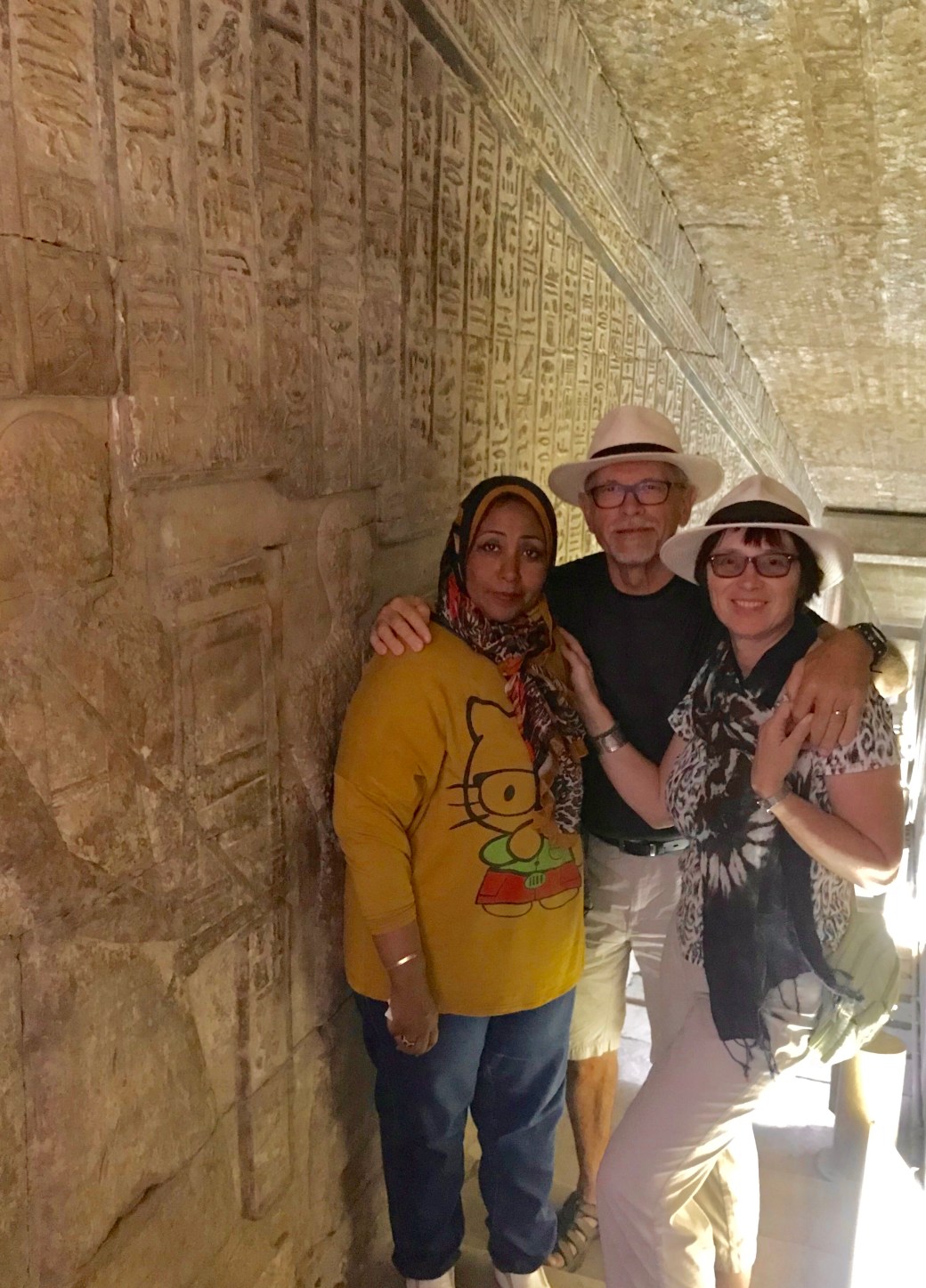 She was a widow with 5 children, whose life turned upside down when her lawyer husband suddenly died. No Egyptian man would want to take on another man’s children and she certainly would not leave her children behind with her parents.
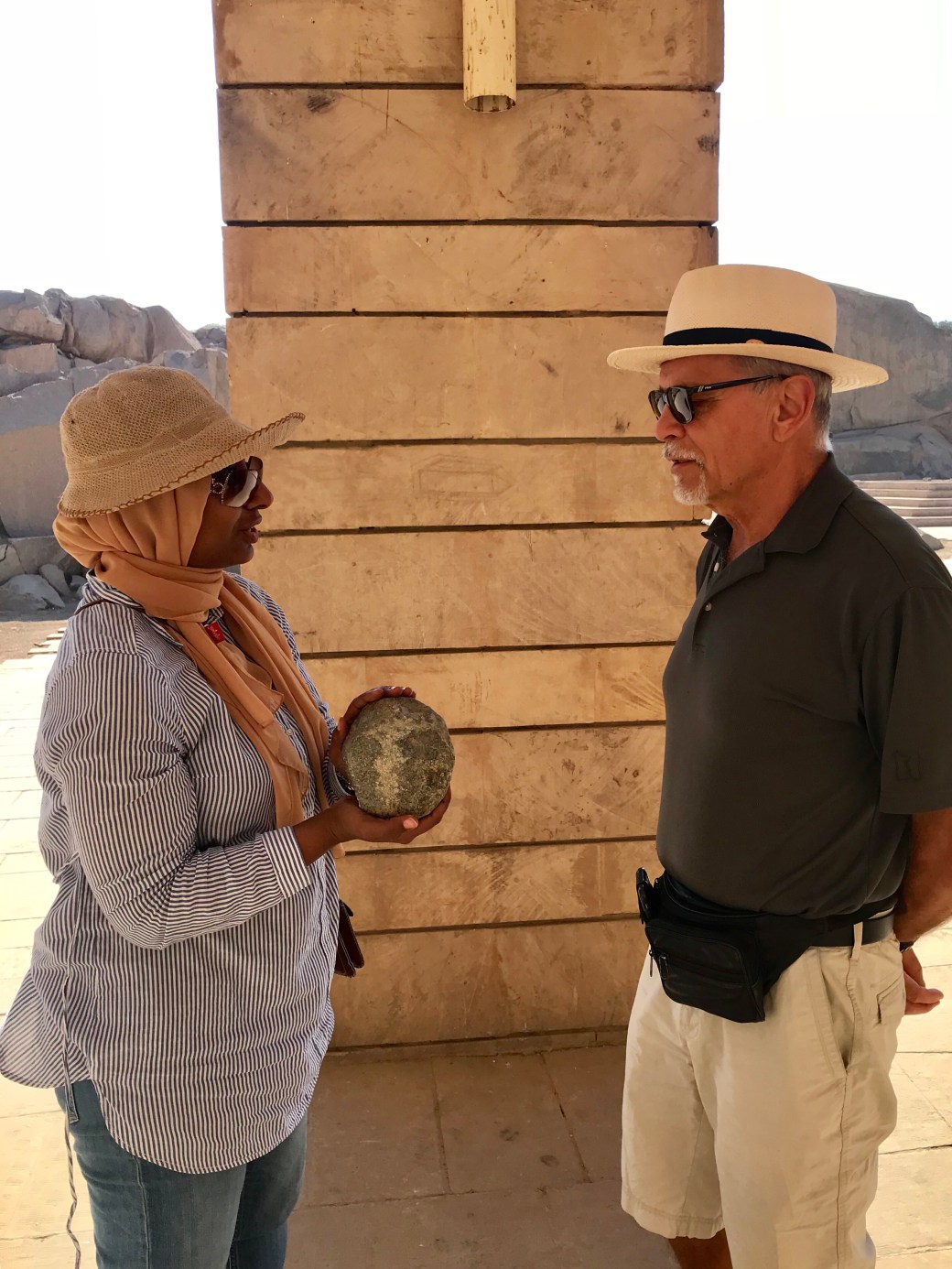 But then at least they were allowed to work. One evening we were invited to our driver Muhammad’s home for tea. He had only recently been married and had a young son of about 18 months. Muhammad could speak only a few words of English but his wife could speak and understand much more. After leafing through all the wedding albums and drinking some strong black tea, his young wife told me that she had really wanted to finish her studies at the university and then work. Her mother was very willing to take care of the baby, but our dear Mohammad would not allow her to study or go to work.
 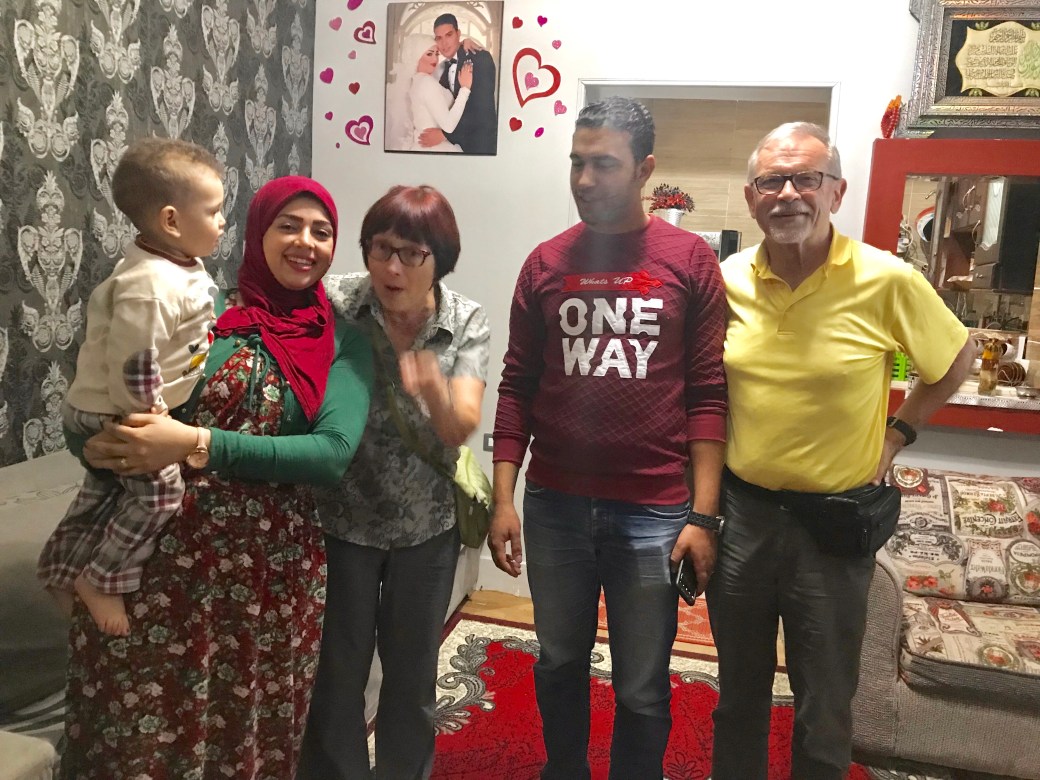 We tried to persuade her husband through his wife’s translations that a Happy Wife meant a Happy Life for him. We told him she will be a better, more educated mother to his son. He laughed and his wife sighed, “He is an Egyptian man, his mind is closed!”
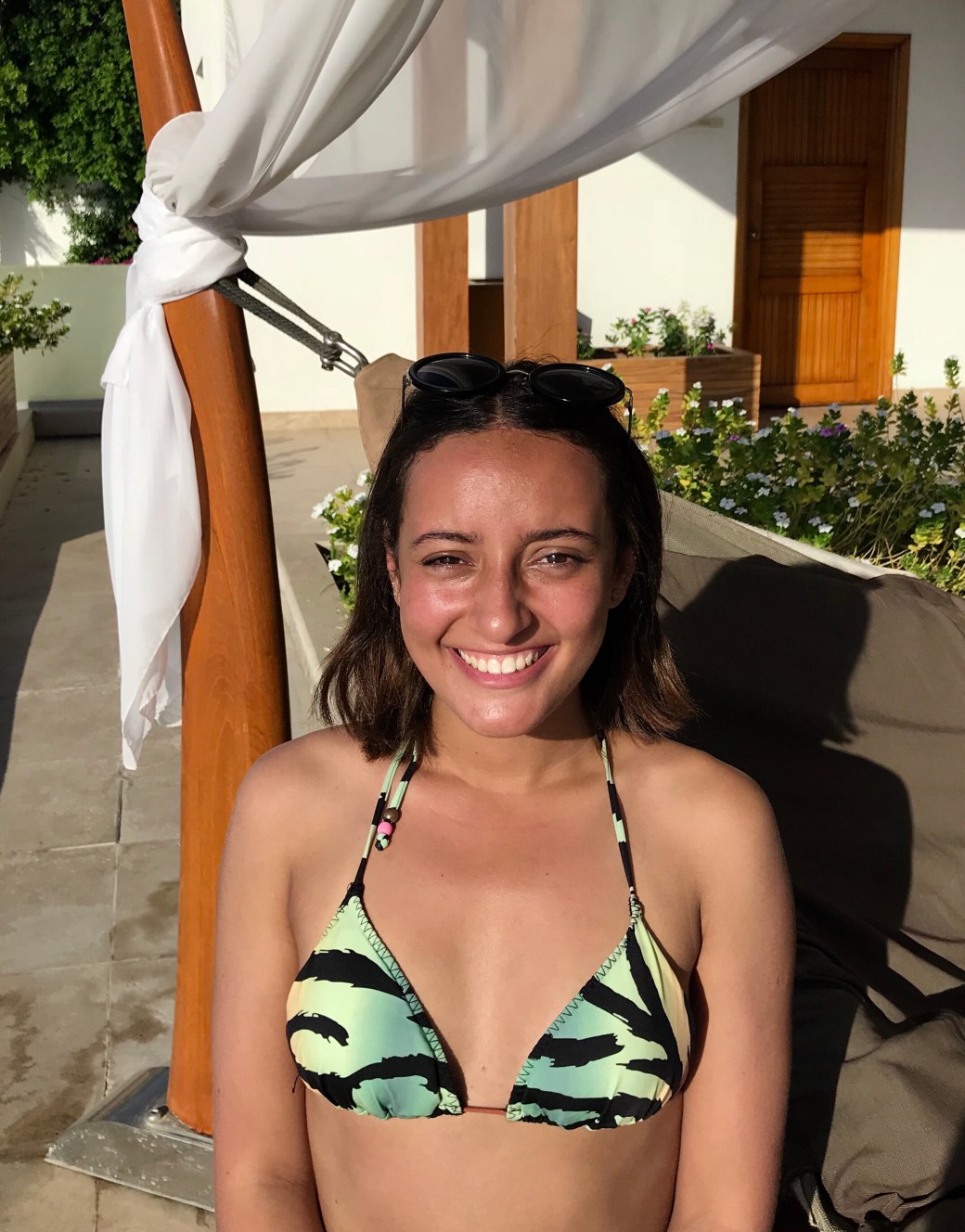 I had to swim over and ask some probing questions. They cheerfully indulged me. Noor’s English was fabulous so we could really delve into many subjects. One of them was a question of dress. I told them about my encounter with the girl covering her face. Noor’s mother said this never used to be the case, but there was radicalization coming from the Gulf states to Egypt. Many young women were now dressed all in black
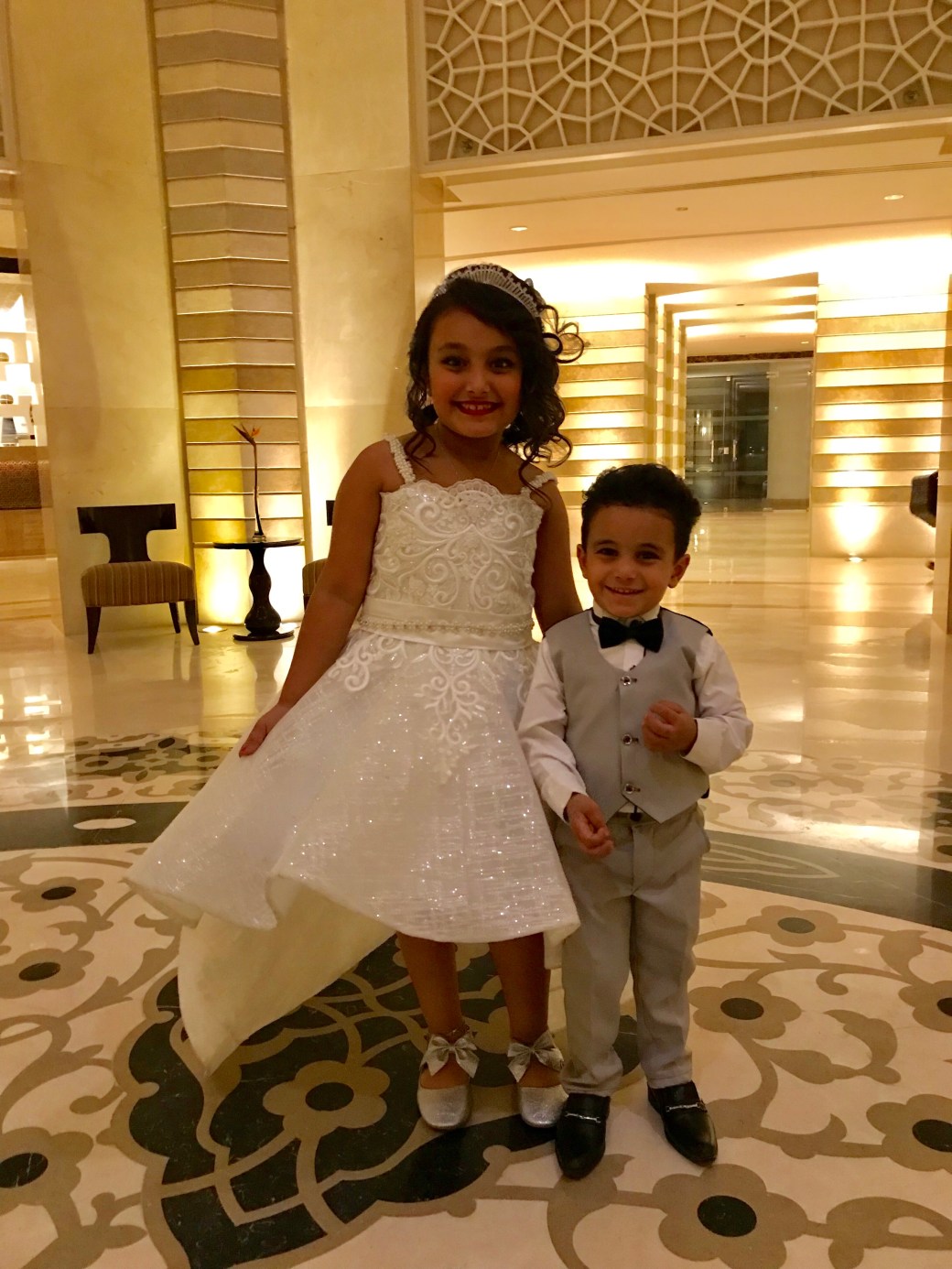
 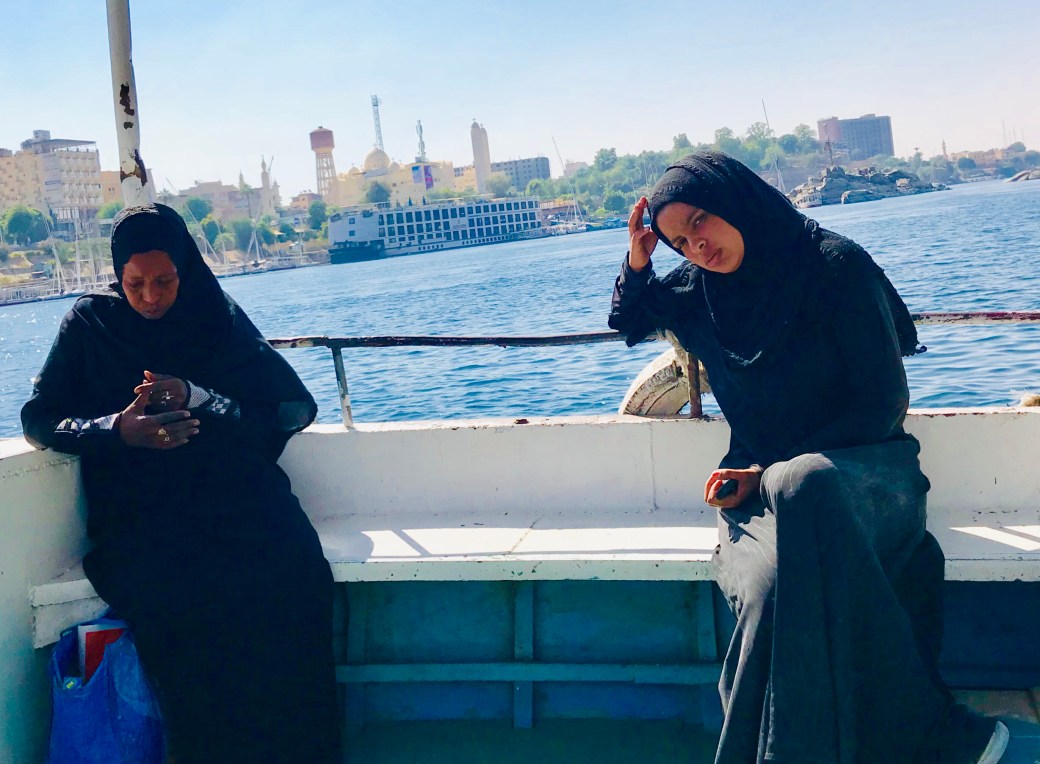 and many little girls wore head scarves, especially to school. It was a refreshing exception to see a little girl with her hair free.
 Noor’s parents were divorced and she had travelled with her father and his new family. While they were living in Morroco, she studied design. Now she was back with her mom, and both were working at the Hurgada Hilton. They got a free vacation and they enjoyed their time together. Noor told me the story of her classmate in Morroco that never finished her courses after she got married. Her husband promised she could, but then he became more and more possessive, waiting for her after class, calling to check where she was. One day she just stopped coming to class. Noor had seen her mother go through divorce. She has learned her lessons carefully. No silly dreams of princes on white horses for her. If she ever got married she will weigh her options carefully. She will look at it as an economic transaction. It worked well for her grandparents. It was an arranged marriage and it worked well for all their lives.
 Years later I went on to study art history and history in college.
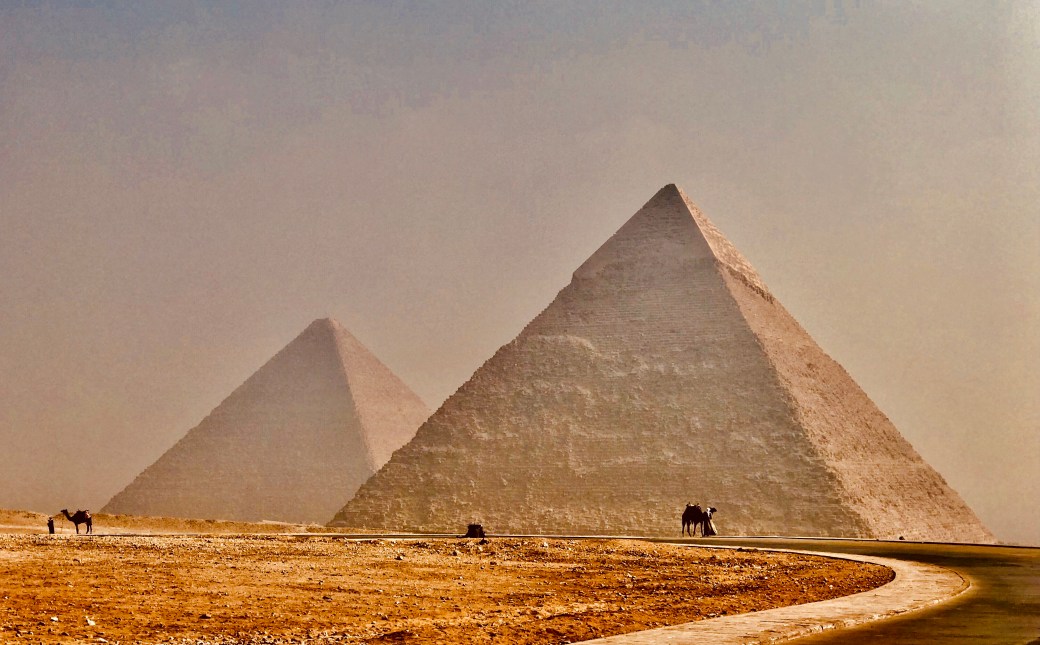 At the time I remember thinking they were rather plain looking and not that impressive, but now that we are spending two weeks in the country I find that day by day I am more impressed by the technical and artistic skills of Ancient Egypt and my Egyptian fascination continues to grow.
 I made a special request that whenever possible we get a woman guide. Even Mirek admitted it was strike of genius and the three women guides each gave us their life story and a unique insight into the position of women in modern Egypt. (Those revelations in the next blog-stay tuned).
 Every morning and evening we had our fill of all three Pyramids and the sphinx from the rooftop terrace, including a free Sound and Light show while sipping a beer before bed.
  This vantage point also gave us a closer look into the other side of tourism. Early morning and late at night we could see the gathering of camels and horses catering to tourists led by their owners and handlers. In the alley next to our little hotel a boy of no more than 9 was shoveling camel dung instead of going to school.
  In the corner just opposite a big heap of garbage was regularly picked through by different people. One morning a fight broke out when a man with a horse cart tried to take out some recyclables. Another man in a traditional white galabiya came at him with a thick stick. Quickly the local police appeared and shoved off the cursing man with the horse cart. Not a pretty sight, and one that tourists would prefer to miss. But as always we try to take the bad with the good and want to understand what real life is about. We ask probing questions and accept invitations from drivers and guides to have tea in their modest homes with their
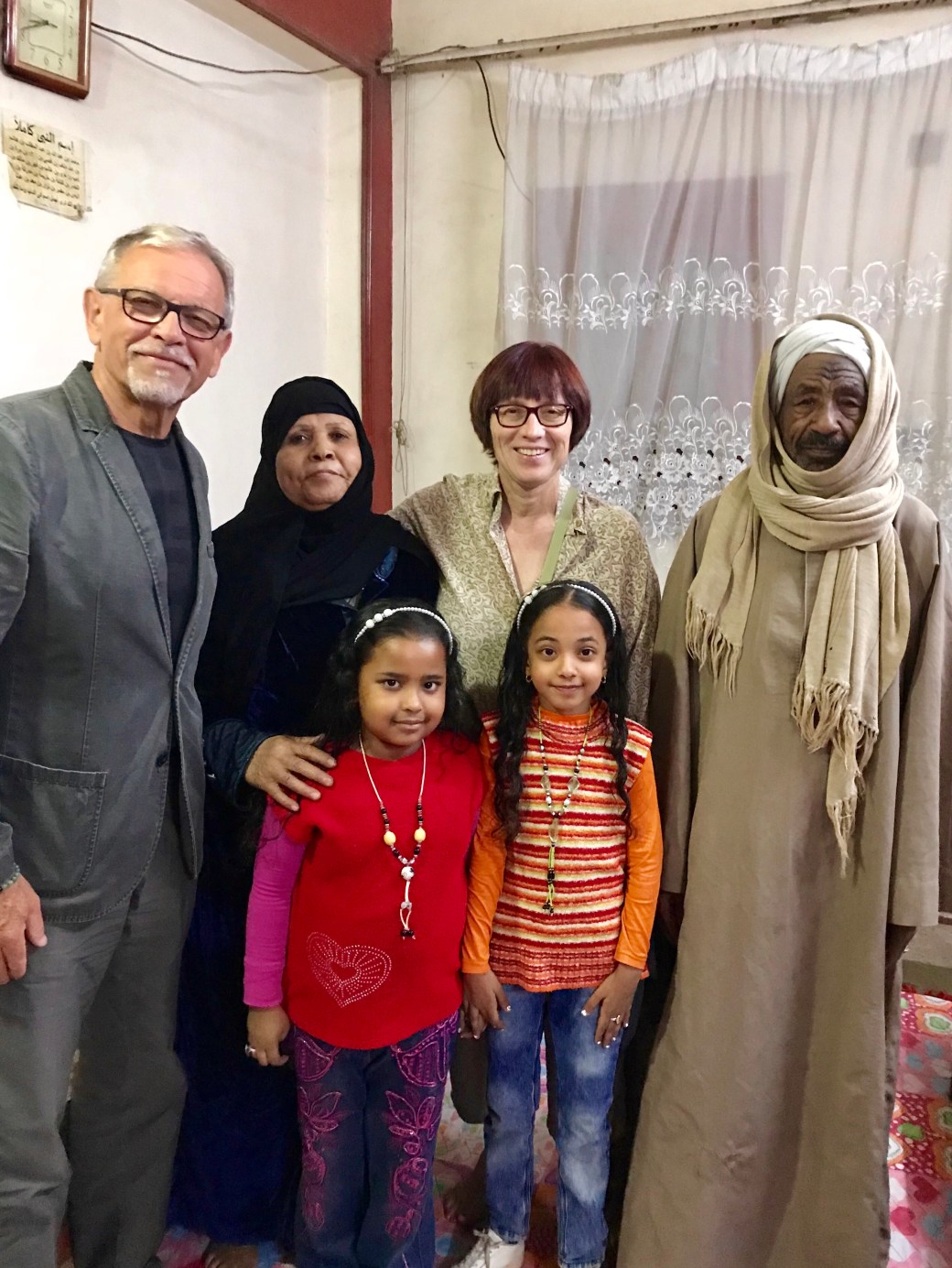 families. Life is far from easy after the Arab spring revolution, prices have gone very much up and tourism very much down. But there is a glimmer of hope this year with more tourists returning. While we still enjoyed some sites in perfect solitude, some were already quite inundated with large tour group buses.
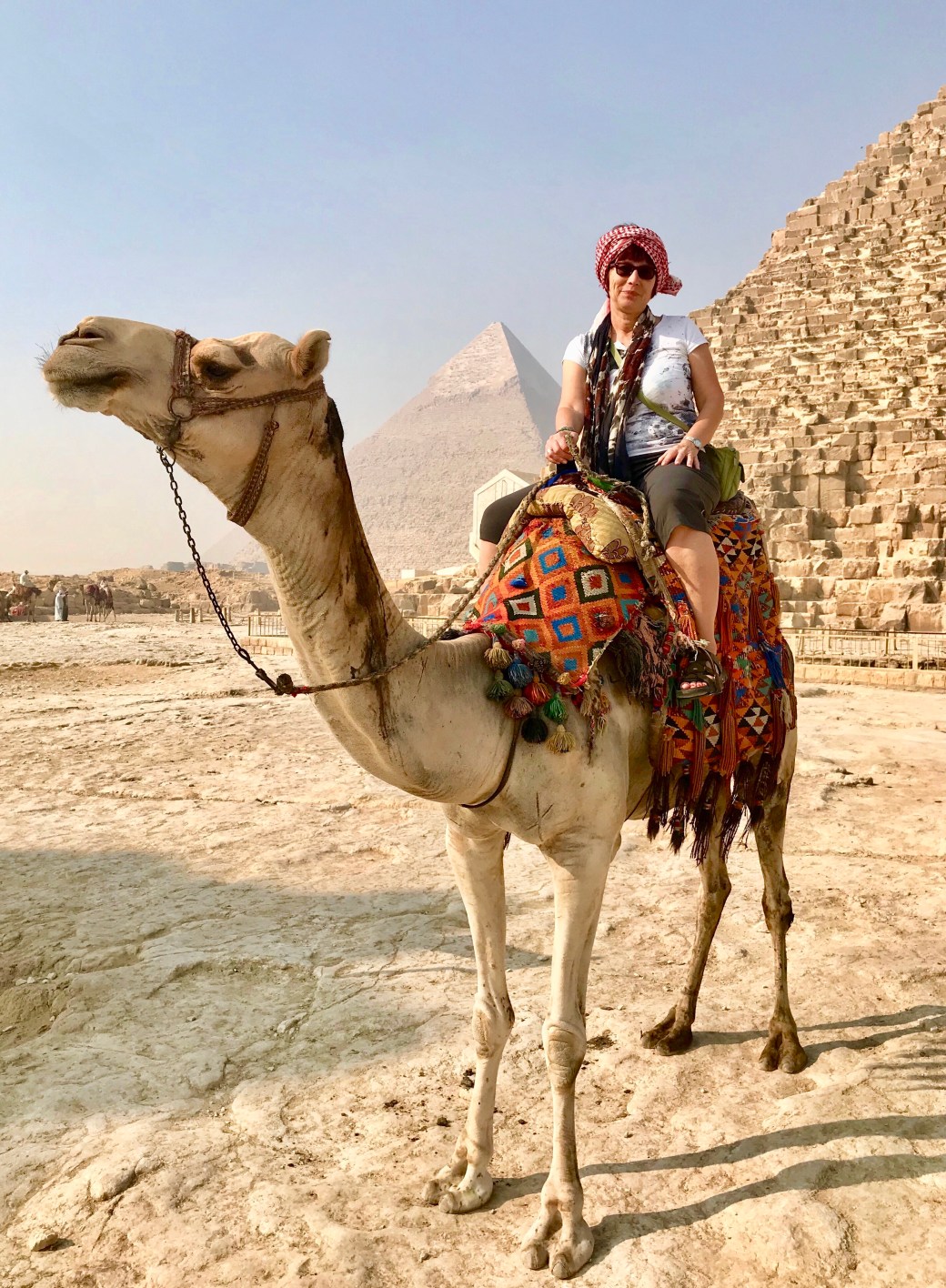 are overpowered by the salesmanship of the camel handler.
 Years back I tried to see Tut’s funeral mask
 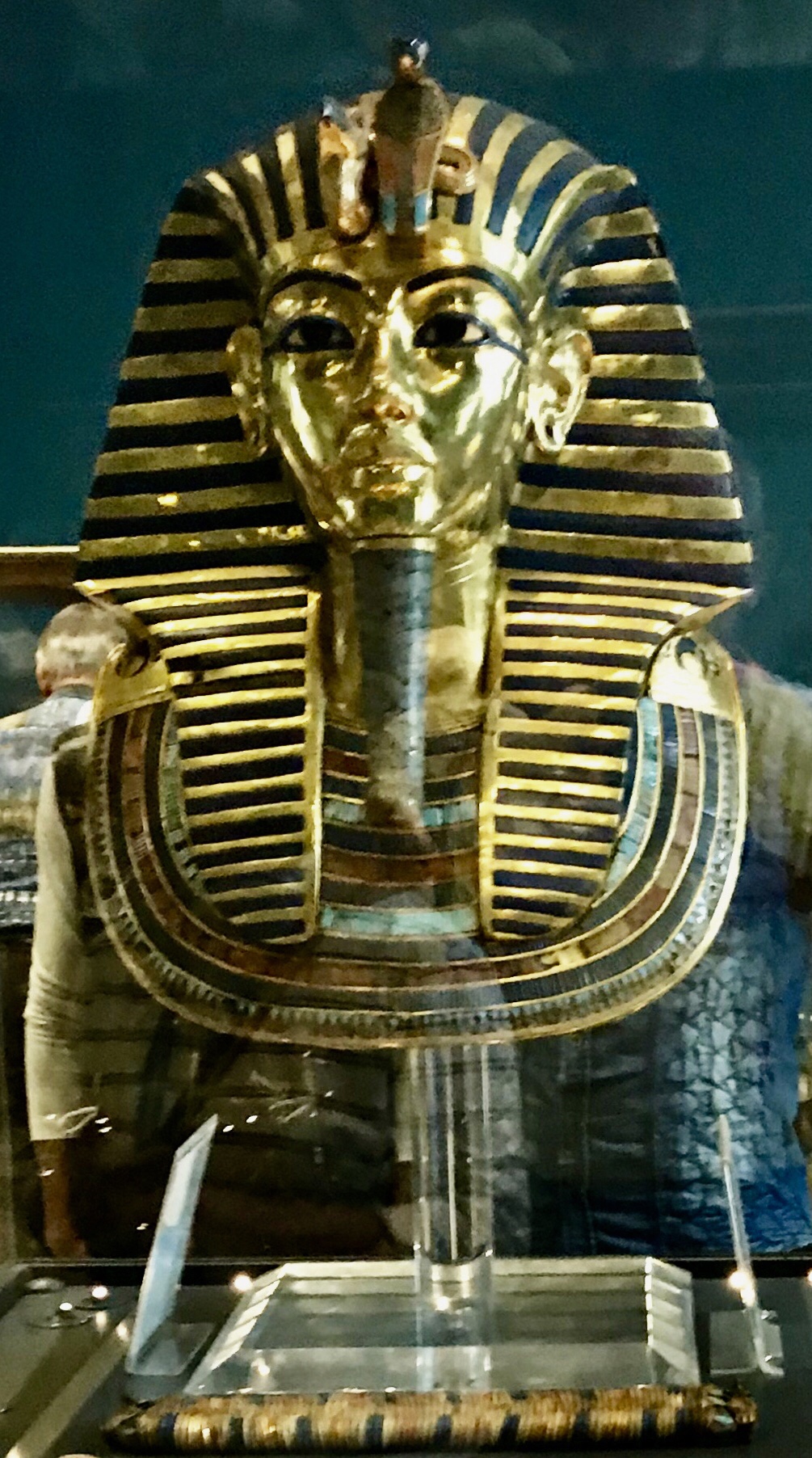 It is
It is  Abu Simbel Temple is barely 50 miles from Egyptian border with Sudan. After a few thousand years left in peace, Ramses II and his lovely wife Nefertari watching over the River Nile cataracts UNESCO lifted both temples from the location being flooded by rising water of new Lake Nasser in the mid 1960’s when the huge Aswan dam was built.
 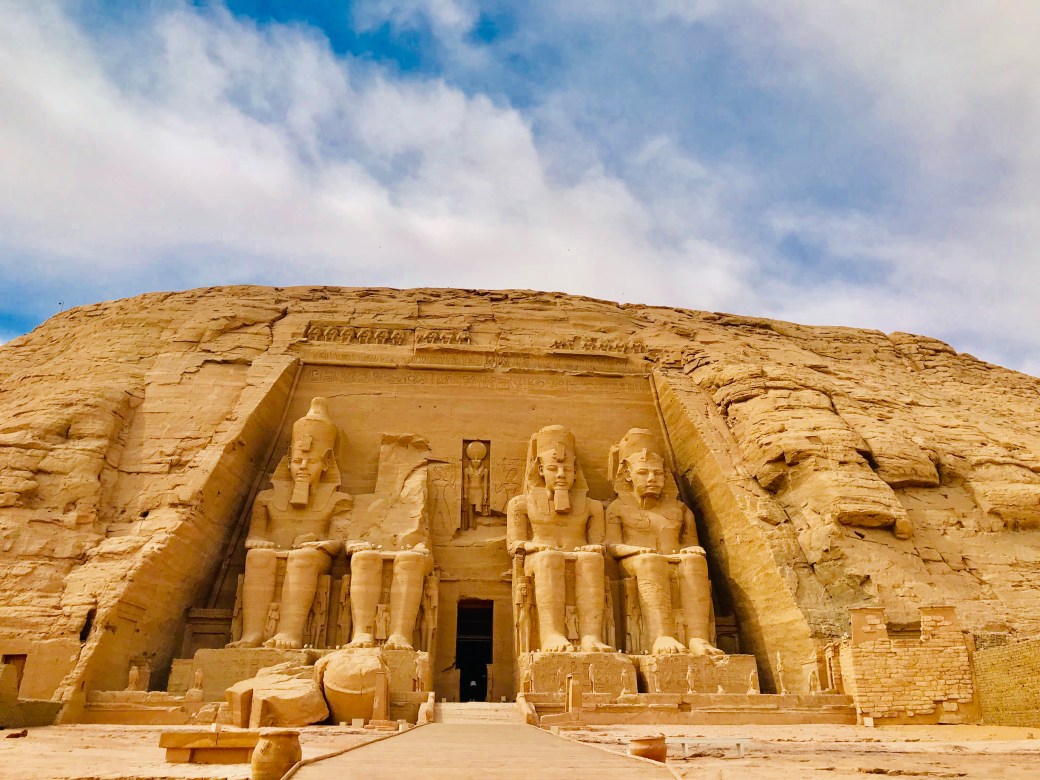 Finding out that police convoys at 4 am were not obligatory any more, we hired a driver and guide and started of after breakfast. Thus we arrived after the few early bird visitors turned back home and had, like in Lebanese Baalbek, this stunning top notch historical place all for ourselves!
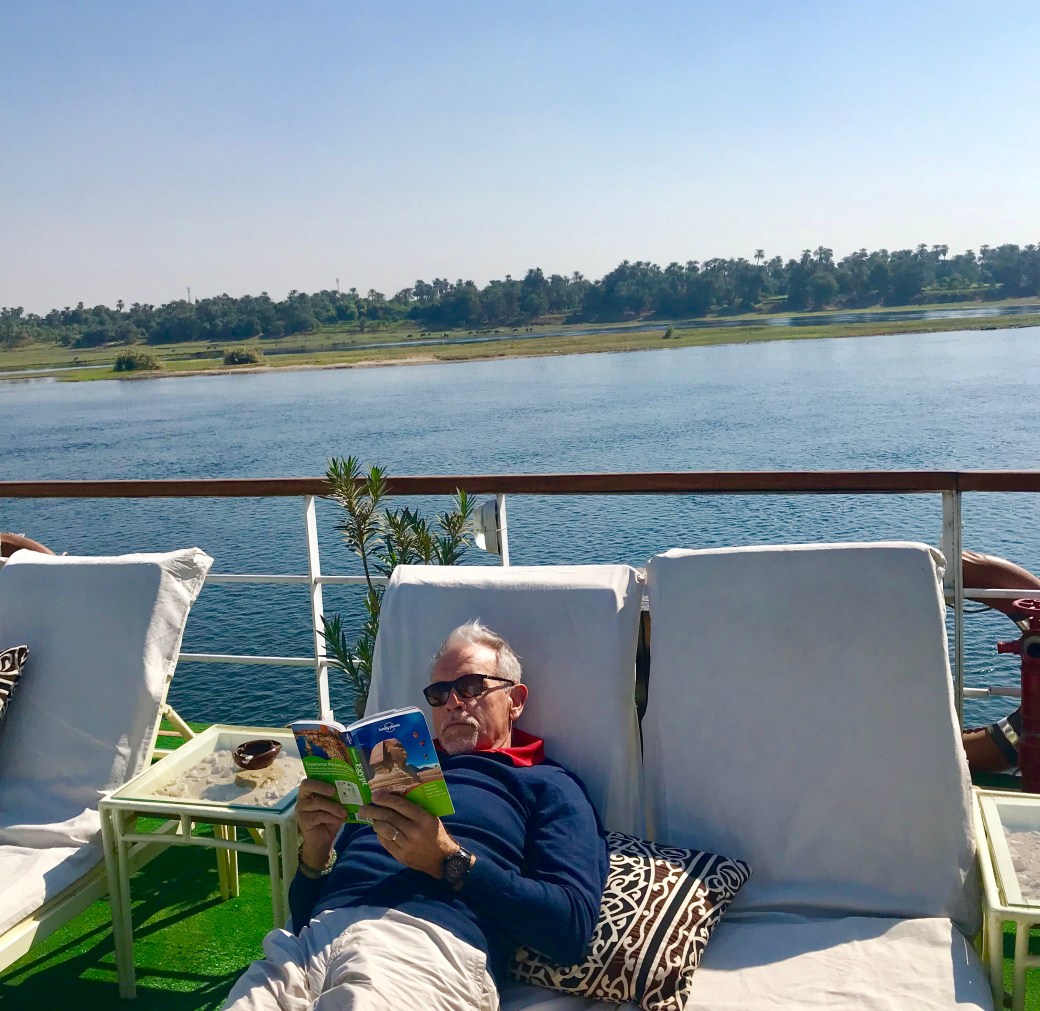 at our age is not a bad thing and it is indeed an easy way to travel with stops on the way to see more beautiful temples.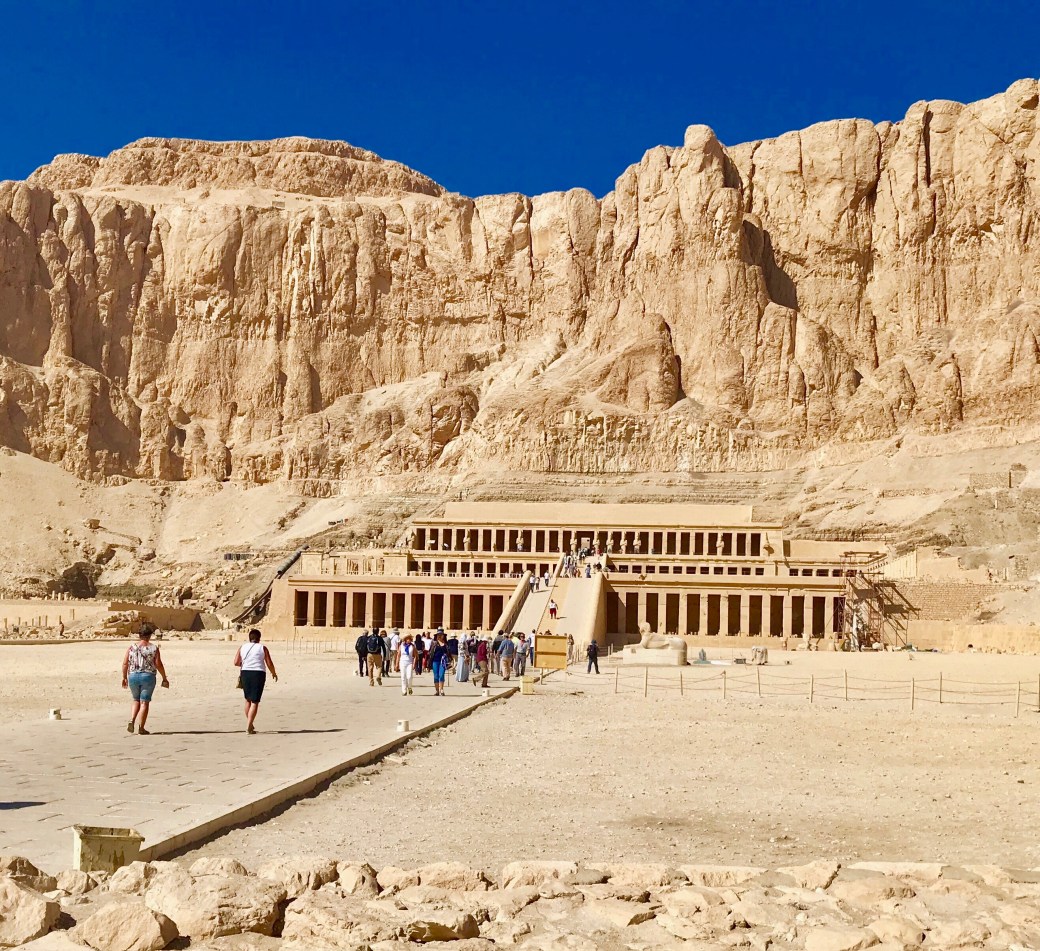
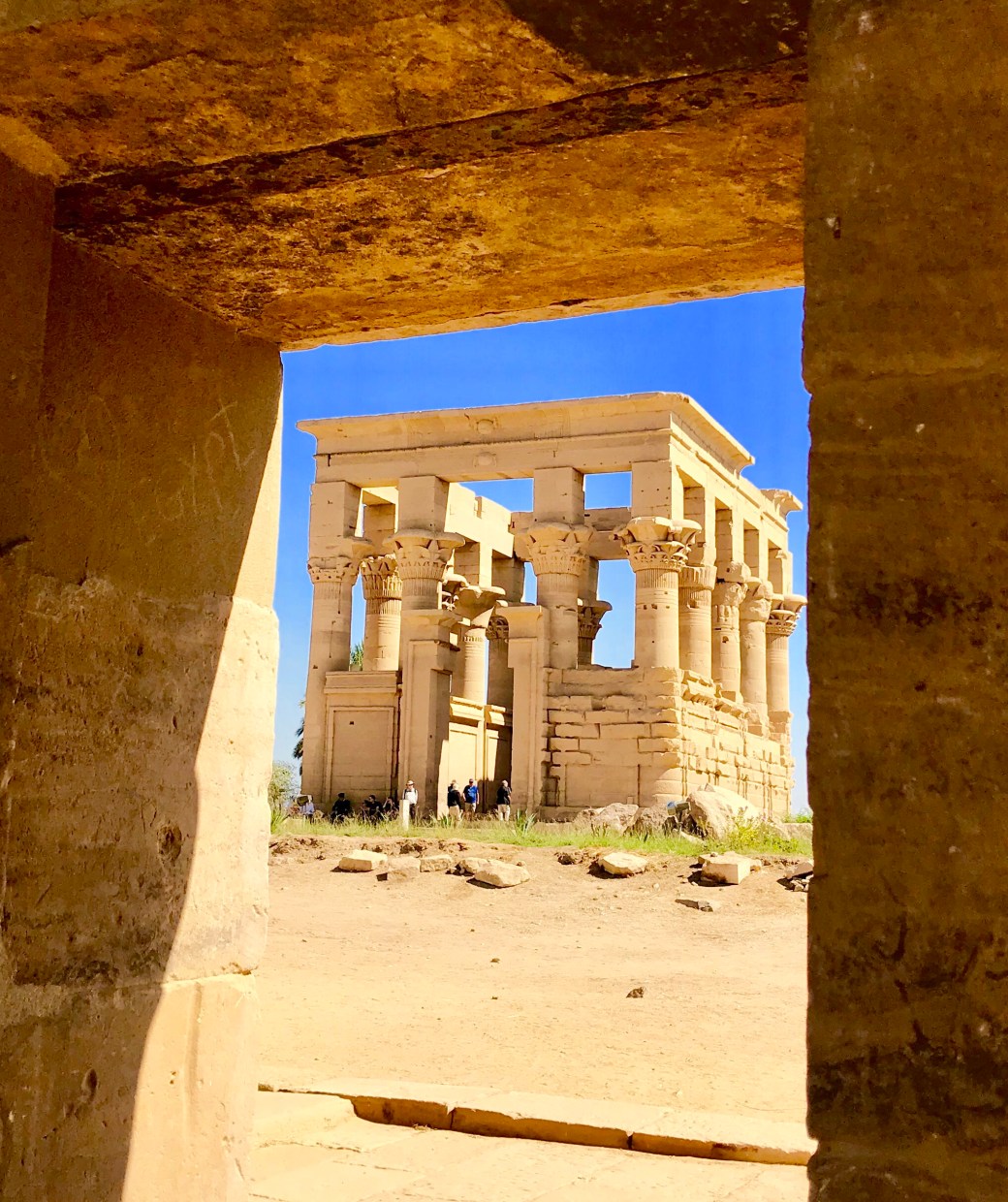 But
But  It
It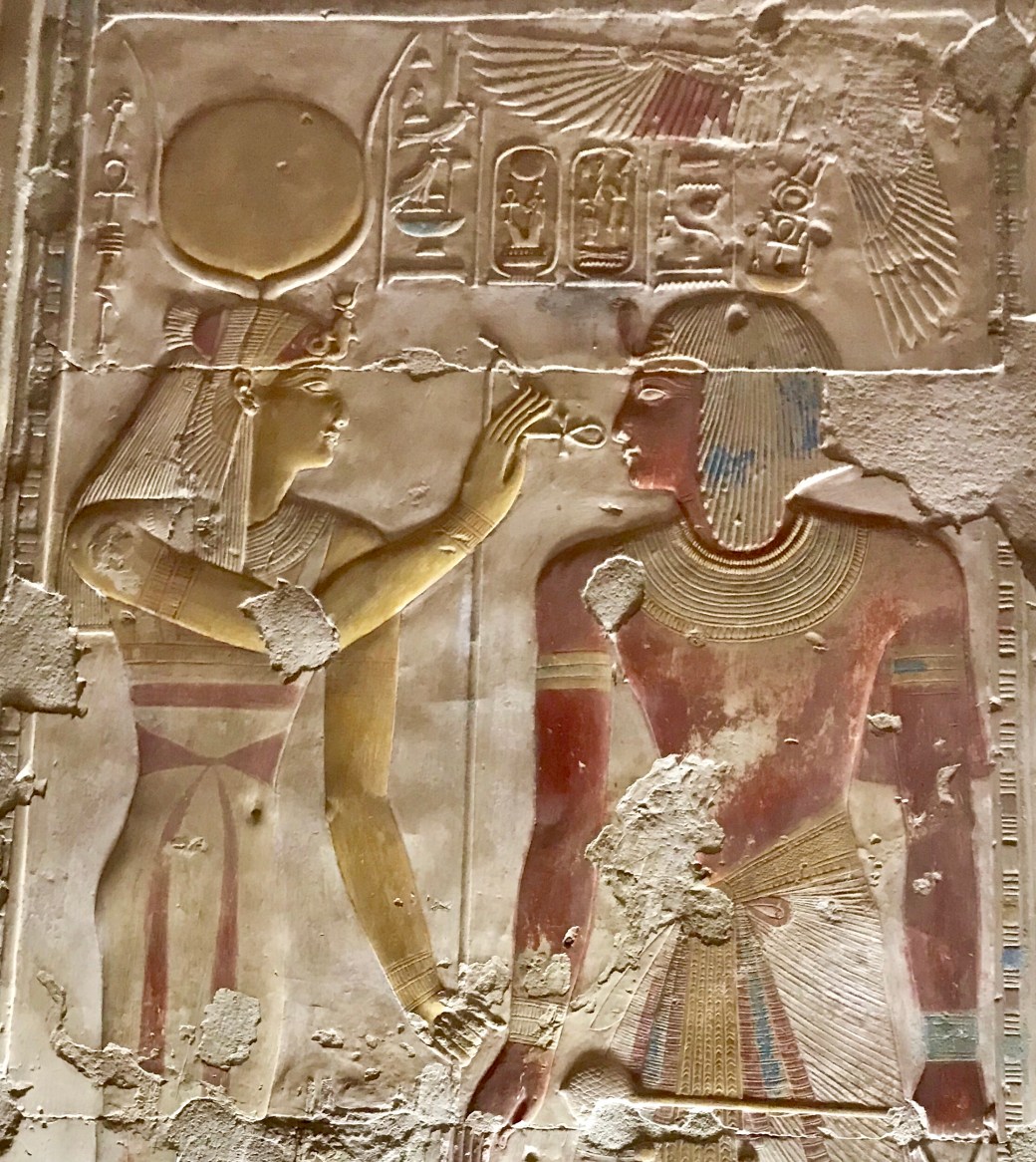 When the day is done you have a chance to enjoy more illuminated temples in the night.
  Yesterday in the late afternoon my glass of patience with all those temples of Egypt overflew and I stated, maybe clearly, but still carefully, that I can hardly see even one more. As a result the leader of our expedition decided wisely to go instead into the air
 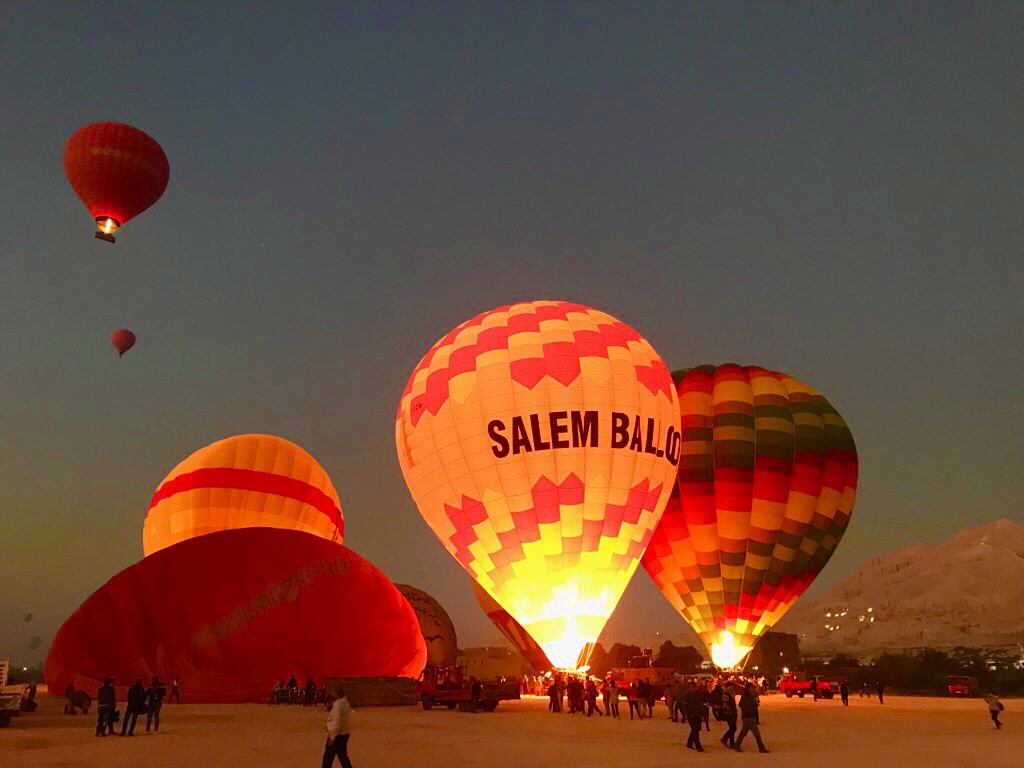 and in one early morning hour see all the rest of the temples in one bold stroke.
  More than 30 some years ago we naively drove from the ancient Syrian ruins of Palmyra to the Anti Lebanon mountains at the border.
 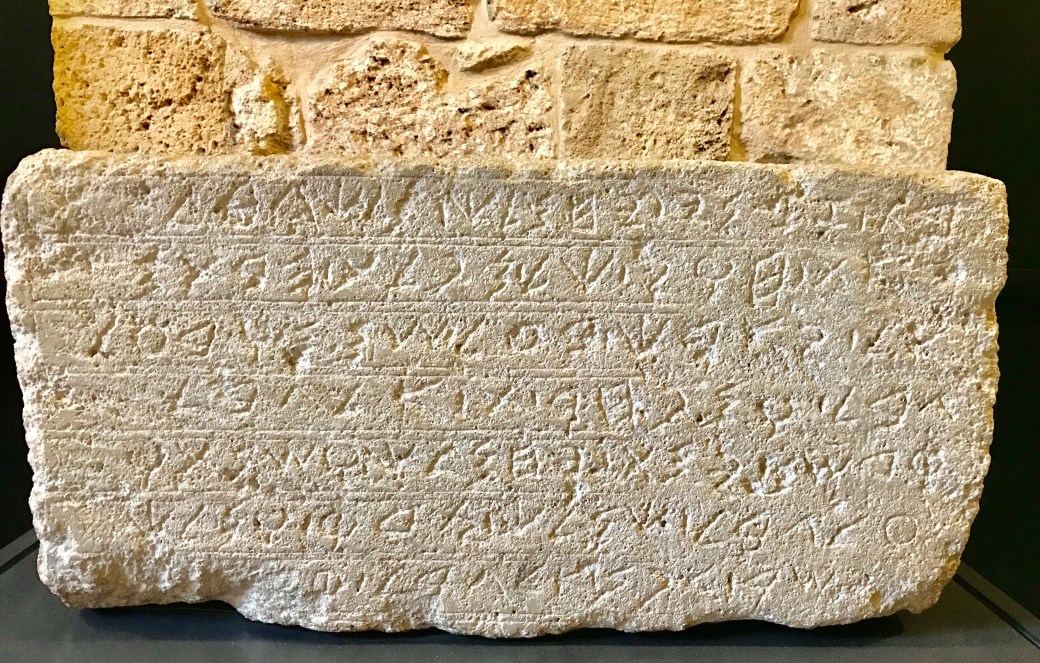 Why would you go to a country most people hear about only when something blows up or somebody is assassinated?
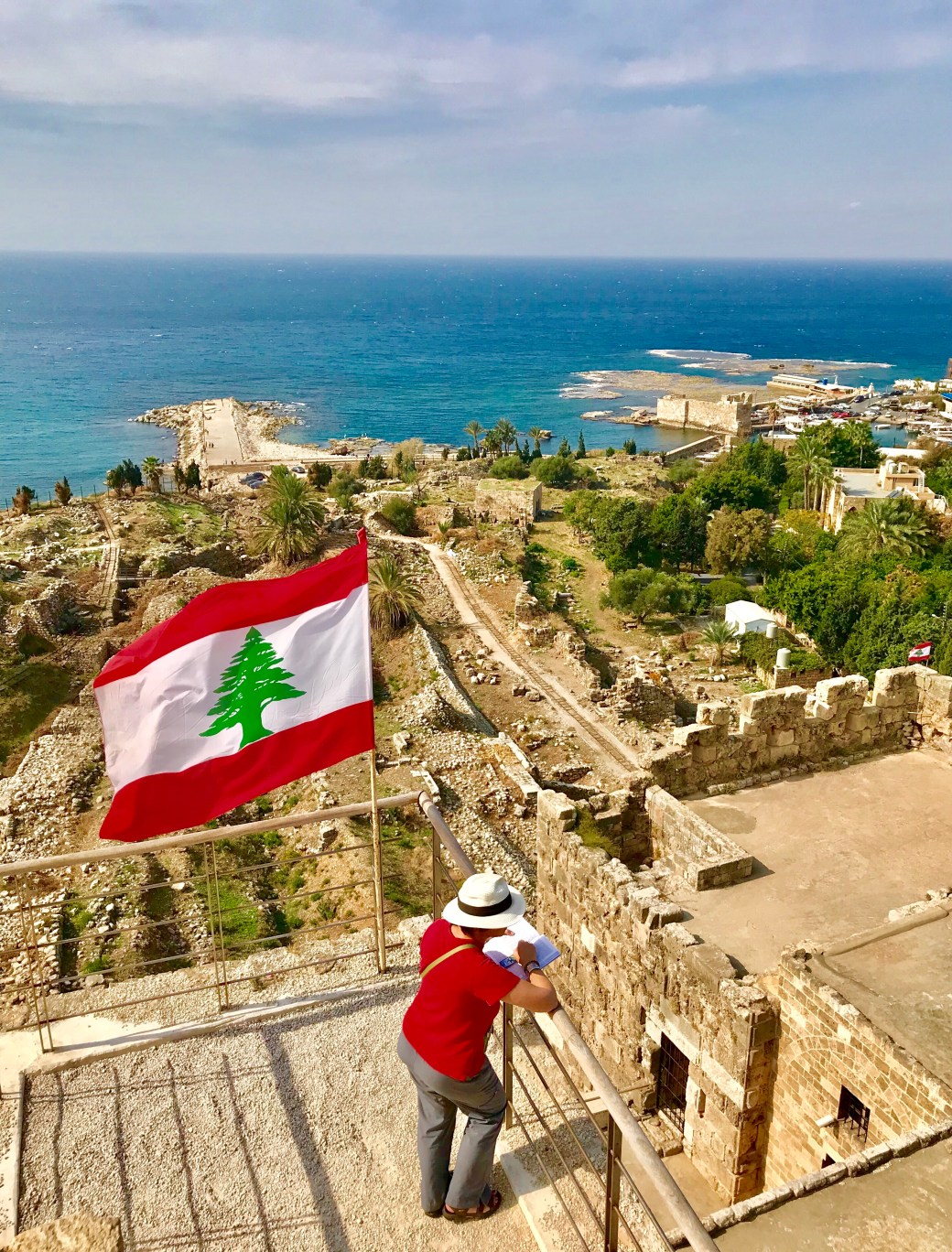 /On the top of the Byblos crusader Castle, a colorful Maronite town full of ancient history barely an hour drive along the coast north from Beirut.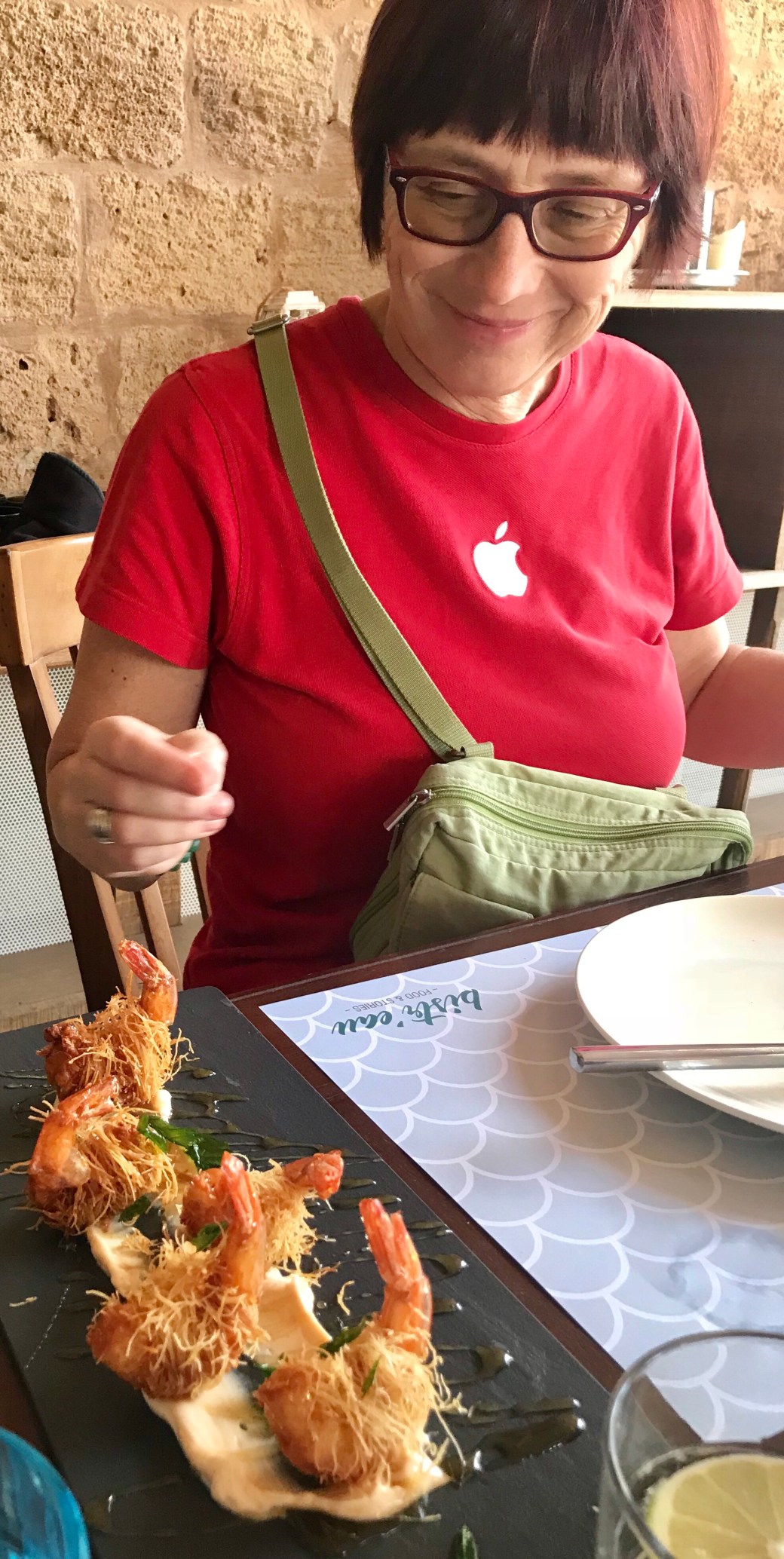
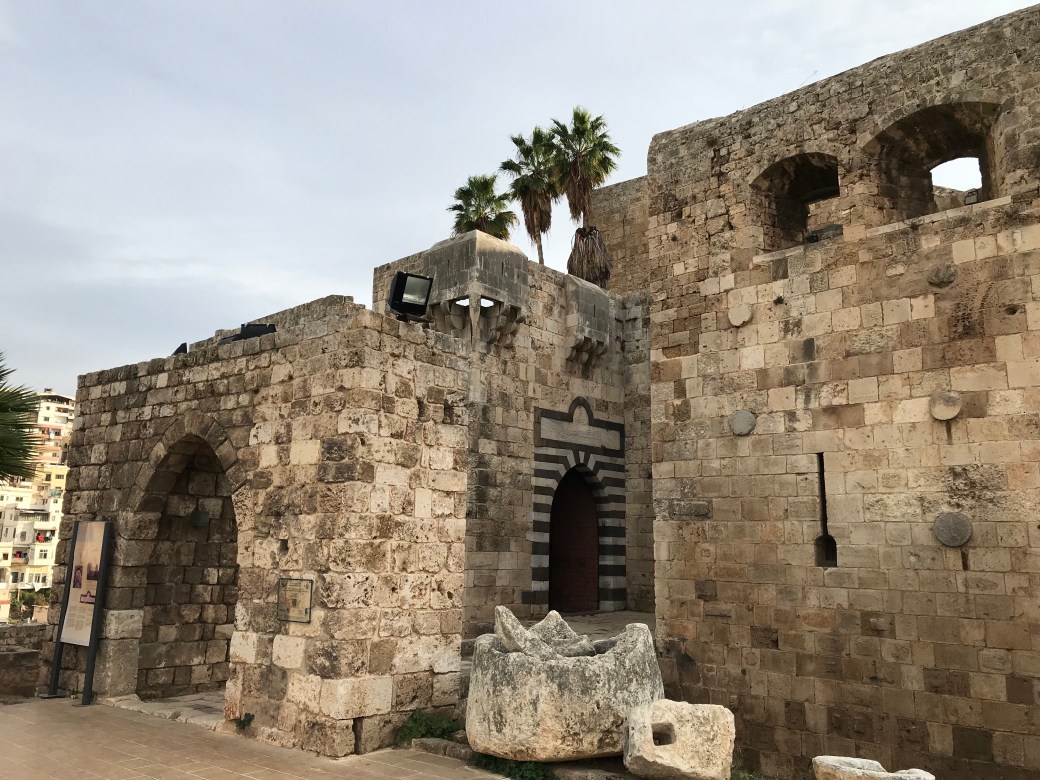 The huge medieval Citadel of Tripoli in the north. Any minute now a crusader knight will gallop by on his sturdy steed… The second largest city in the country, predominantly Muslim with a lot of Palestinian refugees. Maybe because of the intensity of life there driving through this town was a very exciting and quite a memorable experience. We are happy to report no car damage! Unbelievable!
 The Cedars of God, the last remains of those very old trees everybody in history used to cut down. Starting with the Phoenicians building their famous trading ships, and Solomon building his famous Jerusalem temple. Lebanese are trying to protect what is left and replant at least some, but seeing all the barren hills around, it looks too little, too late. But as they say: What is the best time to plant a tree? Forty years ago. What is the second best time? Now!
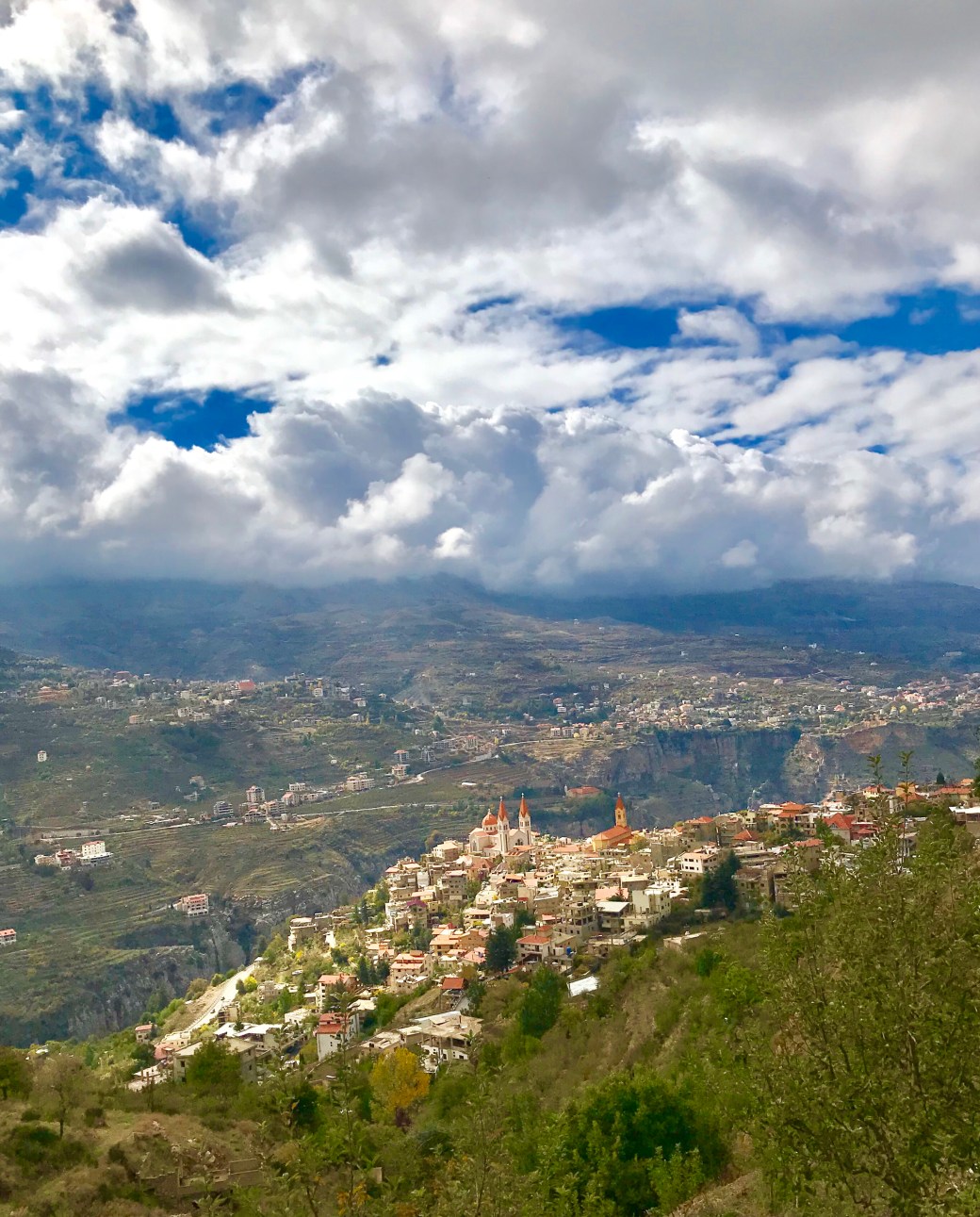 Bcharee, another pretty town predominantly populated by Maronites, the birth place of the famous poet Khalil Gibran, the 3rd best selling writer of all times. What, you haven’t heard of his book The Prophet? You are missing out on our youngest daughter’s favorite reading. Bcharre sits on the rim of the canyon-like Qadisha Valley. It is the Lebanese (mini) Grand Canyon, filled with numerous caves hidden in the canyon’s sheer limestones walls. For centuries these caves housed Christian hermits, and gave basis for many monasteries and churches. We saw how easy it must have been to hide here, as we could not locate quite a few of the sites by car and by foot despite GPS.
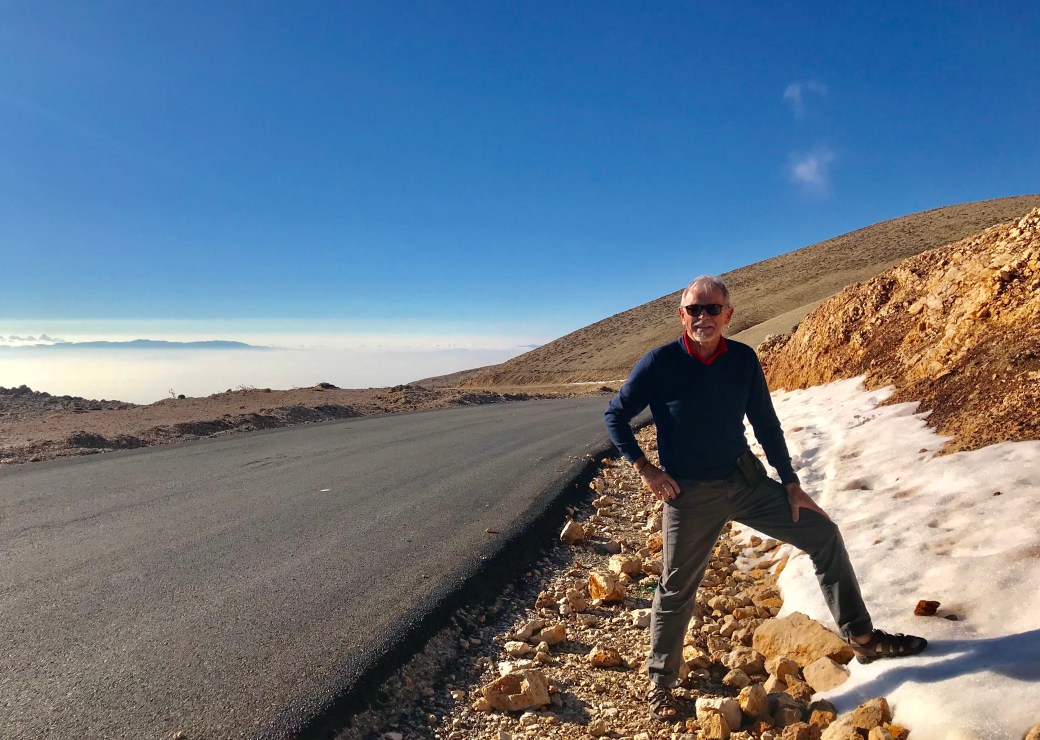 Crossing the mountains via the shortcut from Bcharre to Beka’a Valley. The Ainata mountain pass at elevation of about 7,500’ above the sea level surprised us. We heard all sorts of warnings, but we found the road excellent. Definitely the paving was much newer and much better than in our hometown. The only other people we met were a bored soldier at the checkpoint and some friendly shepherds in red and white checkered headscarves trying to shoo their flock to the side so we could squeeze by! With all the global warming the big rains and snow are late yet again so it was smooth sailing all the way down to the fertile Bekaa Valley.
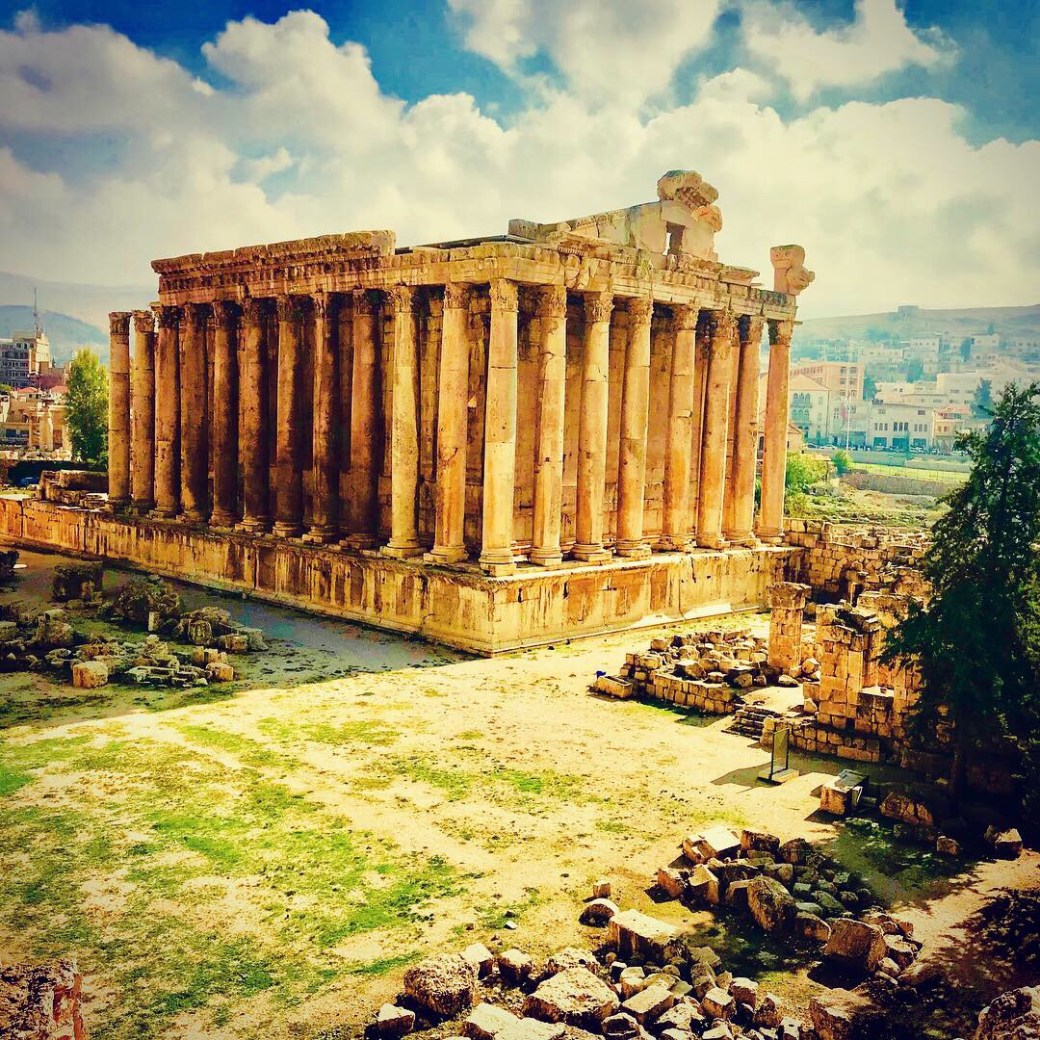 The Bacchus Temple of Baalbek. A huge Roman temple complex well hidden in the traffic of this capital of Beka’a Valley. Unless you speak Arabic or travel with a guide holding your hand 24/7 you are toast. Well, we were until we finally spotted the old institution from the golden age of tourism-rather forlorn looking Palmyra hotel. We parked in the front and were greeted by an old gentleman in lovely English. Over Turkish coffee he proceeded to reminisce of kings and artists and jazz singers he had served in the past nearly 60 years.
 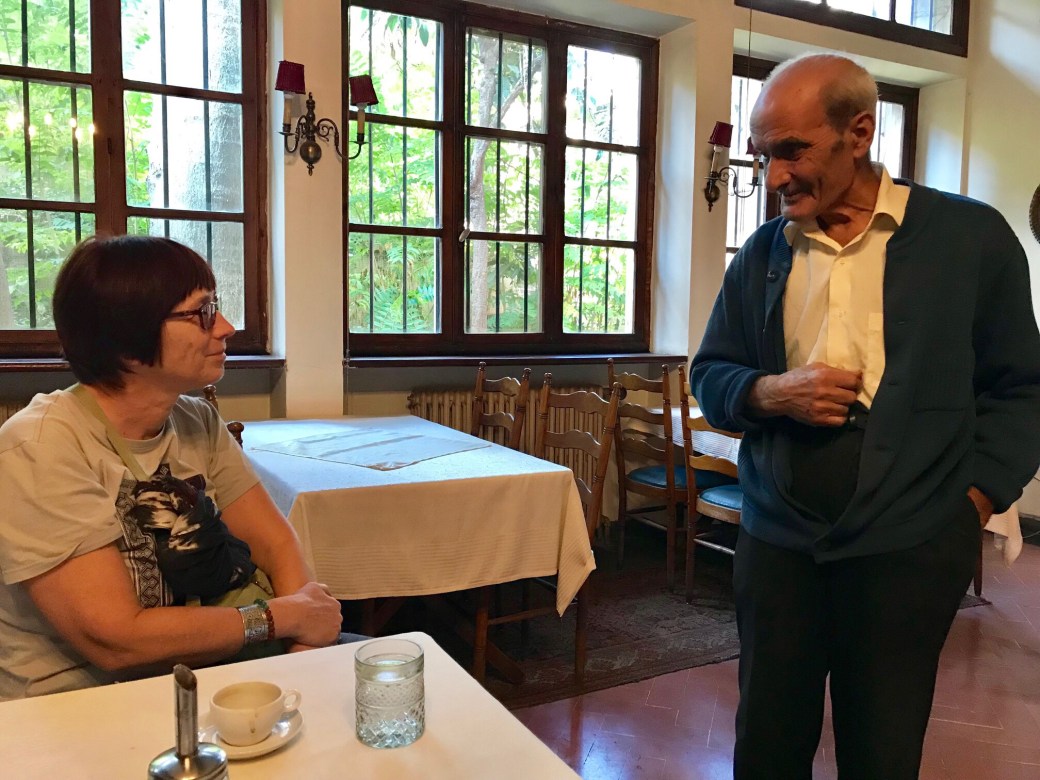 Now he was all alone with only black and white photos of celebrities keeping him company. The war on the other side and the facts that Baalbek was supposed to be the center of Hezbollah acitivites didn’t help. The only presence of Hezbollah we saw were the T shirts emblazoned with their name being sold at a few souvenir stalls by the entrance to the archeological complex right across from the hotel.
  The seafood discussed above is not the only culinary attraction of this country. You should not miss Lebanese wine to complement the local chefs’ surprises served at your table. Here we are in the Chateau Kefraya Winery, another well known wine lover’s delight after Ksara Winery we saw the day before. Ksenija discussed with our winery guide Tamara, an agricultural engineer, the size of the Lebanese wine market, considering that over half of the local population are moslems and they are prohibited by Koran to drink alcohol. Tamara had an easy answer:
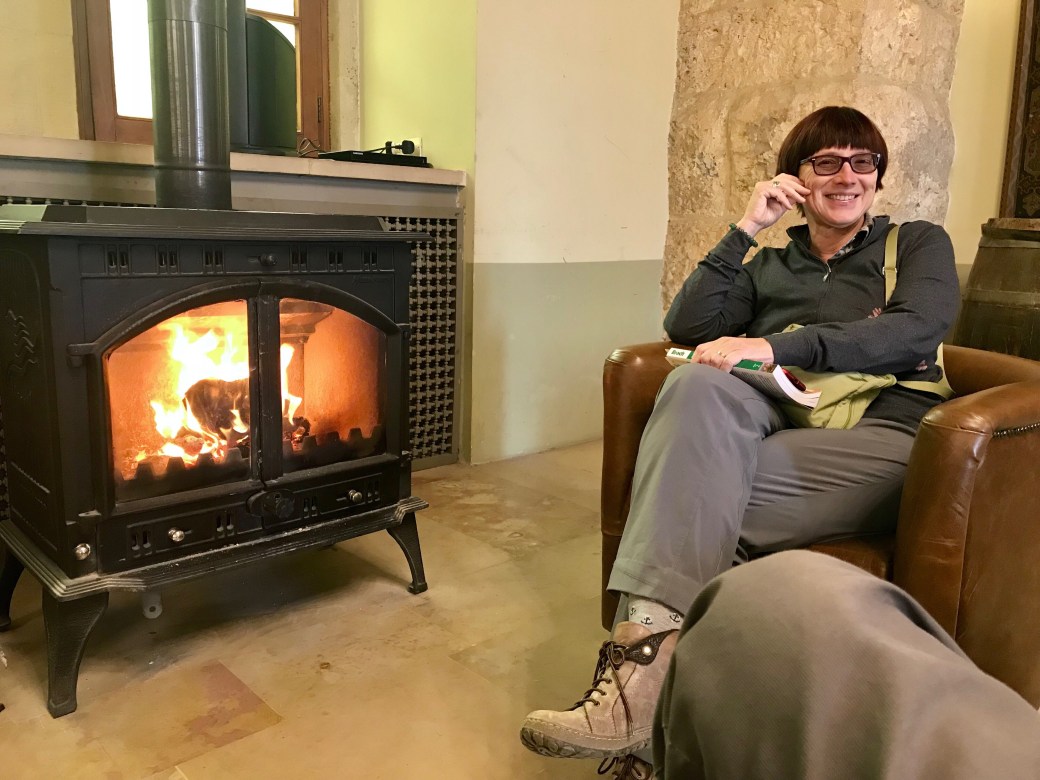 Yup, it can get cold in the Lebanese mountains and any fireplace can get very handy. Even the pleasant balmy climate of Eastern Mediterranean can betray you when you drive up to the elevation of five thousand feet or more. You better pack Long Johns, or at least a warm jacket!
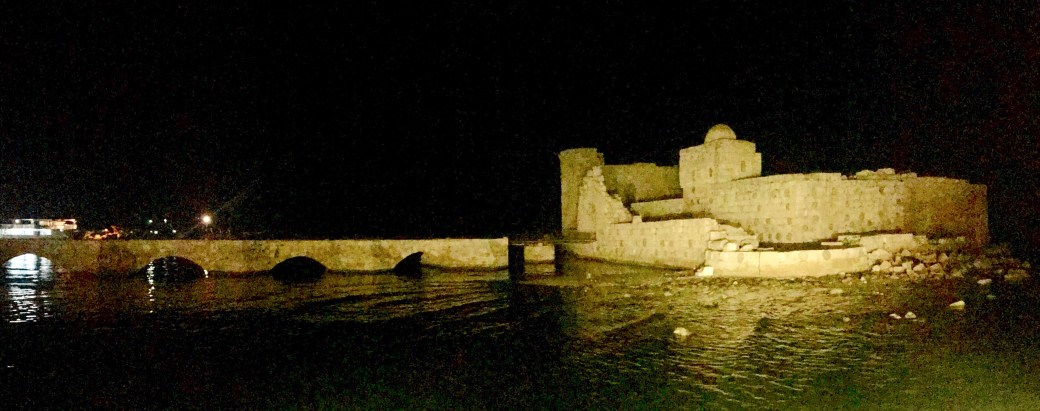 Looking for a romantic evening on the coast? Opportunities are plentiful. Like this photo taken from the corniche of the city of Sidon (Saïda in Arabic) where we decided to have a dinner in a beautiful restaurant. If it were not for the great seafood we ordered (another octopus, I could not resist!) we could have easily forded the shallow water between our table and “ramparts” of the castle! No wonder crusaders lost their cause a long time ago.
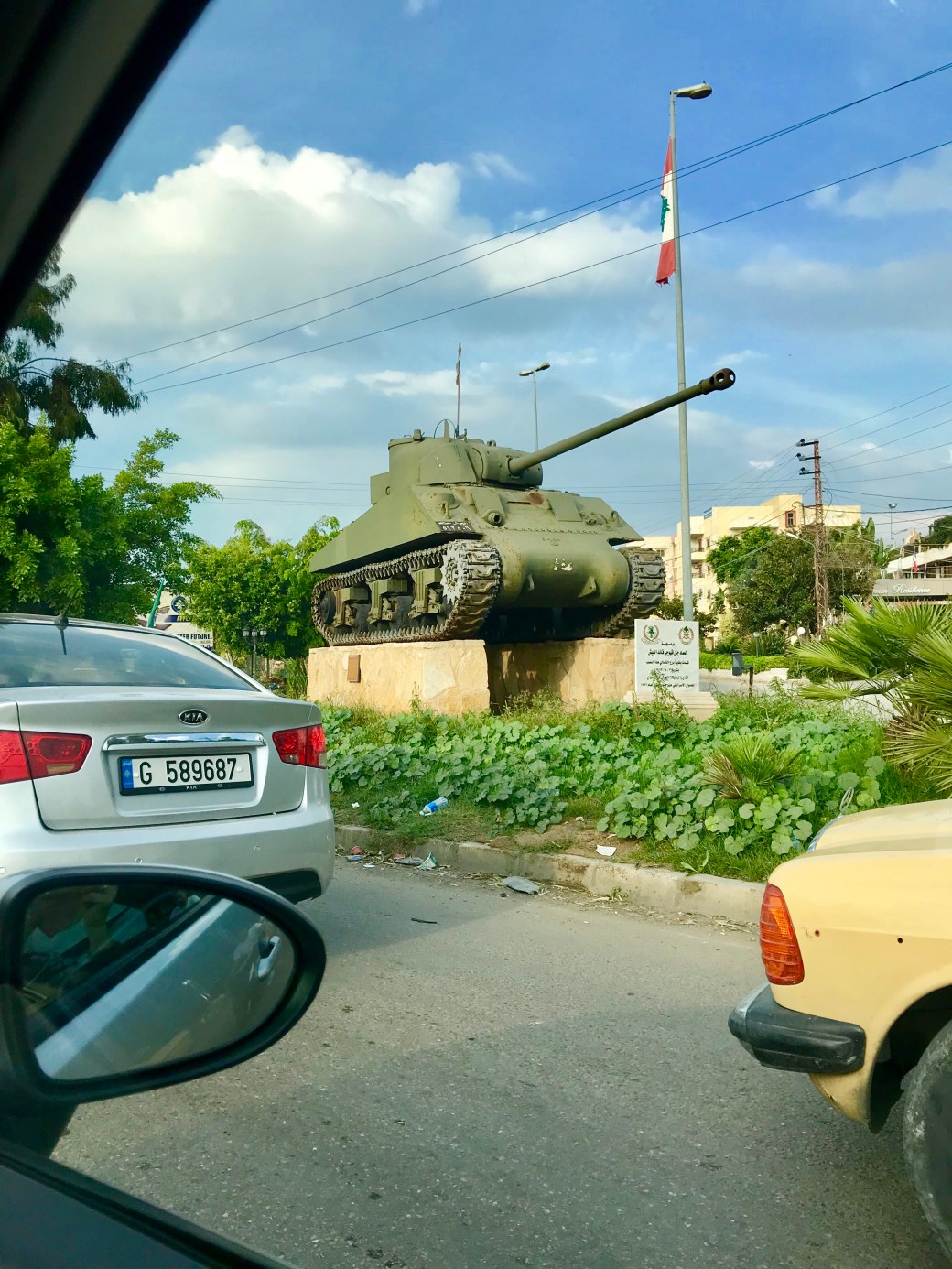 While the tank on the picture was empty we did come across a group of United Nations peace force soldiers out on their day off admiring the local sights.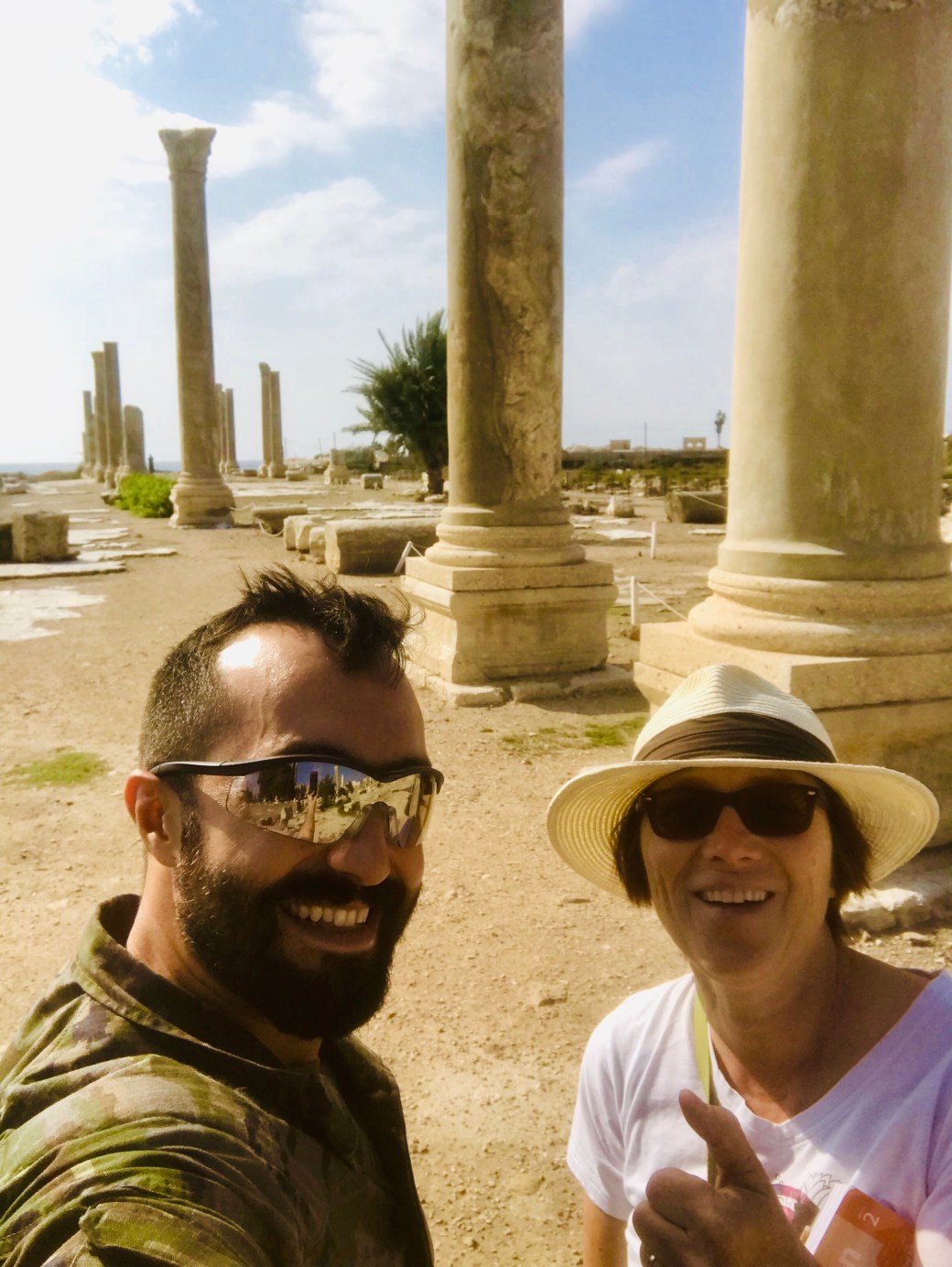
 The next problem is that many people being born and living in Lebanon all their lives are not recognized as Lebanese citizens. Some of them are legal residents, but many of them are officially registered refugees and a lot are something in between living on the margins of society. And that is a terrible way to live.
  For example you can not get married in Lebanon if your partner is not from exactly the same religion and sect. So couples have to get married in Cyprus and jump on a plane to get back to their wedding reception by the evening. The foreign marriage certificate is then recognized in Lebanon.
 “Madam, I am very sorry about the bad news from California,” says the guard at the ancient Roman site of Tyre. Our conversation started with a traditional, “Where are you from?” and then quickly turned a surprisingly strange corner.
 People on the street called out to us, asking if they could direct us anywhere and strangers told us “Welcome” and “We love Americans”.
 boutiques and high end restaurants. Beirut used to be called Paris of the Orient. Now I would call it Fashion Capital of the Middle East. (Think Elie Saab.)
  We were quite surprised that there were definitely more churches than mosques in the country.
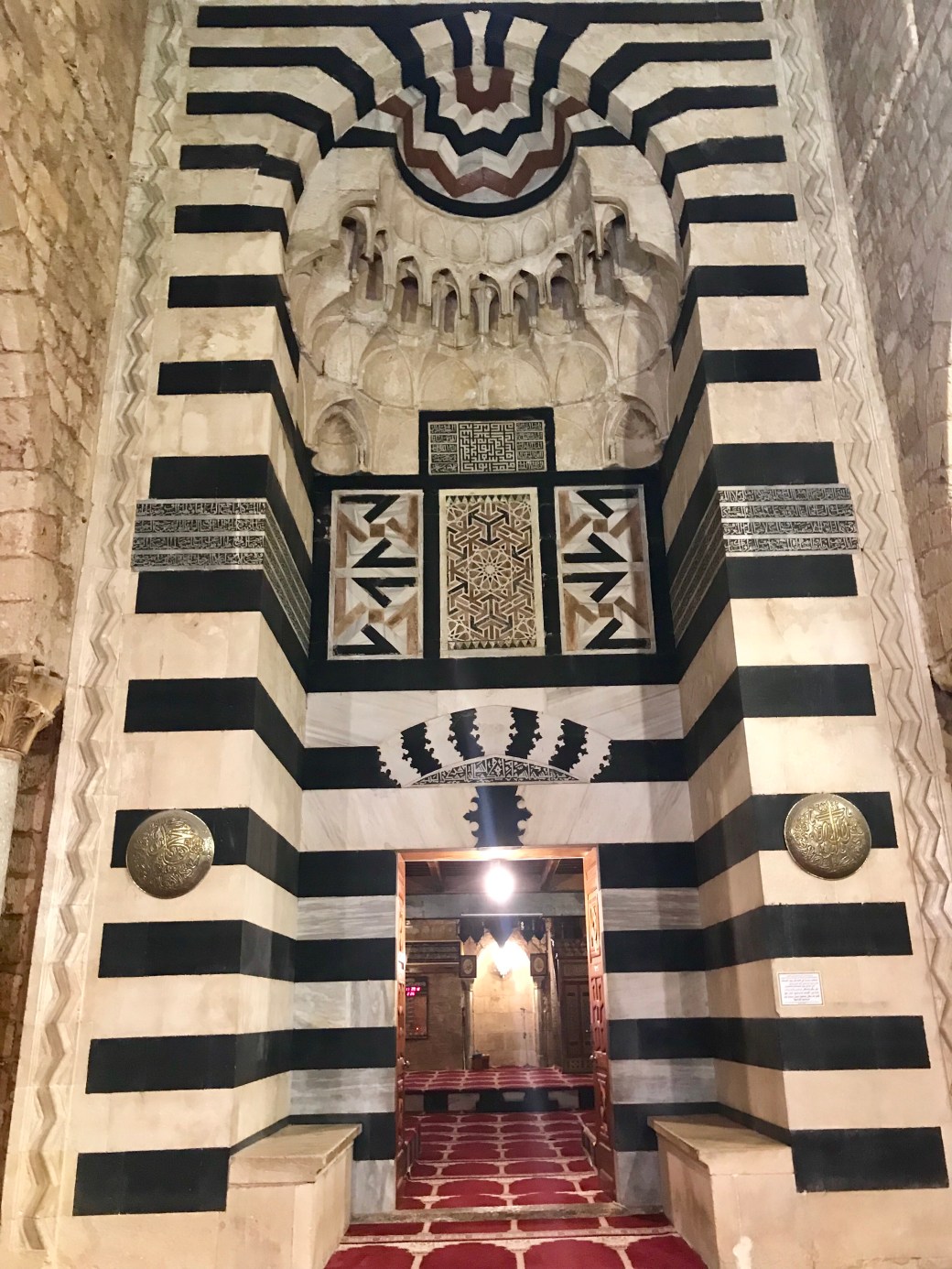
  Sure, we heard about the Maronite Christians, but there were many other branches, too. And in many places it was lovely to see the churches and mosques architecturally coexisting together.
  We were surprised how good the roads were everywhere and how much ground we could cover by car. Except in the cities where the traffic jams were bad and nerve shattering. The Lebanese are surprisingly, I want to say bad, but in truth, just totally undisciplined drivers, who don’t care about any kind of rules. For people who are so friendly, gallant even, on the road their worst instincts come out. They all run red lights, they push from all sides and cut in, not looking left or right, they step on the pedal if they see a pedestrian crossing the road.
  One of the biggest misconceptions people have about Lebanon is that there must be sand and desert. Of course we knew it was not so, still we were surprised how little green there was. We were particularly looking forward to seeing the famous Lebanese cedars,
  but they were quite few and far between. In fact so few that when we drove up to the mountains to see the famed Cedars of God Nature preserve, we drove right past it. Not surprising as there are only 375 trees protected by a wall.
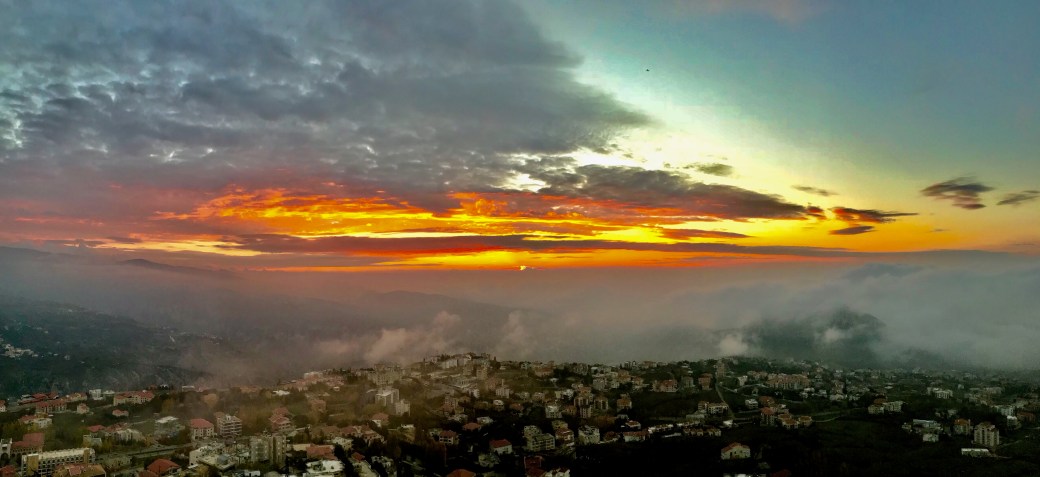 To the contrast of these big modern houses and generally a very cosmopolitan and Western feel of the country as a whole, the amount of garbage strewn around everywhere is shockingly third world. Beirut proper and a few other happy (and remarkably) clean exceptions, a lot of the country feels like it is drowning in trash.
 Of course we eagerly anticipated the raison d’etre of the whole trip-Baalbek temples, but there were other places that added significantly to the excitement of walking amongst the well preserved ruins of the country’s rich heritage from Neolithic to Phoenician, Greek, Roman, Crusader and Arab civilizations. Sometimes only bare stones remained, but they were mighty ones.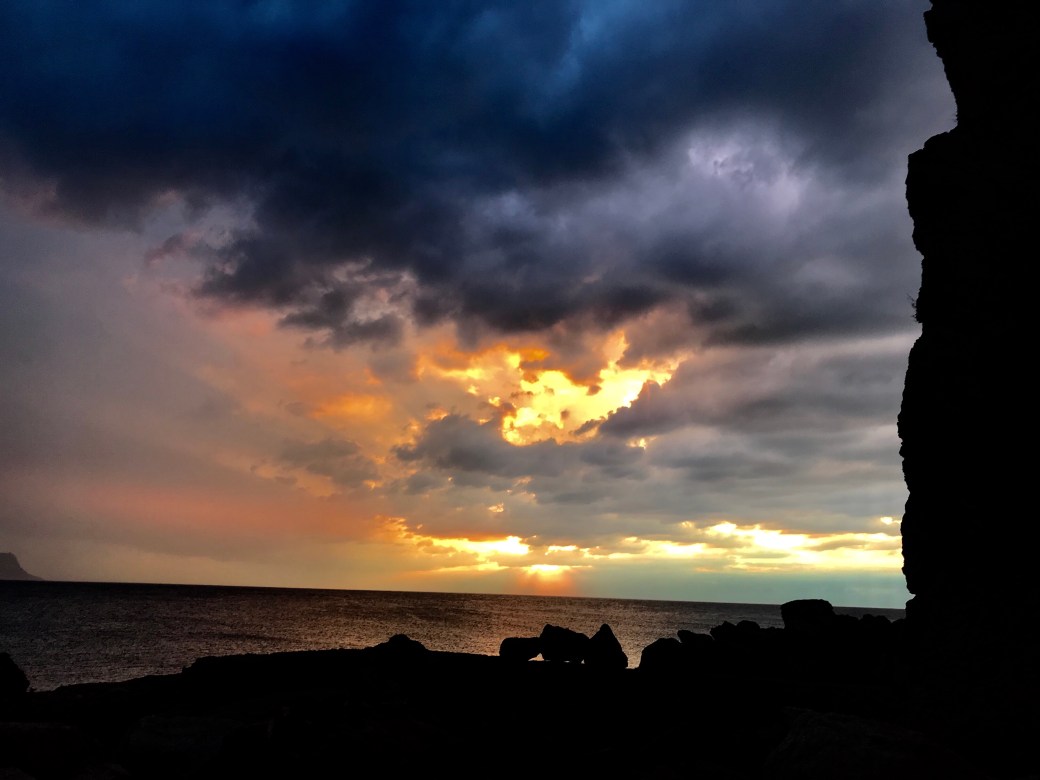
 There was not a single other visitor in this, one of the most spectacular wonders of ancient world, Lebanon’s greatest treasure, the grandest, best preserved, most intact site of Roman temples anywhere in the world. Luckily every now and then the guide tactfully disappeared to answer yet another VIP phone call and left us to wander alone, with our mouth hanging open in awe. The enormous, intricately carved, Bacchus Temple was the creme de la creme and every antiquity lover’s dream come true.
 that holds the most spectacular finds from Baalbek and other ancient cities. It is one of the most wonderful small museums I have ever been to. Coming from someone who really likes museums, that is saying something. It is light and airy, wide open and full of light. It has a perfect amount of spectacular exhibits, perfectly exhibited. When a museum is able to present even sarcophagi and funerary arts in a cheerful light, then you know they are doing it right.
  Even my husband did not fall asleep. And that is a rare exception for someone, who claims to be afflicted by a strong case of “museolepsy”.
 Crazy Parents Travel